Category: Uncategorized

  • Clearing the Smoke: What We Know About Cannabis for Mental Health Treatment

    Clearing the Smoke: What We Know About Cannabis for Mental Health Treatment

    Research into the therapeutic potential of cannabis for mental health disorders has grown in recent years, with mixed findings from randomized controlled trials (RCTs).

    Anxiety Disorders

    • CBD (Cannabidiol) has shown promise in reducing anxiety symptoms in RCTs, particularly for social anxiety disorder (SAD). For instance, a small RCT found that a single dose of 300 mg of CBD reduced anxiety levels in participants undergoing a simulated public speaking test.
    • Some RCTs suggest that CBD may be anxiolytic without causing impairment or euphoria, making it preferable for anxiety compared to THC-dominant cannabis products, which may exacerbate anxiety in some users.

    Post-Traumatic Stress Disorder (PTSD)

    • RCTs exploring THC and CBD combinations in PTSD have had mixed outcomes. Some studies indicate that THC may reduce nightmares and improve sleep in PTSD patients, though these findings are generally based on small sample sizes and short-term trials.
    • A recent RCT with a synthetic cannabinoid (nabilone) reported some symptom improvement in PTSD-related insomnia and nightmares. However, larger trials with longer follow-ups are necessary to clarify the efficacy and safety for PTSD.

    Depression

    • Few RCTs show consistent evidence supporting cannabis (CBD or THC) as an effective treatment for major depressive disorder. Some trials indicate that CBD may have antidepressant-like effects, possibly due to serotonin receptor activity, but more robust and long-term studies are needed.
    • Concerns persist over THC’s potential to exacerbate depressive symptoms, particularly with regular or heavy use.

    Schizophrenia and Psychotic Disorders

    • THC-dominant products have been associated with increased risk of psychosis and exacerbation of symptoms in people predisposed to psychotic disorders. This has led to caution against THC use in people with schizophrenia.
    • CBD has shown promise as an adjunctive treatment in some RCTs, with findings suggesting that it may have antipsychotic effects without the psychoactive effects of THC. For example, an RCT found that CBD reduced psychotic symptoms and improved cognitive function when added to standard antipsychotic treatment, though the effects were modest.

    Bipolar Disorder

    • Evidence from RCTs on the use of cannabis in bipolar disorder is sparse and generally negative. Some trials indicate that THC may worsen manic and depressive symptoms in bipolar patients, and there is little to no support for cannabis as a treatment for bipolar depression.

    Sleep Disorders

    • Some RCTs have evaluated cannabinoids for sleep disturbances, with CBD showing potential for improving sleep quality. However, THC may reduce REM sleep, which could impact sleep architecture negatively over time.
    • For PTSD-related insomnia, cannabinoids like nabilone have shown some benefit, but the effects on sleep in general populations remain uncertain.

    Limitations

    • Sample Sizes and Duration: Many RCTs are small and short-term, limiting the generalizability and understanding of long-term effects.
    • Dosing and Formulations: Variability in cannabinoid content (THC vs. CBD), formulations (edibles, oils, vapes), and dosages across studies makes comparison challenging.
    • Side Effects: Both CBD and THC can have side effects, though THC’s psychoactive properties can lead to cognitive impairment, addiction potential, and negative impact on mood in some patients.

    While CBD shows some promise in anxiety, PTSD, and psychotic disorders, RCT evidence for other mental health conditions remains inconclusive or even negative, especially with THC. Further large-scale, long-term RCTs are needed to establish the efficacy and safety profile of cannabis-based treatments in mental health.

  • New Research on rTMS for Alzheimer’s Disease

    New Research on rTMS for Alzheimer’s Disease

    A recent 52-week phase 2 study has demonstrated promising results for repetitive transcranial magnetic stimulation (rTMS) as a therapeutic approach in Alzheimer’s disease (AD). This trial applied a targeted, personalized rTMS treatment over the precuneus—a critical area within the brain’s default mode network (DMN)—in patients with mild to moderate AD.

    Key findings from this study:

    • Targeted Stimulation: The focus on the precuneus leverages its role within the DMN, a network known to be implicated in memory and cognitive function.
    • Cognitive and Functional Benefits: rTMS slowed cognitive and functional decline over the 52-week period, suggesting that targeting DMN structures might offer a way to preserve function in AD.
    • Potential Mechanisms: rTMS may enhance neural plasticity and modulate brain network activity, though further studies are needed to fully understand the mechanisms involved.

    These results underscore rTMS’s potential as a non-invasive intervention that might slow AD progression, with personalization based on brain networks offering a new frontier in treatment approaches for this challenging disease.

  • 🧠 New Insights into Depression: How the Brain’s “Negativity Bias” Shapes Our Perceptions

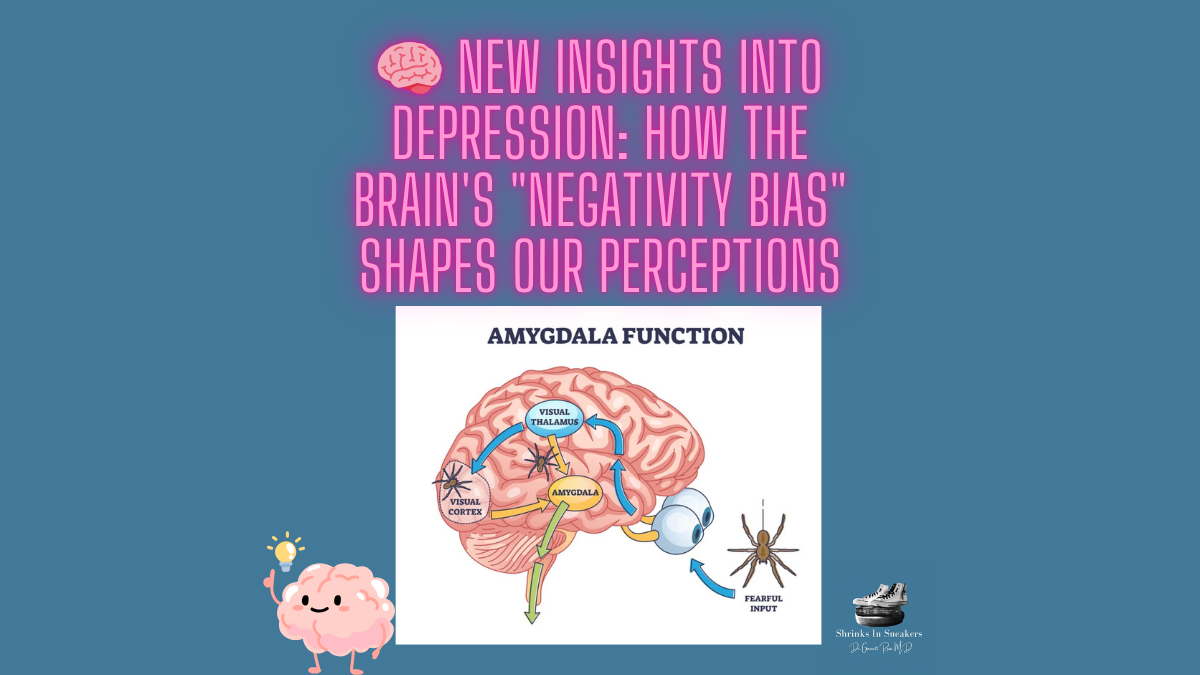
    🧠 New Insights into Depression: How the Brain’s “Negativity Bias” Shapes Our Perceptions

    Did you know that in depression, the brain’s wiring can actually amplify negative experiences? Recent research from the Institut Pasteur and collaborators explored this phenomenon, finding that depression alters specific neurons in the amygdala. These changes can reduce activity in neurons that process positive stimuli while overactivating those that process negative stimuli. This “negativity bias” means people with depression often perceive even neutral events through a negative lens.

    In studies with mouse models of depression, activating neurons responsible for positive perceptions helped reduce depressive behaviors. This groundbreaking discovery could pave the way for new treatments aimed at rebalancing these circuits, especially for people who don’t respond to conventional therapies.

    By understanding depression’s effects on the amygdala, researchers hope to develop more targeted and effective therapies for those resistant to current treatments. This is a step toward a more personalized approach to mental health.

    link to the article: https://pmc.ncbi.nlm.nih.gov/articles/PMC10963437/

  • New Strategies to Slow Cognitive Loss in Major Depression

    New Strategies to Slow Cognitive Loss in Major Depression

    📢 New Publication Alert in JAMA Psychiatry 🧠📄

    Today’s issue of JAMA Psychiatry highlights an important breakthrough study titled: “Slowing cognitive decline in major depressive disorder and mild cognitive impairment: A randomized controlled trial.”

    This publication reveals the primary findings from the PACt-MD study (Prevention of Alzheimer’s dementia with Cognitive remediation plus transcranial direct current stimulation in Mild cognitive impairment and Depression). This large-scale RCT examined whether combining cognitive remediation therapy (CRT) with transcranial direct current stimulation (tDCS) could effectively slow cognitive decline in individuals with both mild cognitive impairment (MCI) and major depressive disorder (MDD).

    Key Findings:

    • The combination of CRT and tDCS showed promising effects in decelerating cognitive decline in patients with MCI and MDD.
    • Improved cognitive outcomes were observed in specific areas such as memory, executive function, and attention compared to control groups.

    Why This Matters: Cognitive impairment is a critical concern in both MCI and MDD, often leading to functional decline and increased dementia risk. This study provides valuable insights into non-pharmacological approaches to mitigate cognitive deterioration in high-risk populations.

    🔍 Stay tuned for more on the methodology and detailed results. This could open doors to novel, accessible interventions for those at risk of Alzheimer’s and cognitive impairment.

    Artile lonk: https://pubmed.ncbi.nlm.nih.gov/32568198/

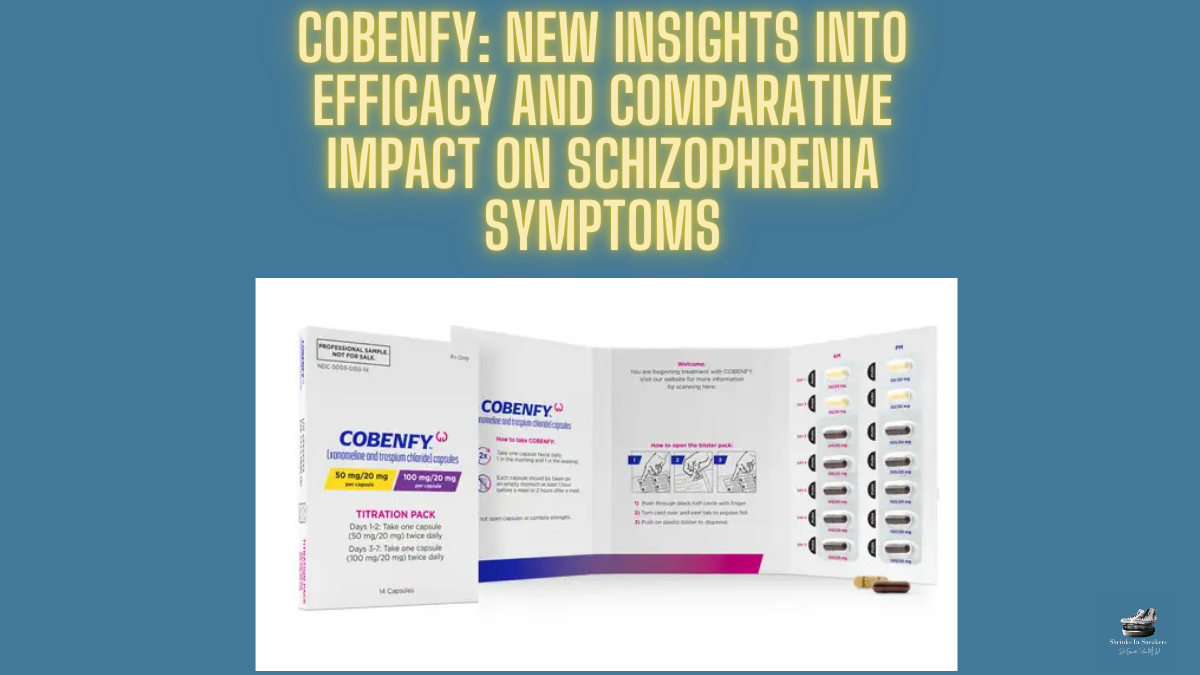
  • Cobenfy: New Insights into Efficacy and Comparative Impact on Schizophrenia Symptoms

    Cobenfy: New Insights into Efficacy and Comparative Impact on Schizophrenia Symptoms

    Overall Efficacy

    • Effect Size: Cobenfy’s overall efficacy on the Positive and Negative Syndrome Scale (PANSS) stands at an effect size of 0.6, which is higher than many established antipsychotics (typically 0.3-0.5). However, clozapine still leads as the gold standard, with effect sizes ranging from 0.76 to 1.0.
    • NNT (Number Needed to Treat): The estimated NNT for Cobenfy is around 4, placing it in the mid-range among antipsychotics, where NNTs often range from 3 to 10.

    Negative Symptom Impact

    • Cobenfy shows a notable efficacy in reducing negative symptoms. It achieves an impressive effect size of 1.18for this symptom domain, which is uncommon among antipsychotics. This improvement in negative symptoms appears to be independent of reductions in positive symptoms, a distinct advantage over traditional agents.
    • The NNT for negative symptoms specifically is around 2, highlighting Cobenfy’s potential as a robust option for patients struggling with these challenging symptoms.

    Onset of Action

    • Rapid Onset: Cobenfy begins to show statistically significant improvements by week 3.
    • Peak Effect: Maximal symptom improvement is typically observed by week 5.

    Conclusion
    Cobenfy offers strong efficacy in schizophrenia, with unique advantages for negative symptoms. While clozapine remains unmatched in treatment-resistant cases, Cobenfy provides a promising option, especially for patients with significant negative symptoms.


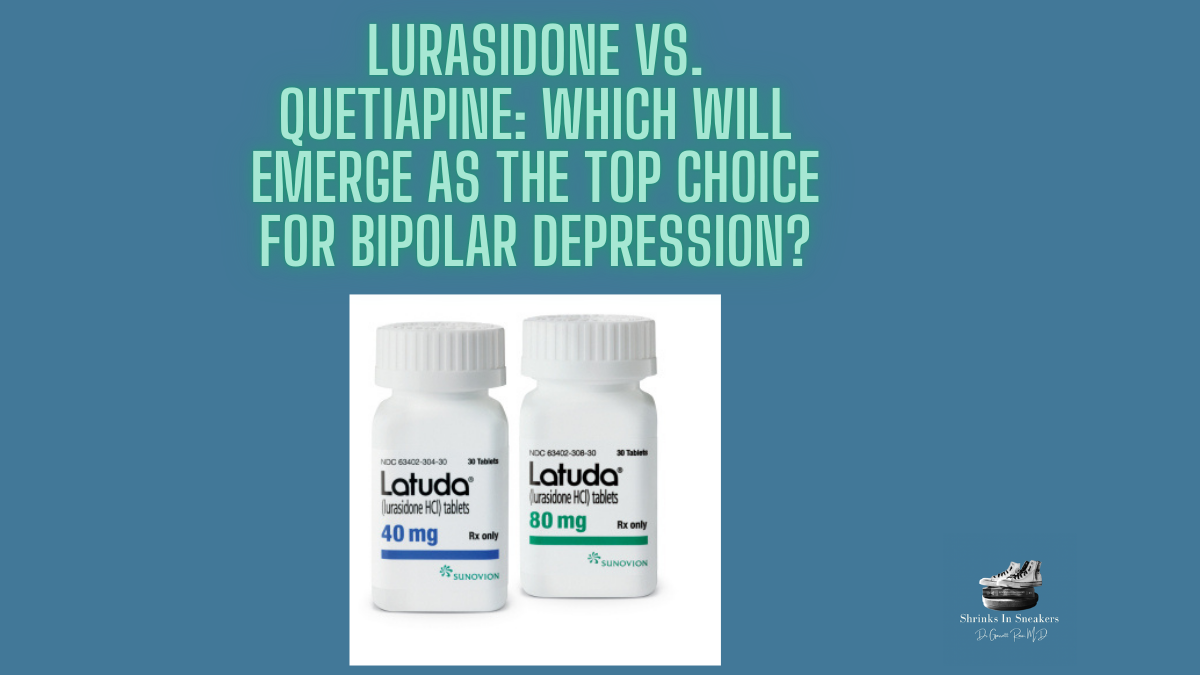
  • Lurasidone vs. Quetiapine: Which Will Emerge as the Top Choice for Bipolar Depression?

    Lurasidone vs. Quetiapine: Which Will Emerge as the Top Choice for Bipolar Depression?

    Bipolar depression is a challenging and common condition, with limited options for effective medication management. Finding the best treatment can be tough, especially given the lack of high-quality head-to-head comparisons in the literature. Two frequently prescribed medications for bipolar depression, quetiapine and lurasidone, are both solid options—but is one truly superior to the other?

    Head-to-head randomized controlled trials comparing lurasidone and quetiapine specifically for bipolar depression are relatively limited. However, both medications have established evidence in treating bipolar depression, with some distinctions in efficacy, safety, and tolerability that can be informative for comparison.

    1. Efficacy: Studies suggest that both lurasidone and quetiapine are effective in treating depressive symptoms in bipolar disorder. Quetiapine, particularly at doses of 300 mg or 600 mg, has shown significant efficacy in reducing depressive symptoms, whereas lurasidone also demonstrates effectiveness at doses typically ranging from 20 mg to 120 mg. Head-to-head trials generally find comparable efficacy between the two, though quetiapine may be preferred in certain cases for its sedative effects, which can help with associated insomnia in bipolar depression.
    2. Tolerability and Side Effects: Lurasidone tends to have a more favorable side effect profile, with a lower risk of weight gain, metabolic issues, and sedation compared to quetiapine. Quetiapine is often associated with more sedation and metabolic side effects, such as weight gain and increased cholesterol and triglycerides, which may be more pronounced at higher doses. Lurasidone’s side effect profile may make it a better option for patients where weight gain or sedation is a concern.
    3. Functioning and Quality of Life: Some studies highlight that patients on lurasidone report better functioning and fewer sedative effects, which may positively impact quality of life, particularly for those sensitive to the sedative properties of quetiapine.
    4. Dropout Rates: Due to quetiapine’s sedative side effects, some patients discontinue it more often than lurasidone. Lurasidone’s lower risk for sedation and weight gain tends to improve adherence for those struggling with quetiapine’s tolerability.

    Both medications are effective for bipolar depression, but lurasidone may be better tolerated overall, especially concerning weight gain and sedation. We should not forget that lurasidone carriers an equally concerning side effect of akathisia which can also increase dropout rates especially at higher doses. Additional direct head-to-head trials would be valuable to further elucidate these findings.

  • Breaking the Trauma Cycle: Can We Prevent PTSD Before It Begins?

    Breaking the Trauma Cycle: Can We Prevent PTSD Before It Begins?

    The use of hydrocortisone and propranolol in the prevention of post-traumatic stress disorder (PTSD) has been explored in several randomized controlled trials (RCTs). We always want to know does it work or is it just another interesting idea with little evidence to support its use

    Hydrocortisone:

    Hydrocortisone, a corticosteroid, has been investigated for its potential to modulate the stress response and prevent the consolidation of traumatic memories, which is thought to contribute to the development of PTSD.

    1. Mechanism: Hydrocortisone works by increasing cortisol levels, which can suppress the stress-induced overactivation of the hypothalamic-pituitary-adrenal (HPA) axis. Cortisol may reduce memory consolidation of trauma, thus decreasing PTSD risk.
    2. RCT Evidence:
      • Schelling et al. (2004) conducted a study on patients in the ICU, where hydrocortisone was used to treat septic shock. They found that patients who received hydrocortisone had a significantly lower risk of developing PTSD symptoms at follow-up compared to the placebo group. This suggested that hydrocortisone might have a protective effect in stress-related conditions.
      • Survivors of trauma: In a study by Zohar et al. (2011), trauma patients who received hydrocortisone in the immediate aftermath of the traumatic event had lower rates of PTSD symptoms compared to those who received placebo. The results suggested that hydrocortisone may reduce PTSD incidence when administered shortly after trauma exposure.
      • Critically ill patients: Schelling et al. (2001) showed that administering hydrocortisone to critically ill patients in the ICU reduced PTSD symptoms at follow-up, supporting the idea that early cortisol intervention can modulate the long-term psychological impact of traumatic experiences.
    3. Summary: Hydrocortisone has shown promise in reducing PTSD symptoms when administered during or soon after traumatic experiences, particularly in ICU patients or survivors of trauma. Its role appears to be in modulating the stress response and memory consolidation processes.

    Propranolol:

    Propranolol, a beta-blocker, is primarily used to treat cardiovascular conditions but has been studied for its effects on memory reconsolidation and emotional arousal, both of which are implicated in the development of PTSD.

    1. Mechanism: Propranolol reduces adrenergic activity by blocking beta-adrenergic receptors, potentially interfering with the emotional enhancement of traumatic memories, thus reducing their consolidation.
    2. RCT Evidence:
      • Pitman et al. (2002) conducted a double-blind, placebo-controlled trial in which trauma victims (e.g., car accident survivors) were given propranolol or placebo within a few hours of the event. At follow-up, patients who received propranolol had reduced PTSD symptoms compared to those given placebo, though the results were not statistically significant.
      • Brunet et al. (2008) performed a study on individuals with PTSD, where propranolol was administered before memory reactivation (i.e., recalling the traumatic event). The group that received propranolol showed reduced physiological responses to trauma reminders and decreased emotional impact, suggesting that propranolol may weaken the reconsolidation of traumatic memories.
      • Stein et al. (2007) did not find a significant reduction in PTSD incidence when propranolol was administered following trauma. This led to mixed conclusions regarding its preventive efficacy.
    3. Summary: The evidence for propranolol is more mixed. While some studies suggest it may reduce PTSD symptoms by weakening emotional memory consolidation, other trials have not demonstrated a significant reduction in PTSD development.

    Conclusion:

    • Hydrocortisone has more consistent evidence supporting its role in preventing PTSD, particularly when administered soon after trauma.
    • Propranolol shows mixed results, with some evidence suggesting it may reduce emotional memory consolidation and PTSD symptoms, though its effectiveness in preventing PTSD development is less conclusive.

    Both treatments hold potential, but more research is needed to establish their routine use in PTSD prevention.

  • Unlocking Relief: Can Prazosin Power Up Depression Treatment?

    Unlocking Relief: Can Prazosin Power Up Depression Treatment?

    The evidence for the use of prazosin in major depressive disorder (MDD) comes mainly from smaller studies or trials focusing on its off-label use, as prazosin is primarily an alpha-1 adrenergic antagonist used to treat hypertension and PTSD-related nightmares.

    Clinical Rationale

    The theoretical rationale for prazosin in MDD is based on its ability to block alpha-1 adrenergic receptors, which may help reduce the hyperactivity of the norepinephrine system—a pathway implicated in stress and depression.

    Randomized Controlled Trials (RCTs)

    RCT evidence for prazosin in treating MDD is limited compared to other antidepressants, but a few studies have explored its potential benefits:

    1. Prazosin as Adjunctive Treatment for MDD (2009):
      A small pilot RCT assessed prazosin as an add-on therapy for MDD in patients who were already on standard antidepressants. The results showed modest improvements in depressive symptoms when prazosin was combined with SSRIs or SNRIs, particularly in patients with high anxiety or sleep disturbances.
    2. Prazosin for PTSD and MDD Comorbidity:
      Some RCTs conducted in patients with PTSD (a condition often comorbid with MDD) showed improvements in both PTSD and depressive symptoms. For example, a trial published in 2015 demonstrated that prazosin led to a significant reduction in depressive symptoms in veterans with PTSD and depression. While the trial primarily focused on PTSD, the secondary outcomes regarding depression were positive.
    3. Prazosin and Treatment-Resistant Depression (TRD):
      Some trials have explored prazosin’s efficacy in treatment-resistant forms of depression, hypothesizing that its ability to reduce stress-related symptoms could augment antidepressant efficacy. However, these trials have generally been small, and results have been inconsistent or not statistically significant in terms of primary depressive outcomes.

    Limitations

    • Sample Sizes: Most studies are small and underpowered.
    • Population: Most studies have focused on patients with PTSD, rather than pure MDD.
    • Adjunctive Use: Prazosin has mostly been tested as an adjunctive treatment, not as monotherapy for depression.

    While prazosin has shown some promise in improving depressive symptoms, particularly related to sleep disturbances and anxiety, larger RCTs specifically targeting MDD are needed to establish its efficacy.

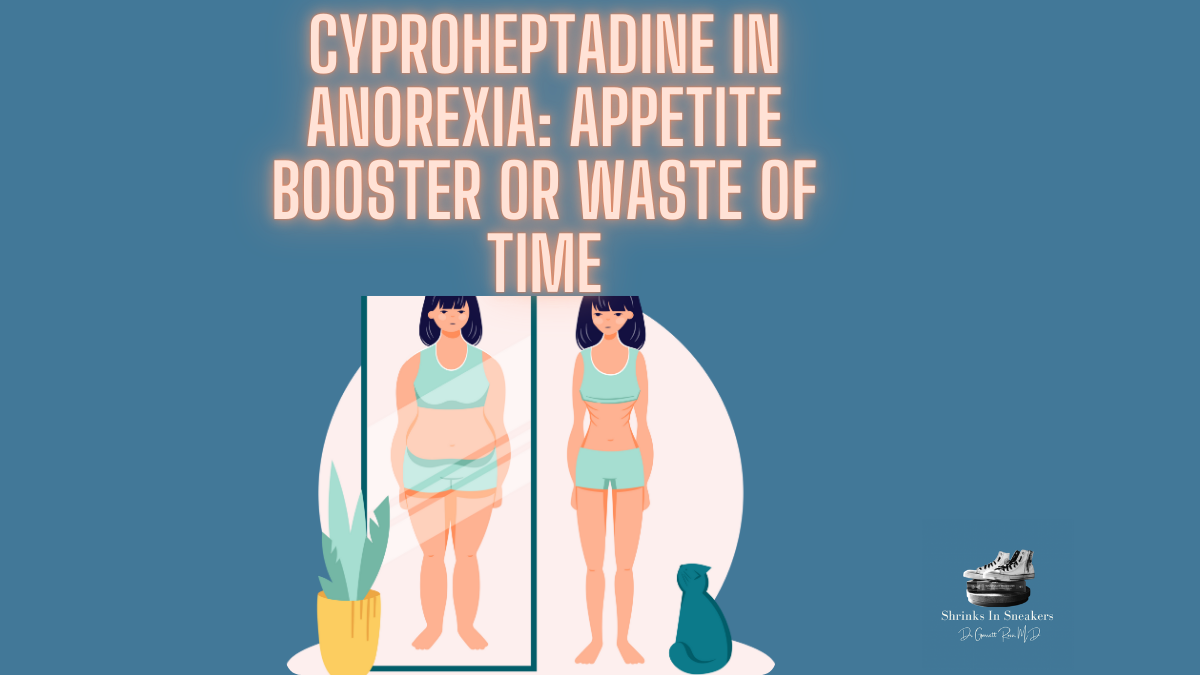
  • Cyproheptadine in Anorexia: Appetite Booster or Waste of Time

    Cyproheptadine in Anorexia: Appetite Booster or Waste of Time

    Over the past few posts, I’ve been using real cases from my practice to highlight essential teaching points in managing complex conditions. Anorexia nervosa, one of the most severe and high-mortality disorders I encounter, demands a multifaceted approach, especially in critical cases. Recently, I had to explore every possible option to support a particularly challenging case, including cyproheptadine—a medication with potential benefits in anorexia. I decided to dive deeper into the evidence supporting its use. At the end of this post, I’ll share my own experience with cyproheptadine in this case and whether it made a difference in the outcome

    Cyproheptadine has been studied in the treatment of anorexia, particularly anorexia nervosa, due to its appetite-stimulating and antihistaminic properties. Some early randomized controlled trials (RCTs) suggested it might have benefits, especially for anorexia nervosa with certain subtypes, but the evidence has been mixed, and it’s not widely recommended in current guidelines.

    1. Weight Gain: Cyproheptadine has been shown in some RCTs to help promote weight gain in individuals with anorexia nervosa, particularly in those with a restricting type of the disorder. However, results have not been consistent across studies, with some trials finding minimal or no effect on weight gain.
    2. Symptom Relief: Cyproheptadine may help reduce anxiety and obsessive thoughts related to food, as its antihistaminic and mild sedative effects can have a calming influence. However, this has not been strongly confirmed across all trials.
    3. Limitations and Side Effects: The mixed evidence may relate to differences in study designs, anorexia subtypes studied, and dosages used. Side effects, such as sedation, have also limited its use, especially in outpatient settings where these effects might interfere with daily functioning.

    Overall, while some RCTs have shown cyproheptadine might help with weight gain and symptom relief in anorexia, particularly in non-binging types, the evidence remains inconclusive. In my personal practice with the medication, I saw limited if any benefit by adding this medication to current standard of treatment. We are often looking for solutions to complex difficult to treat conditions such as anorexia, but the benefits here seem to be limitted both from the research and clinical perspective. 

  • Can Amantadine Tame Tardive Dyskinesia? Exploring the Evidence and Potential Benefits

    Can Amantadine Tame Tardive Dyskinesia? Exploring the Evidence and Potential Benefits

    In my practice, I see many patients who have been on high doses of antipsychotics for extended periods, particularly first-generation antipsychotics, which carry a higher risk of developing tardive dyskinesia (TD). While two FDA-approved treatments for TD exist, their high cost and limited availability can make access challenging in community mental health settings. This has led me to explore alternative treatments like amantadine. Like many of you, I wanted to understand the evidence supporting its use, so let’s take a closer look at what the research says about amantadine as a treatment option for TD.

    The evidence for the use of amantadine in treating tardive dyskinesia (TD) has been explored in several small randomized controlled trials (RCTs), though it remains limited compared to other treatments.

    1. Efficacy of Amantadine: Some studies suggest that amantadine, an NMDA receptor antagonist, may offer mild to moderate improvement in TD symptoms by modulating dopaminergic pathways. For instance, an early RCT (2007) tested amantadine in schizophrenia patients with TD and reported some improvements in abnormal involuntary movements compared to placebo. However, the sample size was small, and results were modest.
    2. Comparative Effectiveness: Few trials directly compare amantadine to other TD treatments like VMAT-2 inhibitors (e.g., valbenazine, deutetrabenazine), which are the preferred treatment options due to stronger RCT evidence. Amantadine’s effects may be less pronounced, though some patients have reported partial symptom relief, especially when TD is not severe.
    3. Safety Profile: In RCTs, amantadine is generally well-tolerated in TD patients, with few serious side effects. However, common side effects include dizziness, insomnia, and gastrointestinal issues, which may limit its use in certain patients, particularly those with cognitive or movement comorbidities.

    Overall, while RCTs support some benefit of amantadine in TD, the effect size is generally moderate. VMAT-2 inhibitors are preferred based on stronger, more consistent RCT data, although amantadine may still be considered for patients who cannot tolerate or do not respond to these primary therapies.