Category: Uncategorized

  • What Happens When We Ignore Scientific Evidence?

    What Happens When We Ignore Scientific Evidence?

    When we reject the overwhelming scientific consensus that vaccines do not cause autism, we enter a dangerous world—one where facts are disregarded, misinformation thrives, and preventable diseases make a deadly comeback.

    The Real Consequences of Vaccine Hesitancy

    Vaccine hesitancy isn’t just a debate—it has real, measurable consequences

    Measles Outbreaks: In early 2025, Texas experienced its most severe measles outbreak in nearly 30 years, with 198 confirmed cases as of March 7. The outbreak has resulted in 23 hospitalizations and one measles-related death—the first in the nation in a decade. The outbreak is primarily concentrated in rural Gaines County, where vaccination rates are notably low.

    Whooping Cough Resurgence: Cases of pertussis (whooping cough) have increased in areas with lower vaccination rates, endangering infants who are too young to be fully vaccinated.

    Polio’s Return: In 2022, a case of paralytic polio emerged in New York, decades after the disease had been eliminated in the U.S., traced back to vaccine hesitancy and low immunization coverage.

    Ignoring evidence doesn’t just impact individuals—it threatens public health as a whole

    Addressing Concerns: Why the Autism Myth Persists

    Some parents worry about vaccine safety due to outdated or misleading claims, most notably a fraudulent 1998 study linking vaccines to autism. This study was retracted, and extensive research—including studies on hundreds of thousands of children—has confirmed no link between vaccines and autism. Yet, fear and misinformation persist, fueled by social media echo chambers and distrust in institutions.

    While vaccine side effects do exist, they are typically mild (e.g., temporary soreness, fever) and far outweighed by the risks of the diseases they prevent. Scientific inquiry should always continue, but dismissing decades of rigorous research in favor of debunked myths endangers lives.

    What Can We Do?

    Combatting vaccine misinformation requires action. Here’s how you can help

    ✔ Speak Up: Correct misinformation when you see it, whether online or in conversations with friends and family.

    ✔ Rely on Experts: Trust reputable sources like the CDC, WHO, and medical professionals rather than social media influencers or unverified websites.

    ✔ Advocate for Science Education: Supporting critical thinking and scientific literacy helps build a society that values evidence over fear.

    ✔ Get Vaccinated: Lead by example—being up to date on vaccines protects you and those around you, especially vulnerable populations.

    Science Is Not an Opinion

    Truth is not subjective. If we abandon scientific evidence in favor of belief alone, we risk more than just vaccine-preventable diseases—we risk an era where facts no longer matter. The stakes are too high to let misinformation win.

  • The Dangers of Overpathologizing Behavioral Issues

    The Dangers of Overpathologizing Behavioral Issues

    Psychiatrists could do the profession—and their patients—a great service by resisting the urge to medicalize every behavioral problem, impulsive act, or mood fluctuation as a direct manifestation of psychiatric illness. While genuine psychiatric disorders exist and require careful diagnosis and treatment, many of the struggles patients face are deeply rooted in the complexities of life itself—financial stress, relationship conflicts, loss, trauma, and systemic issues that no DSM diagnosis can fully capture.

    When Life Struggles Are Mistaken for Mental Illness

    Certain behaviors and emotional responses are frequently overpathologized. For example:

    • A teenager acting out in school following their parents’ divorce may be labeled with oppositional defiant disorder, when their reaction is a predictable response to emotional distress.
    • A grieving spouse who experiences sadness, tearfulness, and withdrawal beyond a few weeks might be diagnosed with major depressive disorder, despite bereavement being a normal and deeply personal process.
    • A person engaging in impulsive spending or risky behaviors after a significant life change might be quickly categorized as having bipolar disorder, when in reality, they are struggling to cope with a sudden transition.

    While these behaviors may be distressing, they do not always indicate the presence of a psychiatric disease requiring medication. Instead, they may reflect normal reactions to adversity that should be addressed through support, coping strategies, and time.

    The Risks of Overpathologizing Human Experience

    The trend of pathologizing problems of living carries significant consequences. Studies have shown that psychiatric overdiagnosis leads to unnecessary medication use, stigma, and a shift in focus away from addressing social determinants of health. For instance, research suggests that antidepressants are prescribed to 1 in 4 U.S. adults, often for mild or situational distress rather than true clinical depression. Moreover, children—particularly boys—are diagnosed with ADHD at disproportionately high rates, sometimes as a response to difficulties in structured classroom settings rather than a true neurodevelopmental disorder.

    Overpathologizing also impacts the credibility of psychiatry. If every struggle is framed as a disorder, the public may begin to view psychiatric diagnoses with skepticism, undermining trust in the profession and the legitimacy of serious mental illnesses.

    A Case That Stuck With Me

    I once treated a young man who had been brought to the hospital by his family after he quit his job, broke up with his girlfriend, and started making impulsive purchases. His parents were convinced he had bipolar disorder, having read online that sudden life changes and spending sprees were signs of mania. However, after spending time with him, it became clear that his actions were rooted in profound dissatisfaction with his life, not a mood disorder. He was struggling with feelings of stagnation, a lack of purpose, and a desire to redefine himself—not symptoms of an illness, but a human experience.

    Despite my clinical assessment, his family was frustrated. They wanted a diagnosis, a label, a treatment plan—something concrete. It was difficult for them to accept that not every distressing experience fits neatly into a medical framework.

    How Can Psychiatry Do Better?

    Psychiatrists and mental health professionals must be intentional in distinguishing true mental illness from the expected emotional and behavioral responses to life’s challenges. Some ways to do this include:

    • A thorough biopsychosocial assessment that considers the role of environmental, cultural, and situational factors in a patient’s presentation.
    • The judicious use of psychiatric diagnoses, ensuring that labels are assigned only when they accurately reflect a disorder rather than a reaction to stress.
    • Education for patients and families about the natural spectrum of human emotions, helping them understand that distress does not always equate to disease.
    • Advocating for systemic solutions, such as better social support networks, financial resources, and access to therapy, so that emotional struggles are not automatically funneled into the medical system.

    Addressing the Counterarguments

    Some might argue that withholding a diagnosis could prevent patients from accessing the care they need. While it’s true that a psychiatric label can sometimes be a gateway to services and support, misdiagnosis can be just as harmful. Providing the wrong diagnosis can lead to unnecessary medication, reinforce a sense of pathology where none exists, and obscure the real sources of distress. The challenge for psychiatrists is to walk this fine line carefully—validating suffering without automatically medicalizing it.

    Conclusion: A Call for Thoughtful Psychiatry

    As psychiatrists, our role is not simply to diagnose and medicate, but to thoughtfully assess and guide. True psychiatric illness must be identified and treated appropriately, but we must also be cautious not to medicalize the normal, albeit painful, struggles of life. The goal should always be to help patients find real, meaningful solutions—whether that means therapy, life changes, or, in some cases, just the reassurance that what they are feeling is part of the human experience.

  • The Twin Epidemic: Rising Co-Prescriptions of Opioids and Stimulants in the U.S.

    The Twin Epidemic: Rising Co-Prescriptions of Opioids and Stimulants in the U.S.

    A recent 10-year longitudinal cohort study has unveiled concerning trends in the co-prescription of opioids and stimulants, shedding light on the escalating “twin epidemic” in the United States.

    Key Findings:

    • Prevalence of Co-Prescription: Approximately 5.5% of patients received both opioid and stimulant prescriptions during the study period. 
    • Increased Opioid Dosage: Patients co-prescribed stimulants were more likely to escalate their opioid doses over time, with the highest doses observed in the South and West regions.
    • Associated Conditions: Common diagnoses among these patients included depression, anxiety, attention-deficit/hyperactivity disorder (ADHD), and chronic pain

    Implications:

    The concurrent use of opioids and stimulants poses significant risks, including increased chances of overdose, cardiovascular events, and mental health complications. This study emphasizes the need for healthcare providers to carefully consider the implications of co-prescribing these medications and to monitor patients closely.

    Call to Action:

    It’s crucial to raise awareness about this emerging twin epidemic. Healthcare professionals, policymakers, and patients must collaborate to develop strategies that mitigate risks associated with co-prescriptions and ensure safer prescribing practices.

  • Boost Your Brain Health with Exercise: What the Science Says

    Boost Your Brain Health with Exercise: What the Science Says

    If you’re looking for a way to protect and enhance your brain health, regular exercise should be at the top of your list. Decades of randomized controlled trial (RCT) data have consistently shown that moderate to vigorous physical activity is one of the most effective strategies for maintaining cognitive function and reducing the risk of neurological and mental health disorders.

    How Exercise Supports Brain Health

    Exercise is not just about physical fitness—it has profound effects on brain function and resilience. Research has demonstrated that regular physical activity contributes to:

    ✅ Reduced Risk of Dementia & Cognitive Decline – Studies indicate that individuals who engage in moderate to vigorous exercise have up to a 30-40% lower risk of developing dementia compared to those with sedentary lifestyles. Physical activity enhances neuroplasticity, promotes new neuron growth (neurogenesis), and improves synaptic function—all crucial factors in preventing cognitive decline.

    ✅ Improved Stroke Prevention & Recovery – Exercise lowers blood pressure, enhances circulation, and improves endothelial function, significantly reducing the risk of stroke. For stroke survivors, RCTs suggest that physical rehabilitation incorporating aerobic and strength training can improve motor function, cognitive recovery, and quality of life.

    ✅ Lower Rates of Anxiety & Depression – Multiple RCTs have shown that exercise is as effective as antidepressantsin treating mild to moderate depression, thanks to its ability to regulate neurotransmitters like serotonin, dopamine, and endorphins. Regular physical activity also reduces cortisol (stress hormone) levels, improving resilience to stress and anxiety disorders.

    ✅ Better Sleep Quality – Exercise plays a crucial role in regulating circadian rhythms and increasing slow-wave (deep) sleep, which is essential for cognitive recovery and emotional processing. RCTs show that individuals with insomnia who engage in aerobic exercise experience significant improvements in sleep latency, duration, and overall sleep quality.

    How Much Exercise is Needed for Brain Benefits?

    The gold standard for brain health is a combination of aerobic exercise (such as brisk walking, cycling, or swimming) and strength training (such as weightlifting or bodyweight exercises). Research recommends:

    📌 150-300 minutes per week of moderate-intensity aerobic exercise OR 75-150 minutes per week of vigorous-intensity exercise 📌 At least two days per week of strength training to preserve muscle mass and support neuroprotective benefits

    The Bottom Line

    Regular physical activity isn’t just about fitness—it’s one of the most powerful, evidence-based tools for maintaining brain health, preventing cognitive decline, and improving mental well-being. Whether you’re looking to sharpen memory, reduce stress, or protect against neurological disease, making exercise a regular habit is a science-backed investment in your future.

    So, lace up your sneakers, get moving, and give your brain the boost it deserves! 🧠💪

  • 🧪 Exciting Breakthrough in Cannabis Use Disorder Treatment!

    🧪 Exciting Breakthrough in Cannabis Use Disorder Treatment!

    A recent Phase 2b clinical trial has shown that PP-01, an investigational therapy by PleoPharma, significantly reduces cannabis withdrawal symptoms in individuals with Cannabis Use Disorder (CUD). The study demonstrated a clear dose-response relationship, with the highest dose yielding clinically meaningful results (p=0.02). Importantly, PP-01 was well-tolerated with no safety concerns.

    Recognizing the urgent need for effective treatments, the FDA has granted Fast Track designation to PP-01, expediting its development and review process. This brings hope to the approximately 19.2 million Americans affected by CUD, as there are currently no FDA-approved medications for cannabis withdrawal.

    PP-01 works by targeting suppressed CB1 receptors and neurotransmitter dysregulation in the brain’s reward pathway, offering a novel approach to mitigating withdrawal symptoms. As it enters Phase 3 trials, PP-01 holds promise as a first-in-class treatment for those seeking to overcome cannabis dependence.

  • 🚨 Health Care is Under Attack

    🚨 Health Care is Under Attack

    Our patients are under attack. Our oath to do no harm is under attack. Health care is under attack.

    Last week, the U.S. House of Representatives passed a budget resolution that could slash $880 billion from Medicaid—a devastating blow that would strip 15.9 million people of health coverage. That’s 1 in 5 of your friends, neighbors, and patients.

    📉 Who will suffer most?
    🔹 Children
    🔹 The elderly
    🔹 People with disabilities
    🔹 Those living in poverty

    These are the people we serve every day

    We cannot stand by as essential care is ripped away from the most vulnerable. This is not a red or blue issue —this is a people issue.

    🩺 If you’re a healthcare professional, patient, or advocate, now is the time to speak up. Join us in the fight to protect Medicaid and ensure no one is left behind.

  • 🚨 AI Predicting Schizophrenia & Bipolar Disorder? Not So Fast…

    🚨 AI Predicting Schizophrenia & Bipolar Disorder? Not So Fast…

    A new study trained an AI model on 24,000+ electronic health records (EHRs) to predict whether a patient would develop schizophrenia or bipolar disorder. The results? 🤔

    🔍 The XGBoost machine learning model showed better performance for schizophrenia than bipolar disorder.
    📊 It achieved an AUC of 0.70 on training data and 0.64 on the test set.
    ⚠️ But here’s the catch: despite 96.3% specificity, the model’s sensitivity was just 9.3%, meaning it missed the vast majority of cases.

    💡 Bottom Line: AI in psychiatry is promising, but we’re not at the point where a model like this could reliably flag patients at risk. High specificity sounds great—until you realize the trade-off is missing 90%+ of those who actually transition to schizophrenia or bipolar disorder.

    Will future AI tools get better at predicting these life-altering conditions? Time (and data) will tell. ⏳

  • 🌿 CBD for Psychosis? A Landmark Trial is Underway 🧠

    🌿 CBD for Psychosis? A Landmark Trial is Underway 🧠

    A major new study—the Stratification and Treatment in Early Psychosis (STEP) trial—is set to investigate CBD as a potential treatment for psychosis on a larger scale than ever before. Led by Philip McGuire, MD, professor of psychiatry at Oxford University, STEP will involve 1,000 participants across 30 sites in 10 countries 🌍, making it one of the most ambitious trials of its kind.

    🔬 Why it matters:
    ✅ CBD has shown promise in early studies for psychosis, but large-scale evidence is needed.
    ✅ STEP will combine three smaller trials to explore effectiveness, biomarkers, and precision treatment approaches.
    ✅ Nature Medicine named it one of 11 studies that will shape medicine in 2025.

    🚀 Could CBD redefine psychosis treatment? The results could change the landscape of psychiatric care. Stay tuned!

  • 🚨 Big News for Clozapine Prescribers & Patients!

    🚨 Big News for Clozapine Prescribers & Patients!

    The FDA has officially ended the Clozapine REMS program—meaning no more mandatory registration, reporting, or ANC submissions to the REMS system! 🙌

    What does this mean?
    ✅ Prescribers – No more REMS hurdles, but ANC monitoring is still recommended.
    ✅ Pharmacies – No REMS verification needed before dispensing.
    ✅ Patients – No more REMS-related delays in getting your medication!

    This long-awaited change follows input from an FDA advisory committee and aims to reduce unnecessary barrierswhile keeping clozapine use safe and effective.

    💬 What are your thoughts on this update? Drop a comment below! 👇

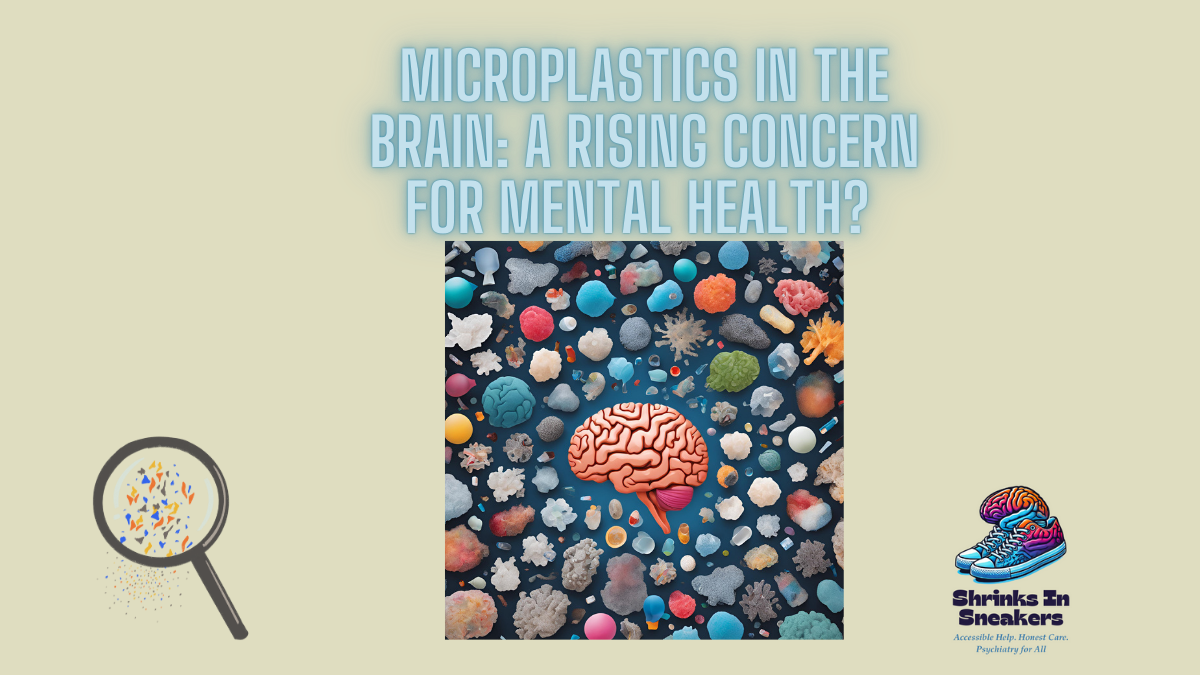
  • 🧠 Microplastics in the Brain: A Rising Concern for Mental Health? 🧠

    🧠 Microplastics in the Brain: A Rising Concern for Mental Health? 🧠

    New research reveals that microplastics and nanoplastics (MNPs) have been accumulating in the human brain at increasing levels from 2016 to 2024—and in higher concentrations than in other organs. 😳

    What does this mean for mental health? While the psychiatric implications are still being explored, potential concerns include:
    🔬 Neuroinflammation – A known factor in mood and cognitive disorders.
    🧩 Blood-brain barrier disruption – Could impact neurotransmission.
    ⚡ Oxidative stress & toxicity – Possible links to neurodegenerative and psychiatric conditions.

    🚨 Big picture: We need more research, but growing evidence suggests environmental factors like MNP exposure could play a role in brain health and psychiatric disorders.