Category: Commentary

Clinical reflections, cultural critique, and takes on the current state of mental health care.

  • Psychedelics Open the Door Then What?

    Psychedelics Open the Door Then What?

    Someone left a comment on my YouTube channel a while back: “He doesn’t know anything, he’s just a new graduate.” Fair enough. I should probably update my profile.

    For the record, I’ve been practicing psychiatry for five years post-residency now, and to put it mildly, I’ve seen a few things. I’ve sat across from patients fighting depression that won’t lift, PTSD that won’t quiet, bipolar illness that won’t stabilize, and the often-forgotten but equally devastating problem of simply trying to live a daily life. In the most complex cases, I struggle right alongside them. It takes a real toll on both sides of the therapeutic relationship. I didn’t enter medicine, and certainly not psychiatry, to helplessly watch people suffer.

    How I Got Hooked (No Pun Intended)

    I remember attending my first American Academy of Addiction Psychiatry annual meeting with my best friend, two excited second-year residents with a budding interest in addiction medicine. There were dozens of strong lectures that week, but one track lit me up: a series on psychedelic research, including data on mystical experience and the use of psilocybin in patients with terminal cancer.

    I was hooked. The work was compelling, novel, and almost completely absent from the standard residency curriculum. The literature has only grown since, building on a body of clinical research and on centuries of indigenous and traditional experience that came long before any of us showed up to a conference.

    Why the Psychedelic Conversation Matters Now

    People have told me my entire field is “pseudoscience at best.” I prefer to think of psychiatry as the most interpretive part of medicine, but everyone is entitled to an opinion.

    What most people across the spectrum do agree on is this: collective mental health is getting worse, and the current standard of care leaves a lot of people out in the cold. There is a large gap, and it is begging to be filled. Right now, renewed clinical and cultural interest in psychedelics is rushing in to fill it.

    Everything old is new again. Postwar America saw a similar wave in the 1960s, a counterculture pushing back against the status quo with these compounds in hand, and we blew it. We were reckless, the political backlash was severe, and the scientific window slammed shut for a generation. We have a chance now to do this differently: to do the actual science, to understand these medicines, and to deliver them safely. I have written extensively about that elsewhere, and I will continue to.

    This piece is about something else.

    What I’ve Actually Seen in the Room

    After five years of treating serious mental illness, treatment-resistant depression, and addiction, here is the unglamorous clinical truth I want anyone considering psychedelic therapy to hear:

    I have rarely seen lasting recovery come from medication alone.

    Not on SSRIs. Not on mood stabilizers. Not on stimulants. And, this is the part the hype train usually skips, not on psychedelics either.

    Medication can take the edge off. It can crack a window in a sealed room. But without a concerted effort to change how a person thinks, what they believe about themselves, and how they show up in their own life, relief is often partial and temporary. Old patterns reassert themselves with depressing reliability.

    Being well, actually well, not just less symptomatic, is a far more complex process than adding a molecule. Even when that molecule is a powerful psychedelic that can temporarily reroute the circuits that have run a patient’s life into the ground.

    The Onion and the Ego

    This is where ego dissolution comes in.

    Psychedelics, used well, can do something extraordinary. They can peel back the layers, the conditioning, the wounds, the social performance, the inherited beliefs – and offer a person something close to a blank canvas. The experience is often described as a multi-stage journey: a descent into the subconscious, a confrontation with personal shadow material, and an ascent toward integration. Anyone who has sat with patients in the days after a session knows that structure is not imaginary.

    But dissolving the ego is only half the work. Maybe less.

    There has to be a rebuilding. Otherwise, the process can end in chaos, disorientation, drift, or destabilization. For all the cultural and societal programming embedded in the ego, the ego also has a job. It organizes. It protects. It gives a person a sense of continuous self. You do not want it gone so much as loosened, examined, and put back together with more skill.

    A Spiritual Problem in a Secular Age

    Here is where I will say something that may cost me a few subscribers: for many patients, psychedelic experiences can feel like a return to something sacred, however they define it.

    Nietzsche famously wrote, “God is dead. God remains dead. And we have killed him.” That line is usually quoted as a takedown of religion. I read it more as a diagnosis. Religious authority is not what it used to be, fine, but the bigger problem is the void it left behind. Not a physical void. An existential one. And that is much harder to fill.

    A great deal of suffering in modern mental health is not only symptomatic. It is existential. It is about disconnection, meaning, identity, and the felt sense that nothing larger is holding the pieces together. This is where psychedelics, used carefully, may do something SSRIs cannot. The mystical experience, that sense of being part of something larger, more connected, less small, is precisely what many patients are starving for. It offers a temporary transcendence of the cages we live inside and a reminder that the ego’s account of who we are is not the whole story.

    The Limitation Nobody Wants to Talk About

    Here is the catch, and it is a big one.

    Psychedelics can show us the possibility of what we could be and how the world could feel. They do not teach us how to embody that possibility once we come back down.

    It is like buying the book that is supposed to change your life, finishing it, and realizing it handed you the concept but not the protocol. The map, not the legs.

    In my view, this will be one of the central questions of the psychedelic revolution in both medicine and culture: when we strip away the layers that make us who we think we are, what do we replace them with?

    Will the medicine alone be enough? I do not think so. For people to genuinely transcend rigid thought patterns and live differently, something larger has to shift: a societal opening toward the slow work of integration, lived community, meaning-making, and the willingness to pursue some form of inner life without being constantly dragged back by money, politics, and a version of the American dream that has metabolized into burnout for much of the country.

    Without some broader change in how we live, think, and treat each other, psychedelic therapy risks becoming a high-end coping mechanism. People will dose, briefly touch something profound, and then return to the same conditions that drove the depression in the first place. So they will dose again. And again.

    What the Old-Timers Knew

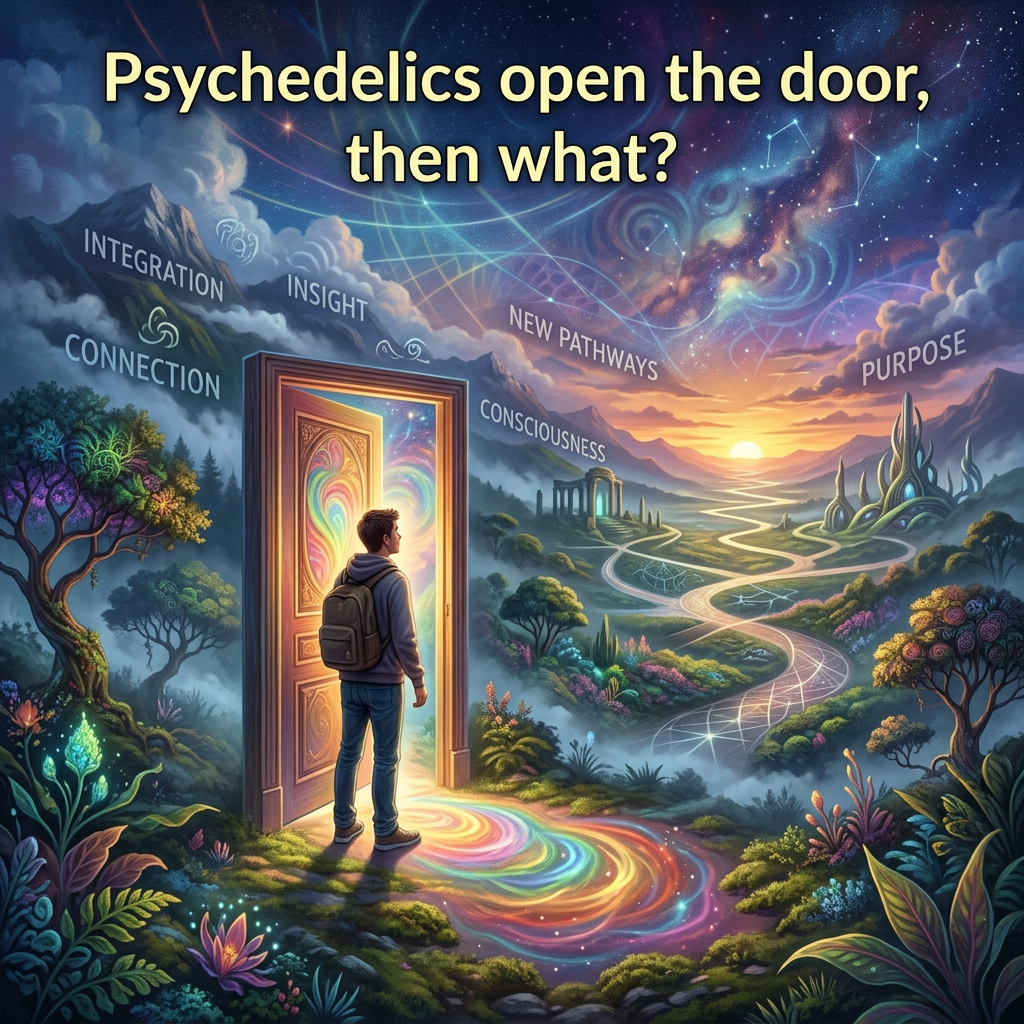
    This is both a beacon of hope and a cautionary tale, and not from me. From the people who walked this path long before psychiatry got around to studying it. The medicines open the door. They do not walk you through it.

    The deepest insight – the one many patients eventually report after the sessions, the integration, and the work – is almost embarrassingly simple: the beauty of everyday life and ordinary connection was already there. The medicine just got the ego out of the way long enough to let them see it.

    The work, your work, my work, our work, is figuring out how to keep seeing it once the medicine wears off.
  • 🧠 Blog Post: The Dark Mirror—How Screen Time Drains Our Mental Health

    🧠 Blog Post: The Dark Mirror—How Screen Time Drains Our Mental Health

    It’s no secret that screen time affects our mental health—but we still underestimate just how deeply it cuts.

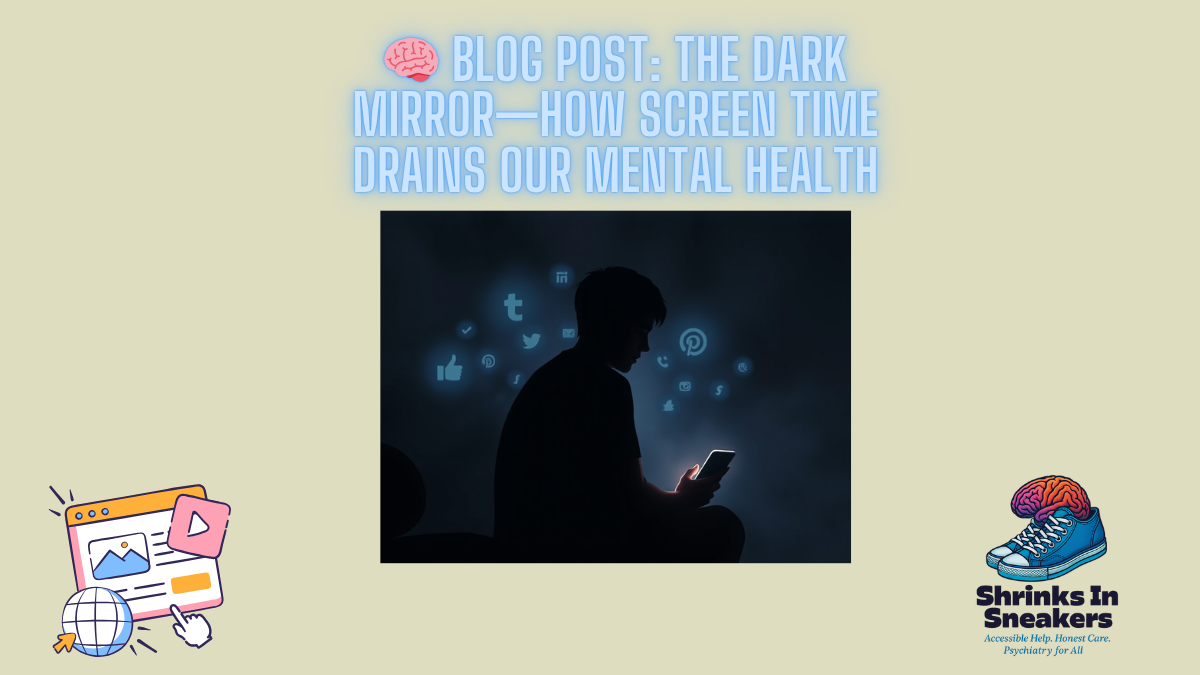
    As a psychiatrist, I find myself glued to my phone far more than I’d like. I’m not scrolling TikTok—I’m answering emails, responding to messages, and compulsively checking patient updates. Yet, even in this “productive” digital use, I feel drained. The compulsion to keep checking leaves me feeling hollow and anxious.

    Now imagine that same digital pull in the hands of a developing mind.

    A recent study in JAMA examined over 4285 adolescents and found a clear link: teens with high levels of addictive digital media use were significantly more likely to report depression, anxiety, and suicidal thoughts.

    The connection isn’t surprising. Much of what’s consumed online isn’t educational or uplifting—it’s filtered perfection, highlight reels, and influencer fantasy. The more time spent scrolling, the easier it is to feel like you’re falling behind in life, socially or emotionally.

    It’s telling that Steve Jobs famously limited his own children’s access to screens, despite pioneering the very technology we now feel chained to.

    This isn’t about demonizing devices—it’s about reclaiming our attention and protecting mental space, especially for young people.

    We need digital hygiene just like we need physical hygiene. That means:

    • Setting screen-time boundaries
    • Promoting offline connection
    • Reframing how we compare ourselves to curated content

    Mental health isn’t just shaped in the therapy room—it’s shaped by the world we scroll through every day.

  • Negative symptoms of schizophrenia remain one of the toughest challenges in treatment

    These symptoms often include:
    🔹 Decreased motivation (avolition)
    🔹 Blunted or flat affect
    🔹 Reduced emotional range
    🔹 Paucity of speech (alogia)

    Unlike positive symptoms, negative symptoms respond poorly to antipsychotic medications—even clozapine, our most effective agent for treatment-resistant illness, offers limited relief.

    These deficits are often chronic, functionally disabling, and deeply impact quality of life.

    Tackling negative symptoms will be the next frontier in improving long-term outcomes in schizophrenia. We need innovative approaches, novel mechanisms, and more research focused on this under-addressed domain.

  • Understanding Social Anxiety Disorder: Key Insights and Treatments

    Understanding Social Anxiety Disorder: Key Insights and Treatments

    What if your biggest fear was simply being seen?
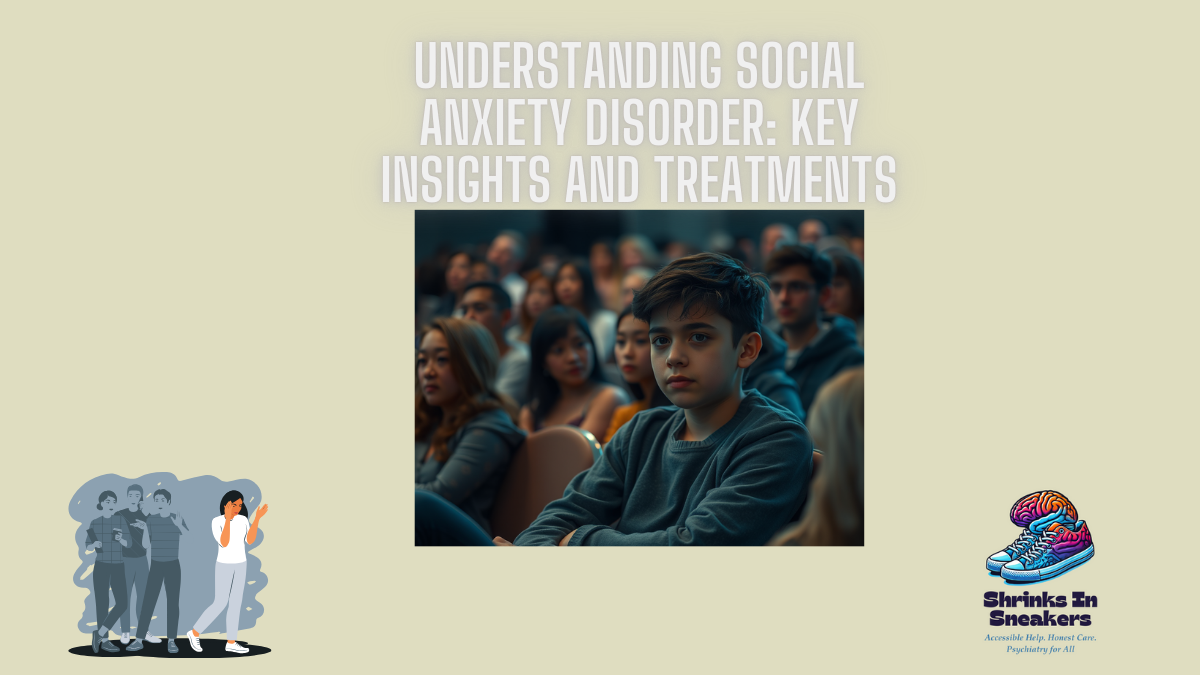
    For millions living with Social Anxiety Disorder (SAD), everyday interactions—like answering a question in class or speaking up at work—can feel terrifying. Despite being one of the most prevalent and impairing anxiety conditions, SAD remains widely under-recognized.

    📊 Up to 8.4% of people meet criteria for SAD in a given year, yet only 20–40% recover after 20 years without treatment (Ruscio et al., 2008). Median age of onset? Just 13 years old.

    👤 Case Vignette: When Fear Takes Over

    At 15, “Jenna” stopped raising her hand in class—not because she didn’t know the answers, but because she was terrified of being laughed at. By college, she avoided presentations, skipped networking events, and turned down internships. Her friends thought she was shy. One professor suggested depression. But underneath was a paralyzing fear of judgment: classic Social Anxiety Disorder.

    🤝 What Is Social Anxiety Disorder?

    SAD is more than introversion or shyness. It’s a persistent, intense fear of being judged, embarrassed, or negatively evaluated in social or performance situations. This fear leads to avoidance behaviors that impair social, academic, and occupational functioning.

    ⚠️ Why Is It So Often Missed?

    SAD is frequently overshadowed by overlapping symptoms seen in:

    • Major Depressive Disorder (social withdrawal, low self-esteem)
    • Generalized Anxiety Disorder (excessive worry)
    • Avoidant Personality Disorder (longstanding social inhibition)
    • Body Dysmorphic Disorder (fear of negative evaluation tied to appearance)

    Because of this diagnostic overlap, many individuals go undiagnosed—or misdiagnosed—for years.

    🧠 Clinical Considerations

    1. SAD Is Not “Just Shyness”

    Shyness is a personality trait; SAD is a clinical condition. The difference lies in impairment: SAD interferes with daily life, relationships, academic goals, and career opportunities.

    2. Early Onset, Long Course

    Most individuals report symptoms starting in early adolescence. Without intervention, SAD often persists into adulthood and increases the risk of depressionsubstance use, and functional disability.

    3. Functional Impairment Is Significant

    SAD can lead to:

    • Academic underachievement
    • Avoidance of job interviews or public speaking
    • Social isolation
    • Delayed life milestones (e.g., dating, career advancement)

    4. Evidence-Based Treatments Exist

    🧠 Cognitive Behavioral Therapy (CBT):

    • Gold-standard psychotherapy
    • Targets negative thought patterns and avoidance behaviors
    • Often includes exposure exercises to feared situations
    • Group CBT is especially effective for SAD

    💊 Pharmacologic Options:

    • First-line: SSRIs (e.g., sertraline, paroxetine)
    • SNRIs: Like venlafaxine, also effective
    • Beta-blockers: May help with performance-only SAD (e.g., public speaking)
    • BenzodiazepinesNot recommended due to dependence risks and avoidance reinforcement

    🔄 Combined Therapy

    Some individuals benefit most from CBT + medication, particularly those with moderate-to-severe or treatment-resistant symptoms.

    📣 Call to Action

    Too many individuals live in silence with Social Anxiety Disorder. If you or someone you know avoids social situations due to fear of judgment, don’t ignore it. SAD is real. It’s common. And—most importantly—it’s treatable.

    👉 Talk to a mental health professional
    👉 Share this post to raise awareness
    👉 Start the conversation

  • The Hidden Risks of Sports Betting: Alcohol and Gambling

    The Hidden Risks of Sports Betting: Alcohol and Gambling

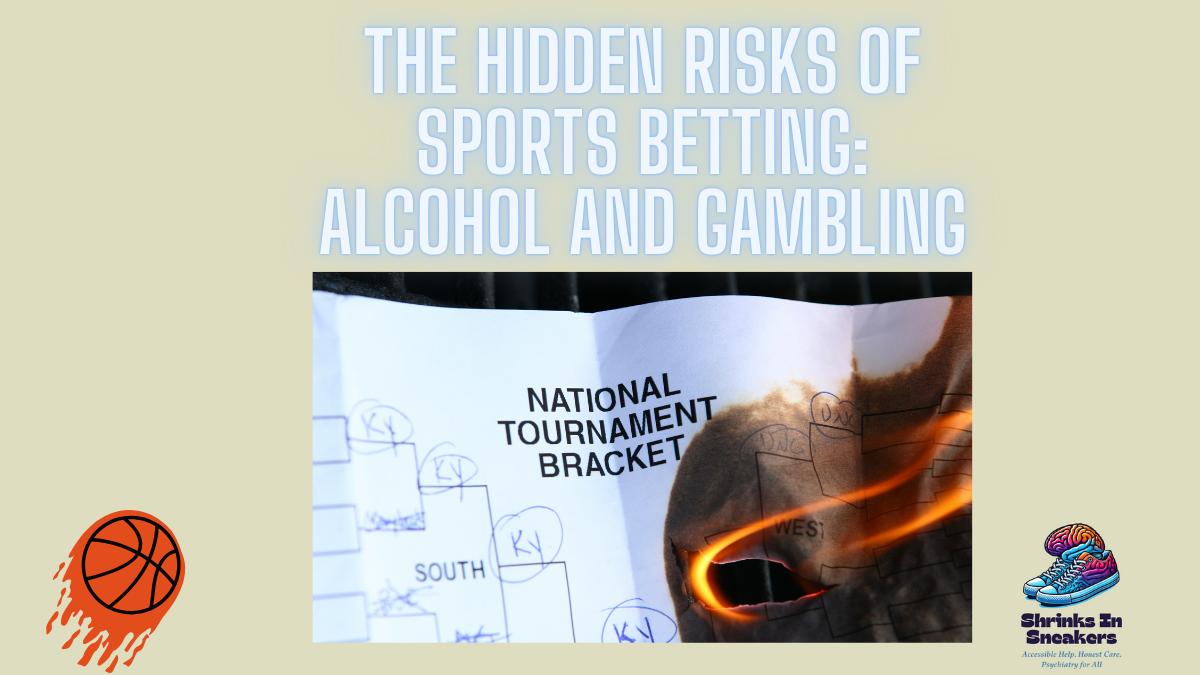
    In recent years, sports gambling has exploded in popularity, with mobile apps and online platforms making it easier than ever to place bets on everything from football to tennis. While sports betting can be an exciting pastime, research is beginning to reveal a concerning link: frequent sports gambling is positively correlated with alcohol-related problems over time.

    The Research Behind the Connection

    A recent survey study found that individuals who frequently engage in sports gambling are at a higher risk of developing alcohol-related problems. The study tracked gambling habits and alcohol consumption over time, revealing a strong correlation between increased betting frequency and worsening alcohol-related consequences.

    But why does this connection exist? Several factors could be at play:

    1. The Social Environment – Many sports gambling settings, such as bars, casinos, or watch parties, encourage alcohol consumption. Betting while drinking can lead to impaired decision-making and increased risk-taking.
    2. Impulse Control and Addiction – Both gambling and alcohol can activate the brain’s reward system, leading to compulsive behaviors. Someone prone to impulsive gambling may also struggle with moderating alcohol intake, and vice versa.
    3. Coping Mechanisms – For some, gambling and alcohol serve as escape mechanisms from stress, anxiety, or financial difficulties. Unfortunately, these behaviors can reinforce each other, creating a cycle that’s hard to break.

    Why This Matters

    With the rise of legalized sports betting, it’s crucial to understand the potential risks. Problem gambling and alcohol misuse can lead to financial hardship, strained relationships, mental health struggles, and long-term health consequences. Awareness is key to preventing these issues before they spiral out of control.

    Responsible Gambling and Drinking: What Can You Do?

    If you enjoy sports betting and drinking, consider these tips to keep things in check:

    ✅ Set Limits – Establish a gambling budget and a drinking limit before you start. Stick to them.

    ✅ Avoid Drinking While Betting – Alcohol impairs judgment, which can lead to reckless betting decisions.

    ✅ Recognize Warning Signs – If you find yourself gambling or drinking more than you intended, or if these habits are negatively affecting your life, it may be time to take a step back.

    ✅ Seek Support – If you or someone you know is struggling, reach out for help. Resources like gambling helplines and alcohol support groups can provide guidance and support.

    Final Thoughts

    Sports gambling and alcohol can both be enjoyed responsibly, but it’s important to be aware of their potential risks. As research continues to uncover the connection between these two behaviors, taking a mindful approach can help ensure they remain entertainment rather than a problem.

    What are your thoughts on this issue? Have you noticed a link between gambling and alcohol in your own experiences? Share your insights in the comments! ⬇️