Category: Psychopharmacology

Deep dives into psychiatric medications, prescribing practices, and pharmacological evidence.

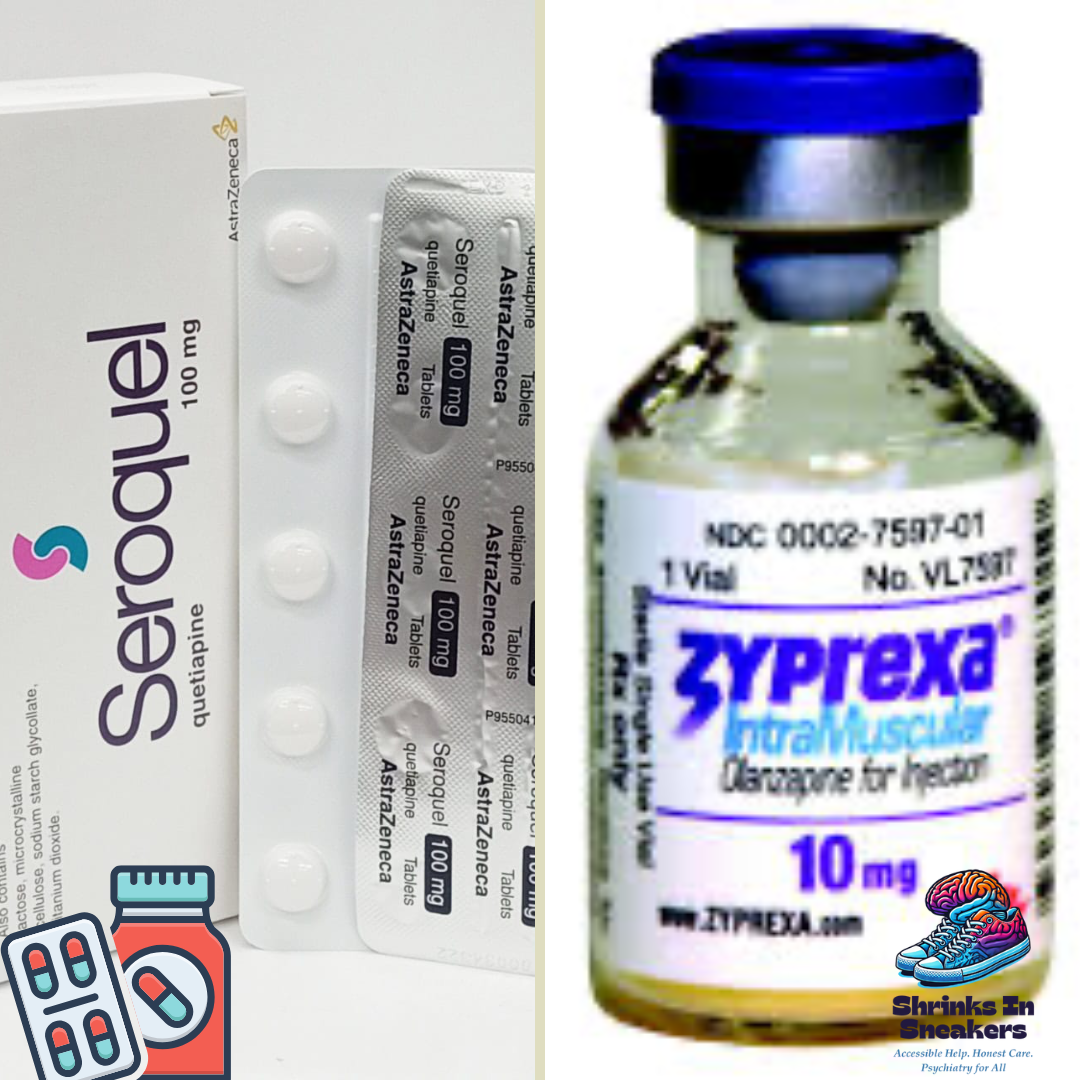
  • Olanzapine vs. Quetiapine for Stimulant Psychosis: Is One the Clear Winner?

    Olanzapine vs. Quetiapine for Stimulant Psychosis: Is One the Clear Winner?

    There is limited high-quality randomized controlled trial (RCT) evidence specifically comparing Zyprexa (olanzapine) or Seroquel (quetiapine) for the treatment of stimulant-induced psychosis (SIP), including cocaine-induced psychosis. However, some RCTs and observational studies provide useful insights:

    Olanzapine (Zyprexa)

    • RCT Evidence:
      • 2022 meta-analysis of antipsychotic treatments for stimulant-induced psychosis included olanzapine and found it to be effective in reducing positive psychotic symptoms, often comparable to haloperidol but with a better side effect profile (less extrapyramidal symptoms) 11.
      • double-blind RCT comparing olanzapine vs. haloperidol in methamphetamine-induced psychosisfound that both were effective at reducing PANSS (Positive and Negative Syndrome Scale) scores, but olanzapine was associated with better tolerability 22.
      • Another RCT in methamphetamine-induced psychosis compared olanzapine and risperidone, showing similar efficacy but better tolerability with olanzapine 33.

    Quetiapine (Seroquel)

    • RCT Evidence:
      • small RCT in methamphetamine-induced psychosis found that quetiapine was effective but tended to require higher doses to achieve symptom resolution 44.
      • retrospective study on cocaine-induced psychosis suggested that quetiapine may help reduce symptoms, but data is weaker compared to olanzapine or risperidone 55.
      • Quetiapine has also been studied as an option for reducing cocaine cravings, but results are mixed and it is generally less preferred for acute agitation compared to faster-acting options like olanzapine.

    Head-to-Head Comparison

    There is no direct RCT comparing olanzapine vs. quetiapine for stimulant-induced psychosis, but based on available data:

    • Olanzapine is generally preferred for acute agitation and psychosis because of its faster onset and greater D2 blockade.
    • Quetiapine may be useful in milder cases or for individuals needing sedation, but higher doses are often required.

    Clinical Implications

    • For acute stimulant-induced psychosisolanzapine (5–10 mg IM or PO) is a common first-line option due to rapid onset and favorable side effect profile.
    • Quetiapine (200–400 mg PO) can be considered, particularly for patients needing sedation or those with comorbid conditions like bipolar disorder.
    • Other antipsychotics with strong evidence include risperidone and haloperidol (though the latter has more extrapyramidal risk).

    After reviewing the available literature, direct randomized controlled trials (RCTs) comparing olanzapine (Zyprexa) and quetiapine (Seroquel) for stimulant-induced psychosis (SIP), including cocaine-induced psychosis, remain scarce. However, some studies provide relevant insights:

    Olanzapine (Zyprexa):

    • Efficacy: A randomized, double-blind trial compared olanzapine and haloperidol in patients with amphetamine-induced psychosis. Both medications effectively improved psychotic symptoms in the short term, with olanzapine showing a faster onset of action.

    Quetiapine (Seroquel):

    • Efficacy: A double-blind RCT compared haloperidol and quetiapine for methamphetamine-induced psychosis. While both medications reduced psychotic symptoms, quetiapine appeared to have a more favorable profile in reducing certain symptoms over time. 

    Indirect Comparisons:

    • First-Episode Psychosis: A 52-week randomized, double-blind study evaluated olanzapine, quetiapine, and risperidone in early psychosis patients. All three antipsychotics demonstrated comparable effectiveness, as indicated by similar rates of treatment discontinuation.

    Conclusion:

    While direct RCT evidence comparing olanzapine and quetiapine specifically for stimulant-induced psychosis is limited, existing studies suggest that both medications are effective in managing such conditions. Olanzapine may offer a faster onset of symptom relief, whereas quetiapine might present a more favorable side effect profileClinical decisions should be individualized, considering factors such as patient history, specific symptomatology, and potential side effects.

  • Managing Mild to Severe Depression: A Guide to Treatment Approaches

    Managing Mild to Severe Depression: A Guide to Treatment Approaches

    It is crucial to recognize that none of the available medications or neuromodulation procedures, including electroconvulsive therapy (ECT) and psychedelics, are disease-modifying. This means that while these treatments can alleviate symptoms, they do not address the underlying causes of depression. Think of them like acetaminophen for a fever—it may temporarily reduce the fever, but without treating the underlying infection, the fever will return.

    Neuromodulation refers to techniques that alter brain activity through electrical or magnetic stimulation. Examples include ECT, transcranial magnetic stimulation (TMS), and vagus nerve stimulation (VNS), all of which have been explored as treatments for severe depression.

    Optimizing Depression Treatment for Different Severity Levels

    Given this understanding, how can we best utilize these treatments to support patients during difficult times? The key is to acknowledge that medications and neuromodulation primarily serve as symptom management tools, most effectively used in the short term for severe cases.

    Mild to Moderate Depression: Prioritizing Non-Medication Approaches

    For individuals experiencing mild to moderate depression, medication should not be the first line of treFor individuals experiencing mild to moderate depression, medication should not be the first line of treatment. Many people can directly link their depressive symptoms to stressful life events. In such cases, the best initial approach includes:

    • Cognitive Behavioral Therapy (CBT) – Evidence-based therapy that helps reframe negative thinking patterns. Research has shown that CBT is as effective as antidepressants for mild to moderate depression, with relapse rates significantly reduced in those who complete therapy.
    • Lifestyle Modifications – Regular exercise and a healthy diet have strong evidence supporting their role in reducing depressive symptoms. A study published in JAMA Psychiatry found that individuals engaging in at least 150 minutes of moderate exercise per week had a 25% lower risk of developing depression.

    For some, these interventions alone may be sufficient to overcome depression and maintain long-term well-being. If additional support is needed, natural supplements with reasonable evidence, such as St. John’s Wort and S-Adenosylmethionine (SAMe), may be considered for mild to moderate depression. However, these supplements are not without risks—St. John’s Wort can interact with many medications, including antidepressants and birth control pills, potentially reducing their effectiveness. SAMe may cause gastrointestinal discomfort or manic symptoms in individuals with bipolar disorder.

    Severe Depression: When Medication and Neuromodulation Play a Role

    For individuals with severe depression, particularly those at risk for self-harm or suicide, the risks and benefits of medication should be carefully weighed. Antidepressants and neuromodulation therapies have demonstrated the most significant impact in these cases. When selecting a medication, I prioritize those with a lower risk of concerning side effects, particularly sexual dysfunction. My initial choices often include:

    • Bupropion – A dopamine-norepinephrine reuptake inhibitor with a favorable side effect profile.
    • Vortioxetine – Known for its cognitive benefits and relatively low sexual side effects.
    • Mirtazapine – Can be beneficial for those with sleep disturbances or appetite loss.
    • Vilazodone – A serotonin modulator with a lower incidence of sexual dysfunction compared to SSRIs.

    It is essential for patients starting antidepressants to be closely monitored, especially in the early weeks of treatment, to assess for side effects and response. Regular follow-ups with a healthcare provider can help adjust dosages or explore alternative treatments if needed.

    Treatment Duration and Discontinuation Considerations

    For those starting medication, I generally recommend continuing treatment for 6 to 12 months, followed by an assessment to determine whether tapering off is feasible. This process involves shared decision-making, considering:

    • Symptom severity and stability
    • Level of daily functioning
    • Patient’s goals and preferences

    The goal is to ensure that the patient has developed effective coping strategies, engaged in therapy, and adopted a healthy lifestyle before considering medication discontinuation. If stopping medication is not advisable, we work to identify the lowest effective dose for long-term maintenance.

    Final Thoughts

    Depression treatment should be personalized and dynamic, evolving with the patient’s needs. By recognizing that medications and neuromodulation are tools for symptom management rather than cures, we can ensure they are used effectively—providing relief during crises while prioritizing long-term strategies for resilience and recovery.

  • Challenges of Antidepressant Management in Primary Care

    Challenges of Antidepressant Management in Primary Care

    Discussions about the potential overprescribing of antidepressants must begin with an understanding of who is doing most of the prescribing. In the U.S., primary care physicians (PCPs) write the majority of antidepressant prescriptions, with estimates suggesting that 60–80% originate from primary care rather than psychiatry (Mojtabai & Olfson, 2011; Mark et al., 2014). This prescribing pattern reflects broader trends in mental health treatment, where primary care has become the frontline for managing depression and other mood disorders.

    Several factors contribute to this dynamic:

    • Limited access to psychiatrists: Many patients, especially in rural or underserved areas, face long wait times or geographic barriers to seeing a psychiatrist.
    • Overlap with medical conditions: PCPs frequently manage conditions like chronic pain, insomnia, and fatigue, for which antidepressants may be considered as part of the treatment plan.
    • Continuity of care: Patients often have longstanding relationships with their primary care providers, making them more comfortable discussing mood symptoms in this setting.
    • Psychiatric referral limitations: Many psychiatrists focus on complex or treatment-resistant cases, meaning initial treatment often falls under primary care.

    Challenges and Considerations

    While primary care plays a crucial role in mental health treatment, concerns exist regarding the effectiveness of antidepressant management in this setting:

    • Suboptimal dosing and medication selection: Studies suggest that antidepressants prescribed in primary care settings may be dosed too low or not adequately adjusted, potentially leading to partial response or treatment failure (Carrasco & Sandner, 2005). Additionally, there is a higher likelihood of using older antidepressants, which may have a less favorable side effect profile.
    • Lack of therapy integration: Guidelines recommend a combination of medication and psychotherapy for moderate-to-severe depression (APA, 2010), yet PCPs may have limited time, training, or referral resources to ensure therapy is included.
    • Potential misdiagnosis: Depressive symptoms can overlap with other psychiatric and medical conditions, leading to misdiagnosis or inappropriate treatment. For example, bipolar disorder is often misdiagnosed as major depressive disorder in primary care, which can result in inadequate treatment and risk of mood destabilization (Hirschfeld et al., 2003).

    Addressing These Challenges

    Several strategies can improve antidepressant management within primary care settings:

    • Collaborative care models: Studies show that integrating mental health professionals within primary care teams leads to improved outcomes, including higher remission rates and better adherence (Archer et al., 2012).
    • Standardized screening and follow-up: Implementing tools like the PHQ-9 for monitoring depression severity can help guide treatment decisions and ensure timely adjustments.
    • Education and decision support: Providing PCPs with continuing education on psychiatric prescribing and decision-support tools can enhance treatment precision.
    • Improved access to therapy: Expanding tele-therapy options and embedding behavioral health providers in primary care clinics can help bridge the gap between medication and psychotherapy.

    Conclusion

    Given the high volume of antidepressant prescriptions originating from primary care, ensuring optimal management is critical to improving patient outcomes. Strengthening collaboration between PCPs and mental health specialists, enhancing diagnostic accuracy, and integrating therapy referrals can help address current limitations.

    Call to Action: If you are a healthcare professional involved in prescribing antidepressants, what strategies have you found effective in improving patient outcomes? Share your insights and experiences below.