Tag: Addiction Medicine

  • Drug Overdose: The Epidemic Stealing Parents from Their Children

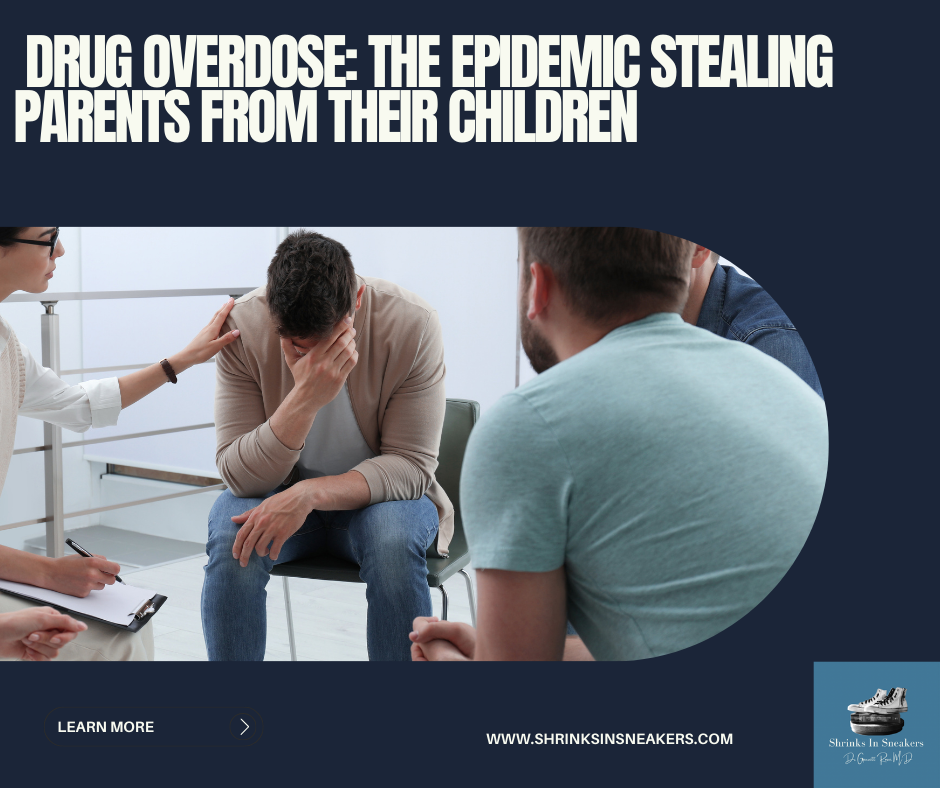
    Drug Overdose: The Epidemic Stealing Parents from Their Children

    After a few years of treating patients with opioid use disorder, it becomes painfully clear how much addiction affects not just the individual but their entire family. I’m always particularly concerned when a parent with severe opioid use disorder comes in for treatment, especially if they have one or more children. We know that relapse is common, and each instance of relapse carries the risk of death due to the potency of modern opioids.

    A recent study explored the heartbreaking question of how many children have lost a parent to an overdose. The findings are staggering: from 2011 to 2021, over 320,000 children lost a parent to an overdose. This loss significantly increases the economic, social, educational, and health burdens on these children, perpetuating a cycle of harm that could affect them for the rest of their lives.

  • Suboxone or Subutex Which is Better for Your Baby?

    Suboxone or Subutex Which is Better for Your Baby?

    I remember being a resident and having the same question about buprenorphine versus the buprenorphine and naloxone combination. Now, we have a clearer answer. The big question was whether prenatal exposure to the combination of buprenorphine and naloxone, compared to buprenorphine alone, increases the risk of adverse neonatal and maternal outcomes. I was always advised by my mentors to use buprenorphine alone in pregnant patients, as it was considered safer, with concerns that naloxone might pose a risk.

    However, an article published in JAMA Psychiatry puts this debate to rest. The study compared perinatal outcomes following prenatal exposure to buprenorphine alone versus the buprenorphine and naloxone combination. The researchers evaluated the risk of congenital malformations, low birth weight, neonatal abstinence syndrome (NAS), neonatal intensive care unit (NICU) admission, preterm birth, and adjusted for confounding factors.

    The findings revealed that when buprenorphine combined with naloxone was compared to buprenorphine alone, there was a lower risk of NAS, NICU admission, and being small for gestational age. The other outcome measures were similar for both groups. These results indicate that the risk is comparable, and in some cases, there are more favorable neonatal and maternal outcomes for pregnancies exposed to the buprenorphine and naloxone combination.

    I can now confidently tell my former mentors that buprenorphine combined with naloxone during pregnancy appears to be a safe and effective treatment option for mothers with opioid use disorder.

    Article Link: https://jamanetwork.com/journals/jama/article-abstract/2822178#:~:text=When%20comparing%20buprenorphine%20combined%20with,30.6%25%20vs%2034.9%25%3B%20weighted

  • FDA Approves the first nalmefene auto-injector for Opioid Overdose

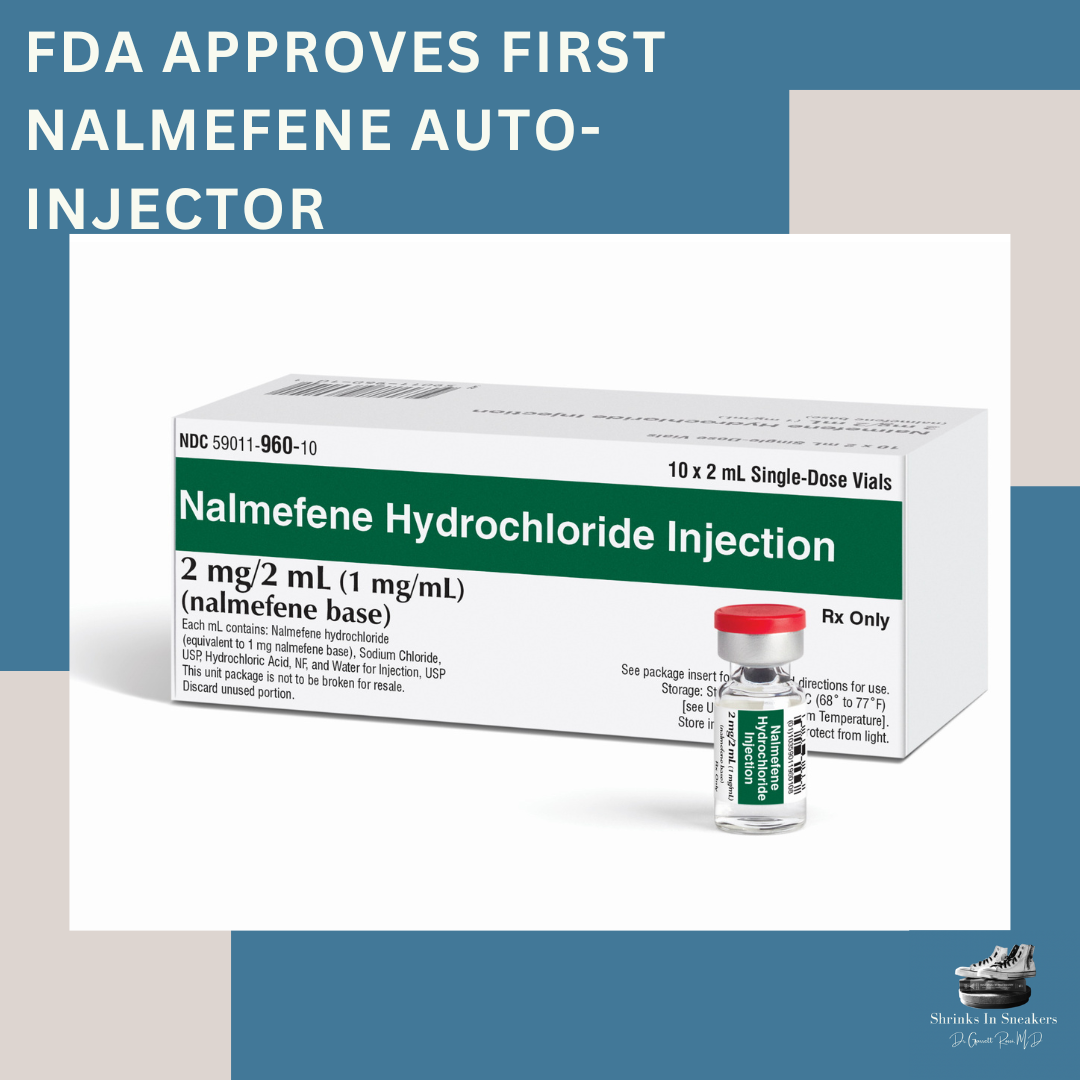
    FDA Approves the first nalmefene auto-injector for Opioid Overdose

    The FDA has just approved the first nalmefene auto-injector, a significant development in the fight against opioid overdoses. Nalmefene is an opioid antagonist, like naloxone, but with a longer duration of action. This new auto-injector is designed for easy use by non-medical personnel, making it accessible in emergency situations where time is critical.

    The approval of this device reflects the ongoing need for effective tools to combat the opioid overdose, providing another layer of protection for individuals at risk of overdose. With its extended action, the nalmefene auto-injector offers a prolonged response compared to existing naloxone, especially in situations where multiple doses of naloxone might be required.

    This innovation will play a crucial role in reducing overdose fatalities, offering hope to communities impacted by the opioid epidemic. As it becomes available, it is expected to be a vital addition to public health strategies aimed at saving lives.

  • The Dangers of Marijuana Use While Driving

    The Dangers of Marijuana Use While Driving

    I recently had an opportunity to review an article for The Carlat Addiction Psychiatry Report on the topic of cannabis use and driving. I wanted to further evaluate the risk of cannabis use while operating a motor vehicle.

    Driving under the influence of any substance, including marijuana, poses significant risks to the driver, passengers, and others on the road. Despite its increasing legalization and acceptance for both medicinal and recreational use, marijuana remains a potent drug with effects that can impair driving abilities.

    Marijuana use and driving don’t mix:

    Impairment of Motor Skills and Reaction Time

    Slowed Reaction Time: Marijuana affects the central nervous system, leading to slower reflexes and reaction times. This delay can be crucial in driving situations that require quick decision-making, such as avoiding sudden obstacles or responding to traffic signals.

    Impaired Motor Coordination: THC, the active ingredient in marijuana, can impair fine motor skills and coordination. This makes tasks such as steering, braking, and maintaining lane position more challenging.

    Cognitive Impairments

    Altered Perception of Time and Distance: Marijuana use can distort a driver’s perception of time and distance, making it difficult to judge speed and the proximity of other vehicles or pedestrians.

    Difficulty Concentrating: Staying focused on the road becomes harder under the influence of marijuana. Distractions can increase, and the ability to track multiple moving objects is diminished.

    Increased Risk of Accidents

    • Higher Accident Rates: Studies have shown that drivers who use marijuana are more likely to be involved in motor vehicle accidents compared to sober drivers. The risk is particularly high within the first few hours after consumption.
    • Combining Substances: The dangers are amplified when marijuana is used in combination with other substances, such as alcohol. The combined effects can drastically increase the likelihood of a crash.

    Legal and Social Consequences

    DUI Charges: Driving under the influence of marijuana is illegal and can result in DUI charges, fines, license suspension, and even imprisonment.

    Insurance Implications: Being involved in an accident while under the influence can lead to increased insurance premiums or denial of coverage.

    Personal and Public Safety

    • Endangering Lives: Driving under the influence of marijuana not only endangers the driver’s life but also the lives of passengers, pedestrians, and other road users.
    • Public Health Impact: The broader societal impact includes the strain on emergency services, healthcare systems, and the economic costs associated with accidents and injuries.

    Conclusion

    The bottom line is clear: marijuana use and driving do not mix. The impairments caused by marijuana significantly increase the risk of accidents and the potential for harm. Responsible use of marijuana means understanding its effects and making informed decisions to ensure personal and public safety. If you’ve used marijuana, it’s crucial to wait until its effects have fully worn off before getting behind the wheel.

  • Ketamine for Alcohol Use Disorder

    Ketamine for Alcohol Use Disorder

    In a previous post we discussed the details of Esketamine and the important things patients need to know about the medication. In this post I will discuss the experimental treatment for problematic drinking that involves a single infusion of ketamine. Now I know what you might be thinking. Here we go again, psychiatrists using a medication with potential for addiction on patients already struggling with addiction. It seems like we are just substituting on drug for another drug. Before we get too excited let’s look at the evidence. 

    The study looked at 90 heavy drinkers, which all had a score greater than 8 on the Alcohol Use Disorder Identification Test but did not have a formal diagnosis of alcohol use disorder. Bottom line, the people in the study were drinking a lot but were not diagnosed with a use disorder. 

    The study participants received a single dose of intravenous (IV) ketamine along with cognitive behavioral therapy (CBT) that focused on “maladaptive reward memories” (MRMs). The idea behind the combination of ketamine and CBT is that it works to reboot the brains reward pathway which has been overrun by excessive drinking. The ketamine infusion sets the stage for the CBT and allows the patient to relearn new more adaptive associations in relation to alcohol. In the study the combination of ketamine and CBT resulted in a 50% reduction in weekly alcohol consumption at 9 months. 

    We know the reward system in the brain in suspectable to alterations and disordered function in the presence of substance use. Environmental triggers become associated with drug use, and these associations can be difficult to change. It’s essential to interrupt these reward memories and learn new healthy associations to prevent relapse. This is where the single ketamine infusion comes in. A promising method to break these associations is by interrupting the process of memory reconsolidation. These memories rely on N-methyl D-aspartate receptors (NMDAR) and ketamine acts as an antagonist (blocker) of these receptors. Theoretically ketamine should weaken the memories and make it easier to form new associations. Once the brain is susceptible to forming new associations the patient would be forming new associations with the help of the CBT protocol. Thus, the two therapies work in combination with each other. The ketamine acts as a primer setting the stage for new learning and the CBT helps to form new health associations.

    My Take

    I actually have some experience with the use of a single ketamine infusion in opioid use disorder along with transcranial magnetic stimulation, and a mindfulness-based CBT protocol. The concept was essential the same, just applied to opioid use disorder. I think treatments like this have potential. Clearly more studies are required before this treatment is available to larger patient populations. Alcohol remains a major cause of morbidity and mortality worldwide. We are looking for treatments that work and are going to enhance the lives of our patients. Time and more research will tell what impact this treatment has on addiction medicine, but it remains an exciting new approach. 

  • Choose Your Words Wisely: How We Talk About Addiction Matters

    Choose Your Words Wisely: How We Talk About Addiction Matters

    An important discussion we need to have is about the impact of language on stigma in addiction treatment. Language is powerful and labels are sometimes lifelong sentences. As physicians we can choose the language we use when talking with patients and about patients. How can we start to reduce this stigma by replacing harmful language?

    1. Replace the words drug addictdrug abuser, with words like patient with opioid use disorder 
    2. Replace Opioid abuse or dependence with opioid use disorder
    3. Replace problem with disease or illness 
    4. Replace dirty urine with positive or negative urine test 
    5. Replace Relapse with return to use
    6. Replace being clean with remission
    7. Replace Medication assisted therapy with opioid agonist treatment or medication for opioid use disorder

    Language is powerful and can influence the perception of addiction and treatment. There have been several advocacy campaigns to change the way we talk about addiction. Friendly reminder to choose your words carefully, it may make a significant difference in peoples lives. 

  • Oregon First to Legalize Psilocybin for Mental Health Treatment

    Oregon First to Legalize Psilocybin for Mental Health Treatment

    On Tuesday Oregon became the first state to legalize the psychedelic prodrug found in magic mushrooms. Measure 109 will give legal access to psilocybin for mental health treatment in supervised settings. 

    Having followed the research on psilocybin at Center for Psychedelic & Consciousness Research, I am aware of the growing body of research on this topic. Most of the results presented seem to indicate significant benefit with limited side effects. The research I reviewed involves the use of psilocybin for the treatment of substance use disorder. However, I am aware of positive results in the treatment of post-traumatic stress disorder and to enhance the effects of psychotherapy. I am a believer that we need to look at all potential options for the treatment of psychiatric disorders. We know that our current medications only solve some of the problem’s patients are facing. Chronic disorders like substance use and depression remain major clinical challenges. 

    As a psychiatrist I’m conflicted about the decision to start offering this treatment even in supervised settings. Like Cannabis, we are only in the beginning stages of studying these drugs as medication. As a physician you remain a scientist first, and as a scientist you want to give the research time to develop. In the United States cannabis remains federally illegal (schedule I). This means funding for research is difficult to obtain. The same is true for psilocybin. We need increased ability to study these drugs as medications and determine the true risks and benefits. There are many anecdotal accounts of the benefits of both these drugs, but I do not believe this is enough to potentially risk your health on. 

    I believe research will elicit positive benefits for both cannabis and psilocybin. However, I urge caution when considering these options as potential treatment for mental health disorders. 

  • Introduction to Mindfulness

    Introduction to Mindfulness

    Mindfulness never struck me as something I could see myself doing on a regular basis. For many years, I viewed the practice as something for “enlightened people” with no practical application for the average person. As the years went on and the research continued to pile up in the literature, I decided to try it out. 

    There are two basic ideas to keep in mind during meditation practice. We are not aware of how our body is feeling, and we are not aware of the constant stream of thoughts occurring all day long. By bringing attention to these two things we can begin to take control of our bodies and our minds.

    The process is very simple and can be performed from most locations. Ideally you want a quiet place where you will be undisturbed for 10-15 minutes. I personally like the 10-minute mediation session, and it works well if you have a busy schedule. 

    To begin the process, find a chair, preferably one you can sit upright in with your feet on the floor and back straight. I like to rest my hands on my legs.

    I begin the process with my eyes open, and a few deep breaths in through the nose and out through the mouth. On the 5th breath I close my eyes. I return to my normal rate and rhythm of breathing in through the nose and back out through the nose. 

    Next I begin the process of performing a body scan. I like to start at the head and work my way down to the toes, noting any discomfort or tension. I will also take note of areas on the body the fell relaxed and tension free. This should take 1-2 minutes. 

    If at any point thoughts pop into your head, it’s fine let them come but most importantly let them go. Do not dwell on any one particular thought, just allow them pass. 

    The next step is a series of breathing exercise I learned several years ago. Start with 10 breaths in through the nose and out through the mouth, counting each one. Then perform 10 breaths in through the nose and out through the nose, again counting each one as you go. Finally, take a breath in through the nose, hold it for 5 seconds, and release it slowly through the mouth to a count of 4. This sequence of breathing exercises should be performed two times for a total of 60 breaths. This will take approximately 5-7 minutes. 

    For the final 1-2 minutes do not count or breath in any particular manner just allow the mind the space to think about anything it wants to. After a minute or two bring the focus back to the body, feel the feet on the floor, and arms on you lap. Open your eyes slowly, and sit for a minute to think about what you are grateful for before starting your day. It’s an excellent way to practice some gratitude. 

    The more you practice this technique the easier it will be for you. As the days go on you will experience more control over both your body and your mind. 

  • Chronic Inflammation And Depression

    Processed with VSCO with kp1 preset

    Introduction:

    Inflammation is the body’s natural response to infection or injury. It’s an important response in the acute setting but chronic inflammation can contribute to the development of diseases such as heart disease and even depression. Most psychiatrists now recognize that inflammation plays a role in depressive disorders, although it’s not an inflammatory disease. Much of the research on inflammation and depression is ongoing and will develop over time. 

    Risk Factors for Inflammation

    ·         Childhood trauma

    ·         High stress levels (work, school)

    ·         Depression that is resistant to treatment

    ·         Severe anxiety

    ·         Obesity BMI> 30

    ·         Medical illness

    ·         Recent injury or surgery

    What are some nonpharmacological things we can do to reduce inflammation and thus the risk of disease?

    Complementary and alternative therapies

    Lifestyle: Exercise, Healthy diet, Mindfulness practice, CBT all have anti-inflammatory effects.

    N-acetylcysteine studies with 2000 mg/day improved anxiety and depressive symptoms

    L-methyl folate: L-methyl folate 15 mg/day as augmentation to antidepressants

    Omega-3: 1000 mg/day of omega-3 fatty acids with DHA to EPA ratio > 60% improved depressive symptoms

  • Addiction 101: Making the Diagnosis

    Addiction 101: Making the Diagnosis

    Chances are high that you know someone with an addictive disorder. This article provides information on how we diagnose addictive disorders and the symptoms included in substance use disorder diagnoses.

    Diagnosing addictive disorders is based on the Diagnostic and Statistical Manual of Mental Disorders aka DSM, which is currently on version 5. The DSM is considered the Bible of psychiatry (be on the look-out for a forthcoming article on the storied history of the DSM, it’s more dramatic than you might think). First, let’s address which substance use disorders are currently included in the DSM.

    1. Alcohol

    Self-explanatory. Beer, wine, liquor, hand sanitizer (yup, I’ve seen it).

    2. Caffeine

    That’s right, caffeine use disorder is a psychiatric diagnosis. It’s a substance that produces psychological and physiological effects in the body and is frequently overlooked. This includes coffee, tea, diet coke, monster energy drinks, and the list continues. Some over the counter supplements contain caffeine such as popular pre-workout drinks. It’s a sneaky chemical and found in many foods and beverages.

    3. Cannabis aka marijuana

    Consumed in various ways. Comes from the various parts of the cannabis sativa or cannabis Indica plant. There is a frequent misconception that “marijuana isn’t addictive.” While marijuana doesn’t typically have a withdrawal syndrome, it most certainly is included in the list of substances that may result in substance use disorders.

     4. Hallucinogens

    Hallucinogens are divided into classic and dissociative hallucinogens. The classic category includes drugs like LSD, psilocybin (magic mushrooms), peyote, and DMT (ayahuasca.) Examples of dissociative hallucinogens include PCP, ketamine, dextromethorphan (found in cough syrup), and salvia. They can be used in a variety of ways and generally alter awareness and perception.

    5. Inhalants

    Okay so this is a really random category because it may include so many things. Basically, anything that can be inhaled and shouldn’t be. Spray paint, gasoline, whipped cream bottles, cleaning spray, lighters. If it is a substance that gets inhaled, it falls in this category.

    6. Opioids

    Makes the news all the time due to the high risk of overdose death. Includes drugs like Percocet, OxyContin, heroin, and fentanyl. May be taken by mouth, snorted, or injected. The respiratory arrest caused by these drugs is reversed by a drug called Narcan or naloxone, which is administered via injection or nasal spray.  

    7. Sedatives/Hypnotics/Anxiolytics

    This category encompasses CNS depressants including the ever-popular benzodiazepines (such as Xanax and Valium). Also includes sleeping medications such as Ambien as well as some old school medications like phenobarbital. (Fun fact: butalbital, a barbiturate related to phenobarbital, is one of the ingredients in a prescription headache medicine Fioricet, in combination with Tylenol and our friend caffeine.)

    8. Stimulants

    Most famous drug of abuse stimulant first: cocaine. My favorite song about cocaine is White Lines by Grandmaster Flash and the Furious Five. Give it a listen. White Lines on YouTube. Methamphetamine (crystal meth) is probably the second most well-known stimulant, sensationalized by the popular show Breaking Bad. Other drugs of abuse in this category include medications for ADHD such as Adderall.

    9. Tobacco

    Cigarettes, dip, vaping. Perhaps the deadliest of the drugs of abuse. According to the American Academy of Addiction Psychiatry, tobacco use disorder is the most common substance use disorder and affects 60-80% of smokers. (Reference) This drug has been directly linked to a number of cancers, stroke, blood clots, heart disease, and lung disease and causes a tremendous burden to public health.

    10. Other

    Catch-all for any other drugs that meet criteria for a substance use disorder. Continually evolving.

    Bonus: Gambling

    Gambling is the only behavioral addiction currently included in the DSM although internet gaming and hypersexual disorders are under investigation. 

    Diagnosing

    Next – how are these disorders diagnosed? Contrary to what you may think, quantity of drug consumed and frequency of use aren’t included in the diagnostic criteria. The mandatory component to diagnosing a substance use disorder is that the drug use leads to significant impairment or distress. If there is no impairment in life functioning or distress, there is no substance use disorder, regardless of whether the behavior upsets others.

    In addition to functional impairment, there are eleven criteria that comprise the diasnosis of substance use disorder. Two are needed to make a diagnosis. The criteria are divided into four categories: (i) impaired control, (ii) social impairment, (iii) risky use, and (iv) pharmacological criteria. The diagnoses are further classified into mild (2-3 symptoms), moderate (4-5 symptoms), or severe (6-11 symptoms). The symptoms must have occurred during a twelve month period. Below you’ll find examples of each criteria for alcohol use disorder.

    1. Using more substance than intended or using over a longer period of time than intended.

    Example: Planning to have a glass of wine and then drinking the whole bottle.

    2. Using substances in hazardous situations.

    Example: drunk driving

    3. Continued use despite interpersonal problems.

    Example: arguing with spouse while drunk, arguing about drinking too much

    4. Tolerance

    Example: Needing six drinks to feel buzzed when it used to take three.

    5. Withdrawal

    Example: Getting tremors, or “the shakes” when abstaining from alcohol.

    6. Continued use despite problems at work, school, or home.

    Example: getting suspended from school for showing up drunk

    7. Unsuccessful efforts to cut down on substance use 

    Example: Decided not to drink this weekend, but by Friday night, purchased a case of beer

    8. Lots of time spent obtaining, using, or recovering from the substance.

    Example: Teenager spends the entire day on a Friday finding someone to buy alcohol for the weekend and then all day Monday in bed with a hangover.

    9. Important activities given up due to substance use.

    Example: Stopped going to the gym because of either being drunk or hungover most of the time.

    10. Continued use despite physiological or psychological problems caused or worsened by the substance.

    Example: Drinking despite having elevated liver function tests indicating liver damage.

    11. Craving.

    Example: The strong desire for a drink. If you haven’t had a craving before, it’s difficult to explain. It can occupy your entire brain and thoughts.

    This has been a fairly dense post, but hopefully it clarifies how substance use disorders are diagnosed. In the future, this foundational knowledge will provide a framework for current event topics related to addictive disorders.

    Addictive disorders are of particular interest to Shrinks in Sneakers! If there are any specific topics you would like to hear about, please reach out and we will work on something.