It’s always valuable to challenge our own assumptions, especially in areas as complex as mental health treatment. A secondary analysis of a randomized controlled trial, recently published in JAMA Psychiatry, explored the role of treatment expectancies in the efficacy of psilocybin versus escitalopram for depression.
I’ve often argued that blinding these studies is challenging, and participants are likely to have higher expectations for psychedelics like psilocybin. However, this analysis provides a nuanced perspective.
While participants did report higher expectations for psilocybin’s effectiveness compared to escitalopram, expectancy only seemed to impact outcomes in the escitalopram group. A stronger belief in escitalopram’s efficacy correlated with better results for those receiving it. In contrast, expectancy didn’t significantly influence psilocybin’s effectiveness.
Another intriguing finding: individuals with higher pre-treatment suggestibility showed more significant therapeutic responses to psilocybin—a pattern not observed in the escitalopram group.
Although this is a secondary analysis and not the final word on the topic, it raises fascinating questions. Could psilocybin’s therapeutic mechanisms be less reliant on patient expectations than traditional antidepressants?
For now, this remains an open question, but I’ll be closely following future research as it unfolds.
Gepirone may have flown under the radar for many of us. I’ll admit, it didn’t generate much excitement on my end. However, it recently crossed a significant milestone: FDA approval as an antidepressant. But let’s not overlook its rocky path to getting there—a journey marked by hurdles and setbacks.
The road to FDA approval for gepirone was anything but smooth. Its initial development began decades ago, but the approval process faced repeated delays and rejections. Questions about efficacy and study designs kept it in limbo for years. What ultimately got it across the finish line was a re-analysis of data demonstrating robust effects in specific populations, particularly those with significant depressive symptoms. This serves as a reminder that persistence and rigorous data reassessment can change the trajectory for medications once thought to have limited potential.
Now that gepirone is finally available, the big question is: should we care? If so, where does it fit into our treatment algorithms for adult depression?
With a mechanism targeting the serotonin 1A receptor as a partial agonist, gepirone offers a unique profile compared to SSRIs, SNRIs, and other standard antidepressants. Its anxiolytic effects may make it particularly appealing for patients with co-occurring anxiety. However, like any medication, it isn’t without its downsides.
Potential side effects include nausea, dizziness, fatigue, and headache. These are generally mild, but it’s important to monitor for tolerability in sensitive patients. Gepirone also carries warnings about potential interactions with other serotonergic agents, raising the risk of serotonin syndrome. While this risk isn’t unique to gepirone, it’s a critical point to keep in mind when integrating it into a treatment plan.
So, where does gepirone fit? Will it serve as a first-line option for certain patients, or will it find a niche role for those with specific tolerability issues or suboptimal responses to other antidepressants?
I’d love to hear your thoughts. Is gepirone a tool worth adding to our arsenal, or just another option that might not shift the needle much in clinical practice?
Obsessive-Compulsive Disorder (OCD) is often treated with selective serotonin reuptake inhibitors (SSRIs) and cognitive-behavioral therapy (CBT). Despite these interventions, many patients experience only partial relief. This has led researchers to explore augmentation strategies, including the addition of ondansetron, a serotonin 5-HT3 receptor antagonist.
Mechanism of Action
5-HT3 antagonism: Ondansetron modulates serotonin in a different way compared to SSRIs. Preclinical studies suggest it may reduce compulsive behaviors by altering serotoninergic and dopaminergic activity in brain regions implicated in OCD, such as the orbitofrontal cortex and basal ganglia.
Results: Significant improvement in Yale-Brown Obsessive-Compulsive Scale (Y-BOCS) scores with ondansetron by week 8.
Conclusion: Ondansetron was well-tolerated and effective as an adjunctive treatment.
Haghighi et al. (2013):
Design: Similar double-blind RCT with 60 patients on fluvoxamine (100–200 mg/day).
Results: Patients receiving ondansetron (4 mg/day) showed greater reductions in Y-BOCS scores than those on placebo.
Conclusion: Ondansetron enhanced the anti-obsessional effects of SSRIs.
Meta-Analysis (Emerging Data):
While limited RCTs exist, early analyses highlight ondansetron’s promise, particularly in SSRI partial responders.
Practical Considerations
Dosage: Typically 4 mg/day in studies.
Tolerability: Generally well-tolerated, with mild side effects like headache and dizziness reported in trials.
Population: Evidence supports its use in patients with partial response to SSRIs.
Current Limitations
Sample Sizes: Studies to date have small cohorts, limiting generalizability.
Duration: Most trials span 8–12 weeks, leaving long-term efficacy unclear.
Mechanistic Data: While promising, the precise mechanisms remain speculative.
Clinical Takeaway
Ondansetron appears to be a safe and potentially effective augmentation strategy for patients with OCD who have not achieved full remission on SSRIs alone. While more robust data are needed, its unique mechanism and tolerability make it an intriguing option in treatment-resistant cases.
The olanzapine fluoxetine combination was FDA approved in 2003 for the treatment of depressive episodes in bipolar I disorder. In 2009 it was granted approval for treatment resistant depression.
This medication consists of the atypical dopamine blocking medication olanzapine and the SSRI fluoxetine. Many people consider olanzapine to be the best antipsychotic not named clozapine (see my video on the best antipsychotic in the world). This comes from the CATIE study where olanzapine proved to be superior to other medications. It has good efficacy, once daily dosing at night, and low risk for cardiac conduction abnormalities (QTc prolongation). However, the side effects including risk for weight gain and metabolic complications have made it a second line option.
My residents often jump to this medication on the inpatient unit, but I usually tell them to use caution because of the side effects and should it not be effective, it leaves you with clozapine as the next option in terms of effectiveness.
Fluoxetine is an antidepressant that has been around a long time with a broad spectrum of indications. It’s long track record and safety profile makes it a go to antidepressant in both the adult and child adolescent populations. Its main disadvantage is drug interactions.
Dosing
People often think you can make this medication by simply combining olanzapine and fluoxetine and do not believe you need to use the brand name combination pills. I would use some caution with that approach.
When we look at the doses in the combination pill, they are ones that are difficult to make with the current available dosages. For example, olanzapine comes in 2.5 mg, 5 mg, 7.5 mg, 10 mg, 15 mg, and finally 20 mg doses.
The fixed-combination capsule (olanzapine/fluoxetine) comes in 3/25 mg, 6/25 mg, 12/25 mg, 6/50 mg, 12/50 mg. The studies leading to approval of this medication were conducted using these doses in a fixed combination. It’s not clear that dosing each individually is effective.
How to Start the Medication
For bipolar depression the olanzapine fluoxetine combination should be started at 6/25 mg dosed at bedtime. With a target dose of 6-12/25-50 mg depending on clinical response.
Labs prior to starting the medication:
You should have a baseline weight, waist circumference, blood pressure, fasting glucose and lipid profile prior to starting the medication
Cost
The combination pill is more expensive than either medication alone. According to Good Rx The 6/25 mg capsule is $140-$150 per month. This is compared to olanzapine 5 mg which costs $9.00 and fluoxetine 20 mg which costs $4.00
Side Effects
Olanzapine: Most common is somnolence (dose related), dry mouth (dose related), constipation (anticholinergic), weight gain (up to 40% incidence and 10-30 lbs. of weight gain is common), increased appetite, EPS (dose related).
Fluoxetine: Nausea, diarrhea, nervousness, abnormal dreams, weight loss, sweating, tremor, sexual side effects, rash, and headaches. Rare increased risk for bleeding when combined with NSAIDs and hyponatremia in the elderly due to SIADH.
Mechanism of action
Olanzapine: Dopamine D-2 and 5-HT2A antagonist that is metabolized by CYP1A2 and CYP2D6
Fluoxetine: serotonin reuptake inhibitor that is metabolized by CYP2D6 and is an inhibitor of CYP 2C9/2C19 and 2D6 with a half-life of 4-6 days and 9 days for the metabolite norfluoxetine
The half-life is important here because what happens when someone stops taking the medication? The olanzapine has a much shorter half-life and will be cleared from the body more rapidly leaving the person exposed to fluoxetine without a mood stabilizing element possibly inducing mania or worsening mood symptoms. This is something to be mindful of when using this combination.
Studies Showing Efficacy
The studies that resulted in FDA approval for bipolar depression in 2003 were short, 8 weeks in duration. A total of 833 patients with bipolar I depression received either olanzapine alone, olanzapine fluoxetine combination (OFC), or placebo. Patients on OFC and olanzapine alone showed a significant reduction in depressive symptoms compared to placebo as early as the end of week 1 of treatment. By the end of 4 weeks the OFC participants saw significantly more improvement than placebo or olanzapine alone. The superiority continued over the final 4 weeks of the study. By the end 24.5% of patients on placebo met remission criteria, 32.8% of the olanzapine only group achieved remission, and 48.8% of the OFC group achieved remission.
For the 2009 approval of OFC in treatment resistant depression, it was based off two eight-week double blind placebo-controlled studies using doses of 6 to 18 mg for olanzapine and 25 to 50 mg for fluoxetine. 40% of patients receiving the OFC responded to therapy Vs 30% and 26% receiving fluoxetine or olanzapine monotherapy. The starting dose was 6/25 mg and could be titrated to 18/75 mg as tolerated.
The article “Intended and Unintended Outcomes After FDA Pediatric Antidepressant Warnings: A Systematic Review” examines the effects of the FDA’s 2003-2004 black box warning on antidepressants regarding the risk of increased suicidal thoughts and behaviors in children and adolescents.
Intended Outcome:
The FDA issued the warning to ensure greater awareness of potential risks, encouraging careful monitoring of pediatric patients taking antidepressants.
The goal was to reduce suicidal behaviors potentially linked to antidepressant use in younger populations.
Unintended Outcomes:
The warning led to a significant drop in antidepressant prescriptions for children and adolescents.
There was a corresponding increase in untreated depression, which may have led to higher rates of suicide attempts and worsening mental health outcomes in some cases.
Reduced prescriptions were associated with a decrease in diagnosis and treatment of mood disorders in pediatric populations.
The warning inadvertently caused confusion among healthcare providers and parents, often resulting in delays in seeking treatment for depression or anxiety.
Post-Warning Trends:
Follow-up research found no consistent evidence that the use of antidepressants in pediatric patients increases the risk of completed suicides.
The decline in antidepressant use and increase in suicidal behaviors during the period following the warning suggest unintended negative consequences of the FDA’s decision.
Conclusions:
While the warning achieved its goal of raising awareness about the risks of antidepressants in children, it also resulted in under-treatment of depression, potentially exacerbating mental health challenges.
The article calls for balanced decision-making in pediatric antidepressant use, emphasizing the need for risk-benefit assessments and careful monitoring rather than outright avoidance of antidepressants.
The FDA’s black box warning led to a reduction in antidepressant use but also to increased untreated mental illness, highlighting the complexities of addressing medication risks in vulnerable populations.
The FDA’s black box warning on antidepressants highlights an increased risk of suicidal thoughts and behaviors, particularly in children, adolescents, and young adults during the early stages of treatment. However, while this warning raised concerns, it’s essential to understand its context:
The Risk: Antidepressants, especially SSRIs, can cause agitation or mood swings during the first few weeks of use, which may increase the risk of suicidal ideation. But studies have shown that untreated depression carries a far greater risk of suicide.
Impact on Treatment: Initially, the warning led to a reduction in prescriptions, especially for younger populations. However, there is now growing recognition that avoiding treatment for depression and anxiety can lead to worsened outcomes, including a higher risk of suicide.
Guidance: The black box warning does not mean antidepressants are dangerous for everyone. It is a reminder that careful monitoring during the first few weeks of treatment is essential. Psychotherapy combined with medication remains the most effective treatment for many.
The takeaway: Antidepressants save lives, but starting treatment should always involve open communication between the patient and healthcare provider to manage risks and monitor progress closely.
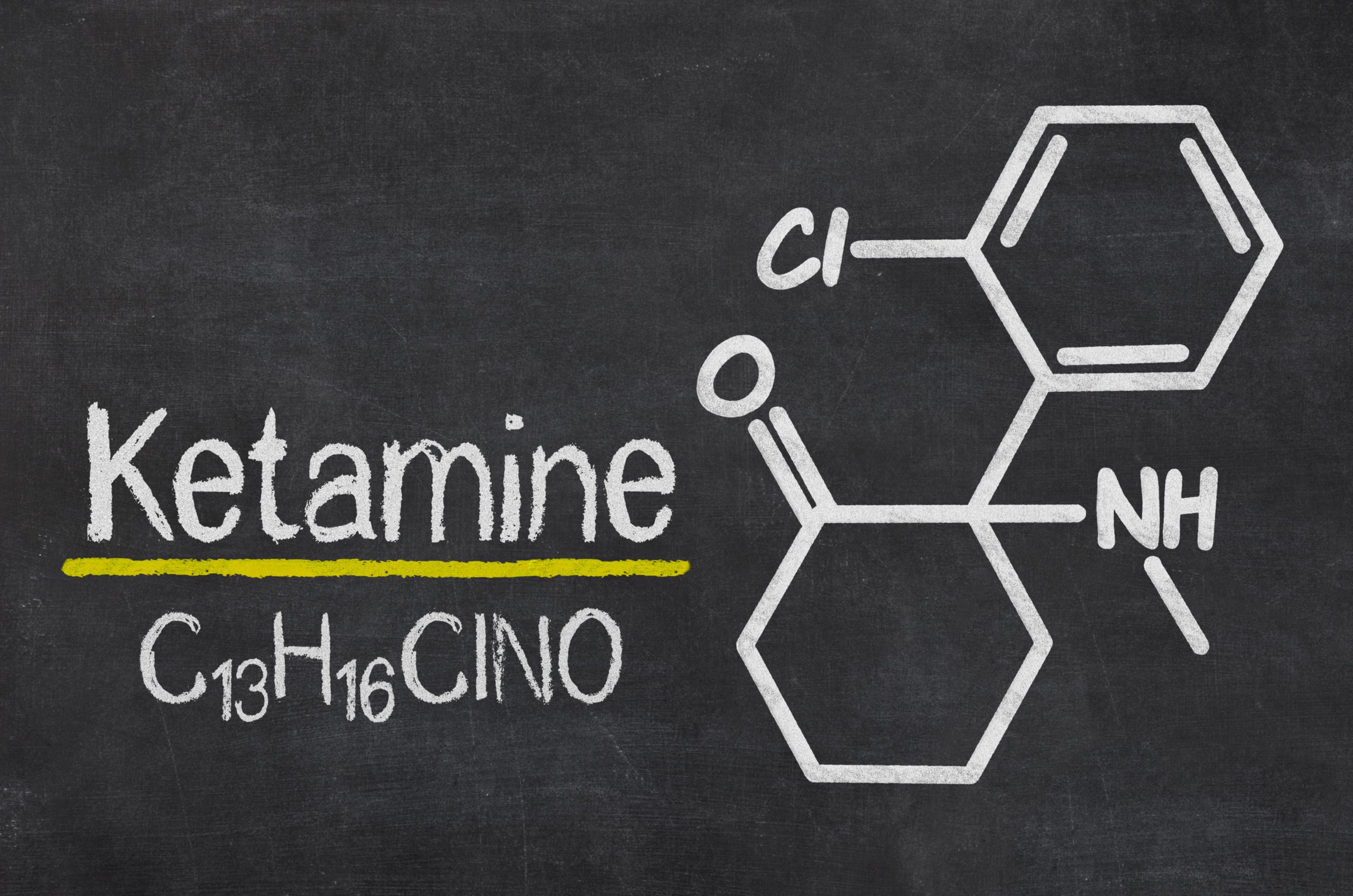
It’s crucial to understand that ketamine is not a cure for depression. Many individuals experience a relapse, often within 2 to 4 weeks after finishing the initial treatment. If you’re expecting ketamine to fully resolve your depression, this could lead to disappointment and potentially harmful consequences.
These sensational headlines about near-death experiences coming off antidepressants are becoming far too common. While we must be cautious with prescribing, it’s equally important not to dissuade people from trying medications that could help them.
Yes, some patients experience withdrawal symptoms if medications are stopped abruptly without proper tapering. But many patients do not, and I’ve seen countless cases where people discontinue their antidepressants without any issues. Some may require prolonged tapers, while others can taper off much faster than alarmist articles would suggest.
It’s crucial to remember that while discontinuation can be uncomfortable, it’s rarely life-threatening. We do need to be mindful of how long we prescribe these medications, given they manage symptoms but don’t modify the underlying disease, and the long-term benefits are still debated.
Guidelines for deprescribing are helpful, but dramatic headlines about “nearly dying” when coming off these medications are not only inaccurate but harmful to those who could benefit from treatment. Let’s promote balanced, evidence-based discussion on this topic, focusing on proper discontinuation without sensationalizing the risks.
Rising Antidepressant Overdoses: A Growing Concern in the U.S.
Recent data reveals that antidepressant overdoses in the U.S. have been steadily increasing from 1999 through 2022. According to a CDC report released last month, there were 5,863 overdose deaths attributed to antidepressants in 2022—numbers comparable to heroin-related fatalities, which claimed 5,871 lives. While these figures represent a small fraction of the over 100,000 overdose deaths that year—most of which involved fentanyl—they signal a troubling trend that demands attention.
Potential Causes for the Rise in Antidepressant Overdoses
Understanding the root causes of this increase is challenging, given the complexity of overdose data and the lack of detail on the exact substances involved. However, there are several factors worth considering.
First, many individuals with opioid use disorder (OUD) also suffer from co-occurring mental health conditions like depression and bipolar disorder. These patients are often prescribed antidepressants, sometimes too liberally, in my experience working in community mental health. When opioids are mixed with antidepressants, opioids are often the primary cause of death in overdoses. Yet, I’ve also encountered numerous patients who have attempted suicide using antidepressants alone.
Newer antidepressants are generally safer in overdose compared to older drugs, such as monoamine oxidase inhibitors (MAOIs) and tricyclic antidepressants (TCAs). While these older medications tend to be more effective, they come with significantly higher risks in overdose situations. This is something I frequently emphasize to residents: older drugs are more dangerous, but the newer ones, though safer, can still have serious consequences.
Chronic pain patients, who are often prescribed opioids, are another vulnerable group. Their risk of suicide is heightened by the constant pain they endure, and many of these individuals are also prescribed antidepressants like duloxetine, which is indicated for pain management, or more dangerous TCAs such as amitriptyline and nortriptyline. Additionally, gabapentin—another drug commonly prescribed to these patients—has been known to increase the risk of death when taken with opioids.
Overprescription of Antidepressants: A Contributing Factor?
There has also been a sharp rise in antidepressant prescriptions across the U.S., which I believe warrants scrutiny. Antidepressants are, at best, symptom management tools, with a modest effect size of 0.33 in many studies. Given these limited benefits, we should be more judicious about who we prescribe these medications to and for how long.
Withdrawal symptoms from long-term—and sometimes even short-term—use of antidepressants can be severe, increasing the risk of suicide. I’ve personally seen this with a family member who experienced debilitating headaches and vertigo after stopping sertraline. She was unable to work or function for nearly two weeks, highlighting how challenging withdrawal can be for some patients.
Balancing Risks and Benefits in Mental Health Treatment
Any population for whom antidepressants are considered a treatment option is inherently at high risk for suicide. That said, there are many confounding factors in the overdose data, and mainstream mental health reporting often glosses over the nuances of psychiatric research and treatment. When prescribing medications, it’s crucial to weigh not only the pros and cons of the drugs themselves but also to tailor treatment to each individual’s unique needs.
I continue to prescribe antidepressants to patients whom I’ve carefully evaluated and believe will benefit, even if only in the short term. However, I am transparent with them: antidepressants are unlikely to resolve deeper psychological conflicts or “problems of living.” Mental health is rarely black and white, and much of this uncertainty stems from our incomplete understanding of the brain.
In short, we need to acknowledge the complexity behind the rise in antidepressant overdoses and respond with a more nuanced, patient-centered approach to prescribing these medications.
In mixed depression the individual is often irritable, and elevated. They have depressed mood with at least 3 manic symptoms but do not meet the full criteria for bipolar disorder. Here I avoid the antidepressant medications and chose to focus on two medications with evidence for their efficacy. I like lurasidone and aripiprazole here, and sometimes I consider ziprasidone as well.