Tag: anxiety help

  • Breaking the Anxiety Barrier: LSD a Game-Changer for GAD?

    Breaking the Anxiety Barrier: LSD a Game-Changer for GAD?

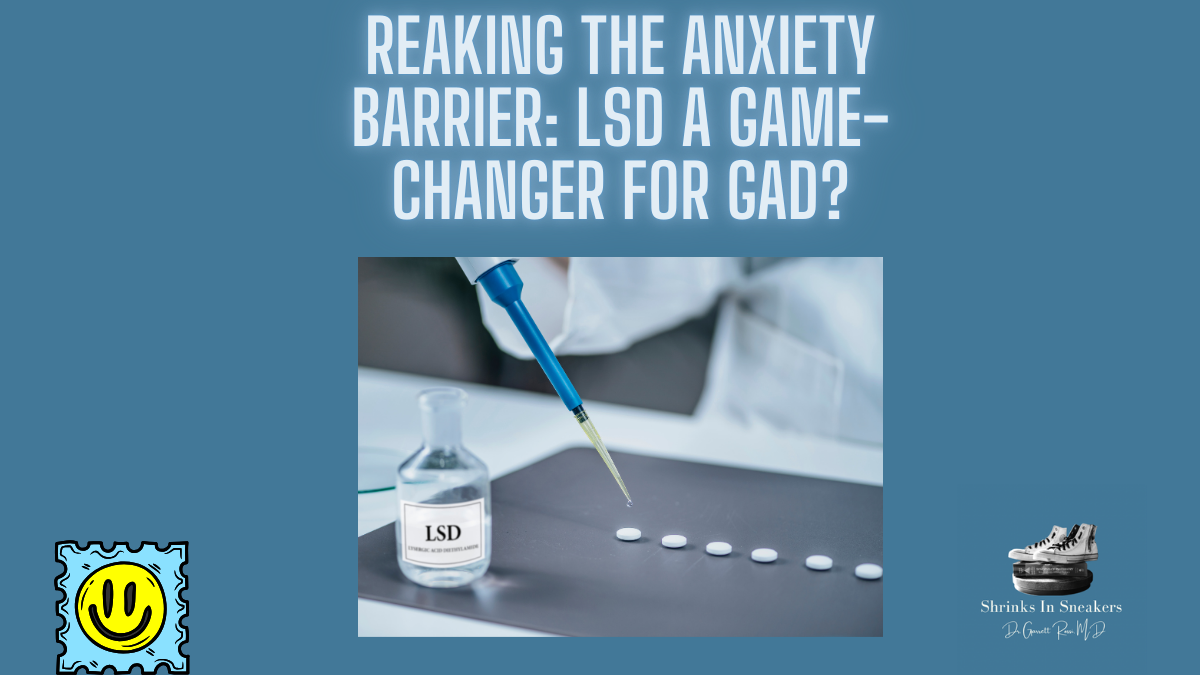
    Should LSD be considered a treatment for generalized anxiety disorder (GAD)? The results from MindMed’s Phase 2b study suggest it just might be. While this is only one study, and the FDA’s cautious stance on psychedelic-based treatments like MDMA raises questions about future approval, the findings are worth exploring. So, let’s dive in.

    GAD is a fascinating and somewhat controversial diagnosis. Notably, the study excluded participants with major depressive disorder, a condition frequently comorbid with GAD, which raises interesting questions about the choice to isolate GAD. Some in the psychiatric field even challenge the validity of GAD as a distinct psychiatric disease, arguing it reflects broader distress rather than a discrete disorder.

    Psychedelics like LSD are surging to the forefront of psychiatric research, largely because the field is starved for innovation. Decades of research and sophisticated drug development have yielded limited breakthroughs in understanding or treating psychiatric conditions. Meanwhile, society often clings to the hope that complex human behavior and mental health challenges can be reduced to something as simple as a pill you take every 12 weeks. The appeal of psychedelics lies in their potential to disrupt this paradigm—but can they deliver?

    Key Findings:

    1. Dose-Dependent Response:
      • Patients receiving a higher dose (200 µg) of MM-120 showed rapid and sustained improvements in anxiety symptoms.
      • The reduction in anxiety symptoms was statistically significant compared to the placebo group.
    2. Speed of Onset:
      • Improvements were observed as early as two weeks post-dosing, suggesting a rapid therapeutic effect.
    3. Duration of Effect:
      • The anxiety-reducing effects lasted up to 12 weeks following a single administration, indicating long-lasting benefits.
    4. Safety Profile:
      • The treatment was generally well-tolerated, with mild to moderate adverse effects such as headache, nausea, and transient emotional changes. There were no reports of severe adverse events related to the study drug.
    5. Mechanistic Insights:
      • MM-120 appears to modulate serotonin 5-HT2A receptors, leading to enhanced neuroplasticity and emotional processing, which may underlie the observed clinical improvements.

    I’m always interested in the study population and if the researchers selected a group of patients with prior psychedelic use. Here is what I found 

    Participant Screening and Inclusion:

    1. Prior Psychedelic Use:
      • Some participants may have had previous experiences with psychedelics (e.g., LSD, psilocybin, MDMA), as long as such use did not interfere with the integrity of the study (e.g., recent or habitual use, which might influence tolerance or expectations).
      • Individuals with significant past psychedelic use might be excluded to minimize potential biases in response to the trial drug.
    2. Psychedelic-Naïve Participants:
      • The trial likely included a substantial proportion of participants who were psychedelic-naïve, meaning they had never used substances like LSD or psilocybin before.
      • This approach helps ensure that the observed therapeutic effects can be attributed to MM-120 rather than prior familiarity or psychological preparation for psychedelic experiences.

    Why Prior Use Matters:

    • Expectation Bias:
      • Participants with past psychedelic experiences may anticipate certain effects, influencing subjective outcomes like anxiety reduction.
    • Safety and Tolerability:
      • Previous exposure to psychedelics might affect how participants tolerate or respond to the treatment.
    • Generalizability:
      • Including both psychedelic-naïve and experienced individuals helps make the findings applicable to a broader population.

    Implications:

    This study suggests that psychedelic-assisted therapy, especially with compounds like MM-120, has significant potential as a novel treatment for GAD, offering rapid and durable relief after just one dose. These findings pave the way for further research and larger-scale trials.
  • Breaking the Benzodiazepine Cycle: Why Long-Term Use Isn’t the Answer to Anxiety

    Breaking the Benzodiazepine Cycle: Why Long-Term Use Isn’t the Answer to Anxiety

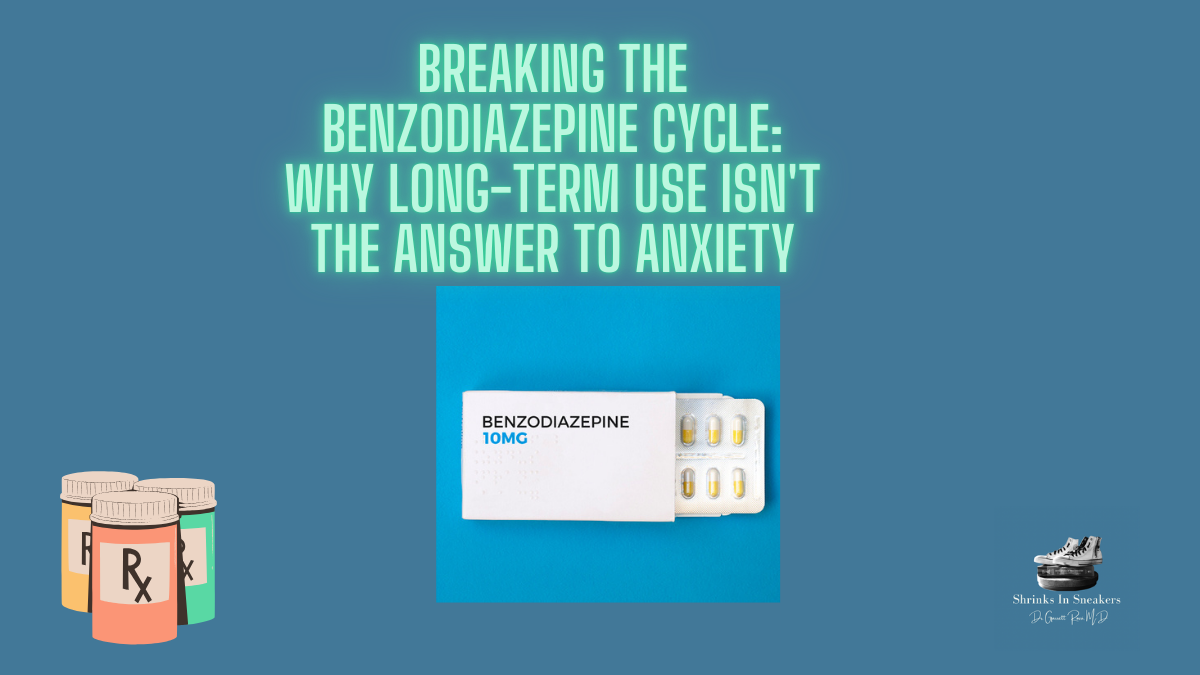
    It never ceases to astonish me when I encounter a young patient who has been prescribed 2 mg of alprazolam daily for years under the guise of treating an “anxiety disorder.” The situation becomes even more concerning when they’re simultaneously taking 30 mg of Adderall. Discussing the risks of long-term benzodiazepine use or proposing an evidence-based tapering plan over 6–12 months often elicits a defensive or negative reaction. However, I make it a point to emphasize that my approach is rooted in evidence and science, which do not support the long-term use of benzodiazepines for anxiety disorders. As clinicians, we have a responsibility to address this widespread prescribing practice, educate patients about the associated risks, and prioritize safer, evidence-based treatments.

    RCT Evidence

    1. Duration of Trials:
      • Most RCTs investigating BZDs in anxiety disorders are short-term, typically lasting 4–12 weeks. Very few extend beyond 6 months, leading to a scarcity of long-term controlled data.
    2. Efficacy:
      • BZDs, such as diazepam, alprazolam, and clonazepam, are effective in the short term for managing anxiety symptoms in generalized anxiety disorder (GAD), panic disorder (PD), and social anxiety disorder (SAD).
      • Studies often show comparable short-term efficacy between BZDs and SSRIs or SNRIs, though BZDs act faster.
    3. Tapering and Relapse:
      • Long-term RCTs involving tapering strategies suggest that discontinuation often leads to relapse of anxiety symptoms, which can complicate the interpretation of their role in maintaining anxiety control versus masking symptoms.
      • Some studies (e.g., long-term diazepam use in GAD) found sustained symptom relief in individuals maintained on the medication compared to those tapered off, but these are limited and subject to biases such as withdrawal effects.
    4. Combination with Other Treatments:
      • Some RCTs have explored BZDs as adjunctive therapy, particularly during the initiation of antidepressants, to mitigate early anxiety exacerbation. Long-term data, however, are sparse, and most combination studies focus on the acute phase.

    Concerns with Long-Term Use:

    1. Tolerance and Dependence:
      • Long-term BZD use is associated with tolerance (requiring higher doses for the same effect) and dependence, with withdrawal symptoms often mimicking anxiety.
      • This complicates distinguishing between anxiety relapse and withdrawal during tapering in long-term trials.
    2. Cognitive Effects:
      • Chronic BZD use is linked to potential cognitive impairment, particularly in attention and memory, which may persist even after discontinuation.
    3. Risk of Misuse:
      • Prolonged use carries a risk of misuse, particularly in populations with comorbid substance use disorders.
    4. Lack of Evidence-Based Guidelines:
      • While short-term efficacy is well-documented, there is insufficient RCT evidence to strongly support long-term BZD use as a monotherapy for anxiety disorders.

    Clinical Implications:

    • Indications for Long-Term Use:
      • Long-term use may be justified in select patients, such as those who fail other treatments, have contraindications to antidepressants, or require intermittent use for episodic anxiety (e.g., situational SAD).
    • Guidelines and Best Practices:
      • Professional guidelines typically recommend using BZDs as a short-term bridge or for situational anxietywhile prioritizing SSRIs, SNRIs, or CBT for long-term management.
      • If BZDs are used long-term, clinicians should aim for the lowest effective dose, regularly reassess the risk-benefit ratio, and educate patients about dependence.
  • Trapped in My Own Mind: This Anxiety is Killing Me

    Trapped in My Own Mind: This Anxiety is Killing Me

    Anxiety is a very real and powerful force that can take a toll on both your mind and body. In today’s fast-paced world, it’s easy to feel trapped in an anxiety prison, with stressors constantly surrounding us. The weight of it all can be overwhelming, leaving you exhausted mentally and physically. Remember, you’re not alone in this struggle. Take moments for self-care, reach out for support, and know that breaking free from anxiety’s grip is possible. Small steps can lead to big changes.

  • When Anxiety Turns to Anger: A Hidden Struggle

    When Anxiety Turns to Anger: A Hidden Struggle

    Anxiety manifests in many ways, and one of the most dangerous is when it turns into anger. Imagine living on edge all day—from the moment you wake up until you finally get home. The constant tension builds as you’re stuck in traffic, stressed at work, and juggling a million thoughts. By the time you walk in the door, your emotional reserves are empty. A simple spilled drink can set you off, leading to an outburst your partner doesn’t understand. It seems small, but the anxiety has been simmering all day, and that moment was its breaking point.

    How can we prevent ourselves from reaching this boiling point?

    Here are some practical tips to stop anxiety in its tracks:

    Grounding Techniques

    • 5-4-3-2-1 Exercise: Focus on 5 things you can see, 4 you can touch, 3 you can hear, 2 you can smell, and 1 you can taste. Bring your mind back to the present moment.
    • Use Your Senses: Engage with something textured, calming sounds, or soothing scents like lavender.

     Deep Breathing

    • Box Breathing: Inhale for 4 seconds, hold for 4, exhale for 4, pause for 4. Repeat until you feel more grounded.
    • Diaphragmatic Breathing: Breathe deeply into your diaphragm to activate relaxation.

    Mindfulness and Meditation

    • Focus on the Now: Anxiety often pulls us into future worries. Mindfulness can help center you in the present.
    • Body Scan: Consciously relax your muscles, releasing any tension.

    Positive Self-Talk

    • Challenge anxious thoughts and replace them with calming affirmations like “I can handle this” or “This feeling will pass.”

    Physical Activity

    • A short walk, yoga, or stretching releases endorphins, naturally easing anxiety.

    Progressive Muscle Relaxation

    • Tense and release muscle groups, starting from your toes up to your head, to calm both body and mind.

    Cold Water Splash

    • Splash your face with cold water or use an ice pack on your neck to stimulate your vagus nerve, which helps slow your heart rate.

    Limit Caffeine and Sugar

    • These can worsen anxiety. Switch to decaf or water when you’re feeling on edge.

    Visualization

    • Picture a peaceful place in your mind. Close your eyes and immerse yourself in the calming details.

    Talk to Someone

    • Reach out to a friend, partner, or therapist. Sometimes simply sharing what you’re feeling makes all the difference.

    By implementing these strategies, we can manage anxiety before it escalates into something harmful. You deserve peace—and taking these steps can help you find it.

  • Understanding Anxiety: My Personal Experience as a Medical Student

    Understanding Anxiety: My Personal Experience as a Medical Student

    This reminds me a lot of the depression question. Patients often tell me, “Dr. Rossi, you don’t know what it’s like to be anxious.”

    I usually have a quiet chuckle to myself because anxiety is something everyone experiences. It’s a natural part of life. We all have areas where we feel competent, and others where we feel out of our depth. It’s in those areas, the places where we feel uncertain or inadequate, that anxiety can really interfere with our ability to function.

    My most challenging personal experience with anxiety happened during the infamous 4th term of medical school at St. George’s University. By this point, you’ve survived the first year and are well into the second. However, this term is notorious, and it often feels like the school uses it to weed out students—which, in my opinion, is a bit unethical. The structure of my routine completely changed. More requirements, longer lab hours, and less time to study. The familiar rhythm I had relied on to keep up was suddenly turned on its head.

    Throughout that term, I was constantly on edge, overwhelmed by the pressure that all my hard work could slip away at any moment. I still vividly remember the first time I experienced a panic attack. It was early morning; I woke up drenched in sweat, my heart racing, and I couldn’t catch my breath. I was scared enough to go to the university clinic, and that’s when I found out it was a panic attack.

    That experience taught me firsthand what anxiety truly feels like. It’s not just a fleeting worry—it can become physical, paralyzing, and all-consuming. When I talk to patients about anxiety, it’s from a place of understanding. Anxiety doesn’t discriminate, and it certainly doesn’t mean we’re incapable—just human.