Should LSD be considered a treatment for generalized anxiety disorder (GAD)? The results from MindMed’s Phase 2b study suggest it just might be. While this is only one study, and the FDA’s cautious stance on psychedelic-based treatments like MDMA raises questions about future approval, the findings are worth exploring. So, let’s dive in.
GAD is a fascinating and somewhat controversial diagnosis. Notably, the study excluded participants with major depressive disorder, a condition frequently comorbid with GAD, which raises interesting questions about the choice to isolate GAD. Some in the psychiatric field even challenge the validity of GAD as a distinct psychiatric disease, arguing it reflects broader distress rather than a discrete disorder.
Psychedelics like LSD are surging to the forefront of psychiatric research, largely because the field is starved for innovation. Decades of research and sophisticated drug development have yielded limited breakthroughs in understanding or treating psychiatric conditions. Meanwhile, society often clings to the hope that complex human behavior and mental health challenges can be reduced to something as simple as a pill you take every 12 weeks. The appeal of psychedelics lies in their potential to disrupt this paradigm—but can they deliver?
Key Findings:
Dose-Dependent Response:
Patients receiving a higher dose (200 µg) of MM-120 showed rapid and sustained improvements in anxiety symptoms.
The reduction in anxiety symptoms was statistically significant compared to the placebo group.
Speed of Onset:
Improvements were observed as early as two weeks post-dosing, suggesting a rapid therapeutic effect.
Duration of Effect:
The anxiety-reducing effects lasted up to 12 weeks following a single administration, indicating long-lasting benefits.
Safety Profile:
The treatment was generally well-tolerated, with mild to moderate adverse effects such as headache, nausea, and transient emotional changes. There were no reports of severe adverse events related to the study drug.
Mechanistic Insights:
MM-120 appears to modulate serotonin 5-HT2A receptors, leading to enhanced neuroplasticity and emotional processing, which may underlie the observed clinical improvements.
I’m always interested in the study population and if the researchers selected a group of patients with prior psychedelic use. Here is what I found
Participant Screening and Inclusion:
Prior Psychedelic Use:
Some participants may have had previous experiences with psychedelics (e.g., LSD, psilocybin, MDMA), as long as such use did not interfere with the integrity of the study (e.g., recent or habitual use, which might influence tolerance or expectations).
Individuals with significant past psychedelic use might be excluded to minimize potential biases in response to the trial drug.
Psychedelic-Naïve Participants:
The trial likely included a substantial proportion of participants who were psychedelic-naïve, meaning they had never used substances like LSD or psilocybin before.
This approach helps ensure that the observed therapeutic effects can be attributed to MM-120 rather than prior familiarity or psychological preparation for psychedelic experiences.
Why Prior Use Matters:
Expectation Bias:
Participants with past psychedelic experiences may anticipate certain effects, influencing subjective outcomes like anxiety reduction.
Safety and Tolerability:
Previous exposure to psychedelics might affect how participants tolerate or respond to the treatment.
Generalizability:
Including both psychedelic-naïve and experienced individuals helps make the findings applicable to a broader population.
Implications:
This study suggests that psychedelic-assisted therapy, especially with compounds like MM-120, has significant potential as a novel treatment for GAD, offering rapid and durable relief after just one dose. These findings pave the way for further research and larger-scale trials.
It never ceases to astonish me when I encounter a young patient who has been prescribed 2 mg of alprazolam daily for years under the guise of treating an “anxiety disorder.” The situation becomes even more concerning when they’re simultaneously taking 30 mg of Adderall. Discussing the risks of long-term benzodiazepine use or proposing an evidence-based tapering plan over 6–12 months often elicits a defensive or negative reaction. However, I make it a point to emphasize that my approach is rooted in evidence and science, which do not support the long-term use of benzodiazepines for anxiety disorders. As clinicians, we have a responsibility to address this widespread prescribing practice, educate patients about the associated risks, and prioritize safer, evidence-based treatments.
RCT Evidence
Duration of Trials:
Most RCTs investigating BZDs in anxiety disorders are short-term, typically lasting 4–12 weeks. Very few extend beyond 6 months, leading to a scarcity of long-term controlled data.
Efficacy:
BZDs, such as diazepam, alprazolam, and clonazepam, are effective in the short term for managing anxiety symptoms in generalized anxiety disorder (GAD), panic disorder (PD), and social anxiety disorder (SAD).
Studies often show comparable short-term efficacy between BZDs and SSRIs or SNRIs, though BZDs act faster.
Tapering and Relapse:
Long-term RCTs involving tapering strategies suggest that discontinuation often leads to relapse of anxiety symptoms, which can complicate the interpretation of their role in maintaining anxiety control versus masking symptoms.
Some studies (e.g., long-term diazepam use in GAD) found sustained symptom relief in individuals maintained on the medication compared to those tapered off, but these are limited and subject to biases such as withdrawal effects.
Combination with Other Treatments:
Some RCTs have explored BZDs as adjunctive therapy, particularly during the initiation of antidepressants, to mitigate early anxiety exacerbation. Long-term data, however, are sparse, and most combination studies focus on the acute phase.
Concerns with Long-Term Use:
Tolerance and Dependence:
Long-term BZD use is associated with tolerance (requiring higher doses for the same effect) and dependence, with withdrawal symptoms often mimicking anxiety.
This complicates distinguishing between anxiety relapse and withdrawal during tapering in long-term trials.
Cognitive Effects:
Chronic BZD use is linked to potential cognitive impairment, particularly in attention and memory, which may persist even after discontinuation.
Risk of Misuse:
Prolonged use carries a risk of misuse, particularly in populations with comorbid substance use disorders.
Lack of Evidence-Based Guidelines:
While short-term efficacy is well-documented, there is insufficient RCT evidence to strongly support long-term BZD use as a monotherapy for anxiety disorders.
Clinical Implications:
Indications for Long-Term Use:
Long-term use may be justified in select patients, such as those who fail other treatments, have contraindications to antidepressants, or require intermittent use for episodic anxiety (e.g., situational SAD).
Guidelines and Best Practices:
Professional guidelines typically recommend using BZDs as a short-term bridge or for situational anxietywhile prioritizing SSRIs, SNRIs, or CBT for long-term management.
If BZDs are used long-term, clinicians should aim for the lowest effective dose, regularly reassess the risk-benefit ratio, and educate patients about dependence.
Anxiety is a very real and powerful force that can take a toll on both your mind and body. In today’s fast-paced world, it’s easy to feel trapped in an anxiety prison, with stressors constantly surrounding us. The weight of it all can be overwhelming, leaving you exhausted mentally and physically. Remember, you’re not alone in this struggle. Take moments for self-care, reach out for support, and know that breaking free from anxiety’s grip is possible. Small steps can lead to big changes.
Anxiety manifests in many ways, and one of the most dangerous is when it turns into anger. Imagine living on edge all day—from the moment you wake up until you finally get home. The constant tension builds as you’re stuck in traffic, stressed at work, and juggling a million thoughts. By the time you walk in the door, your emotional reserves are empty. A simple spilled drink can set you off, leading to an outburst your partner doesn’t understand. It seems small, but the anxiety has been simmering all day, and that moment was its breaking point.
How can we prevent ourselves from reaching this boiling point?
Here are some practical tips to stop anxiety in its tracks:
Grounding Techniques
5-4-3-2-1 Exercise: Focus on 5 things you can see, 4 you can touch, 3 you can hear, 2 you can smell, and 1 you can taste. Bring your mind back to the present moment.
Use Your Senses: Engage with something textured, calming sounds, or soothing scents like lavender.
Deep Breathing
Box Breathing: Inhale for 4 seconds, hold for 4, exhale for 4, pause for 4. Repeat until you feel more grounded.
Diaphragmatic Breathing: Breathe deeply into your diaphragm to activate relaxation.
Mindfulness and Meditation
Focus on the Now: Anxiety often pulls us into future worries. Mindfulness can help center you in the present.
Body Scan: Consciously relax your muscles, releasing any tension.
Positive Self-Talk
Challenge anxious thoughts and replace them with calming affirmations like “I can handle this” or “This feeling will pass.”
Physical Activity
A short walk, yoga, or stretching releases endorphins, naturally easing anxiety.
Progressive Muscle Relaxation
Tense and release muscle groups, starting from your toes up to your head, to calm both body and mind.
Cold Water Splash
Splash your face with cold water or use an ice pack on your neck to stimulate your vagus nerve, which helps slow your heart rate.
Limit Caffeine and Sugar
These can worsen anxiety. Switch to decaf or water when you’re feeling on edge.
Visualization
Picture a peaceful place in your mind. Close your eyes and immerse yourself in the calming details.
Talk to Someone
Reach out to a friend, partner, or therapist. Sometimes simply sharing what you’re feeling makes all the difference.
By implementing these strategies, we can manage anxiety before it escalates into something harmful. You deserve peace—and taking these steps can help you find it.
This reminds me a lot of the depression question. Patients often tell me, “Dr. Rossi, you don’t know what it’s like to be anxious.”
I usually have a quiet chuckle to myself because anxiety is something everyone experiences. It’s a natural part of life. We all have areas where we feel competent, and others where we feel out of our depth. It’s in those areas, the places where we feel uncertain or inadequate, that anxiety can really interfere with our ability to function.
My most challenging personal experience with anxiety happened during the infamous 4th term of medical school at St. George’s University. By this point, you’ve survived the first year and are well into the second. However, this term is notorious, and it often feels like the school uses it to weed out students—which, in my opinion, is a bit unethical. The structure of my routine completely changed. More requirements, longer lab hours, and less time to study. The familiar rhythm I had relied on to keep up was suddenly turned on its head.
Throughout that term, I was constantly on edge, overwhelmed by the pressure that all my hard work could slip away at any moment. I still vividly remember the first time I experienced a panic attack. It was early morning; I woke up drenched in sweat, my heart racing, and I couldn’t catch my breath. I was scared enough to go to the university clinic, and that’s when I found out it was a panic attack.
That experience taught me firsthand what anxiety truly feels like. It’s not just a fleeting worry—it can become physical, paralyzing, and all-consuming. When I talk to patients about anxiety, it’s from a place of understanding. Anxiety doesn’t discriminate, and it certainly doesn’t mean we’re incapable—just human.
When treating anxious depression, SSRIs and SNRIs may not always provide sufficient relief. In such cases, I consider adding medications like quetiapine, which has a significant effect size for generalized anxiety disorder (GAD) and is FDA-approved as an augmentation strategy for depression at doses of 150–300 mg. However, due to its side effect profile, it’s advisable to limit the duration of quetiapine use when possible.
The tried-and-true approach of recommending Cognitive Behavioral Therapy (CBT) along with a serotonin reuptake inhibitor (SSRI) or serotonin-norepinephrine reuptake inhibitor (SNRI) doesn’t work for everyone. So, what are the alternatives? One often-overlooked option is hydroxyzine, which has effect sizes (0.4–0.5) similar to benzodiazepines but with a lower risk, particularly in older adults. For those seeking natural remedies, Silexan, available over the counter, is another possibility. Other medications that have shown efficacy in treatment-resistant depression include pregabalin, quetiapine, and eszopiclone. When it comes to social anxiety disorder, I’m a bit old-fashioned but still favor MAOIs in this area.
Anxiety is challenging to manage, and it’s something we all experience to some degree, no matter how mentally strong we might be. Research shows that individuals with chronic anxiety have increased activity in the limbic system, which includes the hippocampus, amygdala, hypothalamus, and thalamus—regions responsible for emotional processing. Over time, chronic anxiety can cause damage to these brain structures.
A study published in the Journal of the American Geriatrics Society found that chronic anxiety was linked to a 2.8-fold higher risk of dementia, while new-onset anxiety was associated with a 3.2-fold increased risk. Participants under 70 with chronic anxiety had an even higher 4.6-fold increased risk. Interestingly, no significant risk was found in participants whose anxiety had resolved. The researchers attributed the increased dementia risk to unhealthy lifestyle choices. While this is an interesting conclusion, it seems to overlook the potential physiological changes caused by chronic anxiety, which could also play a role. The researchers suggest that individuals with anxiety may be more likely to engage in unhealthy behaviors, such as poor diet, smoking, and drinking—all of which increase the risk of cardiovascular disease, a major risk factor for dementia.
I’ve always believed that the key to effective dementia treatment lies in prevention, and lifestyle modification can be a powerful tool in this battle.
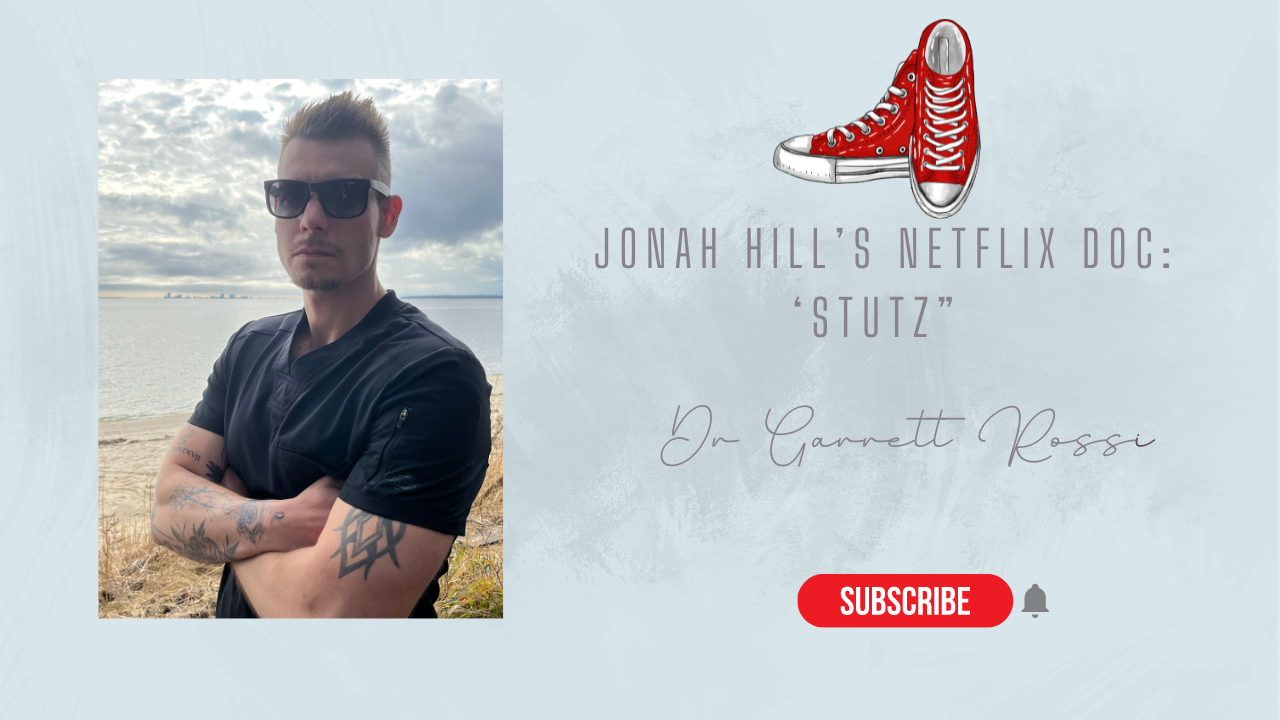
Recently Jonah Hill celebrated the gift of therapy with his Netflix documentary ‘Stutz’ which chronicles his journey through therapy and his friendship with Phil Stutz co-author of The Tools. This film was intended to highlight the benefits of psychotherapy and celebrate the teachings of Dr. Stutz. Personally, I think the documentary was low on practical advice for the average person, but it did highlight one very important factor that affects therapy outcomes. That will be the topic of today’s video, can we have a therapist who is also our friend?
Therapeutic Alliance and Why It’s so Important
This documentary raises many questions for someone who has been in both roles as therapist and patient. Time and time again we see that the most important factor in psychotherapy outcomes is the strength of the therapeutic alliance. The therapeutic alliance is a working relationship between the patient and their therapist that allows them to work together on established goals of therapy.
To me this comes down to how much do you like, trust, and feel comfortable opening up to the therapist. When we like someone and feel-good talking to them, we feel better regardless of what type of therapeutic techniques they use. Research has suggested that the quality of this relationship is a reliable predictor of positive clinical outcomes independent of the psychotherapy approach used. I remember in training hearing many of my psychotherapy preceptors make similar statements. Jonah Hill did a wonderful job of demonstrating the power of this alliance throughout the film. For me this was the big takeaway, considering Stutz is not a traditional psychotherapist.
Having a Therapist as Your Friend
I do not believe it’s ever a good idea to become friends with a patient. There are reasons we do not accepts gifts from patients, hangout with them outside of the assigned appointment times, or have romantic relationships. These to me are boundary crossings which will interfere with the work. Yes, in the case of this film it all worked out fine, at least that’s what they want you to believe. It did not appear that Hill had fully come to terms with his past, or unstable self image. He still seemed vulnerable and is possibly worse off as he’s come to depend on the relationship with Stutz for relief.
The goal of any good therapist should to teach our patients to become their own therapist. To use and apply the skills learned in the work of therapy, not to come for some friendly advice or a chat like old college buddies. The therapist is there to help guide the work in a warm empathetic way that allows the patient to take control of their life.
What Makes Stutz a Good Therapist?
It’s very difficult to make a blanket statement about how good Stutz is as a therapist. For Hill, he helped him process some very difficult work including making peace with his brother’s untimely death and working on self-esteem and body image. Stutz is honest, warm, and empathetic during his encounters. He knows how to push sensitive buttons in a playful manner and can establish a strong therapeutic alliance. These are things any aspiring psychotherapist can and should learn to use.
Some Things That Are Not So Good
When you start psychotherapy with any patient you must establish a therapeutic framework where the work of psychotherapy will be carried out. While I believe there is a loose framework established in the film it doesn’t appear to be well developed. This opens the door for boundary crossing which you as the therapist might not be aware is occurring because the frame is so weak. He also relies on self-developed Tools that aren’t validated by scientific evidence and appears at times as an authority figure giving out life advice. Advice can be useful in supportive psychotherapy, but most patients will not follow advice alone. Is this entirely bad? No, but it might not work for most patients unless you share the same feelings for the therapist as Hill does.
Therapist Reputation and Outcomes
Sometimes a therapist will develop a reputation as being “good.” Clearly, in celebrity circles Stutz has that reputation. When a new patient comes there is a belief that this therapist has access to special knowledge or skills that cannot be had any other way is already established. I do not think the tools as presented in the book/film are groundbreaking or things people have not heard before. In the film Stutz words are seen as absolute truth and there is full buy in from Hill which is probably why he felt better. While his tools are developed from his clinical practice, they are not validated scientifically. In place of science, we have a charismatic therapist asking for full faith in a program with no scientific validity. For some this approach clearly works, but it’s not because the tools are any better than other techniques used in psychotherapy.
Final Thoughts
I really Like Stutz and I do believe there are people that would benefit from his approach to therapy. However, the main benefit would not come from the tools he teaches because they are largely similar to other techniques and not scientifically validated. What you would benefit from in this brand of therapy is a warm, emphatic, and charismatic listener with some good advice if you’re willing to take it. After all, maybe that is really where the magic of therapy comes from anyway.
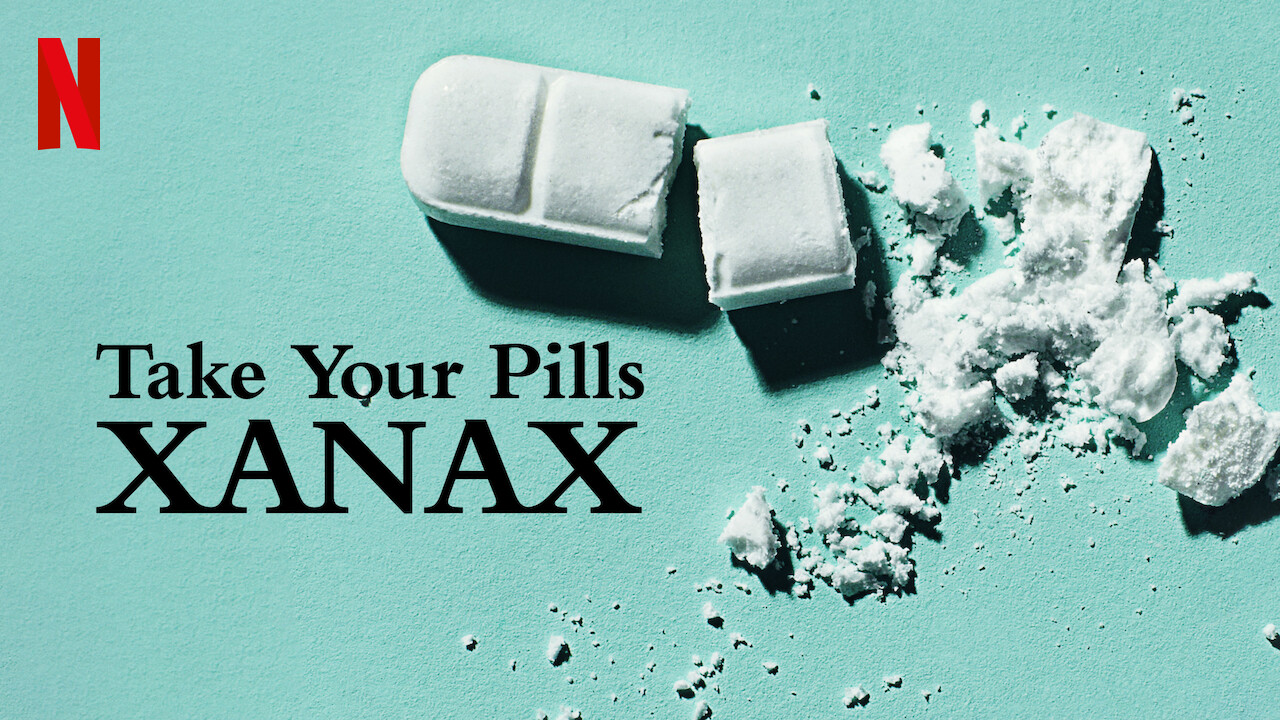
As many might know there is a new Netflix documentary called Take Your Pills: Xanax and it combines interview footage from physicians, patients, and journalists about anxiety and the use of Xanax. For the most part I thought there were a lot of reasonable discussions about anxiety, its treatment, and the role of medication. I feel like this is an appropriate way to cap off our recent discussions about anxiety disorders and treatment.
Fear and Anxiety: Are They the Same Thing?
The documentary made it seem like anxiety and fear are the same thing and that the exact same neurobiology is involved in each case. I think about anxiety and fear as two separate things that require different approaches.
Anxiety is what an individual feels when they are worried about something that could potentially happen in the future. If you watched my other videos on generalized anxiety disorder (GAD) then you know the Diagnostic and statistical manual (DSM) has made excessive worry the hallmark of GAD.
Fear is a core emotion along with sadness, anger, joy, excitement, and disgust. It’s different than anxiety, which is a fear of some future event happening. Fear is triggered in the moment. When you see that bear walking on the hiking trail or hear the rattle of a snake the fear centers of our brain are activated immediately in that moment. It’s not that we are obsessing about some future outcome, there is something present in the environment that is threatening and demands immediate action.
The Fear Center of The Brain
In humans the fear center of the brain is called the amygdala which stands for almond and that’s because they taste like almonds. No, wait that isn’t right, it’s because they are shaped like an almond. The amygdala is what fires when you see that bear in the woods. This triggers the fight or flight response which leads to things like increase blood flow to the muscles, and increased energy. It prepares the body to run away or fight if necessary.
Benzodiazepines MOA
Benzodiazepines enhance GABA activity by acting as allosteric modulators of the GABA-A receptors. This is the major inhibitory neurotransmitter in the body, and it acts to dampen everything down. Benzodiazepines increase the frequency of opening of chloride ion channels which in turn inhibits the cell and prevents the neuron from firing.
Anxiety Is a Part of Life
As I’ve said before we all have anxiety under certain circumstances. It’s not always a bad thing to have anxiety. In many ways anxiety reminds us that this situation is important, and we need to be appropriately prepared. A healthy amount of anxiety is a good thing overall.
Things go sideways when the anxiety is chronic, persistent, and severe. As I’ve stated in the previous videos some people are just more prone to anxiety. These individuals are high in the big 5 personality trait of neuroticism. While most of us will fall somewhere in the middle there will be outliers on either side with some having significantly less anxiety and others having significantly more.
The one thing that made this documentary hard to follow is that they combined all the anxiety disorders together, at one point they were describing panic attacks, social anxiety, and GAD as if they are all part of the same disease process. While there is significant overlap, the course of illness, and treatment plans will vary greatly which is why proper diagnosis is so important.
Xanax Works great for Physical Symptoms of Panic Attacks
When the interviewees start talking about Xanax it’s in the context of people experiencing panic attack. This is an important distinction to note as most of the symptoms of panic attacks are physical and thus will have a greater response to benzodiazepines. If we are talking about GAD, or social anxiety the anxious thoughts will still be there, and the benzodiazepine may be less effective.
Why Temperament and Environment Deserves More Attention
Much of our baseline temperament is genetic and will be part of the story that determines if you will have more or less anxiety. The other part of the story is environment. The experiences we have matter a lot too. In child psychiatry, there has been this huge focus on minimizing adverse childhood events (ACES). We discovered that things like sexual abuse, physical abuse, and loss of a parent can result in significant risk for poor health outcomes in the future. Baseline temperament that predisposes someone to anxiety combined with significant lifetime trauma could set the table for a future anxiety disorder.
The Prevalence of Benzodiazepine Use
In this documentary they make it seem like benzodiazepine prescriptions have skyrocketed over the last several decades. These prescriptions have increased but we need to explore why. One thing I see all the time is primary care providers prescribing benzodiazepines for patients early in treatment for depression and anxiety. Before exploring psychotherapy or other medication options the person walks out with a Xanax prescription. There is a reason the research tells us most people who see a primary care provider for depression and anxiety do not get better. In fact, as few as 20% of those started on antidepressants by primary care will show significant clinical improvement. This is not a knock on primary care, it’s more that they have been thrown into a mental health crisis and are usually the first person to encounter a patient with anxiety.
The important trends I would like people to pay more attention to is the risk of prescribing opioids and benzodiazepines in combination. This can result in increased risk for overdose death and a significant risk for severe respiratory depression. In addiction treatment people often feel very anxious when stopping opioids and it’s common to want to address that anxiety as a doctor. What ends up happening is people are on medication treatment for opioid use disorder, a benzodiazepine for anxiety, and gabapentin for that little extra relief. All these medications in combination put the patient at risk for adverse outcomes. Another thing to pay attention to is where all the opioid prescriptions are coming from. The highest rates are in many southern states and in places like West Virginia where the opioid epidemic hit the hardest. The final item to discuss is the increased rates of benzodiazepine prescribing in the elderly. There seems to be an increase in benzodiazepine use in this population which is more dangerous due to the risk of falls, altered mental status, and possibly dementia.
There has been a lot of talk over the years about the increased risk of dementia associated with benzodiazepine use. There data has been mixed, but I would say it’s largely in favor of using caution when prescribing benzodiazepines in older populations and avoiding the long-term use of benzodiazepines in all populations.
Social Media and Anxiety
I think social media has done as much harm as it has good for people’s mental health. If you believe everything you see on social media, the impression is everyone you know, or follow is winning, and you are losing. In the past you only had to compare your life to people in your community. Now, we get to compare our lives to the world. Not only are we comparing our lives to large pool of people, but we are also comparing them to people who have created online personas under false pretenses. These are individuals rent house for photo shoots to make you believe that is where they live, or people taking steroids then asking you to buy some supplement that does not provide the results it promises. We all like to think we are immune to these types of schemes, but we are not. In our minds we are comparing our worst moments to other people’s best moments and assuming that this is reality. This is clearly a recipe for anxiety and depression.
Dangerous Coping Strategies for Anxiety
I do not think using alcohol or drugs to alter one’s state of consciousness is exclusive to the past. People have been doing this forever, and it remains a poor way to cope with anxiety. I think one of our problems is attempting to cure the stresses of life. In my practice I do not believe that taking a medication or using alcohol are ways to “cure” anxiety. Most individuals need to take a long hard look at their life and see where the anxiety is coming from and where life changes can be implemented to reduce the tension. When someone takes time to systematically dissect the cause of their anxiety, they often already know what they should do. Take more time off work, practice better self-care, exercise, eat healthy, and sleep better these examples all come to mind for most patients. Most people feel trapped and do not believe they can carve out the time to do these things and that is part of the reason they turn to medication or drugs/alcohol to cope.
While I still believe benzodiazepines can be useful in the right context, they are designed to be used short term. I set limits with my patients early in the process letting them know up front that we are not using this as a long-term solution for their anxiety.
Potential Side Effects of Benzodiazepine use
They did a nice job of describing the changes in memory that occur because of benzodiazepine use. The ability to laydown new memories is impaired when using benzodiazepines that is why I caution anyone with PTSD who is in trauma-based psychotherapy to avoid the use of benzodiazepines. They also focused on the disinhibition caused by increased GABA-A activity. This is less a side effect and more a response that should be expected from the medication. Most individuals with anxiety are wound too tight and have trouble relaxing. The problem with this response occurs when that disinhibition is excessive resulting in embarrassment or inability to work for example.
Withdrawal from these medications can be deadly. There is risk for seizure, rebound anxiety, rebound insomnia all of which can be very distressing. The problem with benzodiazepine withdrawal is the variability in terms of patient’s tolerance to dose reductions. Some patients can tapper off very quickly and have no issue, others need to be tapered slowly over months to years. While I would say it’s rare to have someone who is very sensitive to dose adjustments it can happen and tapering slowly while watching for withdrawal symptoms is important. The example of the guy pipetting a liquid microdose of alprazolam would not be a normal situation, and if you just watch this documentary, you may think everyone who tries to come off these medications must go through a similar process. Benzodiazepines can be safely reduced under the guidance of doctor.
Conclusion
What we see in the end is more of the same recommendations most of my patients would tell “doc I already know this.” They talked about using complementary and alternative medicine which I am a big fan of, diet, exercise, mindfulness, and psychotherapy to find the underlying causes of the excessive worry. They introduce the idea at the end that the world is broken and defective and we should not have to accept the world as it is. This is fine but significant change on a massive scale takes time and it still leaves people asking the question “what do I do right now.” I’m personally active in advocacy work at the local and state level, which is one approach, but it takes a lot of time and resources to affect policy changes and not every patient will have the time or desire to engage in such activities. The only true way out of anxiety is through it. Daily life is painful, and we need to accept that to some degree. Medicating away feelings that are part of life is certainly not the solution and can be the reason we find ourselves in trouble.