A JAMA study found a significant rise in stimulant prescriptions between 2019 and 2022, with a 37.5% increase in total volume. This trend was particularly noticeable through telehealth, where stimulant prescriptions soared from 1.4% to 38.1%, peaking at 51.8% in mid-2020. The shift was largely influenced by COVID-19 pandemic policies, which eased telehealth restrictions. While antidepressant prescriptions also rose, opioid prescriptions declined by 17.2%. The study emphasizes the need to balance access with monitoring for potential misuse as telehealth policies evolve
Tag: Anxiety
-

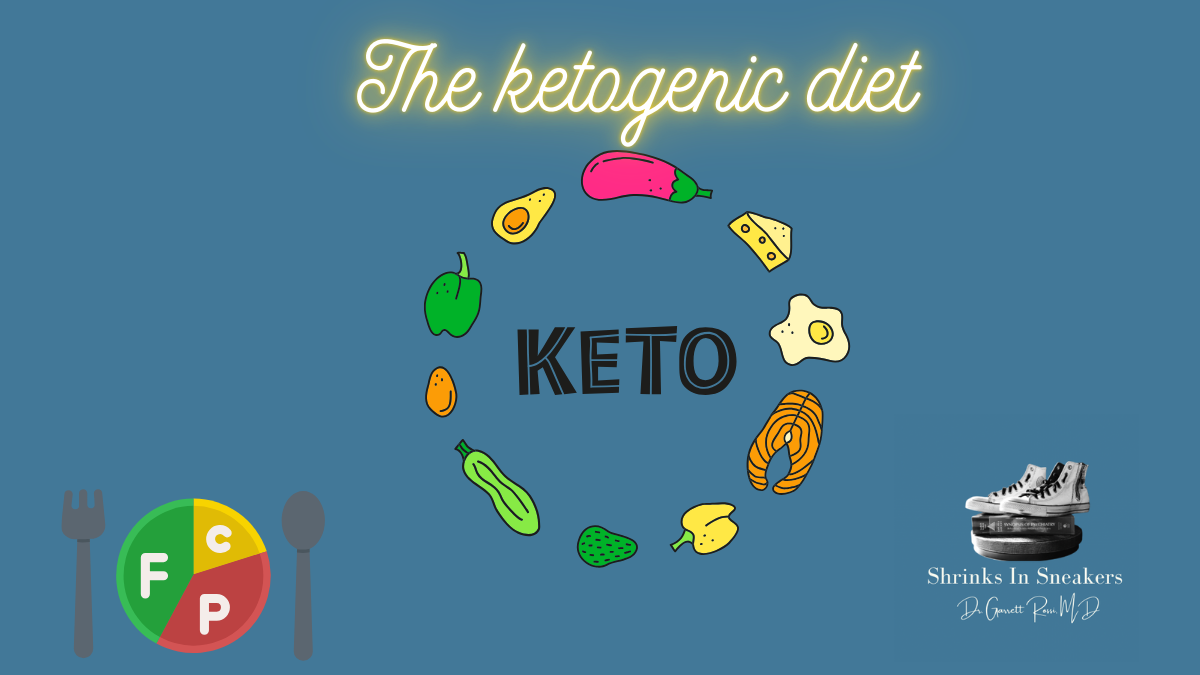
The ketogenic Diet For Mental Health
The ketogenic diet, primarily known for its benefits in weight loss and managing conditions like epilepsy, has been increasingly explored for its potential impact on mental health, including psychiatry. While research in this area is still emerging, some studies suggest that the ketogenic diet may offer benefits for certain psychiatric conditions.
- Mood Disorders: Some research indicates that the ketogenic diet might have a positive impact on mood disorders such as depression and bipolar disorder. The diet’s ability to stabilize blood sugar levels and regulate neurotransmitters like serotonin and dopamine could contribute to mood improvement.
- Anxiety: The ketogenic diet’s effects on GABA (gamma-aminobutyric acid), a neurotransmitter that helps regulate anxiety, have been of interest to researchers. By increasing GABA levels, the diet may have an anxiolytic effect, potentially reducing symptoms of anxiety.
- Cognitive Function: Ketones produced during ketosis are an alternative fuel source for the brain. Some studies suggest that ketones may provide more efficient energy for brain cells, leading to improved cognitive function and clarity of thought. This could have implications for conditions such as ADHD and cognitive impairment.
- Neuroprotective Effects: Ketones have been shown to have neuroprotective properties, which could be beneficial in neurodegenerative disorders like Alzheimer’s disease and Parkinson’s disease. By providing an alternative energy source for the brain, the ketogenic diet may help protect against neuronal damage and promote brain health.
- Inflammation: Chronic inflammation has been linked to various psychiatric disorders. The ketogenic diet has anti-inflammatory effects, which could potentially reduce inflammation in the brain and mitigate symptoms of conditions like schizophrenia and PTSD.
- Gut-Brain Axis: Emerging research suggests that the gut microbiota plays a crucial role in mental health. The ketogenic diet can influence the gut microbiome, potentially improving gut health and modulating brain function through the gut-brain axis.
While these findings are promising, it’s essential to approach the use of the ketogenic diet in psychiatry with caution. More research, including large-scale clinical trials, is needed to fully understand its efficacy, safety, and long-term effects on mental health conditions. Additionally, the ketogenic diet may not be suitable for everyone and should be implemented under the guidance of healthcare professionals, especially for individuals with pre-existing health conditions or those taking medications.
-

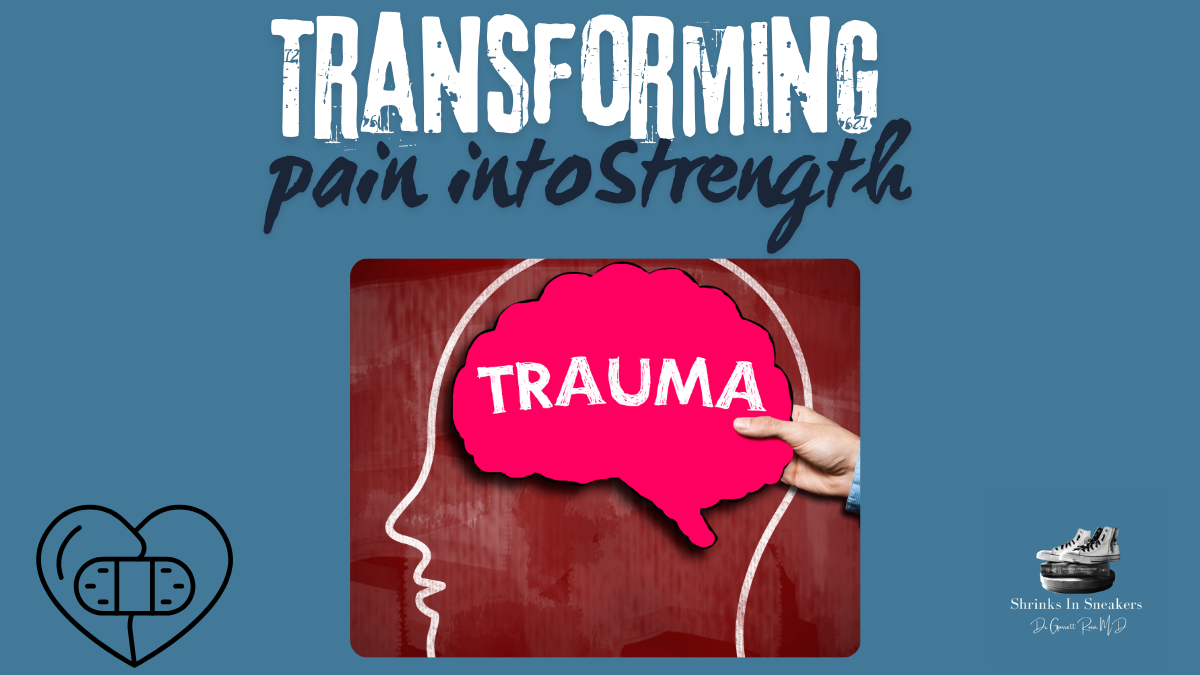
Transforming Pain Into Strength
Many people spend their entire lives holding themselves back, often because they’re unconsciously addicted to the pain they cause themselves. When trauma hits, especially early in life, it has a way of sticking with us. In many ways, that pain shapes who we are, and the thought of letting it go feels like losing a part of ourselves. It can become a form of behavioral addiction.
But what if we could use that pain as fuel to push ourselves forward, to become the best version of who we are? It’s hard, especially when you’ve been picked on, or felt like you don’t fit in. We all just want to live authentically, to be true to ourselves.
I get it—I’ve been there too. If I can push through, so can you. It’s never easy, especially in tough times. But if there’s one thing I know, I’m not giving in.
-

Hidden Dangers: Unveiling the Link Between Medical Conditions and Suicide Risk
The article “Risk of Suicide Across Medical Conditions and the Role of Prior Mental Disorder” published in JAMA examines the association between various medical conditions and suicide risk, highlighting the influence of pre-existing mental disorders. Key findings include:
- Increased Suicide Risk in Certain Medical Conditions: The study identifies a significant rise in suicide risk among patients with specific conditions, such as cancer, chronic pain, neurological disorders, and respiratory diseases. Chronic illness often contributes to emotional distress, exacerbating the risk of suicide.
- Impact of Mental Health History: Individuals with a prior mental disorder are at an even higher risk of suicide when diagnosed with a medical condition. The presence of a mental disorder can amplify feelings of hopelessness, increasing vulnerability.
- Interconnected Nature of Physical and Mental Health: The research emphasizes the need for integrated care that addresses both the physical and psychological aspects of health, particularly for individuals with complex medical histories.
The article advocates for more robust screening for suicidal ideation in patients with both medical and mental health conditions and suggests collaborative treatment approaches to reduce suicide risk.
Link to article: https://jamanetwork.com/journals/jamapsychiatry/article-abstract/2822967
-

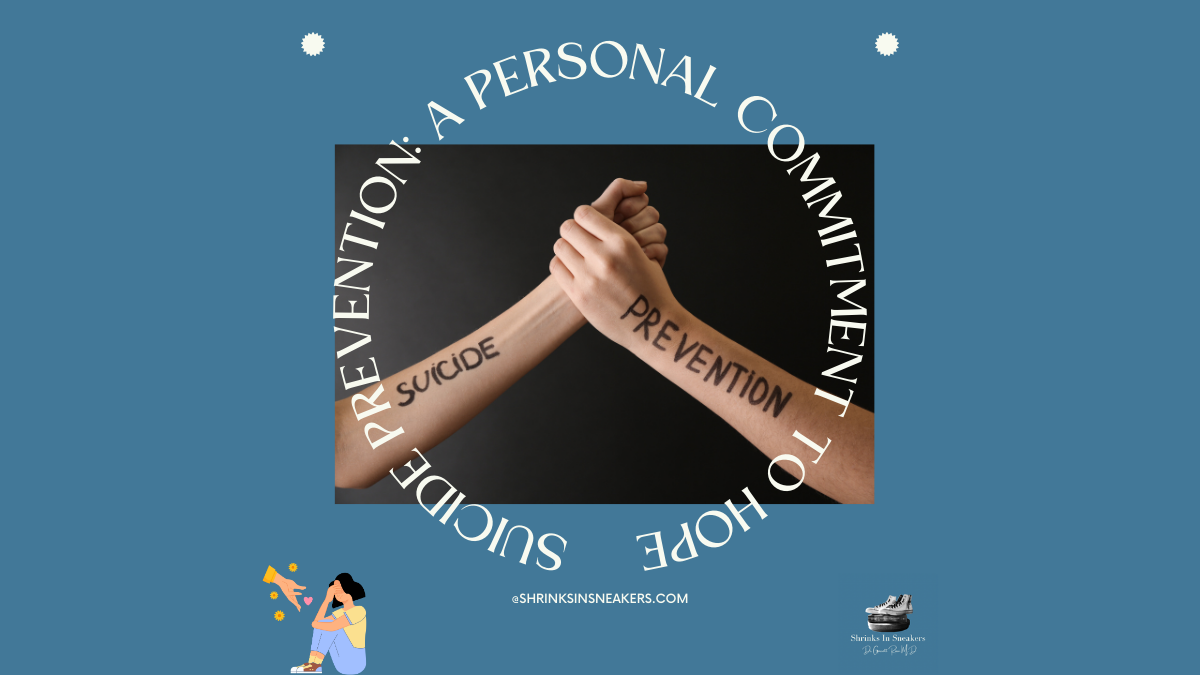
Suicide Prevention: A Personal Commitment to Hope and Healing
I thought I would share one of my favorite songs (Eminem Beautiful) as I reflect on what suicide prevention means to me.
link to song if you haven’t heard it: https://www.youtube.com/watch?v=SBb11rmHLIY
This past year has been one of the most challenging times of my life. I watched my 20-year relationship fall apart, missed crucial professional opportunities, and questioned nearly every decision I’ve ever made. To say I was struggling would be an understatement. What stung even more was the silence from people I thought were my friends—they never reached out, never asked how I was doing. It left me feeling hollow and alone.
But instead of letting that break me, I took this as a chance to reflect on who my real friends are, and I focused on building myself—mind and body—stronger than ever. I refused to let this hardship define or defeat me.
When patients tell me they’re at their breaking point, I understand that feeling. But I also know they’ve only tapped into a fraction of their strength. There’s so much more to give, more life to live. During dark times, it’s easy to feel unheard and invisible, but I promise you—I’m here, I’m listening, and we can get through anything.
If you or someone you love is in a dark place, please reach out for help. You are not alone, and your story is far from over. Don’t ever let anyone tell you that you’re not beautiful—because you are.
-

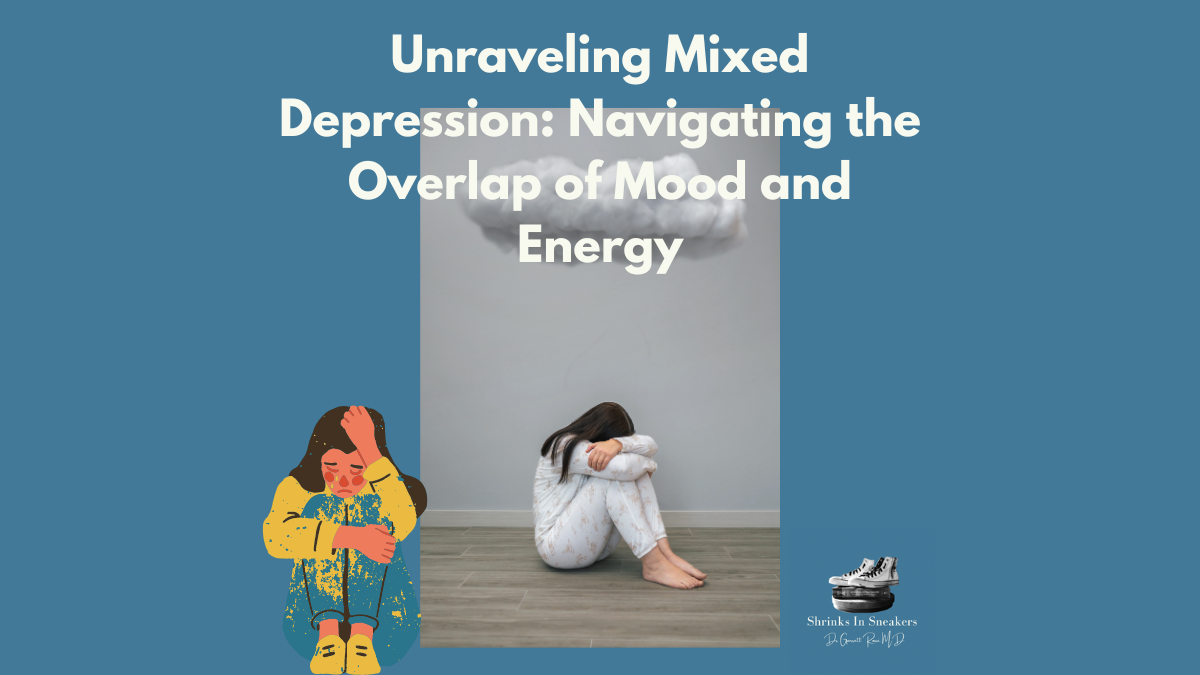
Unraveling Mixed Depression: Navigating the Overlap of Mood and Energy
In mixed depression the individual is often irritable, and elevated. They have depressed mood with at least 3 manic symptoms but do not meet the full criteria for bipolar disorder. Here I avoid the antidepressant medications and chose to focus on two medications with evidence for their efficacy. I like lurasidone and aripiprazole here, and sometimes I consider ziprasidone as well.
-

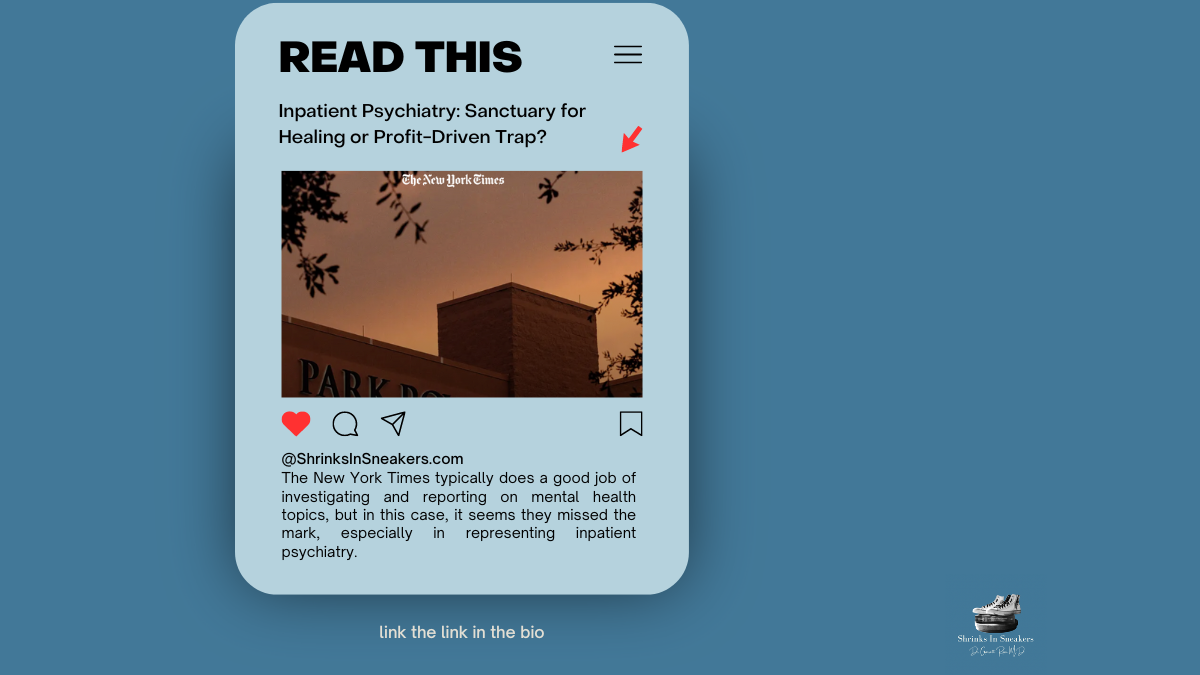
Inpatient Psychiatry: Sanctuary for Healing or Profit-Driven Trap?
The New York Times typically does a good job of investigating and reporting on mental health topics, but in this case, it seems they missed the mark, especially in representing inpatient psychiatry. Inpatient psychiatry is a challenging environment for both patients and physicians like myself. We never want to keep anyone in the hospital who doesn’t need to be there. In fact, when patients accuse me of holding them for financial gain, I tell them that I’m paid the same regardless of the number of cases I manage, and my life is easier with fewer patients. No physician working in inpatient care would ever keep someone confined without a legitimate safety concern for the patient or the community. While no one defends poor practices, and Arcadia may indeed have its issues, the broader implications of articles like this one deserve closer scrutiny. The article lacks detail, avoids expert input from professionals in the field, and fails to account for the fact that dangerousness might emerge during hospitalization, potentially converting a voluntary patient to involuntary status or necessitating a more cautious discharge approach that could save lives.
Here’s the reality: people are admitted to inpatient psychiatric units for a variety of reasons. We can talk all day about the broken U.S. healthcare system and the lack of access to quality outpatient psychiatric care, but fundamentally, there are two main reasons someone ends up on an inpatient unit. First, they are a danger to themselves, and without close monitoring and treatment, they are at high risk of suicide. Second, they pose a danger to others, and without inpatient care, serious harm could come to someone else. We see plenty of cases that meet these clear criteria, and I believe that without our services, many of these individuals would either be dead or in jail. However, there are also other reasons why patients seek inpatient care, and the article’s example of a woman with bipolar disorder needing a medication adjustment is worth exploring.
Why not see an outpatient psychiatrist for medication management? Why seek inpatient care from a doctor who doesn’t know your case? This situation can be dissected further. Suppose this patient, who doesn’t pose a threat to themselves or others, voluntarily enters an inpatient unit for treatment. Medication changes are made, lithium is increased, and as the treating physician, you would need at least 3-5 days for observation and lab work to monitor the effects. Given that this patient could have pursued outpatient treatment, it becomes your responsibility as the inpatient doctor to ensure proper monitoring and follow-up. But let’s say, after admission, you learn that the patient had been suicidal the week prior and had a plan to overdose. Now, there’s new information indicating a greater level of risk. If, after 24 hours, the patient suddenly wants to leave, as the physician, you must consider this new information. You ask to speak to the patient’s family to gather more context, but the patient refuses and demands discharge. In my state, the patient would file a formal 48-hour notice, which allows me 48 hours to assess if they pose an imminent danger. If so, a two-physician commitment process can be initiated.
The point is that treating physicians must weigh numerous safety concerns—such as unfinished medication adjustments, potential emerging risks, and patients’ misunderstanding of the inpatient process. Mental health treatment often takes weeks to months to see full results, and if patients feel significantly better after just a few days, it’s either due to electroconvulsive therapy (ECT) or the placebo effect of being in a hospital setting. I believe it’s crucial for people to understand the role of inpatient psychiatric facilities, and I make it a point to educate my patients about why hospitalization is necessary and what they can expect. Many arrive with false assumptions about what can be accomplished in an inpatient setting.
Link to New York Times Article: https://www.nytimes.com/2024/09/01/business/acadia-psychiatric-patients-trapped.html
-
Mastering the Mind: Strategies for Tackling Anxious Depression
When treating anxious depression, SSRIs and SNRIs may not always provide sufficient relief. In such cases, I consider adding medications like quetiapine, which has a significant effect size for generalized anxiety disorder (GAD) and is FDA-approved as an augmentation strategy for depression at doses of 150–300 mg. However, due to its side effect profile, it’s advisable to limit the duration of quetiapine use when possible.
-
Breaking Free: What to Do When Anxiety Won’t Let Go
The tried-and-true approach of recommending Cognitive Behavioral Therapy (CBT) along with a serotonin reuptake inhibitor (SSRI) or serotonin-norepinephrine reuptake inhibitor (SNRI) doesn’t work for everyone. So, what are the alternatives? One often-overlooked option is hydroxyzine, which has effect sizes (0.4–0.5) similar to benzodiazepines but with a lower risk, particularly in older adults. For those seeking natural remedies, Silexan, available over the counter, is another possibility. Other medications that have shown efficacy in treatment-resistant depression include pregabalin, quetiapine, and eszopiclone. When it comes to social anxiety disorder, I’m a bit old-fashioned but still favor MAOIs in this area.