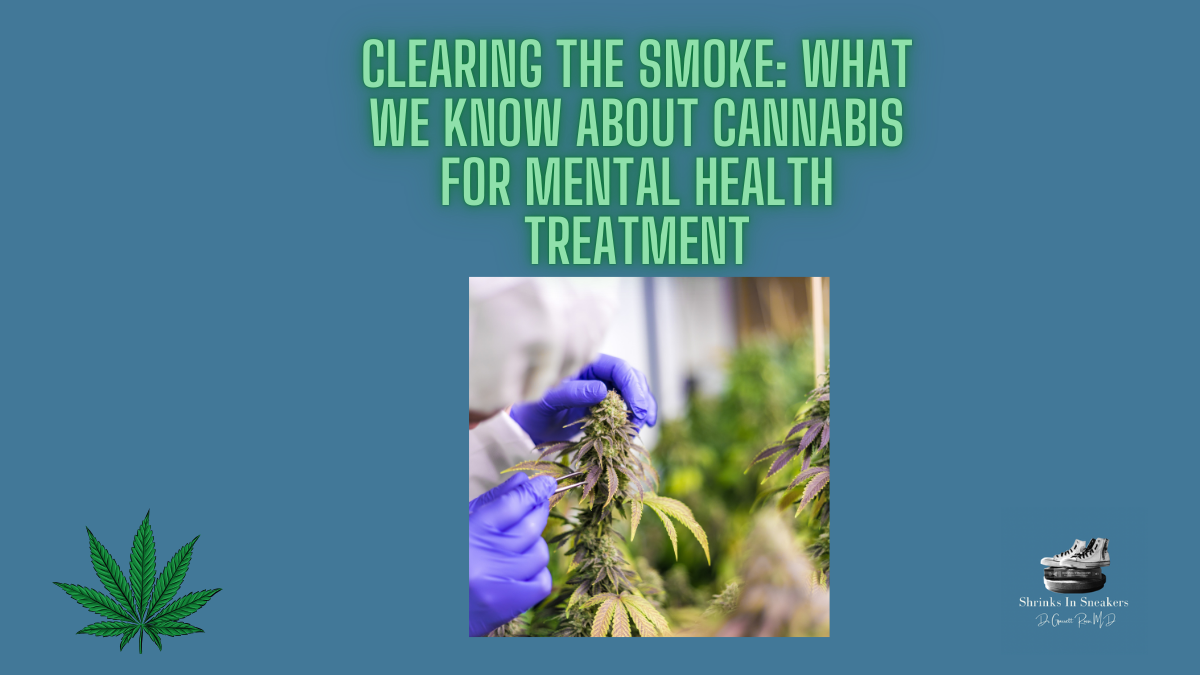
Research into the therapeutic potential of cannabis for mental health disorders has grown in recent years, with mixed findings from randomized controlled trials (RCTs).
Anxiety Disorders
- CBD (Cannabidiol) has shown promise in reducing anxiety symptoms in RCTs, particularly for social anxiety disorder (SAD). For instance, a small RCT found that a single dose of 300 mg of CBD reduced anxiety levels in participants undergoing a simulated public speaking test.
- Some RCTs suggest that CBD may be anxiolytic without causing impairment or euphoria, making it preferable for anxiety compared to THC-dominant cannabis products, which may exacerbate anxiety in some users.
Post-Traumatic Stress Disorder (PTSD)
- RCTs exploring THC and CBD combinations in PTSD have had mixed outcomes. Some studies indicate that THC may reduce nightmares and improve sleep in PTSD patients, though these findings are generally based on small sample sizes and short-term trials.
- A recent RCT with a synthetic cannabinoid (nabilone) reported some symptom improvement in PTSD-related insomnia and nightmares. However, larger trials with longer follow-ups are necessary to clarify the efficacy and safety for PTSD.
Depression
- Few RCTs show consistent evidence supporting cannabis (CBD or THC) as an effective treatment for major depressive disorder. Some trials indicate that CBD may have antidepressant-like effects, possibly due to serotonin receptor activity, but more robust and long-term studies are needed.
- Concerns persist over THC’s potential to exacerbate depressive symptoms, particularly with regular or heavy use.
Schizophrenia and Psychotic Disorders
- THC-dominant products have been associated with increased risk of psychosis and exacerbation of symptoms in people predisposed to psychotic disorders. This has led to caution against THC use in people with schizophrenia.
- CBD has shown promise as an adjunctive treatment in some RCTs, with findings suggesting that it may have antipsychotic effects without the psychoactive effects of THC. For example, an RCT found that CBD reduced psychotic symptoms and improved cognitive function when added to standard antipsychotic treatment, though the effects were modest.
Bipolar Disorder
- Evidence from RCTs on the use of cannabis in bipolar disorder is sparse and generally negative. Some trials indicate that THC may worsen manic and depressive symptoms in bipolar patients, and there is little to no support for cannabis as a treatment for bipolar depression.
Sleep Disorders
- Some RCTs have evaluated cannabinoids for sleep disturbances, with CBD showing potential for improving sleep quality. However, THC may reduce REM sleep, which could impact sleep architecture negatively over time.
- For PTSD-related insomnia, cannabinoids like nabilone have shown some benefit, but the effects on sleep in general populations remain uncertain.
Limitations
- Sample Sizes and Duration: Many RCTs are small and short-term, limiting the generalizability and understanding of long-term effects.
- Dosing and Formulations: Variability in cannabinoid content (THC vs. CBD), formulations (edibles, oils, vapes), and dosages across studies makes comparison challenging.
- Side Effects: Both CBD and THC can have side effects, though THC’s psychoactive properties can lead to cognitive impairment, addiction potential, and negative impact on mood in some patients.
While CBD shows some promise in anxiety, PTSD, and psychotic disorders, RCT evidence for other mental health conditions remains inconclusive or even negative, especially with THC. Further large-scale, long-term RCTs are needed to establish the efficacy and safety profile of cannabis-based treatments in mental health.