Tag: buprenorphine

  • Buprenorphine vs. Methadone: The Battle for Opioid Use Disorder Treatment Supremacy

    Buprenorphine vs. Methadone: The Battle for Opioid Use Disorder Treatment Supremacy

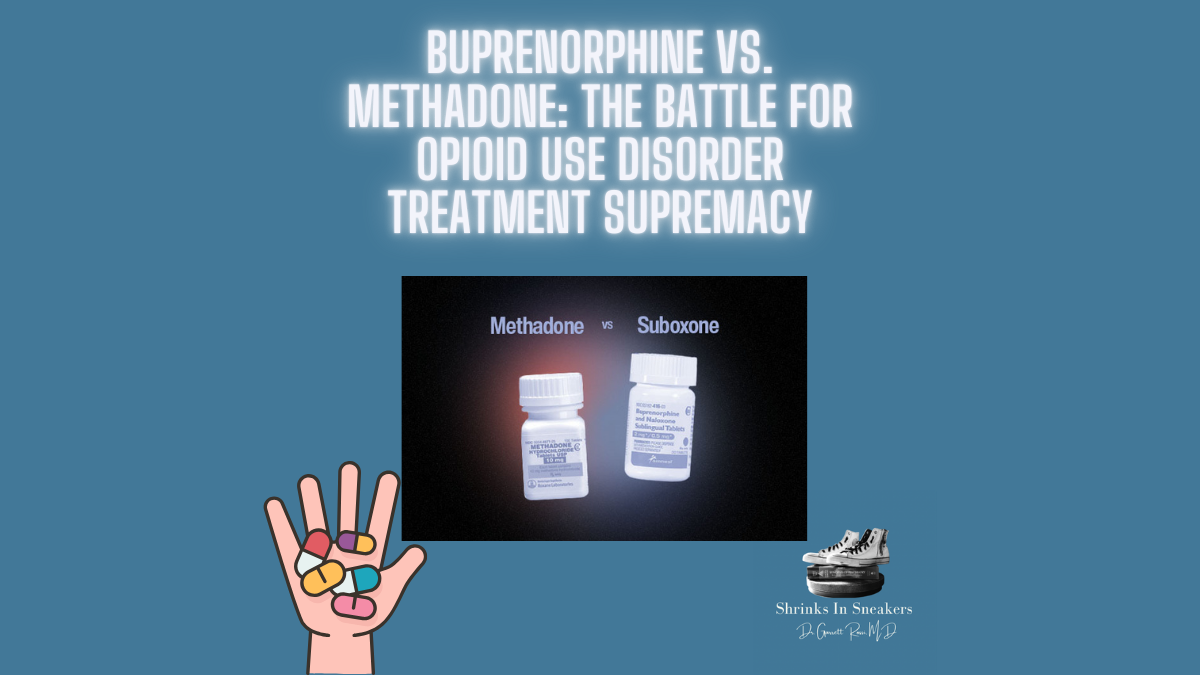
    A recent study in JAMA compared the effectiveness of buprenorphine/naloxone versus methadone for opioid use disorder (OUD), focusing on treatment retention and mortality outcomes. The findings highlight important differences in these two mainstay treatments:

    1. Treatment Retention: Methadone demonstrated significantly higher retention rates compared to buprenorphine/naloxone. Retention is a critical metric, as staying in treatment reduces the risk of relapse and overdose. In flexible-dose studies, buprenorphine/naloxone patients were 37–40% more likely to discontinue treatment than methadone recipients. This aligns with its pharmacological profile, as methadone provides more consistent suppression of withdrawal symptoms.
    2. Mortality Rates: There were no significant differences in mortality risks between the two treatments, indicating both are comparably safe when provided in a supervised setting.
    3. Dosing Implications: Higher doses of buprenorphine (≥16 mg/day) were associated with better retention and reduced emergency care visits, suggesting dose adequacy is vital in achieving optimal outcomes. However, underdosing or rigid dosing protocols may limit buprenorphine’s effectiveness in real-world settings.
    4. Practical Considerations: Methadone requires daily visits to specialized clinics, which can be a barrier to care for some patients. In contrast, buprenorphine/naloxone can often be prescribed in primary care settings, improving accessibility.

    The choice between methadone and buprenorphine/naloxone should be individualized, considering patient preferences, clinical circumstances, and potential barriers to adherence. These findings underscore the need for flexible treatment options tailored to the patient population.
  • Buprenorphine and Psychosis: Unraveling the Risks of Abrupt Discontinuation

    Buprenorphine and Psychosis: Unraveling the Risks of Abrupt Discontinuation

    This post is inspired by a real case from my practice involving a patient with no significant past psychiatric history but a strong history of substance use, including opioids and cocaine. The patient had been on buprenorphine maintenance therapy for several decades, providing stability in their recovery. However, following an abrupt discontinuation of buprenorphine, the patient developed acute psychotic symptoms. This case highlights an uncommon but important phenomenon clinicians should be aware of when managing buprenorphine discontinuation, especially in individuals with a history of substance use.

    Emerging evidence suggests that abrupt discontinuation of buprenorphine may induce psychosis in some individuals, though this appears to be a relatively uncommon occurrence.

    Documented Cases

    • New-onset psychotic symptoms have been reported after sudden cessation of buprenorphine in patients with no prior psychosis.
    • Common symptoms include auditory hallucinationsparanoid ideation, and delusions of reference.
    • Psychotic symptoms typically emerge within days to weeks after discontinuation.

    Potential Mechanisms

    1. Loss of buprenorphine’s antipsychotic effects through kappa-opioid receptor antagonism.
    2. Interaction between neurobiological vulnerabilities and the stress of withdrawal.
    3. Possible unmasking of latent psychotic disorders.

    Risk Factors

    • History of substance use.
    • Early adverse life events.
    • Underlying psychiatric conditions (e.g., bipolar disorder).

    Outcomes and Management

    • Symptoms may resolve in weeks to months, though some cases persist longer.
    • Reintroduction of buprenorphine has led to symptom remission in some cases, suggesting a causal relationship.
    • Gradual tapering of buprenorphine might mitigate this risk, though more research is needed.

    Clinical Implications

    Clinicians should remain vigilant when discontinuing buprenorphine, especially in individuals with risk factors for psychosis. A gradual tapering strategy is recommended to reduce potential risks, though further studies are necessary to guide best practices.

    Understanding this phenomenon highlights the importance of individualized care when managing buprenorphine discontinuation in vulnerable populations.

  • Abrupt Discontinuation of Buprenorphine and Risk of Psychosis: Clinical Considerations

    Abrupt Discontinuation of Buprenorphine and Risk of Psychosis: Clinical Considerations

    This post is inspired by a real case from my practice involving a patient with no significant past psychiatric history but a strong history of substance use, including opioids and cocaine. The patient had been on buprenorphine maintenance therapy for several decades, providing stability in their recovery. However, following an abrupt discontinuation of buprenorphine, the patient developed acute psychotic symptoms. This case highlights an uncommon but important phenomenon clinicians should be aware of when managing buprenorphine discontinuation, especially in individuals with a history of substance use.

    Emerging evidence suggests that abrupt discontinuation of buprenorphine may induce psychosis in some individuals, though this appears to be a relatively uncommon occurrence. Here are the key findings:

    Documented Cases

    • New-onset psychotic symptoms have been reported after sudden cessation of buprenorphine in patients with no prior psychosis.
    • Common symptoms include auditory hallucinationsparanoid ideation, and delusions of reference.
    • Psychotic symptoms typically emerge within days to weeks after discontinuation.

    Potential Mechanisms

    1. Loss of buprenorphine’s antipsychotic effects through kappa-opioid receptor antagonism.
    2. Interaction between neurobiological vulnerabilities and the stress of withdrawal.
    3. Possible unmasking of latent psychotic disorders.

    Risk Factors

    • History of substance use.
    • Early adverse life events.
    • Underlying psychiatric conditions (e.g., bipolar disorder).

    Outcomes and Management

    • Symptoms may resolve in weeks to months, though some cases persist longer.
    • Reintroduction of buprenorphine has led to symptom remission in some cases, suggesting a causal relationship.
    • Gradual tapering of buprenorphine might mitigate this risk, though more research is needed.

    Clinical Implications

    Clinicians should remain vigilant when discontinuing buprenorphine, especially in individuals with risk factors for psychosis. A gradual tapering strategy is recommended to reduce potential risks, though further studies are necessary to guide best practices.

    Understanding this phenomenon highlights the importance of individualized care when managing buprenorphine discontinuation in vulnerable populations.

  • Raising the Bar: Should Buprenorphine Doses Be Higher to Combat Opioid Use Disorder?

    Raising the Bar: Should Buprenorphine Doses Be Higher to Combat Opioid Use Disorder?

    The study “Association of Daily Doses of Buprenorphine With Urgent Health Care Utilization” explored how different buprenorphine doses affect emergency department (ED) and inpatient service use among individuals with opioid use disorder (OUD).

    1. Higher Doses Associated with Fewer Acute Care Visits: Patients receiving higher doses of buprenorphine (above 16 mg/day) had a longer time to ED or inpatient visits compared to those on lower doses (8-16 mg/day). Those on doses over 24 mg saw a significant reduction in the need for urgent care, particularly related to behavioral health crises.
    2. Implications for Fentanyl Users: The findings are particularly relevant for those using synthetic opioids like fentanyl, which often require higher doses of buprenorphine to manage withdrawal symptoms effectively. These higher doses may reduce acute care needs and improve overall treatment outcomes.
    3. Policy Considerations: The study highlights potential barriers, such as restrictive state laws or insurance limitations, that may prevent patients from accessing higher buprenorphine doses, which could limit effective treatment.

    These results suggest that modifying buprenorphine dosing guidelines could be beneficial, especially as the opioid crisis evolves with the prevalence of fentanyl​

    Link to article: https://jamanetwork.com/journals/jamanetworkopen/fullarticle/2824049

  • Suboxone or Subutex Which is Better for Your Baby?

    Suboxone or Subutex Which is Better for Your Baby?

    I remember being a resident and having the same question about buprenorphine versus the buprenorphine and naloxone combination. Now, we have a clearer answer. The big question was whether prenatal exposure to the combination of buprenorphine and naloxone, compared to buprenorphine alone, increases the risk of adverse neonatal and maternal outcomes. I was always advised by my mentors to use buprenorphine alone in pregnant patients, as it was considered safer, with concerns that naloxone might pose a risk.

    However, an article published in JAMA Psychiatry puts this debate to rest. The study compared perinatal outcomes following prenatal exposure to buprenorphine alone versus the buprenorphine and naloxone combination. The researchers evaluated the risk of congenital malformations, low birth weight, neonatal abstinence syndrome (NAS), neonatal intensive care unit (NICU) admission, preterm birth, and adjusted for confounding factors.

    The findings revealed that when buprenorphine combined with naloxone was compared to buprenorphine alone, there was a lower risk of NAS, NICU admission, and being small for gestational age. The other outcome measures were similar for both groups. These results indicate that the risk is comparable, and in some cases, there are more favorable neonatal and maternal outcomes for pregnancies exposed to the buprenorphine and naloxone combination.

    I can now confidently tell my former mentors that buprenorphine combined with naloxone during pregnancy appears to be a safe and effective treatment option for mothers with opioid use disorder.

    Article Link: https://jamanetwork.com/journals/jama/article-abstract/2822178#:~:text=When%20comparing%20buprenorphine%20combined%20with,30.6%25%20vs%2034.9%25%3B%20weighted