Tag: CBT

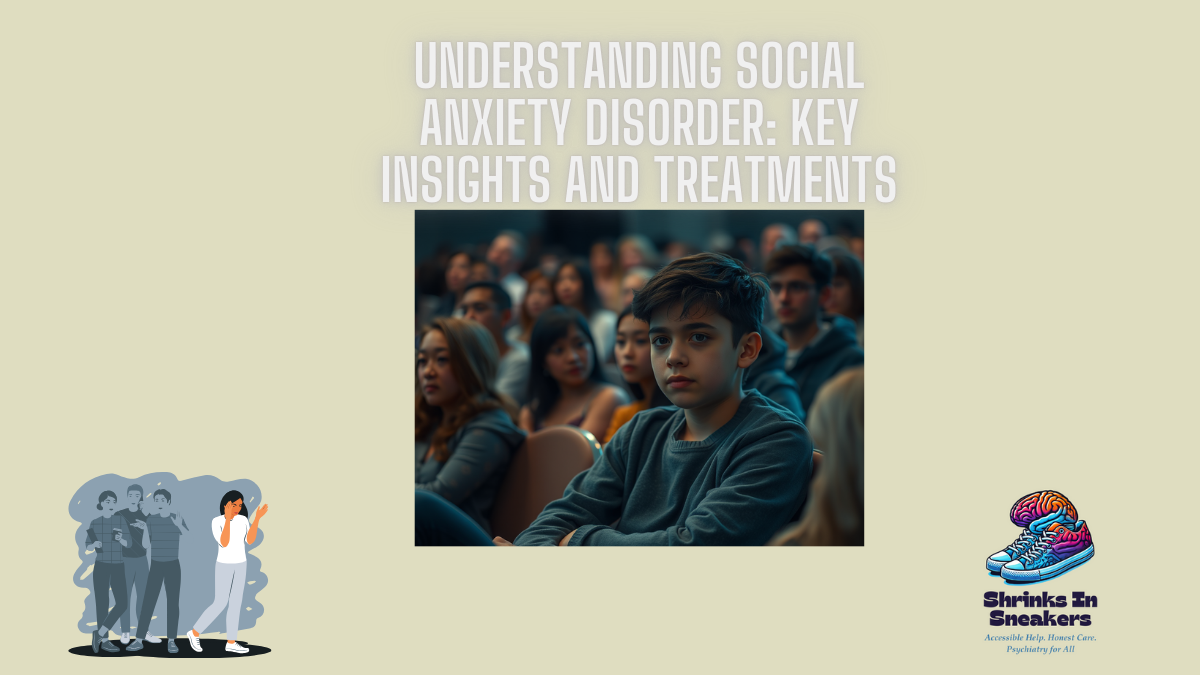
  • Understanding Social Anxiety Disorder: Key Insights and Treatments

    Understanding Social Anxiety Disorder: Key Insights and Treatments

    What if your biggest fear was simply being seen?
    For millions living with Social Anxiety Disorder (SAD), everyday interactions—like answering a question in class or speaking up at work—can feel terrifying. Despite being one of the most prevalent and impairing anxiety conditions, SAD remains widely under-recognized.

    📊 Up to 8.4% of people meet criteria for SAD in a given year, yet only 20–40% recover after 20 years without treatment (Ruscio et al., 2008). Median age of onset? Just 13 years old.

    👤 Case Vignette: When Fear Takes Over

    At 15, “Jenna” stopped raising her hand in class—not because she didn’t know the answers, but because she was terrified of being laughed at. By college, she avoided presentations, skipped networking events, and turned down internships. Her friends thought she was shy. One professor suggested depression. But underneath was a paralyzing fear of judgment: classic Social Anxiety Disorder.

    🤝 What Is Social Anxiety Disorder?

    SAD is more than introversion or shyness. It’s a persistent, intense fear of being judged, embarrassed, or negatively evaluated in social or performance situations. This fear leads to avoidance behaviors that impair social, academic, and occupational functioning.

    ⚠️ Why Is It So Often Missed?

    SAD is frequently overshadowed by overlapping symptoms seen in:

    • Major Depressive Disorder (social withdrawal, low self-esteem)
    • Generalized Anxiety Disorder (excessive worry)
    • Avoidant Personality Disorder (longstanding social inhibition)
    • Body Dysmorphic Disorder (fear of negative evaluation tied to appearance)

    Because of this diagnostic overlap, many individuals go undiagnosed—or misdiagnosed—for years.

    🧠 Clinical Considerations

    1. SAD Is Not “Just Shyness”

    Shyness is a personality trait; SAD is a clinical condition. The difference lies in impairment: SAD interferes with daily life, relationships, academic goals, and career opportunities.

    2. Early Onset, Long Course

    Most individuals report symptoms starting in early adolescence. Without intervention, SAD often persists into adulthood and increases the risk of depressionsubstance use, and functional disability.

    3. Functional Impairment Is Significant

    SAD can lead to:

    • Academic underachievement
    • Avoidance of job interviews or public speaking
    • Social isolation
    • Delayed life milestones (e.g., dating, career advancement)

    4. Evidence-Based Treatments Exist

    🧠 Cognitive Behavioral Therapy (CBT):

    • Gold-standard psychotherapy
    • Targets negative thought patterns and avoidance behaviors
    • Often includes exposure exercises to feared situations
    • Group CBT is especially effective for SAD

    💊 Pharmacologic Options:

    • First-line: SSRIs (e.g., sertraline, paroxetine)
    • SNRIs: Like venlafaxine, also effective
    • Beta-blockers: May help with performance-only SAD (e.g., public speaking)
    • BenzodiazepinesNot recommended due to dependence risks and avoidance reinforcement

    🔄 Combined Therapy

    Some individuals benefit most from CBT + medication, particularly those with moderate-to-severe or treatment-resistant symptoms.

    📣 Call to Action

    Too many individuals live in silence with Social Anxiety Disorder. If you or someone you know avoids social situations due to fear of judgment, don’t ignore it. SAD is real. It’s common. And—most importantly—it’s treatable.

    👉 Talk to a mental health professional
    👉 Share this post to raise awareness
    👉 Start the conversation

  • Why CBT Reigns as the Top Therapy for Mental Health

    Why CBT Reigns as the Top Therapy for Mental Health

    🧠💡 CBT Confirmed—Again: Landmark Meta-Analysis Reinforces Clinical Value Across Diagnoses
    A massive meta-analysis in JAMA Psychiatry (2025) reaffirms what many of us observe in day-to-day care: Cognitive Behavioral Therapy (CBT) is one of the most effective, versatile, and enduring treatments for adult psychiatric conditions.

    🔬 Study at a Glance

    • Pooled data from hundreds of RCTs
    • Assessed CBT’s efficacy across depression, anxiety disorders, PTSD, and eating disorders
    • Found significant, lasting effects across diagnostic categories
    • Highlighted condition-specific variation in effect sizes, but overall CBT consistently outperformed inactive controls

    📚 Real-World Relevance
    Imagine a patient with chronic panic disorder who’s failed two SSRI trials and prefers non-pharmacologic interventions. CBT remains a frontline solution—equally relevant for the young adult with bulimia or the veteran with PTSD. These aren’t just data points—they’re the cases we see every day.

    🔄 How Does CBT Stack Up Against Other Therapies?
    While the study primarily focused on CBT, it reinforces existing literature suggesting that CBT often matches or outperforms alternative modalities like psychodynamic therapy or interpersonal therapy in short-term efficacy—especially when structure, time-limited treatment, and measurable goals are critical.

    🛠 Implications for Clinical Practice
    ✅ Why prioritize CBT?

    • It’s highly adaptable
    • Supported across diverse populations
    • Scalable via group therapy, digital tools, and telehealth

    🚧 Barriers to Access:

    • Limited availability of trained therapists
    • Insurance coverage gaps
    • Patient preference for “talk therapy” without structure

    ✅ Strategies to Overcome Them:

    • Integrate CBT-informed principles into brief med management visits
    • Refer to digital CBT platforms when face-to-face access is limited
    • Advocate for reimbursement parity and expanded training programs

    📎 Bottom Line
    This study isn’t just academic—it’s a call to action. Prioritizing CBT in treatment planning can lead to better outcomes, broader reach, and more durable recovery. As clinicians, it’s on us to ensure our systems support its accessibility.

    📖 Full Article:
    https://jamanetwork.com/journals/jamapsychiatry/article-abstract/2832696

  • Can Creatine Boost Therapy for Depression? New Study Says Maybe!

    Can Creatine Boost Therapy for Depression? New Study Says Maybe!

    A recent 8-week double-blind, randomized, placebo-controlled trial investigated whether oral creatine monohydrate (5g/day) could enhance the effects of cognitive-behavioral therapy (CBT) in treating major depressive disorder (MDD)—especially in under-resourced areas where access to treatment is limited.

    🔬 Why Does This Matter?
    While CBT is a gold-standard therapy for depression, many patients do not achieve full remission. This study explored whether creatine—widely used for muscle and brain energy metabolism—could provide an extra boost to treatment.

    🧠 Key Findings:
    ✅ Participants receiving creatine + CBT had greater reductions in depression symptoms (measured by the Hamilton Depression Rating Scale) compared to those receiving placebo + CBT
    ✅ Reported improvements in mood, energy levels, and cognitive function
    ✅ Creatine was well-tolerated, with no significant safety concerns
    ✅ CBT was delivered once weekly by trained therapists

    ⚠️ Study Limitations:
    🔹 Small sample size—larger studies are needed to confirm these findings
    🔹 Short trial duration—long-term effects are still unknown
    🔹 Study population—results may not generalize to all individuals with MDD

    💡 What’s Next?
    If larger studies confirm these results, creatine could become an accessible, affordable adjunct to therapy, particularly in communities with limited mental health resources.

    What do you think? Could a common fitness supplement help improve mental health? Let’s discuss! ⬇️

    link to study: https://www.sciencedirect.com/science/article/pii/S0924977X24007405

  • Managing Mild to Severe Depression: A Guide to Treatment Approaches

    Managing Mild to Severe Depression: A Guide to Treatment Approaches

    It is crucial to recognize that none of the available medications or neuromodulation procedures, including electroconvulsive therapy (ECT) and psychedelics, are disease-modifying. This means that while these treatments can alleviate symptoms, they do not address the underlying causes of depression. Think of them like acetaminophen for a fever—it may temporarily reduce the fever, but without treating the underlying infection, the fever will return.

    Neuromodulation refers to techniques that alter brain activity through electrical or magnetic stimulation. Examples include ECT, transcranial magnetic stimulation (TMS), and vagus nerve stimulation (VNS), all of which have been explored as treatments for severe depression.

    Optimizing Depression Treatment for Different Severity Levels

    Given this understanding, how can we best utilize these treatments to support patients during difficult times? The key is to acknowledge that medications and neuromodulation primarily serve as symptom management tools, most effectively used in the short term for severe cases.

    Mild to Moderate Depression: Prioritizing Non-Medication Approaches

    For individuals experiencing mild to moderate depression, medication should not be the first line of treFor individuals experiencing mild to moderate depression, medication should not be the first line of treatment. Many people can directly link their depressive symptoms to stressful life events. In such cases, the best initial approach includes:

    • Cognitive Behavioral Therapy (CBT) – Evidence-based therapy that helps reframe negative thinking patterns. Research has shown that CBT is as effective as antidepressants for mild to moderate depression, with relapse rates significantly reduced in those who complete therapy.
    • Lifestyle Modifications – Regular exercise and a healthy diet have strong evidence supporting their role in reducing depressive symptoms. A study published in JAMA Psychiatry found that individuals engaging in at least 150 minutes of moderate exercise per week had a 25% lower risk of developing depression.

    For some, these interventions alone may be sufficient to overcome depression and maintain long-term well-being. If additional support is needed, natural supplements with reasonable evidence, such as St. John’s Wort and S-Adenosylmethionine (SAMe), may be considered for mild to moderate depression. However, these supplements are not without risks—St. John’s Wort can interact with many medications, including antidepressants and birth control pills, potentially reducing their effectiveness. SAMe may cause gastrointestinal discomfort or manic symptoms in individuals with bipolar disorder.

    Severe Depression: When Medication and Neuromodulation Play a Role

    For individuals with severe depression, particularly those at risk for self-harm or suicide, the risks and benefits of medication should be carefully weighed. Antidepressants and neuromodulation therapies have demonstrated the most significant impact in these cases. When selecting a medication, I prioritize those with a lower risk of concerning side effects, particularly sexual dysfunction. My initial choices often include:

    • Bupropion – A dopamine-norepinephrine reuptake inhibitor with a favorable side effect profile.
    • Vortioxetine – Known for its cognitive benefits and relatively low sexual side effects.
    • Mirtazapine – Can be beneficial for those with sleep disturbances or appetite loss.
    • Vilazodone – A serotonin modulator with a lower incidence of sexual dysfunction compared to SSRIs.

    It is essential for patients starting antidepressants to be closely monitored, especially in the early weeks of treatment, to assess for side effects and response. Regular follow-ups with a healthcare provider can help adjust dosages or explore alternative treatments if needed.

    Treatment Duration and Discontinuation Considerations

    For those starting medication, I generally recommend continuing treatment for 6 to 12 months, followed by an assessment to determine whether tapering off is feasible. This process involves shared decision-making, considering:

    • Symptom severity and stability
    • Level of daily functioning
    • Patient’s goals and preferences

    The goal is to ensure that the patient has developed effective coping strategies, engaged in therapy, and adopted a healthy lifestyle before considering medication discontinuation. If stopping medication is not advisable, we work to identify the lowest effective dose for long-term maintenance.

    Final Thoughts

    Depression treatment should be personalized and dynamic, evolving with the patient’s needs. By recognizing that medications and neuromodulation are tools for symptom management rather than cures, we can ensure they are used effectively—providing relief during crises while prioritizing long-term strategies for resilience and recovery.

  • 📌 CANMAT Guidelines for Depression: 2023 Update

    📌 CANMAT Guidelines for Depression: 2023 Update

    The Canadian Network for Mood and Anxiety Treatments (CANMAT) released updated guidelines in 2023 for the management of Major Depressive Disorder (MDD), reflecting recent advancements in the field.

    Key Updates in the 2023 CANMAT Guidelines:

    1. Personalized Care Approach:
      • Emphasis on shared decision-making, considering patient values, preferences, and treatment history to tailor individualized treatment plans.
    2. Updated Treatment Recommendations:
      • Psychological Therapies: Continued endorsement of therapies like Cognitive Behavioral Therapy (CBT) and Interpersonal Therapy (IPT) for mild to moderate depression.
      • Pharmacological Treatments: Introduction of newer antidepressants and updated recommendations based on recent evidence.
      • Neuromodulation: Expanded guidance on treatments such as Transcranial Magnetic Stimulation (TMS)and Electroconvulsive Therapy (ECT), especially for treatment-resistant cases.
    3. Lifestyle and Complementary Interventions:
      • Recognition of the role of exercisenutrition, and sleep in managing depression.
      • Evaluation of complementary and alternative medicine approaches, providing guidance on their efficacy and safety.
    4. Digital Health:
      • Assessment of digital interventions, including online therapy platforms and mobile applications, as supplementary tools in treatment plans.
    5. Management of Inadequate Response:
      • Strategies for addressing partial or non-response to initial treatments, including augmentation and combination therapies.

    These updates underscore the importance of a collaborative and individualized approach in managing MDD, integrating the latest evidence to optimize patient outcomes.

    For a comprehensive overview, refer to the full publication: 

    pubmed.ncbi.nlm.nih.gov

  • 📌 CANMAT Guidelines for Depression: Evidence-Based Treatment Strategies

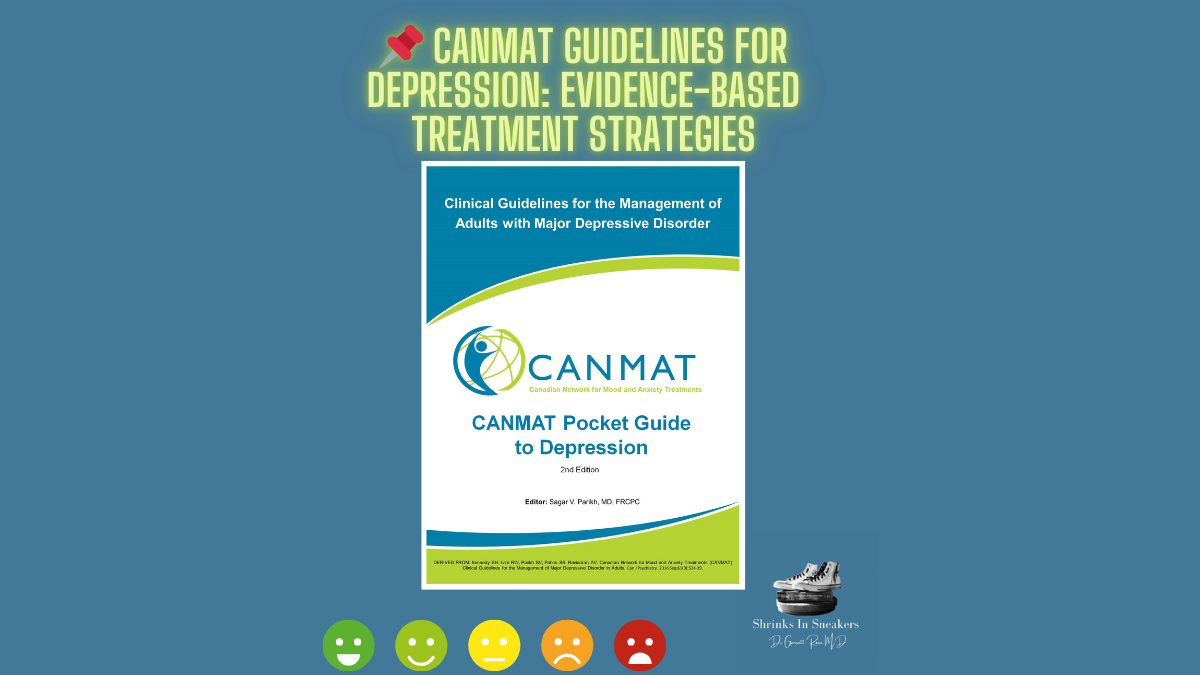
    📌 CANMAT Guidelines for Depression: Evidence-Based Treatment Strategies

    The CANMAT 2016 guidelines remain one of the most comprehensive, evidence-based frameworks for treating major depressive disorder (MDD). These guidelines emphasize a stepwise, individualized approach based on efficacy, safety, and patient preference. Here’s a breakdown of the key recommendations:

    🔹 First-Line Treatments

    ✅ Psychotherapy – Cognitive Behavioral Therapy (CBT), Interpersonal Therapy (IPT), and Mindfulness-Based CBT are recommended, especially for mild to moderate depression.
    ✅ Pharmacotherapy – SSRIs, SNRIs, bupropion, mirtazapine, and vortioxetine are all first-line antidepressantsbased on efficacy and tolerability.
    ✅ Neurostimulation – Electroconvulsive Therapy (ECT) and Repetitive Transcranial Magnetic Stimulation (rTMS) are considered first-line for severe or treatment-resistant depression (TRD).

    🔹 Second-Line Treatments

    🔸 Other antidepressants – Tricyclics (TCAs), trazodone, moclobemide, and some atypical antipsychotics (e.g., quetiapine XR, aripiprazole, brexpiprazole)
    🔸 Adjunctive strategies – Lithium, atypical antipsychotics, or combination antidepressant therapy for partial responders
    🔸 Ketamine/esketamine – Emerging evidence for TRD

    🔹 Third-Line & Beyond

    🔹 MAOIs (reserved for treatment-resistant cases)
    🔹 Novel agents (psilocybin, anti-inflammatory treatments) – Experimental but promising

    💡 Key Takeaways
    🔹 Personalized treatment is essential – factors like symptom profile, comorbidities, and patient preference influence the best approach.
    🔹 Combination strategies (meds + psychotherapy) often yield superior outcomes.
    🔹 Treatment-resistant depression requires a multimodal approach, including augmentation, switching strategies, and neurostimulation options.

    The CANMAT guidelines are a critical resource for clinicians, offering a structured approach to optimizing depression treatment. What are your go-to strategies for managing MDD? Let’s discuss!

    #DepressionTreatment #Psychiatry #CANMAT #MDD #Psychopharmacology

  • Breaking Down Barriers: The Impact of Psychotherapy on Suicidal Ideation and Attempts

    Breaking Down Barriers: The Impact of Psychotherapy on Suicidal Ideation and Attempts

    New Insights from JAMA

    This systematic review and meta-analysis dives deep into the impact of both direct and indirect psychotherapy on suicidal ideation and suicide attempts.

    Key takeaways:

    1. Broad Scope: The study analyzed a vast array of data, ensuring a comprehensive overview of psychotherapy’s effectiveness in reducing suicidal thoughts and behaviors.
    2. Direct vs. Indirect Therapy: It highlights the distinct impacts of direct (face-to-face) and indirect (telehealth, self-help) psychotherapeutic approaches.
    3. Hope for Patients: The findings are a beacon of hope, showing significant reductions in suicidal ideation and attempts post-therapy.

    As healthcare providers, this data reinforces the crucial role of psychotherapy in our therapeutic arsenal. It’s a powerful reminder of how our interventions can save lives and offer patients a brighter, more hopeful future.

    For those in psychiatry and mental health care, this is a must-read article that could shape how we approach treatment for individuals at risk.

    Let’s continue to break down barriers and provide life-saving care. 💪✨

    Link to the article: https://jamanetwork.com/journals/jamapsychiatry/article-abstract/2824096

  • Personalized Medicine for Anxiety and Depression: Advancing Science or Elusive Promise?

    Personalized Medicine for Anxiety and Depression: Advancing Science or Elusive Promise?

    For some time now, I’ve believed that the diagnostic categories of major depression and generalized anxiety disorder are too broad to effectively guide treatment. Our current approach often relies on a one-size-fits-all strategy, using psychotherapy or medication based on generalized diagnostic criteria. Unfortunately, the outcomes reflect this lack of precision: roughly one-third of patients improve, one-third see no change, and one-third worsen. These statistics are disheartening, especially given the profound impact these disorders have on patients’ lives.

    While this study offers valuable insights into the neurobiological underpinnings of depression and anxiety, it falls short in providing practical solutions for the average clinician. The specialized testing required to identify these differences remains cumbersome and is currently limited to research settings. What we urgently need are more accessible and efficient tools for implementing personalized medicine, enabling these advances to reach the patients who need them most.

    A recent study, Personalized brain circuit scores identify clinically distinct biotypes in depression and anxiety, sheds light on a groundbreaking approach to understanding mood and anxiety disorders. By leveraging advanced neuroimaging and machine learning techniques, researchers have developed “personalized brain circuit scores” to uncover clinically distinct biotypes among individuals with depression and anxiety.

    1. Biotypes: Moving Beyond Traditional Diagnosis

    Traditional psychiatric diagnoses often group diverse presentations under broad categories, leading to variability in treatment outcomes. This study challenges the status quo by identifying neurobiologically distinct subtypes—or biotypes—based on brain circuit activity. These biotypes provide a more precise framework for understanding individual experiences and may pave the way for tailored treatments.

    2. Methodology: Leveraging Neuroimaging and Machine Learning

    Using functional MRI (fMRI), researchers analyzed patterns of connectivity within and between key brain regions implicated in mood regulation, such as the prefrontal cortex, amygdala, and striatum. Machine learning models assigned scores that quantified circuit-specific abnormalities for each participant. These scores were used to cluster individuals into biotypes.

    3. Clinical Implications

    The identified biotypes corresponded to clinically relevant distinctions, such as:

    • Symptom profiles (e.g., anhedonia vs. hyperarousal).
    • Differential response to treatments like SSRIs, CBT, or neuromodulation.
    • Prognostic outcomes, suggesting some biotypes may be more treatment-resistant or prone to relapse.

    4. Toward Precision Psychiatry

    This study exemplifies the shift toward precision psychiatry, where treatment decisions are informed by individual brain signatures rather than symptom checklists alone. For example, a patient with a biotype characterized by hyperactive amygdala-prefrontal connectivity might benefit more from interventions targeting emotional regulation, such as mindfulness-based therapies or targeted neuromodulation.

    5. Limitations and Future Directions

    While promising, this research is in its early stages. The generalizability of biotypes across diverse populations and clinical settings requires further validation. Additionally, the integration of personalized circuit scores into routine clinical practice faces logistical and ethical challenges, including access to advanced neuroimaging.

    Takeaway for Clinicians and Researchers

    The study emphasizes the heterogeneity within depression and anxiety disorders and highlights the importance of moving toward biologically informed frameworks. For clinicians, this underscores the need to consider individual variability in treatment planning. For researchers, it opens avenues for studying neurobiologically grounded interventions and refining diagnostic systems.

    As personalized medicine gains traction in psychiatry, tools like brain circuit scores may revolutionize how we diagnose and treat mental health disorders, ensuring that each patient receives the most effective care tailored to their unique neurobiology.

  • Hoarding Disorder: A Looming National Crisis?

    Hoarding Disorder: A Looming National Crisis?

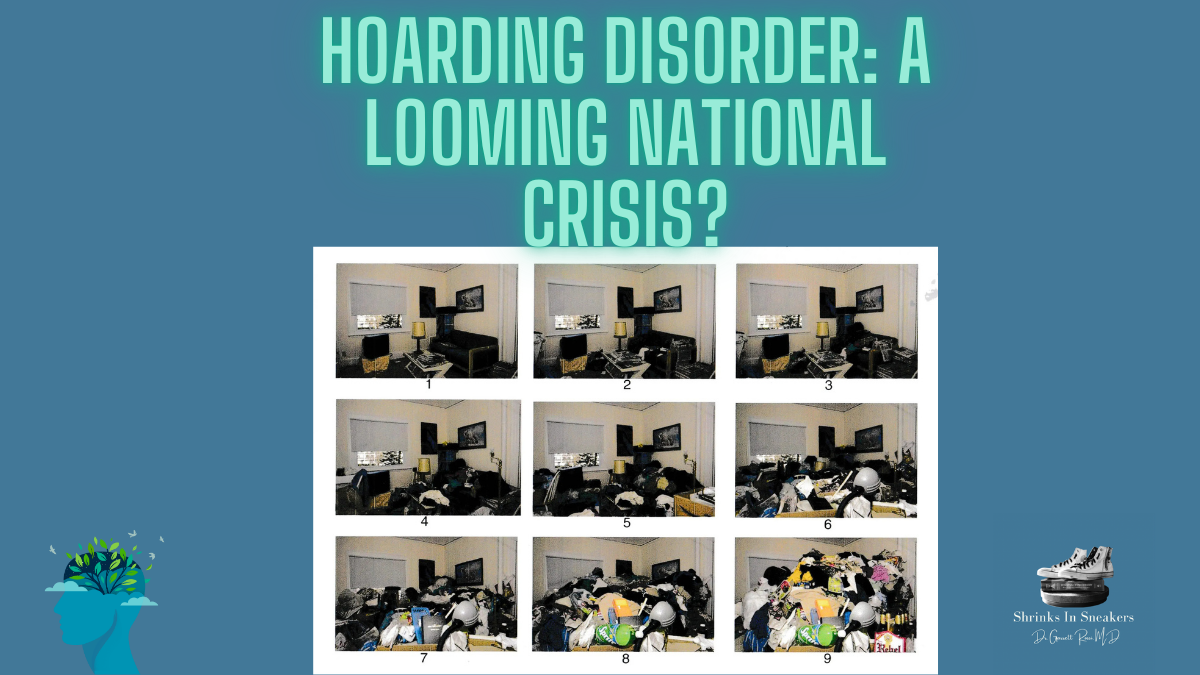
    A recent article on Medscape, Hoarding Disorder: A Looming National Crisis?, highlights the growing prevalence of hoarding disorder (HD) among older adults. While HD affects approximately 2% of the general population, studies suggest that prevalence may reach up to 6% among individuals over 70 years old.

    HD is characterized by persistent difficulty discarding possessions, even those with little to no monetary value. For individuals with HD, these items often provide a sense of security or serve as emotional reminders of the past. To outsiders, it’s difficult to understand why these possessions hold such deep significance, but for the person with HD, the items have profound sentimental value.

    Hoarding disorder is sometimes viewed as a subset of obsessive-compulsive disorder (OCD), but the overlap is not absolute. Many individuals with HD do not meet diagnostic criteria for OCD and often fail to respond to traditional OCD treatments. In my practice, I’ve come to conceptualize HD less as an extension of OCD and more as a personality-related condition influenced by environmental and psychological factors. For instance, many individuals with HD grew up in homes where similar behaviors were modeled. However, the precise causes of HD remain unclear.

    The consequences of HD are particularly concerning in older adults. The accumulation of clutter can pose significant safety risks, including fire hazards, tripping injuries, and even the potential for homelessness. These dangers were evident in a recent consult case where a medical team sought a psychiatric assessment of an elderly patient living in a severely cluttered home. Although the risks were undeniable, the individual did not meet criteria for psychiatric hospitalization. Even if hospitalization were an option, there is no FDA-approved treatment for HD at this time.

    The most evidence-based intervention we have for HD is cognitive-behavioral therapy (CBT), which requires sustained engagement over many weeks. Unfortunately, a key barrier is that many individuals with HD do not recognize the need for change or are reluctant to participate in therapy. This makes HD a uniquely challenging condition to address.

    Effective management of HD begins with education—helping patients understand the disorder, its risks, and the available treatment options. But education alone is not enough. We urgently need robust community support systems, including services to assist with clearing hazardous clutter and providing ongoing support to encourage treatment adherence.

    Inpatient psychiatric hospitalization, in my opinion, offers little benefit for HD. Instead, we need long-term, community-focused solutions. While policymakers often call for greater action to address mental health challenges, they frequently overlook the resource constraints faced by frontline providers. If we are to rise to this challenge, funding and systemic support must match the urgency of their rhetoric.

    HD is more than a personal struggle—it’s a public health issue with profound implications for individuals, families, and communities. As healthcare providers, we are ready to do more. Now, we need our leaders to step up and provide the resources to make that possible.

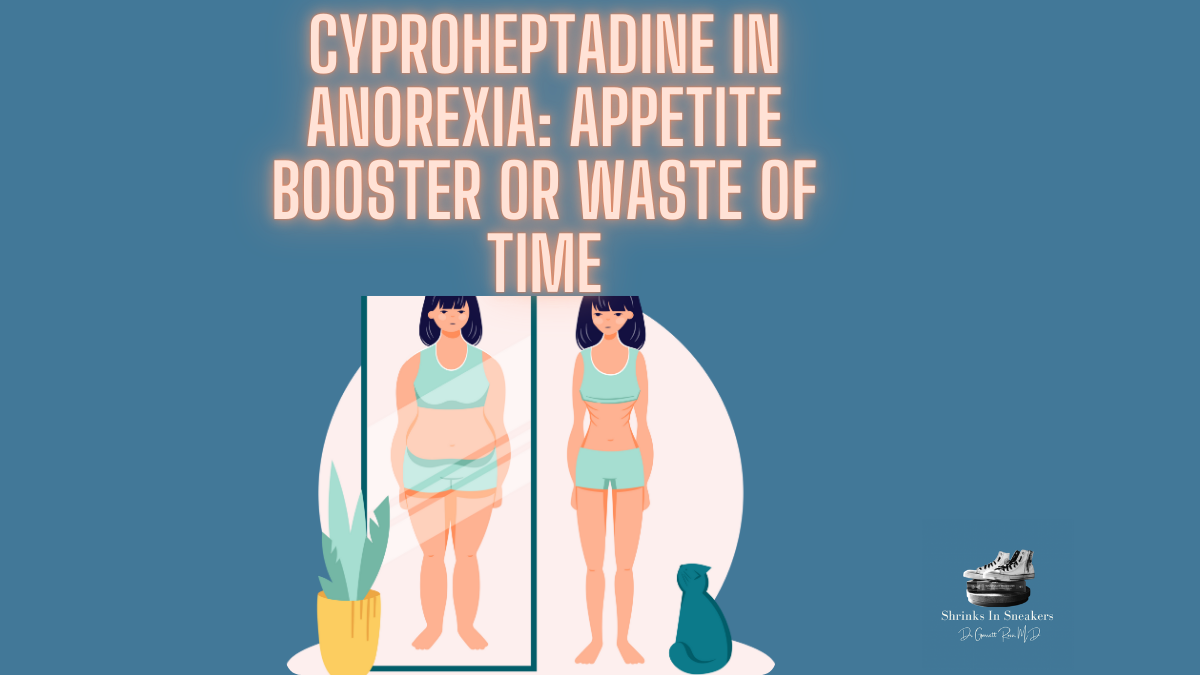
  • Cyproheptadine in Anorexia: Appetite Booster or Waste of Time

    Cyproheptadine in Anorexia: Appetite Booster or Waste of Time

    Over the past few posts, I’ve been using real cases from my practice to highlight essential teaching points in managing complex conditions. Anorexia nervosa, one of the most severe and high-mortality disorders I encounter, demands a multifaceted approach, especially in critical cases. Recently, I had to explore every possible option to support a particularly challenging case, including cyproheptadine—a medication with potential benefits in anorexia. I decided to dive deeper into the evidence supporting its use. At the end of this post, I’ll share my own experience with cyproheptadine in this case and whether it made a difference in the outcome

    Cyproheptadine has been studied in the treatment of anorexia, particularly anorexia nervosa, due to its appetite-stimulating and antihistaminic properties. Some early randomized controlled trials (RCTs) suggested it might have benefits, especially for anorexia nervosa with certain subtypes, but the evidence has been mixed, and it’s not widely recommended in current guidelines.

    1. Weight Gain: Cyproheptadine has been shown in some RCTs to help promote weight gain in individuals with anorexia nervosa, particularly in those with a restricting type of the disorder. However, results have not been consistent across studies, with some trials finding minimal or no effect on weight gain.
    2. Symptom Relief: Cyproheptadine may help reduce anxiety and obsessive thoughts related to food, as its antihistaminic and mild sedative effects can have a calming influence. However, this has not been strongly confirmed across all trials.
    3. Limitations and Side Effects: The mixed evidence may relate to differences in study designs, anorexia subtypes studied, and dosages used. Side effects, such as sedation, have also limited its use, especially in outpatient settings where these effects might interfere with daily functioning.

    Overall, while some RCTs have shown cyproheptadine might help with weight gain and symptom relief in anorexia, particularly in non-binging types, the evidence remains inconclusive. In my personal practice with the medication, I saw limited if any benefit by adding this medication to current standard of treatment. We are often looking for solutions to complex difficult to treat conditions such as anorexia, but the benefits here seem to be limitted both from the research and clinical perspective.