Chances are high that you know someone with an addictive disorder. This article provides information on how we diagnose addictive disorders and the symptoms included in substance use disorder diagnoses.
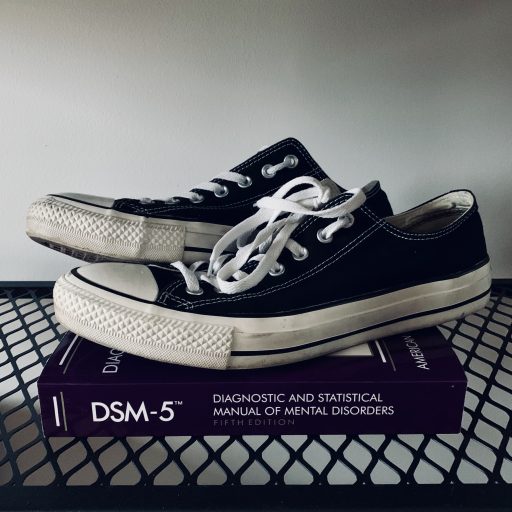
Diagnosing addictive disorders is based on the Diagnostic and Statistical Manual of Mental Disorders aka DSM, which is currently on version 5. The DSM is considered the Bible of psychiatry (be on the look-out for a forthcoming article on the storied history of the DSM, it’s more dramatic than you might think). First, let’s address which substance use disorders are currently included in the DSM.
1. Alcohol
Self-explanatory. Beer, wine, liquor, hand sanitizer (yup, I’ve seen it).
2. Caffeine
That’s right, caffeine use disorder is a psychiatric diagnosis. It’s a substance that produces psychological and physiological effects in the body and is frequently overlooked. This includes coffee, tea, diet coke, monster energy drinks, and the list continues. Some over the counter supplements contain caffeine such as popular pre-workout drinks. It’s a sneaky chemical and found in many foods and beverages.
3. Cannabis aka marijuana
Consumed in various ways. Comes from the various parts of the cannabis sativa or cannabis Indica plant. There is a frequent misconception that “marijuana isn’t addictive.” While marijuana doesn’t typically have a withdrawal syndrome, it most certainly is included in the list of substances that may result in substance use disorders.
4. Hallucinogens
Hallucinogens are divided into classic and dissociative hallucinogens. The classic category includes drugs like LSD, psilocybin (magic mushrooms), peyote, and DMT (ayahuasca.) Examples of dissociative hallucinogens include PCP, ketamine, dextromethorphan (found in cough syrup), and salvia. They can be used in a variety of ways and generally alter awareness and perception.
5. Inhalants
Okay so this is a really random category because it may include so many things. Basically, anything that can be inhaled and shouldn’t be. Spray paint, gasoline, whipped cream bottles, cleaning spray, lighters. If it is a substance that gets inhaled, it falls in this category.
6. Opioids
Makes the news all the time due to the high risk of overdose death. Includes drugs like Percocet, OxyContin, heroin, and fentanyl. May be taken by mouth, snorted, or injected. The respiratory arrest caused by these drugs is reversed by a drug called Narcan or naloxone, which is administered via injection or nasal spray.
7. Sedatives/Hypnotics/Anxiolytics
This category encompasses CNS depressants including the ever-popular benzodiazepines (such as Xanax and Valium). Also includes sleeping medications such as Ambien as well as some old school medications like phenobarbital. (Fun fact: butalbital, a barbiturate related to phenobarbital, is one of the ingredients in a prescription headache medicine Fioricet, in combination with Tylenol and our friend caffeine.)
8. Stimulants
Most famous drug of abuse stimulant first: cocaine. My favorite song about cocaine is White Lines by Grandmaster Flash and the Furious Five. Give it a listen. White Lines on YouTube. Methamphetamine (crystal meth) is probably the second most well-known stimulant, sensationalized by the popular show Breaking Bad. Other drugs of abuse in this category include medications for ADHD such as Adderall.
9. Tobacco
Cigarettes, dip, vaping. Perhaps the deadliest of the drugs of abuse. According to the American Academy of Addiction Psychiatry, tobacco use disorder is the most common substance use disorder and affects 60-80% of smokers. (Reference) This drug has been directly linked to a number of cancers, stroke, blood clots, heart disease, and lung disease and causes a tremendous burden to public health.
10. Other
Catch-all for any other drugs that meet criteria for a substance use disorder. Continually evolving.
Bonus: Gambling
Gambling is the only behavioral addiction currently included in the DSM although internet gaming and hypersexual disorders are under investigation.
Diagnosing
Next – how are these disorders diagnosed? Contrary to what you may think, quantity of drug consumed and frequency of use aren’t included in the diagnostic criteria. The mandatory component to diagnosing a substance use disorder is that the drug use leads to significant impairment or distress. If there is no impairment in life functioning or distress, there is no substance use disorder, regardless of whether the behavior upsets others.
In addition to functional impairment, there are eleven criteria that comprise the diasnosis of substance use disorder. Two are needed to make a diagnosis. The criteria are divided into four categories: (i) impaired control, (ii) social impairment, (iii) risky use, and (iv) pharmacological criteria. The diagnoses are further classified into mild (2-3 symptoms), moderate (4-5 symptoms), or severe (6-11 symptoms). The symptoms must have occurred during a twelve month period. Below you’ll find examples of each criteria for alcohol use disorder.
1. Using more substance than intended or using over a longer period of time than intended.
Example: Planning to have a glass of wine and then drinking the whole bottle.
2. Using substances in hazardous situations.
Example: drunk driving
3. Continued use despite interpersonal problems.
Example: arguing with spouse while drunk, arguing about drinking too much
4. Tolerance
Example: Needing six drinks to feel buzzed when it used to take three.
5. Withdrawal
Example: Getting tremors, or “the shakes” when abstaining from alcohol.
6. Continued use despite problems at work, school, or home.
Example: getting suspended from school for showing up drunk
7. Unsuccessful efforts to cut down on substance use
Example: Decided not to drink this weekend, but by Friday night, purchased a case of beer
8. Lots of time spent obtaining, using, or recovering from the substance.
Example: Teenager spends the entire day on a Friday finding someone to buy alcohol for the weekend and then all day Monday in bed with a hangover.
9. Important activities given up due to substance use.
Example: Stopped going to the gym because of either being drunk or hungover most of the time.
10. Continued use despite physiological or psychological problems caused or worsened by the substance.
Example: Drinking despite having elevated liver function tests indicating liver damage.
11. Craving.
Example: The strong desire for a drink. If you haven’t had a craving before, it’s difficult to explain. It can occupy your entire brain and thoughts.
This has been a fairly dense post, but hopefully it clarifies how substance use disorders are diagnosed. In the future, this foundational knowledge will provide a framework for current event topics related to addictive disorders.
Addictive disorders are of particular interest to Shrinks in Sneakers! If there are any specific topics you would like to hear about, please reach out and we will work on something.