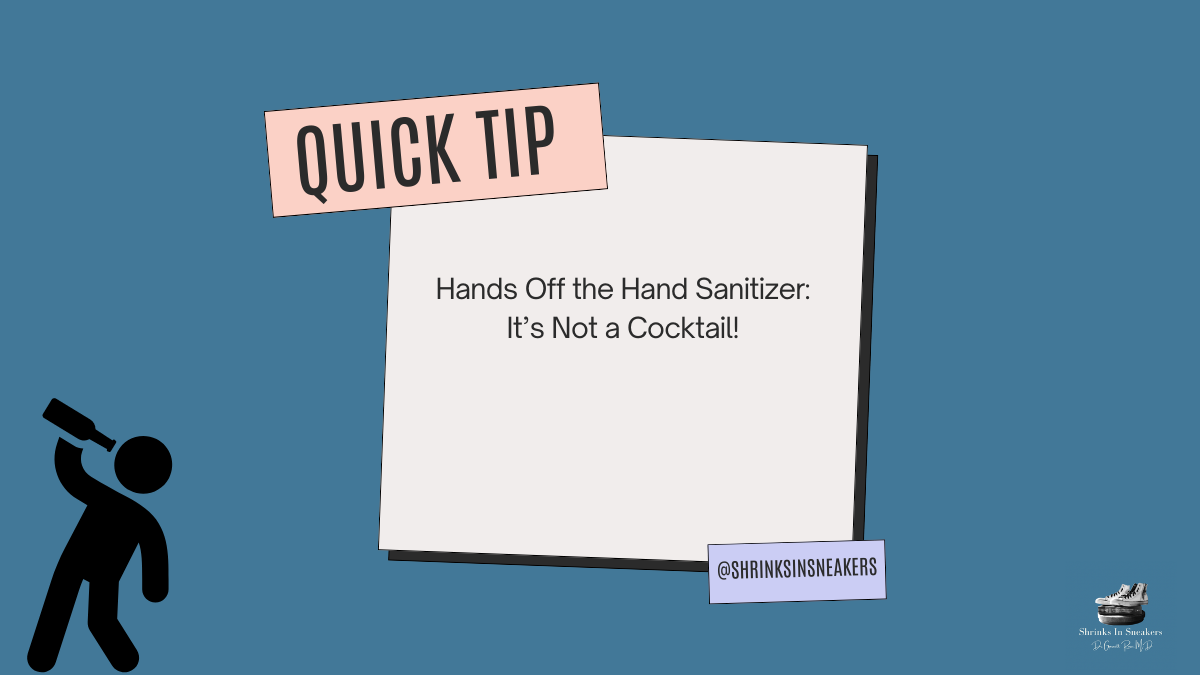
Have you ever noticed that hand sanitizer is sometimes locked up in certain areas of the hospital? The reason for this is that individuals with severe alcohol use disorder may attempt to drink it. One of the highest blood alcohol levels (BAL) I’ve ever encountered came from a patient who found an unlocked dispenser, opened it, and consumed an entire bottle of sanitizer. Their BAL was an alarming 600 when we tested them. This highlights the dangers and societal impact of risky alcohol consumption—something I’ve witnessed firsthand in the inpatient setting.
Tag: drinking
-

Alcohol: The Socially Acceptable Drink That Could Be Killing You
While alcohol is widely accepted in social settings and deeply embedded in many cultures, it’s important to recognize that its social acceptance does not make it harmless. In fact, alcohol has caused far more harm than many illegal substances that are often perceived as more dangerous.
Alcohol is linked to numerous health problems, including liver disease, heart issues, and various forms of cancer. It’s also a leading contributor to accidents, violence, and fatalities, with drunk driving being one of the most deadly consequences. Beyond physical health, alcohol abuse can devastate relationships, contribute to domestic violence, and exacerbate mental health conditions like depression and anxiety.
Alcohol’s normalized presence in society often downplays the risks of dependency and addiction. Many people who drink don’t realize how easy it can be to develop problematic drinking, which can lead to a host of long-term issues, both physically and emotionally.
Despite its legal status and social acceptance, alcohol has proven to be one of the most harmful substances in terms of both individual and societal impact. Recognizing the risks and encouraging more mindful consumption can help reduce the extensive harm caused by this seemingly benign substance.
Link:
https://www.washingtonpost.com/wellness/2024/08/19/alcohol-drinking-deaths-worldwide
-
Ketamine for Alcohol Use Disorder
In a previous post we discussed the details of Esketamine and the important things patients need to know about the medication. In this post I will discuss the experimental treatment for problematic drinking that involves a single infusion of ketamine. Now I know what you might be thinking. Here we go again, psychiatrists using a medication with potential for addiction on patients already struggling with addiction. It seems like we are just substituting on drug for another drug. Before we get too excited let’s look at the evidence.
The study looked at 90 heavy drinkers, which all had a score greater than 8 on the Alcohol Use Disorder Identification Test but did not have a formal diagnosis of alcohol use disorder. Bottom line, the people in the study were drinking a lot but were not diagnosed with a use disorder.
The study participants received a single dose of intravenous (IV) ketamine along with cognitive behavioral therapy (CBT) that focused on “maladaptive reward memories” (MRMs). The idea behind the combination of ketamine and CBT is that it works to reboot the brains reward pathway which has been overrun by excessive drinking. The ketamine infusion sets the stage for the CBT and allows the patient to relearn new more adaptive associations in relation to alcohol. In the study the combination of ketamine and CBT resulted in a 50% reduction in weekly alcohol consumption at 9 months.
We know the reward system in the brain in suspectable to alterations and disordered function in the presence of substance use. Environmental triggers become associated with drug use, and these associations can be difficult to change. It’s essential to interrupt these reward memories and learn new healthy associations to prevent relapse. This is where the single ketamine infusion comes in. A promising method to break these associations is by interrupting the process of memory reconsolidation. These memories rely on N-methyl D-aspartate receptors (NMDAR) and ketamine acts as an antagonist (blocker) of these receptors. Theoretically ketamine should weaken the memories and make it easier to form new associations. Once the brain is susceptible to forming new associations the patient would be forming new associations with the help of the CBT protocol. Thus, the two therapies work in combination with each other. The ketamine acts as a primer setting the stage for new learning and the CBT helps to form new health associations.
My Take
I actually have some experience with the use of a single ketamine infusion in opioid use disorder along with transcranial magnetic stimulation, and a mindfulness-based CBT protocol. The concept was essential the same, just applied to opioid use disorder. I think treatments like this have potential. Clearly more studies are required before this treatment is available to larger patient populations. Alcohol remains a major cause of morbidity and mortality worldwide. We are looking for treatments that work and are going to enhance the lives of our patients. Time and more research will tell what impact this treatment has on addiction medicine, but it remains an exciting new approach.