Tag: ECT

  • Managing Mild to Severe Depression: A Guide to Treatment Approaches

    Managing Mild to Severe Depression: A Guide to Treatment Approaches

    It is crucial to recognize that none of the available medications or neuromodulation procedures, including electroconvulsive therapy (ECT) and psychedelics, are disease-modifying. This means that while these treatments can alleviate symptoms, they do not address the underlying causes of depression. Think of them like acetaminophen for a fever—it may temporarily reduce the fever, but without treating the underlying infection, the fever will return.

    Neuromodulation refers to techniques that alter brain activity through electrical or magnetic stimulation. Examples include ECT, transcranial magnetic stimulation (TMS), and vagus nerve stimulation (VNS), all of which have been explored as treatments for severe depression.

    Optimizing Depression Treatment for Different Severity Levels

    Given this understanding, how can we best utilize these treatments to support patients during difficult times? The key is to acknowledge that medications and neuromodulation primarily serve as symptom management tools, most effectively used in the short term for severe cases.

    Mild to Moderate Depression: Prioritizing Non-Medication Approaches

    For individuals experiencing mild to moderate depression, medication should not be the first line of treFor individuals experiencing mild to moderate depression, medication should not be the first line of treatment. Many people can directly link their depressive symptoms to stressful life events. In such cases, the best initial approach includes:

    • Cognitive Behavioral Therapy (CBT) – Evidence-based therapy that helps reframe negative thinking patterns. Research has shown that CBT is as effective as antidepressants for mild to moderate depression, with relapse rates significantly reduced in those who complete therapy.
    • Lifestyle Modifications – Regular exercise and a healthy diet have strong evidence supporting their role in reducing depressive symptoms. A study published in JAMA Psychiatry found that individuals engaging in at least 150 minutes of moderate exercise per week had a 25% lower risk of developing depression.

    For some, these interventions alone may be sufficient to overcome depression and maintain long-term well-being. If additional support is needed, natural supplements with reasonable evidence, such as St. John’s Wort and S-Adenosylmethionine (SAMe), may be considered for mild to moderate depression. However, these supplements are not without risks—St. John’s Wort can interact with many medications, including antidepressants and birth control pills, potentially reducing their effectiveness. SAMe may cause gastrointestinal discomfort or manic symptoms in individuals with bipolar disorder.

    Severe Depression: When Medication and Neuromodulation Play a Role

    For individuals with severe depression, particularly those at risk for self-harm or suicide, the risks and benefits of medication should be carefully weighed. Antidepressants and neuromodulation therapies have demonstrated the most significant impact in these cases. When selecting a medication, I prioritize those with a lower risk of concerning side effects, particularly sexual dysfunction. My initial choices often include:

    • Bupropion – A dopamine-norepinephrine reuptake inhibitor with a favorable side effect profile.
    • Vortioxetine – Known for its cognitive benefits and relatively low sexual side effects.
    • Mirtazapine – Can be beneficial for those with sleep disturbances or appetite loss.
    • Vilazodone – A serotonin modulator with a lower incidence of sexual dysfunction compared to SSRIs.

    It is essential for patients starting antidepressants to be closely monitored, especially in the early weeks of treatment, to assess for side effects and response. Regular follow-ups with a healthcare provider can help adjust dosages or explore alternative treatments if needed.

    Treatment Duration and Discontinuation Considerations

    For those starting medication, I generally recommend continuing treatment for 6 to 12 months, followed by an assessment to determine whether tapering off is feasible. This process involves shared decision-making, considering:

    • Symptom severity and stability
    • Level of daily functioning
    • Patient’s goals and preferences

    The goal is to ensure that the patient has developed effective coping strategies, engaged in therapy, and adopted a healthy lifestyle before considering medication discontinuation. If stopping medication is not advisable, we work to identify the lowest effective dose for long-term maintenance.

    Final Thoughts

    Depression treatment should be personalized and dynamic, evolving with the patient’s needs. By recognizing that medications and neuromodulation are tools for symptom management rather than cures, we can ensure they are used effectively—providing relief during crises while prioritizing long-term strategies for resilience and recovery.

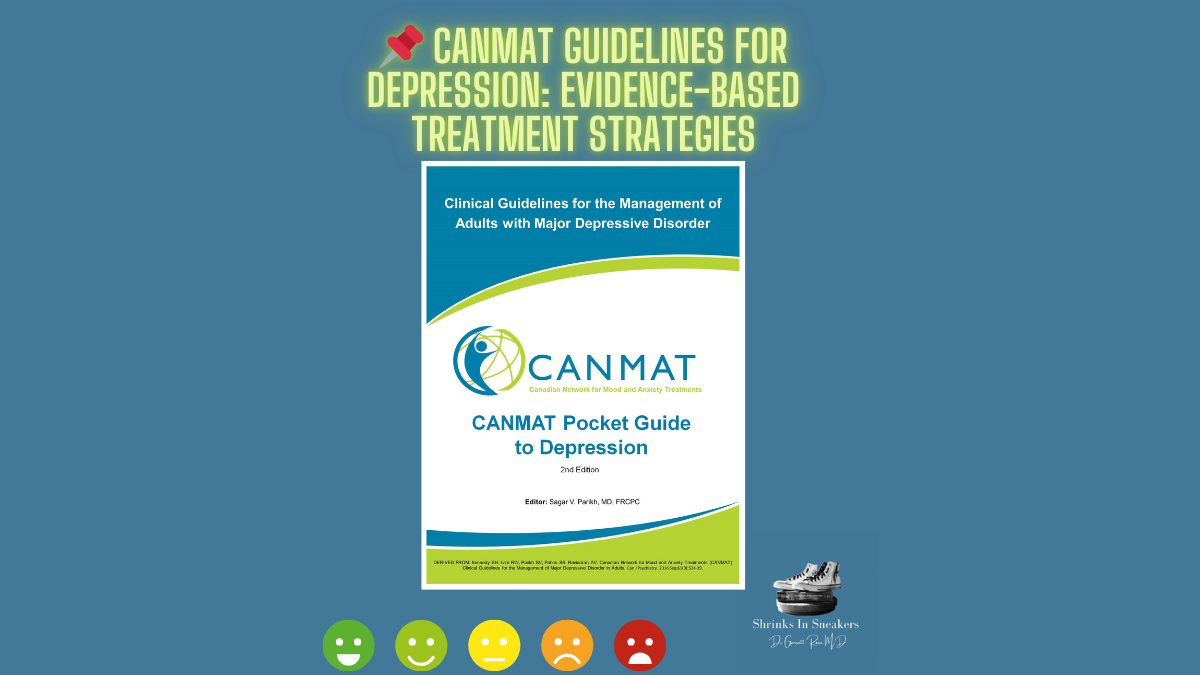
  • 📌 CANMAT Guidelines for Depression: 2023 Update

    📌 CANMAT Guidelines for Depression: 2023 Update

    The Canadian Network for Mood and Anxiety Treatments (CANMAT) released updated guidelines in 2023 for the management of Major Depressive Disorder (MDD), reflecting recent advancements in the field.

    Key Updates in the 2023 CANMAT Guidelines:

    1. Personalized Care Approach:
      • Emphasis on shared decision-making, considering patient values, preferences, and treatment history to tailor individualized treatment plans.
    2. Updated Treatment Recommendations:
      • Psychological Therapies: Continued endorsement of therapies like Cognitive Behavioral Therapy (CBT) and Interpersonal Therapy (IPT) for mild to moderate depression.
      • Pharmacological Treatments: Introduction of newer antidepressants and updated recommendations based on recent evidence.
      • Neuromodulation: Expanded guidance on treatments such as Transcranial Magnetic Stimulation (TMS)and Electroconvulsive Therapy (ECT), especially for treatment-resistant cases.
    3. Lifestyle and Complementary Interventions:
      • Recognition of the role of exercisenutrition, and sleep in managing depression.
      • Evaluation of complementary and alternative medicine approaches, providing guidance on their efficacy and safety.
    4. Digital Health:
      • Assessment of digital interventions, including online therapy platforms and mobile applications, as supplementary tools in treatment plans.
    5. Management of Inadequate Response:
      • Strategies for addressing partial or non-response to initial treatments, including augmentation and combination therapies.

    These updates underscore the importance of a collaborative and individualized approach in managing MDD, integrating the latest evidence to optimize patient outcomes.

    For a comprehensive overview, refer to the full publication: 

    pubmed.ncbi.nlm.nih.gov

  • 📌 CANMAT Guidelines for Depression: Evidence-Based Treatment Strategies

    📌 CANMAT Guidelines for Depression: Evidence-Based Treatment Strategies

    The CANMAT 2016 guidelines remain one of the most comprehensive, evidence-based frameworks for treating major depressive disorder (MDD). These guidelines emphasize a stepwise, individualized approach based on efficacy, safety, and patient preference. Here’s a breakdown of the key recommendations:

    🔹 First-Line Treatments

    ✅ Psychotherapy – Cognitive Behavioral Therapy (CBT), Interpersonal Therapy (IPT), and Mindfulness-Based CBT are recommended, especially for mild to moderate depression.
    ✅ Pharmacotherapy – SSRIs, SNRIs, bupropion, mirtazapine, and vortioxetine are all first-line antidepressantsbased on efficacy and tolerability.
    ✅ Neurostimulation – Electroconvulsive Therapy (ECT) and Repetitive Transcranial Magnetic Stimulation (rTMS) are considered first-line for severe or treatment-resistant depression (TRD).

    🔹 Second-Line Treatments

    🔸 Other antidepressants – Tricyclics (TCAs), trazodone, moclobemide, and some atypical antipsychotics (e.g., quetiapine XR, aripiprazole, brexpiprazole)
    🔸 Adjunctive strategies – Lithium, atypical antipsychotics, or combination antidepressant therapy for partial responders
    🔸 Ketamine/esketamine – Emerging evidence for TRD

    🔹 Third-Line & Beyond

    🔹 MAOIs (reserved for treatment-resistant cases)
    🔹 Novel agents (psilocybin, anti-inflammatory treatments) – Experimental but promising

    💡 Key Takeaways
    🔹 Personalized treatment is essential – factors like symptom profile, comorbidities, and patient preference influence the best approach.
    🔹 Combination strategies (meds + psychotherapy) often yield superior outcomes.
    🔹 Treatment-resistant depression requires a multimodal approach, including augmentation, switching strategies, and neurostimulation options.

    The CANMAT guidelines are a critical resource for clinicians, offering a structured approach to optimizing depression treatment. What are your go-to strategies for managing MDD? Let’s discuss!

    #DepressionTreatment #Psychiatry #CANMAT #MDD #Psychopharmacology

  • Facing Treatment-Resistant Depression? Your Risk of Death Could Skyrocket

    Facing Treatment-Resistant Depression? Your Risk of Death Could Skyrocket

    A recent population-based cohort study examining cause-specific mortality in treatment-resistant major depression (TRD) revealed significant findings about the increased risks faced by those with TRD. The study, which analyzed data from over 176,000 Finnish patients diagnosed with major depressive disorder (MDD), found that approximately 11% of these patients developed TRD, meaning they did not respond to at least two adequate treatment trials.

    Key findings include that patient’s with TRD had a 17% higher overall mortality rate compared to non-TRD patients. The study highlights that much of this elevated mortality stems from external causes, with TRD patients facing nearly double the risk of suicide and a 27% higher chance of accidental death. Factors like male gender, psychotic depression, and rapid failure of initial treatments were linked to higher mortality risks.

    These findings highlight the importance of early intervention and aggressive treatment strategies for those diagnosed with TRD. The study suggests that clinicians should monitor patients closely and consider alternative therapeutic interventions, such as electroconvulsive therapy (ECT) or transcranial magnetic stimulation (TMS), when conventional treatments fail​

    Link to the article: https://www.sciencedirect.com/science/article/pii/S0165032724015490?via%3Dihub

  • ECT Maintenance: To Continue or Not To Continue

    ECT Maintenance: To Continue or Not To Continue

    The article on Clinical Outcomes of Continuation and Maintenance Electroconvulsive Therapy (ECT) highlights the role of ECT in preventing relapses in patients with major depressive disorder. Continuation (C-ECT) and maintenance (M-ECT) ECT, when used after an initial successful acute ECT response, are shown to be effective in reducing the recurrence of mood disorders, particularly when combined with pharmacotherapy. Despite its proven benefits, this therapeutic approach is underutilized. Studies also suggest that C-ECT and M-ECT are well-tolerated with no significant cognitive decline​

    Link to the study: https://jamanetwork.com/journals/jamapsychiatry/article-abstract/2823669

  • 20 Seconds or 60 Seconds: One Doubles Your Chances of Remission

    20 Seconds or 60 Seconds: One Doubles Your Chances of Remission

    In ECT, there’s a common saying that “nothing good happens after 1 minute.” However, recent data suggests that nothing good happens if a seizure lasts less than 20 seconds either. Patients whose seizures lasted 30 seconds or longer during their first ECT session were more than twice as likely to achieve remission by the end of treatment compared to those with seizures under 20 seconds. Seizure durations around one minute appeared to provide the best chances for remission.

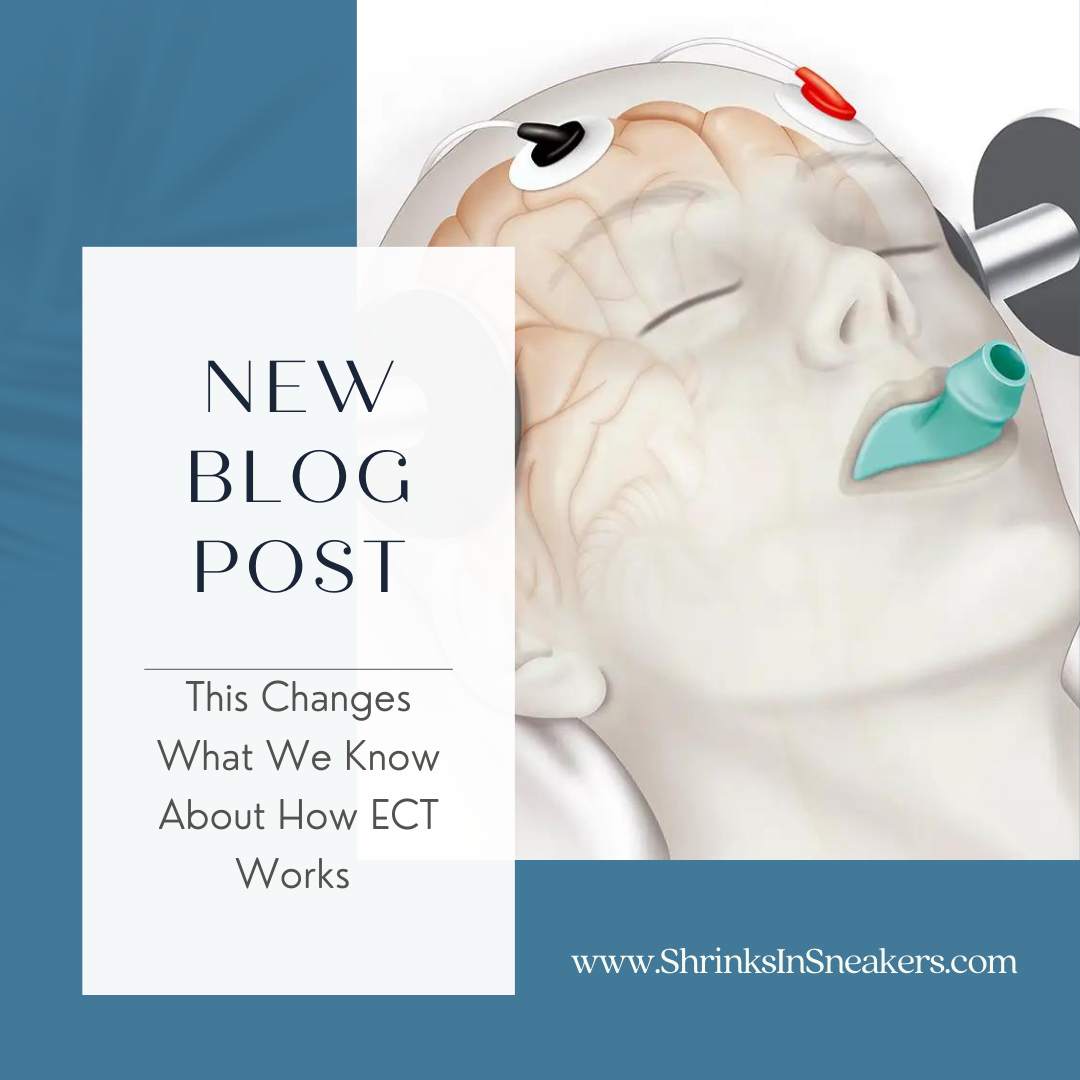
  • This Changes What We Know About How ECT Works 

    This Changes What We Know About How ECT Works 

    I’ve had tremendous success with Electroconvulsive Therapy (ECT) in treating resistant depression (TRD). I’ve witnessed remarkable turnarounds, where individuals on the brink of despair have found new joy in life. Such rapid improvements are often not seen with medication alone.

    Until now, there have been various theories about how ECT works in treating depression. I’ve always viewed it as a combination of increased neuroplasticity, which allows new, more adaptive connections to form quickly, and a boost in all major monoamine neurotransmitters.

    However, new research published in Translational Psychiatry suggests that aperiodic brain activity might be key to the improvements we see with ECT. There’s a significant increase in this type of brain activity after patients undergo ECT, which enhances inhibitory activity in the brain, effectively “pumping the brakes” and alleviating depressive symptoms.

    Unfortunately, ECT remains one of the most stigmatized and underutilized treatments in psychiatry. It’s estimated that less than 1% of those with treatment-resistant depression (TRD) receive ECT—a disheartening statistic that contributes to depression’s status as a leading cause of disability.

    For patients where medications have repeatedly failed, ECT can be a life-saving treatment. There are many compelling stories of lives transformed by ECT, but the public rarely hears them. We need to create more opportunities to share these powerful success stories.

    https://www.nature.com/articles/s41398-023-02634-9

  • SAINT The Best Transcranial Magnetic Stimulation (TMS) Therapy Protocol Ever  

    SAINT The Best Transcranial Magnetic Stimulation (TMS) Therapy Protocol Ever  

    We all know how difficult treatment resistant depression (TRD) is for both the patient and the clinician. Wouldn’t it be great if we had a noninvasive method to treat these cases with better efficacy than ECT? What if I told you there is a new type of TMS that leads to remission in 80% of the most difficult to treat cases of depression? Would you be interested? Let’s Find out. 

    Introduction:

    SAINT stands for Stanford Accelerated Intelligent Neuromodulation Therapy, try saying that one three times fast. 

    This is not a new concept as SAINT uses a noninvasive neuromodulation therapy (TMS) in patients with treatment resistant depression and it has shown some real promise in that area.

    Treatment resistant depression (TRD) can affect up to 30% of patients with major depressive disorder and as you might expect it’s hard to treat these cases. When a patient reaches this point, things like off-label medication prescribing, ECT and Ketamine are used. However, the FDA just approved a new version of TMS that is reported to have an 80% remission rate in these patients. 

    The approval came quick as this device has received breakthrough status by the FDA based on the impressive results from study that included 22 participants with TRD. 19 of the 22 participants achieved remission which in terms of percentage was 86.4% of participants. This is substantially better than other treatments for TRD including ECT which come in around 50%-70% depending on the study you read. 

    What Is SAINT?

    SAINT was first developed at Stanford University. What sets this TMS procedure apart from other methods of TMS is the intensity of treatment (10 sessions per day) carried out over the course of 5 days. Each session is 10 minutes in length. The intelligent portion of the name has to do with the use of MRI/fMRI-guided theta burst stimulation ensure proper placement of the coil on the dorsal lateral prefrontal cortex. 

    This device made it out of the academic arena and is now being distributed by a private start up company called Magnus Medical. You can get on the waiting list now to purchase one of these machines if you feel compelled to do so after this talk. To be clear I have no affiliations with the company.

    What Research Lead to FDA Breakthrough Status Approval?

    In general devices are not held to the same standard as medications when we are talking about FDA approval. It’s much easier to get a device approved. 

    The initial work was carried out with an open label format which is usually considered a lower form of evidence when compared to randomized controlled trials. The research group eventually published a randomized controlled trial in the American Journal of Psychiatry which is largely what allowed SAINT to gain FDA approval. In this study 32 participants with TRD were randomized to active treatment or sham. In this study they used percent reduction from baseline MADRS score 4 weeks after treatment which was found to be 52.5% in the SAINT group and 11.1% in the sham group. The remission rates in this study were 79% for the treatment group compared to 13.3% in the sham group. 

    These are significant results in the most difficult patient population to treat. It’s important to point out that these participants had 10 hours of contact with the treatment team per day and the number of participants in the study was small. Both are confounding factors, but using sham treatment helps because most participants were not able to tell if they received the treatment or sham. The one thing that was more common in the treatment group was headaches which may have altered them to which groups they were randomized into.

    The authors justified the low number of participants because they achieved a very large effect size with statistical significance without additional participants. What is currently missing from the research is a large randomized controlled trial conducted independently of the research group who designed the protocol (something to look out for in the future). 

    Mechanism of Action (MOA)

    One question you may have been thinking about is how does TMS work and what is the proposed mechanism of action for SAINT? 

    TMS is a noninvasive method of modulating specific areas of the brain by generating a magnetic field which induces neural cell membrane potentials to depolarize in the brain under the coil. Placing the coil in the correct location is critical and there is a 30% chance of missing that location when MRI is not used to map the exact location of the dorsal lateral prefrontal cortex. 

    SAINT is thought to alter brain connectivity and increase neuroplasticity in ways that traditional forms of TMS do not. The preliminary evidence suggests connectivity between the amygdala, insula, and medial frontal gyrus is altered in a meaningful way resulting in the improvement in depressive symptoms. Studies are underway to assess the MOA further. 

    How Does SAINT Differ From Other Forms of TMS? 

    First it differs in the time frame, it takes place only 5 days while most other forms of TMS take a full 6 weeks to complete. The treatments during those 5 days are intense, it requires 10 treatments per day while standard TMS is usually once per day. 

    The time for each treatment in the SAINT protocol is much shorter lasting approximately 10 minutes compared to the 20 to 45 minutes usually required. 

    There are three established types of TMS that differ in the time it takes to complete the treatment session. 

    -The first one on the market was the figure 8 coil which took 45 minutes to complete each session 

    -The H coils were invented by Brainsway and these sessions take 20 minutes 

    -Theta-burst stimulation: only take 3 minutes, and this is the one that the SAINT protocol uses 

    The next question is where to place the coil and how to place it. Traditionally the coil is moved around until the thumb twitches, this is the so-called thumb center, and we can look at the homunculus drawing and see how large the thumb center is. Traditionally we would measure 7 centimeters away from the thumb center and that should be the left dorsolateral prefrontal cortex. This method is not very accurate missing the mark approximately 30% of the time. To fix this problem the SAINT protocol uses MRI guided imaging to be sure the coil placement is accurate. You can also use EEG or PET scans to guide placement. 

    Conclusion

    -While I’m glad there is innovation in TMS treatment, and the results thus far have been impressive we have to keep in mind this machine is now being marketed by a startup company and has left the world of academia. 

    -It’s unclear if you need their machine to produce similar results as theta burst TMS already exists and MRI guided placement of the coil on the dorsal lateral prefrontal cortex exists as well. The company claims they have developed an algorithm for placing the coil that is unique and this claim will need to be investigated further once the machines are available. 

    -Another concern is most of the research has been published by the same group that designed the protocol and has not been reproduced in large RCTs independently. 

    -My final concern is regarding the application of this treatment for the average patient. It requires a full 5 days and 10 hours of treatment over the course of the 5 days. This may or may not be feasible for the average patient with treatment resistant depression. We haven’t even talked about what this intensive treatment will cost and if insurers will pay for it, another potential barrier. 

    -I would also like to see this go head-to-head in a study with Ketamine infusions and ECT. 

  • 5 Stage Method for Treatment Resistant Depression (TRD)

    5 Stage Method for Treatment Resistant Depression (TRD)

    I get a lot of questions that go something like this, I’ve been on X, Y, Z medications and nothing seems to help. It seems that what most are asking about is what is the algorithm for treating depression and when does it become treatment resistant. This video will provide a look at what treatment resistant depression is and provides a 5-stage strategy to medication selection.