Tag: FDA

  • Psych Meds Are Not the Enemy. Bad Medicine Is

    Psych Meds Are Not the Enemy. Bad Medicine Is

    There is a dangerous difference between criticizing bad psychiatric practice and stigmatizing psychiatric illness.

    I have criticized aspects of psychiatry many times. I believe our field should be open to critique. We should question our prescribing habits. We should challenge lazy diagnosis. We should acknowledge when medications are used too quickly, continued too long, or substituted for the deeper work of psychotherapy, lifestyle change, social support, and careful clinical formulation.

    Psychiatry should never be above criticism.

    But criticism of psychiatric practice is not the same thing as denying the legitimacy of psychiatric illness.

    And right now, that line is being blurred.

    Serious Mental Illness Is Real

    One thing you will never hear me say is that psychiatric disease is not real.

    Schizophrenia is real.
    Bipolar disorder is real.
    Severe major depression is real.
    Catatonia is real.
    Psychotic depression is real.
    Obsessive-compulsive disorder can be profoundly disabling.
    Posttraumatic stress disorder can devastate a person’s life.

    These are not character flaws. They are not weakness. They are not simply failures of lifestyle, discipline, resilience, spirituality, or mindset.

    They are legitimate medical illnesses.

    That does not mean every painful experience is a disease. It does not mean every person who is grieving, anxious, overwhelmed, lonely, or struggling needs a diagnosis or a medication. In fact, one of the most important tasks in psychiatry is knowing the difference.

    Some people need medication.

    Some people need psychotherapy.

    Some people need sleep, exercise, nutrition, structure, social connection, housing, safety, meaning, accountability, or community.

    Many people need several of these at the same time.

    The goal is not to medicalize all suffering. The goal is to recognize real illness when it is present and treat it with the seriousness it deserves.

    The Problem Is Not “Medication”

    Psychiatric medications are often discussed as if they are inherently suspicious.

    But medication is not the enemy.

    Bad medicine is.

    A medication can be life-changing when used for the right condition, in the right person, at the right time, for the right reason.

    The same medication can be harmful when used carelessly, without a clear diagnosis, without follow-up, without discussion of risks and benefits, or without a plan for reassessment.

    That is not unique to psychiatry.

    Antibiotics can be lifesaving, but inappropriate antibiotic use causes harm. Opioids can be appropriate in some clinical contexts, but reckless prescribing devastated communities. Steroids can be powerful tools, but long-term unnecessary use can create major problems.

    The issue is not whether medications are “good” or “bad.”

    The issue is whether we are practicing medicine well.

    Deprescribing Matters, But It Is Not a Mental Health Policy

    Deprescribing is important.

    Every psychiatrist I know has experience reducing, simplifying, or stopping medications when the risks outweigh the benefits or when the original indication no longer makes sense.

    This is not a fringe idea. It is part of daily psychiatric practice.

    We stop medications that are not helping.
    We reduce unnecessary polypharmacy.
    We simplify regimens when possible.
    We monitor side effects.
    We reassess diagnoses.
    We talk with patients about what still makes sense.

    Good psychiatry includes deprescribing.

    But deprescribing alone will not solve the mental health crisis.

    People cannot deprescribe their way out of a lack of psychiatric beds. They cannot deprescribe their way out of months-long waitlists. They cannot deprescribe their way out of poverty, homelessness, trauma, addiction, loneliness, or a collapsing continuum of care.

    And they cannot deprescribe their way out of schizophrenia, mania, catatonia, psychotic depression, or severe melancholic depression.

    When we frame the mental health crisis primarily as a problem of overprescribing, we oversimplify a system failure.

    We ignore the shortage of psychiatrists. We ignore the lack of access to psychotherapy. We ignore inadequate visit times, fragmented care, insurance barriers, emergency departments boarding psychiatric patients for days, and the near disappearance of a true continuum of care.

    Those are not solved by telling people to take fewer medications.

    The Risk of Stigma Dressed Up as Reform

    My concern is not that we are talking about prescribing quality. We should be talking about that.

    My concern is that the rhetoric around psychiatric medications often sends a dangerous message to people who already feel ashamed.

    Many patients with serious mental illness already struggle with the idea of needing medication.

    They worry it means they are weak.
    They worry it means they are broken.
    They worry it means they are dependent.
    They worry it means they are not trying hard enough.
    They worry others will see them differently.

    When public conversations frame psychiatric medications as the central villain, those patients hear something very different from “we need better prescribing.”

    They hear:

    You are dependent.
    You are addicted.
    You are taking the easy way out.
    You should be able to fix this naturally.
    You are the problem.

    That is not empowerment.

    That is stigma.

    And for some patients, that stigma can be dangerous. It can lead people to stop medications abruptly, avoid treatment, disengage from care, relapse, or delay help until a crisis occurs.

    Of course patients should be informed. Of course they should understand risks and benefits. Of course they should have a voice in treatment decisions.

    But informed consent should not become fear-based messaging. And reform should not become another way of shaming people with serious psychiatric illness.

    Better Medicine Means Holding Two Truths

    The future of psychiatry depends on our ability to hold two truths at the same time.

    First, psychiatric illness is real and can be devastating.

    Second, psychiatry must be careful not to overdiagnose, overprescribe, or turn normal human suffering into lifelong pathology.

    Both truths matter.

    If we only emphasize the first, we risk medicalizing everything.

    If we only emphasize the second, we risk abandoning people with serious illness.

    Real psychiatric care lives in the tension between those truths.

    It requires humility. It requires careful diagnosis. It requires honest conversations about uncertainty. It requires medication when appropriate, psychotherapy when appropriate, lifestyle intervention when appropriate, social support when appropriate, neuromodulation when appropriate, and deprescribing when appropriate.

    It also requires us to say clearly that some people need medication, and that needing medication is not a moral failure.

    The Goal Is Better Medicine

    The goal is not to prescribe more.

    The goal is not to prescribe less.

    The goal is to prescribe better.

    Better diagnosis.
    Better informed consent.
    Better follow-up.
    Better access to psychotherapy.
    Better use of lifestyle interventions.
    Better systems of care.
    Better deprescribing when medications are no longer needed.
    Better protection for people whose medications are the reason they are alive, stable, working, parenting, studying, and functioning.

    We do not fix psychiatry by pretending psychiatric medications are always the answer.

    But we also do not fix psychiatry by pretending they are the enemy.

    Psych meds are not the enemy.

    Bad medicine is.
  • The psychedelic conversation in psychiatry is at an inflection point

    The psychedelic conversation in psychiatry is at an inflection point

    I believe these treatments deserve serious study. In fact, some of the most promising work in modern psychiatry is happening in this space. Psilocybin has FDA breakthrough therapy designation for treatment-resistant depression, MDMA-assisted therapy has shown meaningful promise in PTSD, and ibogaine is generating legitimate research interest in opioid use disorder and traumatic brain injury. 

    But promise is not proof.

    In my new Psychiatric Times article, I make the case that psychedelics deserve real science, not political shortcuts, podcast-driven enthusiasm, or regulatory acceleration built on weak evidence. The core issue is not whether we should study these compounds. We should. The issue is whether observational data, open-label studies, and viral claims are being asked to carry more weight than they should. 

    When a treatment has real risks, especially one like ibogaine with known cardiac concerns, the answer cannot be to lower the evidentiary bar. It has to be to raise the quality of the research. That means adequately powered randomized trials, careful safety monitoring, standardized outcomes, and enough humility to admit what we do not yet know. 

    Psychiatry does need better tools. Our patients need them badly. But if we want innovation that lasts, it has to be built on rigor, not hype.

    My latest piece in Psychiatric Times“Psychedelics Deserve Real Science”

  • Avoid Tianeptine: FDA Alerts Consumers to Risks

    Avoid Tianeptine: FDA Alerts Consumers to Risks

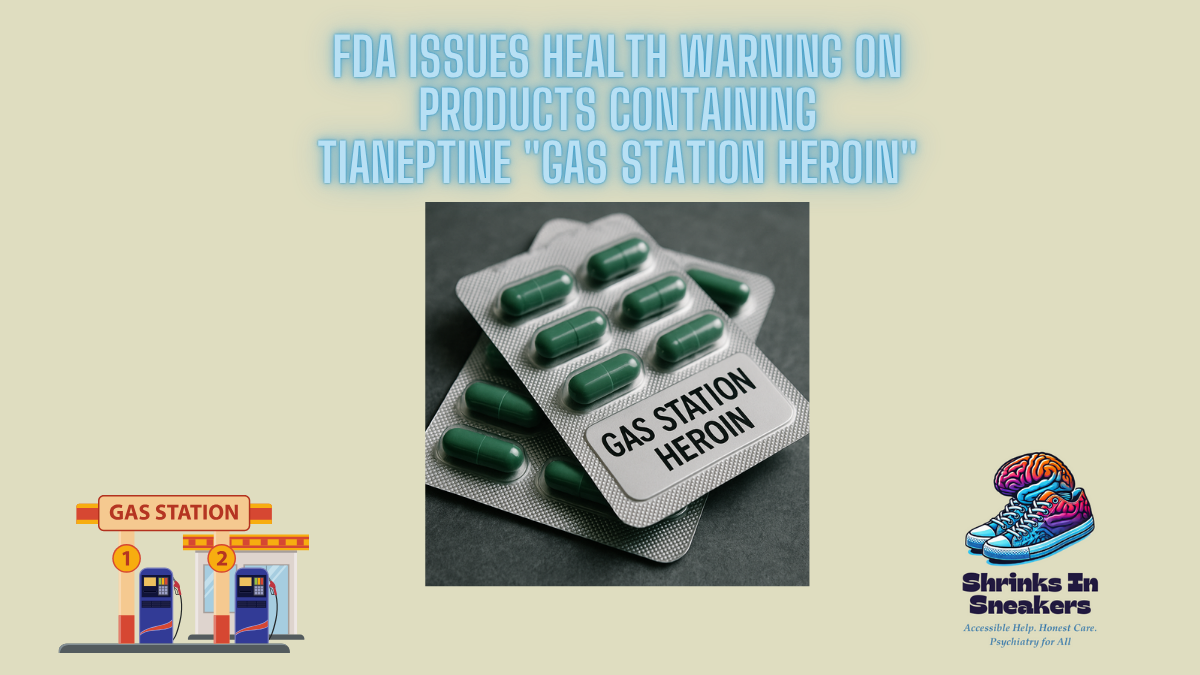
    The U.S. Food and Drug Administration (FDA) has issued a critical health warning about the growing availability of tianeptine, a dangerous, unapproved substance being sold as a dietary supplement under names like Zaza, Tianna Red, Pegasus, and others.

    Commonly referred to as “gas station heroin”, tianeptine mimics opioid-like effects and is being sold in convenience stores, gas stations, smoke shops, and online—posing serious health risks to the public.

    ⚠️ Why This Matters:

    Tianeptine is not approved for any medical use in the U.S. Despite this, it is widely marketed for supposed benefits like mood enhancement, anxiety relief, or cognitive boost. These claims are not supported by clinical evidence, and the risks are significant.

    🩺 Serious Health Risks Associated With Tianeptine:

    ⚠️ Death, particularly when combined with alcohol or other substances

    ⚠️ Respiratory depression (slow or stopped breathing)

    ⚠️ Seizures

    ⚠️ Loss of consciousness

    ⚠️ Confusion and agitation

    ⚠️ Opioid-like withdrawal symptoms

    🛑 What You Can Do:

    Report adverse reactions to the FDA via MedWatch: https://www.fda.gov/medwatch

    Avoid any products labeled as containing tianeptine.

    Do not trust unregulated supplements marketed for mental clarity or energy.

    📌 Quick Summary:

    • Tianeptine = dangerous, unapproved opioid-like drug
    • Sold as a supplement under names like Zaza or Tianna Red
    • Linked to seizures, coma, and death
    • Avoid these products and warn others
    • Report side effects to the FDA MedWatch Program
  • 🧪 Exciting Breakthrough in Cannabis Use Disorder Treatment!

    🧪 Exciting Breakthrough in Cannabis Use Disorder Treatment!

    A recent Phase 2b clinical trial has shown that PP-01, an investigational therapy by PleoPharma, significantly reduces cannabis withdrawal symptoms in individuals with Cannabis Use Disorder (CUD). The study demonstrated a clear dose-response relationship, with the highest dose yielding clinically meaningful results (p=0.02). Importantly, PP-01 was well-tolerated with no safety concerns.

    Recognizing the urgent need for effective treatments, the FDA has granted Fast Track designation to PP-01, expediting its development and review process. This brings hope to the approximately 19.2 million Americans affected by CUD, as there are currently no FDA-approved medications for cannabis withdrawal.

    PP-01 works by targeting suppressed CB1 receptors and neurotransmitter dysregulation in the brain’s reward pathway, offering a novel approach to mitigating withdrawal symptoms. As it enters Phase 3 trials, PP-01 holds promise as a first-in-class treatment for those seeking to overcome cannabis dependence.

  • 🚨 Big News for Clozapine Prescribers & Patients!

    🚨 Big News for Clozapine Prescribers & Patients!

    The FDA has officially ended the Clozapine REMS program—meaning no more mandatory registration, reporting, or ANC submissions to the REMS system! 🙌

    What does this mean?
    ✅ Prescribers – No more REMS hurdles, but ANC monitoring is still recommended.
    ✅ Pharmacies – No REMS verification needed before dispensing.
    ✅ Patients – No more REMS-related delays in getting your medication!

    This long-awaited change follows input from an FDA advisory committee and aims to reduce unnecessary barrierswhile keeping clozapine use safe and effective.

    💬 What are your thoughts on this update? Drop a comment below! 👇

  • What HAPPENED to Ulotaront The TAAR-1 Agonist for Schizophrenia?

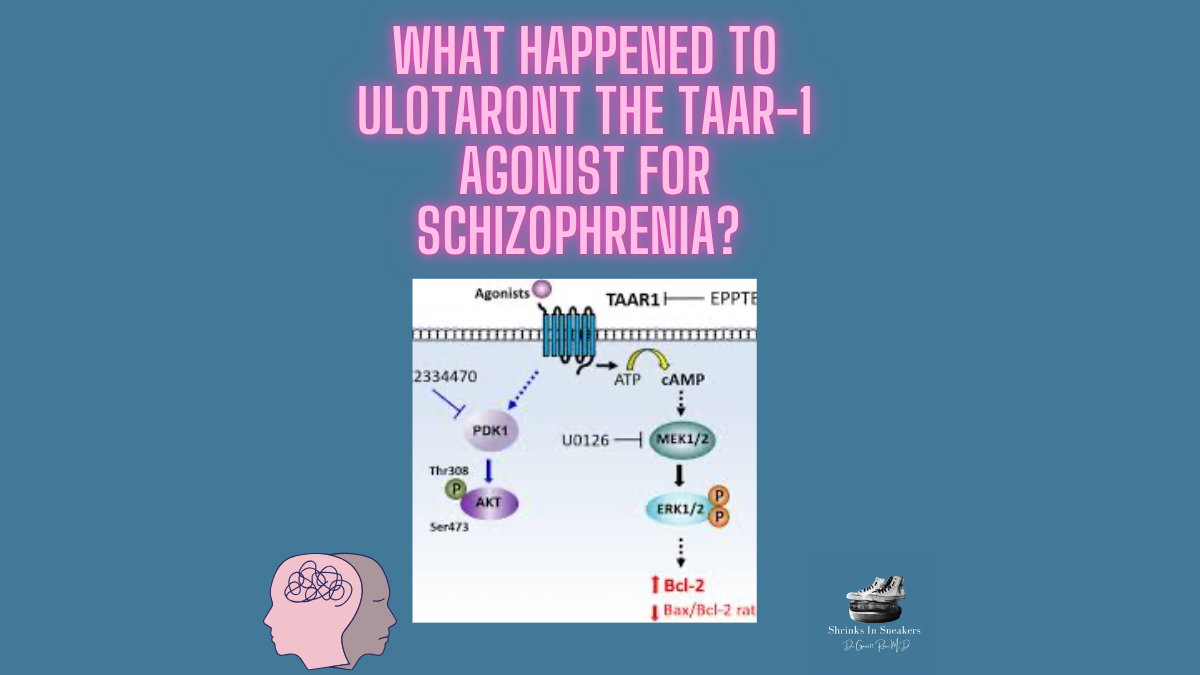
    What HAPPENED to Ulotaront The TAAR-1 Agonist for Schizophrenia?

    Back in 2019, during my residency, TAAR-1 agonists were hailed as the future of schizophrenia treatment, generating a wave of excitement and high expectations. Fast forward to 2025, and the once-prominent buzz has all but vanished. What happened to this promising class of drugs that once seemed poised to revolutionize the field?

    Ulotaront, an investigational antipsychotic developed by Sumitomo Pharma and Otsuka Pharmaceutical, has recently encountered significant challenges in its clinical development. In July 2023, the drug failed to meet primary endpoints in two Phase III clinical trials aimed at treating acutely psychotic adults with schizophrenia. These studies did not demonstrate a statistically significant improvement over placebo, raising concerns about ulotaront’s efficacy in this patient population.

    Given these setbacks, the timeline for ulotaront’s potential approval by the U.S. Food and Drug Administration (FDA) is now uncertain.Consequently, any previous projections for FDA approval will likely be delayed as the developers reassess their clinical strategy.

    It’s important to note that ulotaront had previously received Breakthrough Therapy Designation from the FDA in 2019 for the treatment of schizophrenia, reflecting initial optimism about its therapeutic potential.

  • Breaking the Anxiety Barrier: LSD a Game-Changer for GAD?

    Breaking the Anxiety Barrier: LSD a Game-Changer for GAD?

    Should LSD be considered a treatment for generalized anxiety disorder (GAD)? The results from MindMed’s Phase 2b study suggest it just might be. While this is only one study, and the FDA’s cautious stance on psychedelic-based treatments like MDMA raises questions about future approval, the findings are worth exploring. So, let’s dive in.

    GAD is a fascinating and somewhat controversial diagnosis. Notably, the study excluded participants with major depressive disorder, a condition frequently comorbid with GAD, which raises interesting questions about the choice to isolate GAD. Some in the psychiatric field even challenge the validity of GAD as a distinct psychiatric disease, arguing it reflects broader distress rather than a discrete disorder.

    Psychedelics like LSD are surging to the forefront of psychiatric research, largely because the field is starved for innovation. Decades of research and sophisticated drug development have yielded limited breakthroughs in understanding or treating psychiatric conditions. Meanwhile, society often clings to the hope that complex human behavior and mental health challenges can be reduced to something as simple as a pill you take every 12 weeks. The appeal of psychedelics lies in their potential to disrupt this paradigm—but can they deliver?

    Key Findings:

    1. Dose-Dependent Response:
      • Patients receiving a higher dose (200 µg) of MM-120 showed rapid and sustained improvements in anxiety symptoms.
      • The reduction in anxiety symptoms was statistically significant compared to the placebo group.
    2. Speed of Onset:
      • Improvements were observed as early as two weeks post-dosing, suggesting a rapid therapeutic effect.
    3. Duration of Effect:
      • The anxiety-reducing effects lasted up to 12 weeks following a single administration, indicating long-lasting benefits.
    4. Safety Profile:
      • The treatment was generally well-tolerated, with mild to moderate adverse effects such as headache, nausea, and transient emotional changes. There were no reports of severe adverse events related to the study drug.
    5. Mechanistic Insights:
      • MM-120 appears to modulate serotonin 5-HT2A receptors, leading to enhanced neuroplasticity and emotional processing, which may underlie the observed clinical improvements.

    I’m always interested in the study population and if the researchers selected a group of patients with prior psychedelic use. Here is what I found 

    Participant Screening and Inclusion:

    1. Prior Psychedelic Use:
      • Some participants may have had previous experiences with psychedelics (e.g., LSD, psilocybin, MDMA), as long as such use did not interfere with the integrity of the study (e.g., recent or habitual use, which might influence tolerance or expectations).
      • Individuals with significant past psychedelic use might be excluded to minimize potential biases in response to the trial drug.
    2. Psychedelic-Naïve Participants:
      • The trial likely included a substantial proportion of participants who were psychedelic-naïve, meaning they had never used substances like LSD or psilocybin before.
      • This approach helps ensure that the observed therapeutic effects can be attributed to MM-120 rather than prior familiarity or psychological preparation for psychedelic experiences.

    Why Prior Use Matters:

    • Expectation Bias:
      • Participants with past psychedelic experiences may anticipate certain effects, influencing subjective outcomes like anxiety reduction.
    • Safety and Tolerability:
      • Previous exposure to psychedelics might affect how participants tolerate or respond to the treatment.
    • Generalizability:
      • Including both psychedelic-naïve and experienced individuals helps make the findings applicable to a broader population.

    Implications:

    This study suggests that psychedelic-assisted therapy, especially with compounds like MM-120, has significant potential as a novel treatment for GAD, offering rapid and durable relief after just one dose. These findings pave the way for further research and larger-scale trials.

  • Gepirone: A New Player in the Antidepressant Arena—Should We Care?

    Gepirone: A New Player in the Antidepressant Arena—Should We Care?

    Gepirone may have flown under the radar for many of us. I’ll admit, it didn’t generate much excitement on my end. However, it recently crossed a significant milestone: FDA approval as an antidepressant. But let’s not overlook its rocky path to getting there—a journey marked by hurdles and setbacks.

    The road to FDA approval for gepirone was anything but smooth. Its initial development began decades ago, but the approval process faced repeated delays and rejections. Questions about efficacy and study designs kept it in limbo for years. What ultimately got it across the finish line was a re-analysis of data demonstrating robust effects in specific populations, particularly those with significant depressive symptoms. This serves as a reminder that persistence and rigorous data reassessment can change the trajectory for medications once thought to have limited potential.

    Now that gepirone is finally available, the big question is: should we care? If so, where does it fit into our treatment algorithms for adult depression?

    With a mechanism targeting the serotonin 1A receptor as a partial agonist, gepirone offers a unique profile compared to SSRIs, SNRIs, and other standard antidepressants. Its anxiolytic effects may make it particularly appealing for patients with co-occurring anxiety. However, like any medication, it isn’t without its downsides.

    Potential side effects include nausea, dizziness, fatigue, and headache. These are generally mild, but it’s important to monitor for tolerability in sensitive patients. Gepirone also carries warnings about potential interactions with other serotonergic agents, raising the risk of serotonin syndrome. While this risk isn’t unique to gepirone, it’s a critical point to keep in mind when integrating it into a treatment plan.

    So, where does gepirone fit? Will it serve as a first-line option for certain patients, or will it find a niche role for those with specific tolerability issues or suboptimal responses to other antidepressants?

    I’d love to hear your thoughts. Is gepirone a tool worth adding to our arsenal, or just another option that might not shift the needle much in clinical practice?

  • FDA Approves Zepbound for Obstructive Sleep Apnea

    FDA Approves Zepbound for Obstructive Sleep Apnea

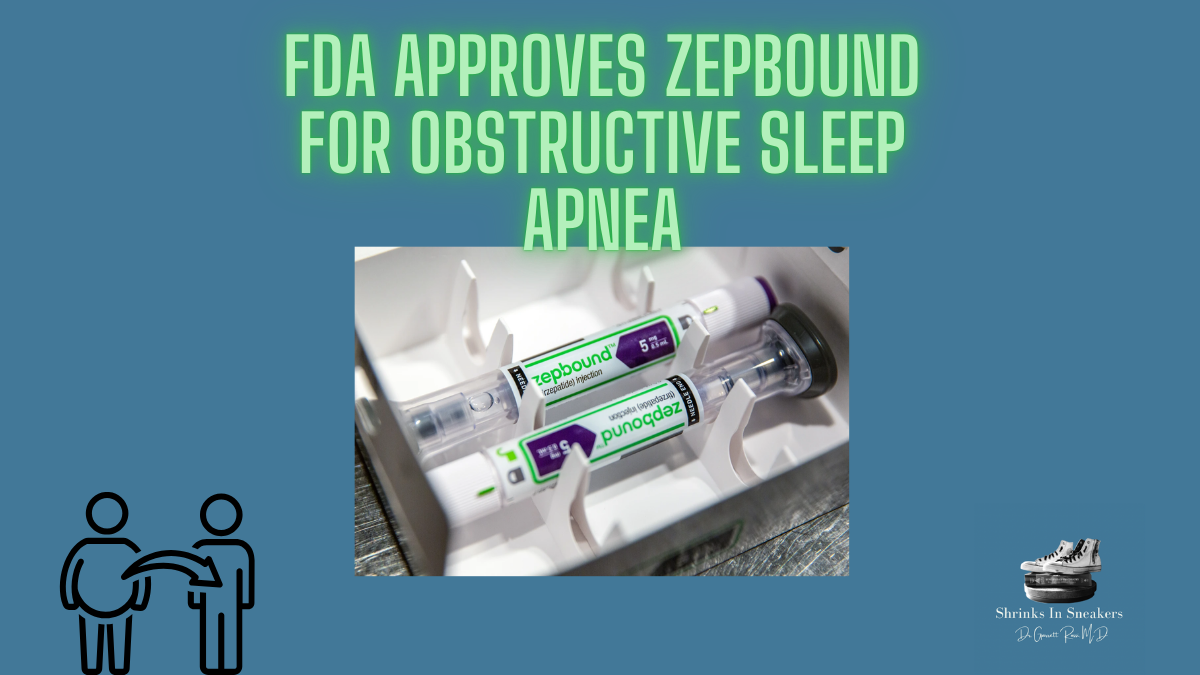
    The U.S. Food and Drug Administration (FDA) has approved Eli Lilly’s Zepbound (tirzepatide) as the first prescription medication for treating moderate to severe obstructive sleep apnea (OSA) in adults with obesity.

    OSA is a sleep disorder characterized by repeated interruptions in breathing during sleep, leading to reduced oxygen levels and disrupted rest. Traditionally, treatments have focused on lifestyle changes and the use of devices like Continuous Positive Airway Pressure (CPAP) machines. Zepbound offers a pharmacological alternative by addressing the condition’s underlying factors, particularly excess weight, which is a significant risk factor for OSA.

    Zepbound is administered via subcutaneous injection and is also approved for weight management in adults with obesity. Its dual benefits in weight reduction and OSA treatment position it as a valuable option for individuals struggling with both conditions.

    The FDA’s approval of Zepbound marks a significant advancement in the treatment of OSA, providing a new therapeutic option for patients and healthcare providers.

  • Unintended Outcomes After FDA Pediatric Antidepressant Warnings

    Unintended Outcomes After FDA Pediatric Antidepressant Warnings

    The article “Intended and Unintended Outcomes After FDA Pediatric Antidepressant Warnings: A Systematic Review” examines the effects of the FDA’s 2003-2004 black box warning on antidepressants regarding the risk of increased suicidal thoughts and behaviors in children and adolescents.

    Intended Outcome:

    • The FDA issued the warning to ensure greater awareness of potential risks, encouraging careful monitoring of pediatric patients taking antidepressants.
    • The goal was to reduce suicidal behaviors potentially linked to antidepressant use in younger populations.

    Unintended Outcomes:

    • The warning led to a significant drop in antidepressant prescriptions for children and adolescents.
    • There was a corresponding increase in untreated depression, which may have led to higher rates of suicide attempts and worsening mental health outcomes in some cases.
    • Reduced prescriptions were associated with a decrease in diagnosis and treatment of mood disorders in pediatric populations.
    • The warning inadvertently caused confusion among healthcare providers and parents, often resulting in delays in seeking treatment for depression or anxiety.

    Post-Warning Trends:

    • Follow-up research found no consistent evidence that the use of antidepressants in pediatric patients increases the risk of completed suicides.
    • The decline in antidepressant use and increase in suicidal behaviors during the period following the warning suggest unintended negative consequences of the FDA’s decision.

    Conclusions:

    • While the warning achieved its goal of raising awareness about the risks of antidepressants in children, it also resulted in under-treatment of depression, potentially exacerbating mental health challenges.
    • The article calls for balanced decision-making in pediatric antidepressant use, emphasizing the need for risk-benefit assessments and careful monitoring rather than outright avoidance of antidepressants.

      The FDA’s black box warning led to a reduction in antidepressant use but also to increased untreated mental illness, highlighting the complexities of addressing medication risks in vulnerable populations.