Tag: first break psychosis

  • Negative symptoms of schizophrenia remain one of the toughest challenges in treatment

    These symptoms often include:
    πŸ”Ή Decreased motivation (avolition)
    πŸ”Ή Blunted or flat affect
    πŸ”Ή Reduced emotional range
    πŸ”Ή Paucity of speech (alogia)

    Unlike positive symptoms, negative symptoms respond poorly to antipsychotic medicationsβ€”even clozapine, our most effective agent for treatment-resistant illness, offers limited relief.

    These deficits are often chronic, functionally disabling, and deeply impact quality of life.

    Tackling negative symptoms will be the next frontier in improving long-term outcomes in schizophrenia. We need innovative approaches, novel mechanisms, and more research focused on this under-addressed domain.

  • ARISE Study Phase 3 Results: Understanding Xanomeline’s Setback

    ARISE Study Phase 3 Results: Understanding Xanomeline’s Setback

    What Was the ARISE Study?

    The ARISE trial was a Phase 3 clinical study evaluatingΒ CobenfyΒ β€” a combination ofΒ xanomelineΒ (a muscarinic receptor agonist) andΒ trospium chlorideΒ (a peripheral anticholinergic) β€” as anΒ adjunctiveΒ treatment for adults withΒ schizophrenia who continued to experience symptoms despite taking an atypical antipsychotic.

    What Is a Primary Endpoint, and Why Does It Matter?

    In clinical trials, theΒ primary endpointΒ is the most important outcome researchers are trying to affect β€” it’s how a drug’s success or failure is officially judged.
    In ARISE, the primary endpoint measured the change in symptom severity compared to placebo using a standardized scale for schizophrenia. Meeting this endpoint would have demonstrated clear, statistically significant symptom improvement attributable to Cobenfy.

    The Outcome: No Statistically Significant Benefit

    According to topline results, Cobenfy did not show a statistically significant improvement compared to placebo when added to atypical antipsychotics. This means the observed difference could have been due to chance and did not meet the pre-set threshold for success.

    However, Cobenfy did show a numerical improvement β€” the group receiving the drug combination performed betterthan placebo in symptom reduction, just not to a statistically convincing degree.

    Could Anticholinergic Effects Be to Blame?

    One possible explanation for this outcome lies in the mechanism of action of both Cobenfy and many commonly used atypical antipsychotics.

    • XanomelineΒ is designed toΒ activateΒ muscarinic receptors in the brain (specifically M1 and M4), which may help regulate dopamine and reduce psychosis.
    • But many atypical antipsychotics β€” like olanzapine, clozapine, and quetiapine β€” also haveΒ anticholinergic properties, meaning theyΒ blockΒ these same receptors.

    This sets up a pharmacological tug-of-war: Cobenfy tries to stimulate muscarinic activity, while the background antipsychotic may be dampening it. This conflict could blunt the therapeutic signal, explaining why the benefit didn’t reach statistical significance.

    What This Means for the Future

    The failure to meet the primary endpoint is a setback, but not the end of the road. The numerical improvements suggest a potential signal, and with refined trial design β€” perhaps using background medications with lower anticholinergic load β€” future studies may better reveal Cobenfy’s potential.

    Additionally, this trial underscores the importance of considering mechanism compatibility in combination therapies. It’s not just about adding drugs β€” it’s about how they interact at the receptor level.

    Conclusion

    While the ARISE study didn’t deliver the result many hoped for, it raised critical questions that will shape future research. A deeper understanding of anticholinergic burden, drug synergy, and precision pharmacology is essential as we continue the search for more effective treatments for schizophrenia.

  • πŸ” Suicide & Psychosis: What We Can Learn from Recent Research

    πŸ” Suicide & Psychosis: What We Can Learn from Recent Research

    A new study sheds light on suicide risk in patients with psychotic disorders, comparing those with recent-onset schizophrenia or other psychotic disorders to those with longer illness duration. The findings offer critical insights for clinicians and mental health professionals.

    🚨 Key Takeaways:

    πŸ“Œ Early Illness = Higher Risk: Patients within the first five years of their illness had higher suicide rates, emphasizing the need for intensive early intervention.

    πŸ“Œ Common Risk Factors: Across both groups, depression, prior suicide attempts, and substance use were major red flags.

    πŸ“Œ Different Patterns: Those with recent-onset psychosis were more likely to have rapid illness progression, while those with longer illness duration often had chronic distress and social isolation before suicide.

    πŸ“Œ Missed Opportunities? Many had recent healthcare encounters before suicide, highlighting potential gaps in risk assessment and intervention.

    πŸ›‘ What This Means for Us:
    πŸ”Ή Early-phase psychosis care should prioritize suicide prevention.
    πŸ”Ή Screening for depression, substance use, and prior attempts is essential.
    πŸ”Ή More proactive intervention is needed, especially after hospital visits.

    This study reinforces what many frontline clinicians already suspectβ€”suicide prevention in psychosis requires urgent, tailored strategies. How can we improve early detection and support for at-risk patients? Let’s discuss. πŸ‘‡

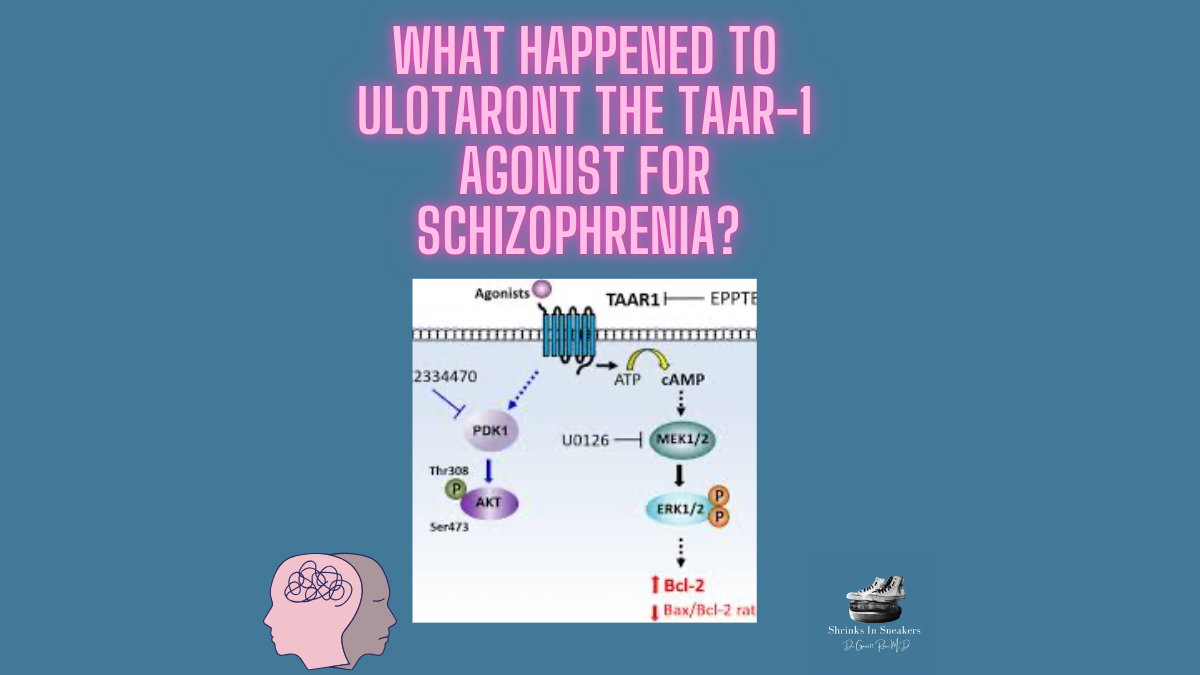
  • What HAPPENED to Ulotaront The TAAR-1 Agonist for Schizophrenia?

    What HAPPENED to Ulotaront The TAAR-1 Agonist for Schizophrenia?

    Back in 2019, during my residency, TAAR-1 agonists were hailed as the future of schizophrenia treatment, generating a wave of excitement and high expectations. Fast forward to 2025, and the once-prominent buzz has all but vanished. What happened to this promising class of drugs that once seemed poised to revolutionize the field?

    Ulotaront, an investigational antipsychotic developed by Sumitomo Pharma and Otsuka Pharmaceutical, has recently encountered significant challenges in its clinical development. In July 2023, the drug failed to meet primary endpoints in two Phase III clinical trials aimed at treating acutely psychotic adults with schizophrenia. These studies did not demonstrate a statistically significant improvement over placebo, raising concerns about ulotaront’s efficacy in this patient population.

    Given these setbacks, the timeline for ulotaront’s potential approval by the U.S. Food and Drug Administration (FDA) is now uncertain.Consequently, any previous projections for FDA approval will likely be delayed as the developers reassess their clinical strategy.

    It’s important to note that ulotaront had previously received Breakthrough Therapy Designation from the FDA in 2019 for the treatment of schizophrenia, reflecting initial optimism about its therapeutic potential.

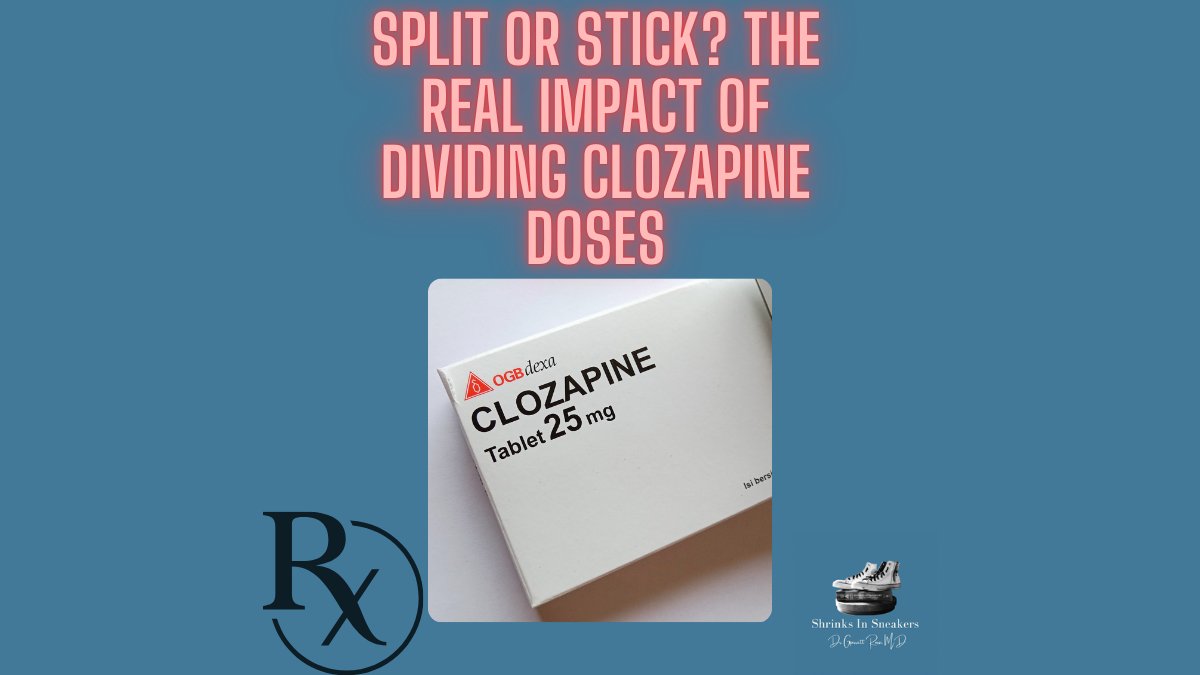
  • Split or Stick? The Real Impact of Dividing Clozapine Doses

    Split or Stick? The Real Impact of Dividing Clozapine Doses

    This post comes from a recent discussion I had with my resident about the utility of splitting clozapine doses in a recent case we had.

    The evidence on splitting clozapine into multiple daily doses primarily stems from clinical observations and smaller studies rather than extensive, randomized controlled trials (RCTs). Since clozapine has a unique pharmacodynamic and pharmacokinetic profile, standardizing an RCT on dose splitting has been challenging.

    1. Clozapine’s Half-Life and Steady-State Concentration: Clozapine has a long half-life (averaging about 12 hours), meaning steady-state concentrations can be reached without strict multiple dosing. Many patients maintain stable blood levels with once-daily dosing, especially at lower doses.
    2. Dose Splitting and Side Effects: Some smaller studies and clinical observations suggest that splitting doses can help reduce peak plasma levels of clozapine, which can be associated with side effects like sedation, hypotension, and dizziness. In these cases, a split dosing regimen may improve tolerability, particularly in patients who experience significant sedation or orthostatic hypotension with a single daily dose.
    3. Metabolic Side Effects and Compliance: In cases where metabolic side effects are of concern, or in patients who may not tolerate high single doses well, dividing doses could help with tolerability, potentially improving compliance and minimizing adverse effects like sedation or metabolic impact.
    4. Seizure Risk: High plasma peaks with a single large dose may theoretically increase the risk of seizures, especially in patients on higher doses of clozapine. Dividing doses is sometimes recommended as a preventive measure to maintain a more consistent blood level, although robust RCT data supporting this specific benefit is lacking.

    While RCT evidence specifically on clozapine dose-splitting remains limited, clinical judgment, patient tolerance, and monitoring of therapeutic blood levels play essential roles in tailoring dose regimens.

  • Navigating First-Episode Psychosis: A Delicate Balance

    Navigating First-Episode Psychosis: A Delicate Balance

    In my practice, I encounter many cases of first-episode psychosis, a critical period that requires thoughtful and precise intervention. The decisions made during this time can set a patient on the path to long-term recovery or, unfortunately, towards a lifetime of challenges.

    There are a few guiding principles I always adhere to:

    1. Most antipsychotics can be effective, but it’s important to choose carefully.
    2. Lower doses often sufficeΒ to achieve remission in first-episode psychosis. Starting with a medication that has a lower risk of cardiometabolic side effects and weight gain is crucial, especially for young patients. They shouldn’t be burdened with long-term physical side effects as they navigate their recovery.

    Predicting whether a patient will experience a single episode or develop a chronic condition like schizophrenia is challenging. While family history and substance use, particularly cannabis, can provide clues, there is still uncertainty.

    I believe that after 6-12 months of treatment, it’s worth considering tapering the antipsychotic to the lowest effective dose, with a careful eye on any signs of relapse. Unfortunately, what I often see is that both patients and clinicians overlook the subtle signs of relapse because they’ve mutually decided to discontinue the medication. By the time I see them again, the situation has worsened.

    Early psychosis treatment requires a delicate balance between managing symptoms and minimizing long-term side effects, all while keeping a close watch for signs of relapse. Careful planning is key to setting patients on the best path forward.