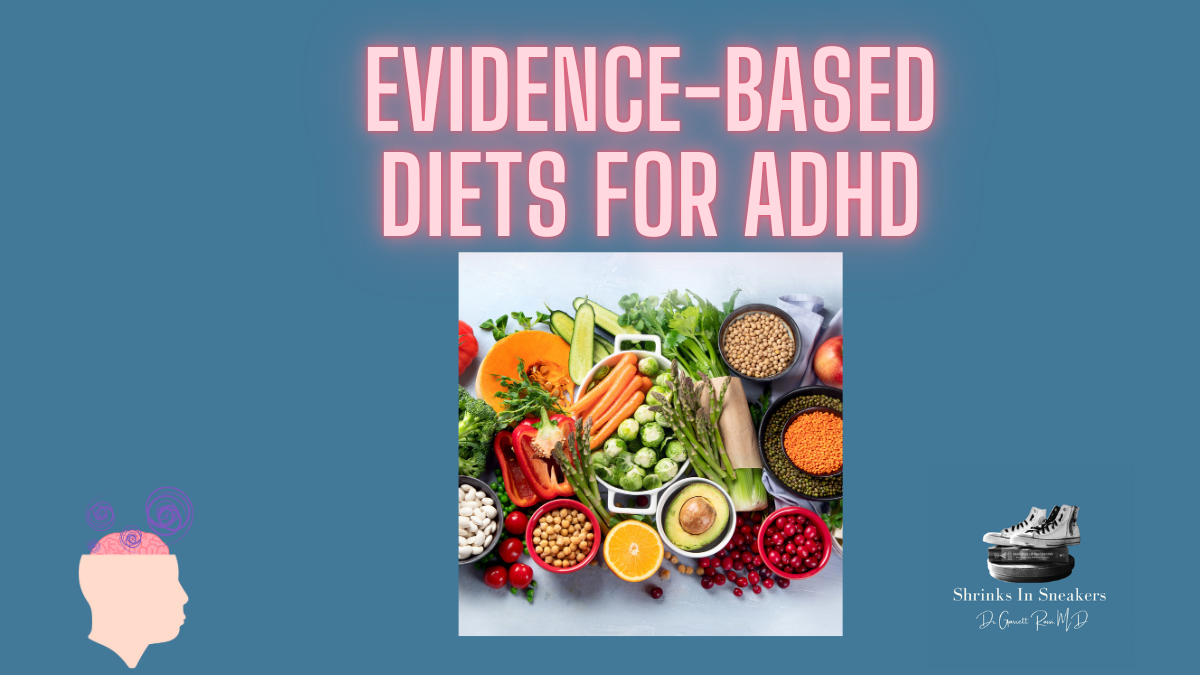
Diet plays a significant role in brain health and behavior, making it a promising area for ADHD symptom management. While dietary changes are not a substitute for standard treatments, several dietary interventions have shown evidence-based benefits in improving ADHD symptoms.
1. Omega-3 Fatty Acid Supplementation
- Why: Omega-3 fatty acids, particularly EPA (eicosapentaenoic acid) and DHA (docosahexaenoic acid), are crucial for brain development and function.
- Evidence:
- A 2018 meta-analysis of RCTs found that omega-3 supplementation improved attention and reduced hyperactivity in children with ADHD.
- Higher EPA-to-DHA ratios (e.g., 3:1) were more effective.
- How to Implement:
- Include fatty fish (e.g., salmon, mackerel, sardines) 2–3 times per week.
- Consider omega-3 supplements (1–2 grams daily with a high EPA content).
2. Elimination Diets
- Why: Some children with ADHD may react adversely to specific foods or additives, exacerbating symptoms.
- Evidence:
- The Restricted Elimination Diet (RED), such as the oligoantigenic diet, has been tested in RCTs. A 2011 RCT published in The Lancet found significant symptom reductions in 64% of children who followed a restricted diet for 5 weeks.
- Foods commonly eliminated include dairy, wheat, soy, eggs, and food additives.
- How to Implement:
- Work with a healthcare provider or dietitian to guide the process.
- Reintroduce foods one at a time to identify triggers.
3. Additive-Free and Preservative-Free Diets
- Why: Artificial food colorings, preservatives, and sweeteners may worsen hyperactivity in some children.
- Evidence:
- A meta-analysis published in Pediatrics (2012) found that artificial food coloring elimination reduced ADHD symptoms in a subset of children.
- How to Implement:
- Avoid processed foods with artificial dyes (e.g., Red 40, Yellow 5).
- Read ingredient labels and choose whole, minimally processed foods.
4. Mediterranean Diet
- Why: The Mediterranean diet is rich in nutrients critical for brain health, such as omega-3s, antioxidants, and vitamins.
- Evidence:
- A 2017 study in Pediatrics suggested that children who adhered to a Mediterranean diet had fewer ADHD symptoms compared to those with poor adherence.
- How to Implement:
- Focus on fruits, vegetables, whole grains, nuts, seeds, fish, and olive oil.
- Limit red meat, processed foods, and added sugars.
5. Low-Glycemic Index (GI) Diet
- Why: High-GI foods (e.g., sugary snacks) cause rapid blood sugar spikes and crashes, which may worsen hyperactivity and inattention.
- Evidence:
- A small RCT found that a low-GI diet improved behavior in children with ADHD by stabilizing energy levels and focus.
- How to Implement:
- Choose whole grains, legumes, and non-starchy vegetables.
- Avoid sugary drinks, white bread, and refined snacks
6. High-Protein Diets
- Why: Protein supports the production of neurotransmitters like dopamine, which is often dysregulated in ADHD.
- Evidence:
- Some studies suggest that protein-rich breakfasts improve attention and reduce impulsivity during the day.
- How to Implement:
- Include protein-rich foods (e.g., eggs, yogurt, lean meats, nuts) in each meal.
- Avoid skipping breakfast to maintain consistent energy levels.
Micronutrient Supplementation
- Why: Nutrient deficiencies (e.g., zinc, magnesium, iron) are linked to ADHD symptoms.
- Evidence:
- RCTs show that zinc and magnesium supplementation improves hyperactivity and impulsivity, particularly in children with low baseline levels.
- Iron supplementation benefits those with low ferritin levels.
- How to Implement:
- Have nutrient levels tested by a healthcare provider.
- Include nutrient-rich foods like spinach (iron), nuts (magnesium), and seafood (zinc).
Recommendations
- Prioritize Whole Foods: Focus on unprocessed, nutrient-dense foods.
- Limit Sugars and Additives: Avoid foods with high sugar content, artificial sweeteners, or additives.
- Monitor Responses: Keep a food and symptom journal to identify potential triggers or improvements.
- Consult Professionals: Work with a dietitian or healthcare provider to ensure nutritional adequacy and tailor dietary changes to individual needs.