Tag: lurasidone

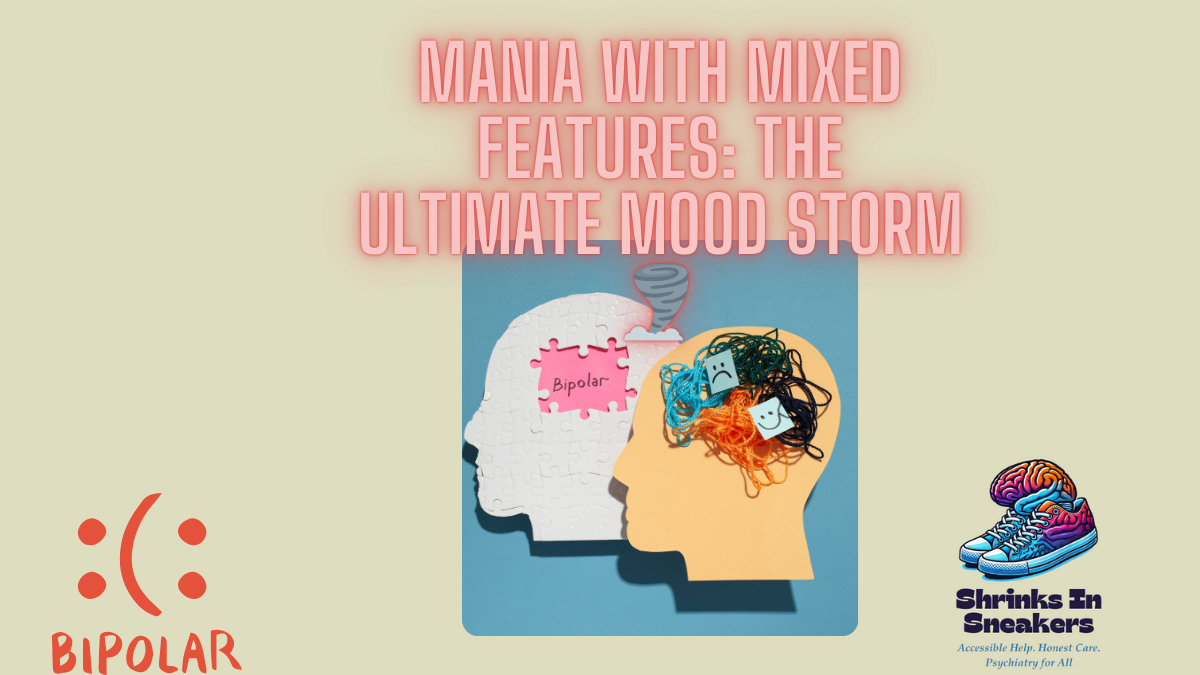
  • 🚨 Mania with Mixed Features: The Ultimate Mood Storm šŸŒŖļø

    🚨 Mania with Mixed Features: The Ultimate Mood Storm šŸŒŖļø

    Bipolar mania is intense—but whenĀ mixed featuresĀ are present, it’s aĀ whole different beast.Ā ImagineĀ sky-high energy ⚔ + crushing despair šŸ˜žĀ at the same time. That’sĀ mixed mania—one of the mostĀ challengingĀ andĀ high-riskĀ mood states in psychiatry.

    šŸ” What Does It Look Like?

    āœ… Racing thoughts šŸŽļø + Hopelessness šŸ˜”
    āœ… Insomnia for days šŸŒ™ + Feeling exhausted 😓
    āœ… Irritability šŸ”„ + Tearfulness 😢
    āœ… Grandiosity šŸ‘‘ + Suicidal thoughts 🚨
    āœ… Restless energy ⚔ + No pleasure in anything āŒ

    šŸš‘ Why It’s High Risk

    Patients with mania + mixed features have:
    āš ļø Higher suicide risk than pure mania
    āš ļø More agitation & impulsivity
    āš ļø Less response to traditional mood stabilizers

    šŸ›‘ Treatment Challenges

    āŒ Antidepressants can worsen symptoms
    āœ… Mood stabilizers (lithium, valproate) & atypical antipsychotics (quetiapine, olanzapine, lurasidone) are key
    āœ… Careful monitoring is essential

    šŸ’” Takeaway: Mixed mania isn’t just ā€œagitated depressionā€ or ā€œirritable maniaā€ā€”it’s a unique, dangerous mood state that requires urgent intervention. Recognizing it early can save lives.

    Have you encountered mixed mania in practice? Let’s discuss! šŸ‘‡

  • Lurasidone vs. Quetiapine: Which Will Emerge as the Top Choice for Bipolar Depression?

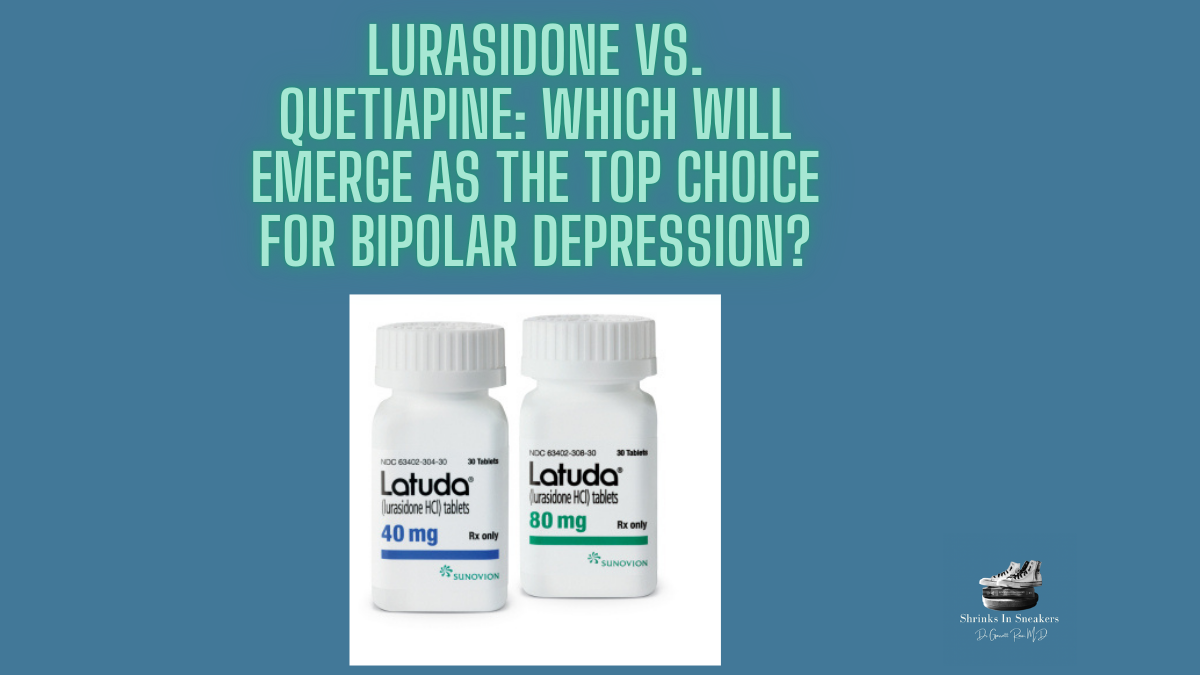
    Lurasidone vs. Quetiapine: Which Will Emerge as the Top Choice for Bipolar Depression?

    Bipolar depression is a challenging and common condition, with limited options for effective medication management. Finding the best treatment can be tough, especially given the lack of high-quality head-to-head comparisons in the literature. Two frequently prescribed medications for bipolar depression, quetiapine and lurasidone, are both solid options—but is one truly superior to the other?

    Head-to-head randomized controlled trials comparing lurasidone and quetiapine specifically for bipolar depression are relatively limited. However, both medications have established evidence in treating bipolar depression, with some distinctions in efficacy, safety, and tolerability that can be informative for comparison.

    1. Efficacy: Studies suggest that both lurasidone and quetiapine are effective in treating depressive symptoms in bipolar disorder. Quetiapine, particularly at doses of 300 mg or 600 mg, has shown significant efficacy in reducing depressive symptoms, whereas lurasidone also demonstrates effectiveness at doses typically ranging from 20 mg to 120 mg. Head-to-head trials generally find comparable efficacy between the two, though quetiapine may be preferred in certain cases for its sedative effects, which can help with associated insomnia in bipolar depression.
    2. Tolerability and Side Effects: Lurasidone tends to have a more favorable side effect profile, with a lower risk of weight gain, metabolic issues, and sedation compared to quetiapine. Quetiapine is often associated with more sedation and metabolic side effects, such as weight gain and increased cholesterol and triglycerides, which may be more pronounced at higher doses. Lurasidone’s side effect profile may make it a better option for patients where weight gain or sedation is a concern.
    3. Functioning and Quality of Life: Some studies highlight that patients on lurasidone report better functioning and fewer sedative effects, which may positively impact quality of life, particularly for those sensitive to the sedative properties of quetiapine.
    4. Dropout Rates: Due to quetiapine’s sedative side effects, some patients discontinue it more often than lurasidone. Lurasidone’s lower risk for sedation and weight gain tends to improve adherence for those struggling with quetiapine’s tolerability.

    Both medications are effective for bipolar depression, but lurasidone may be better tolerated overall, especially concerning weight gain and sedation. We should not forget that lurasidone carriers an equally concerning side effect of akathisia which can also increase dropout rates especially at higher doses. Additional direct head-to-head trials would be valuable to further elucidate these findings.
  • Boosting the Mind: How Antipsychotics Impact Cognitive Function

    Boosting the Mind: How Antipsychotics Impact Cognitive Function

    Antipsychotic Drugs and Cognitive Function: Key Findings from a Systematic Review and Meta-Analysis

    Background:
    Cognitive impairment is a core feature of schizophrenia, often leading to significant functional disability. Antipsychotic medications are the main treatment for schizophrenia, but their impact on cognitive function remains debated.

    Objective:
    This systematic review and network meta-analysis aimed to compare the effects of different antipsychotic drugs on cognitive function in patients with schizophrenia.

    Methods:
    The review included randomized controlled trials (RCTs) that assessed cognitive outcomes in patients with schizophrenia treated with antipsychotics. A network meta-analysis was conducted to compare the cognitive effects across different antipsychotic drugs.

    Key Findings:

    1. Cognitive Improvement:
      • All antipsychotics studied showed modest cognitive benefits, though the effect sizes were small.
      • Second-generation antipsychotics (SGAs) generally performed better than first-generation antipsychotics (FGAs).
      • Among SGAs,Ā lurasidoneĀ andĀ amisulprideĀ demonstrated the most pronounced cognitive improvements.
      • FGAs likeĀ haloperidolĀ showed the least benefit for cognitive function.
    2. Domains of Cognitive Improvement:
      • The drugs improved different cognitive domains, including working memory, processing speed, and executive functioning, though no single drug showed superiority across all domains.
    3. Comparative Effectiveness:
      • In head-to-head comparisons,Ā lurasidoneĀ andĀ amisulprideĀ were consistently ranked higher for cognitive improvement.
      • OlanzapineĀ andĀ risperidoneĀ also showed beneficial effects, though to a lesser extent.
    4. Adverse Effects and Tolerability:
      • Cognitive improvements were often seen alongside side effects, with some drugs (e.g., olanzapine) associated with metabolic risks that may counterbalance cognitive benefits.
    5. Limitations:
      • The analysis emphasized the small effect sizes, suggesting that while antipsychotics may slightly improve cognition, the changes may not be clinically meaningful in many cases.
      • Cognitive rehabilitation therapies may need to be paired with pharmacological treatment for more significant cognitive gains.

    Conclusions: While antipsychotics can modestly improve cognitive function in schizophrenia, the benefits are relatively small, and no drug significantly outperforms others across all cognitive domains. Lurasidone and amisulpride may offer the greatest cognitive benefits, but additional interventions may be necessary to address cognitive deficits effectively.