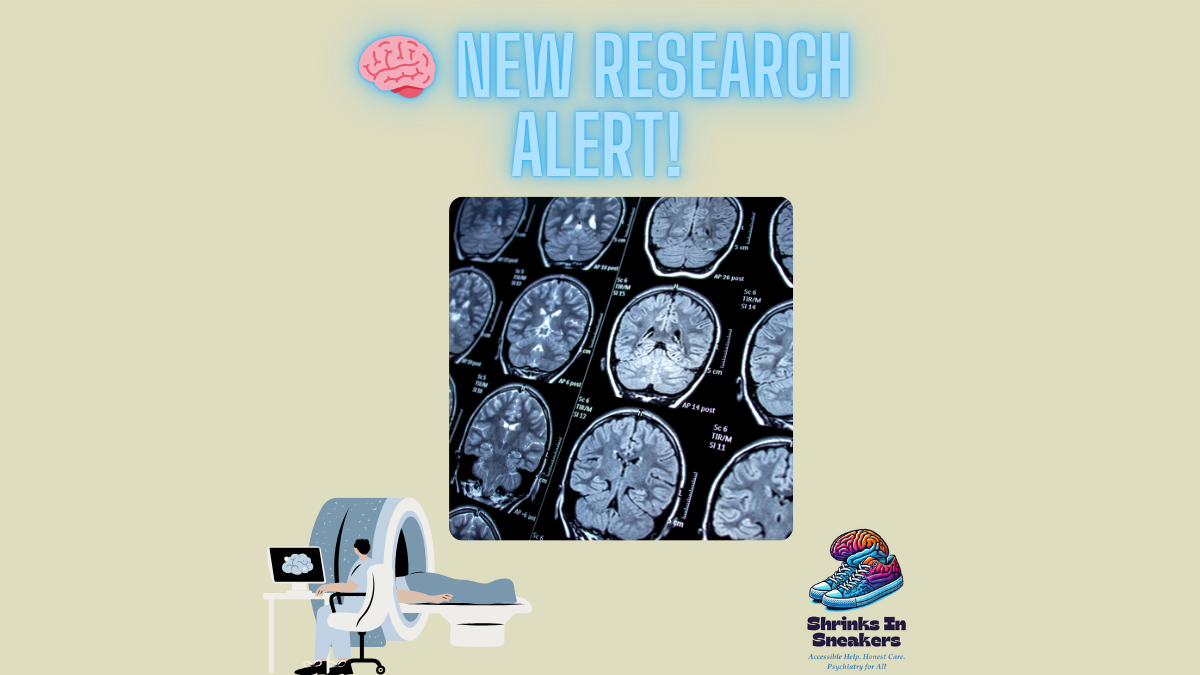
A study in JAMA Psychiatry explores how functional MRI (fMRI) biomarkers can help distinguish major depressive disorder (MDD) 😔 from healthy individuals. Researchers found that regional homogeneity (ReHo) patterns in the brain are a more reliable marker for MDD than traditional structural MRI 🏗️.
🔬 Why does this matter? 👉 Better Diagnostics: fMRI could lead to more objective ways to diagnose depression, reducing reliance on self-reporting. 👉 Early Detection: One day, brain scans 🏥 might help identify people at risk before symptoms fully develop. 👉 Personalized Treatment: Understanding individual brain patterns could help guide targeted interventions like therapy or medication.
Could brain scans be the future of depression diagnosis? 🤔 Drop your thoughts below! ⬇️
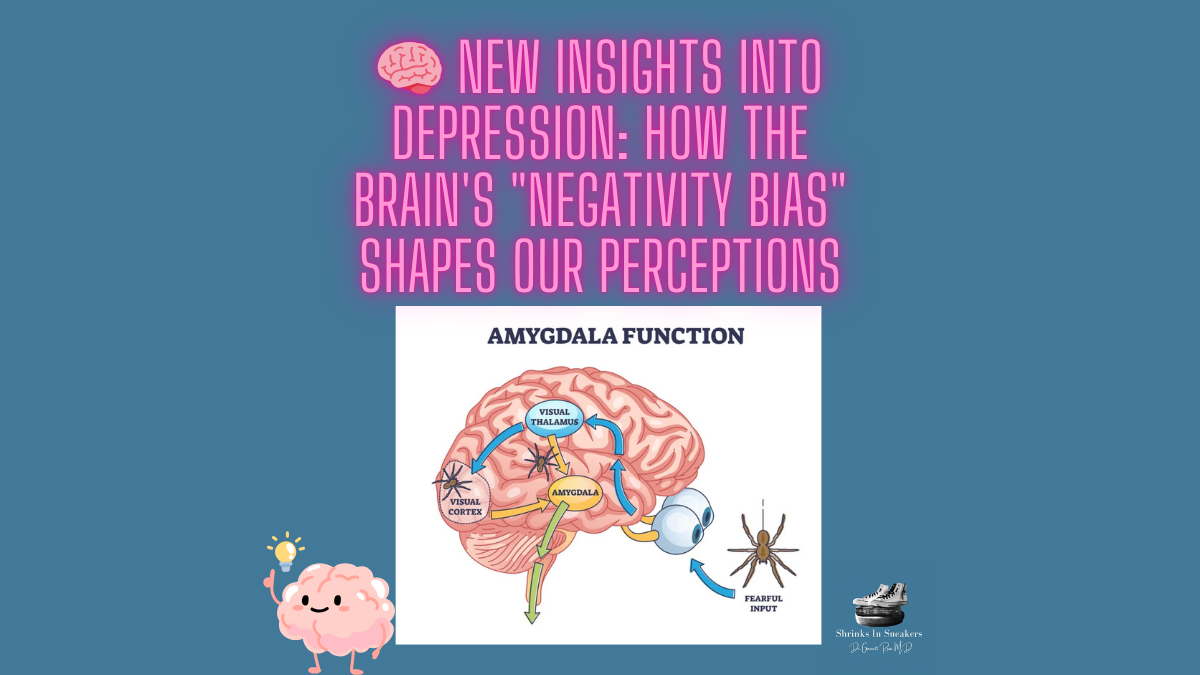
Did you know that in depression, the brain’s wiring can actually amplify negative experiences? Recent research from the Institut Pasteur and collaborators explored this phenomenon, finding that depression alters specific neurons in the amygdala. These changes can reduce activity in neurons that process positive stimuli while overactivating those that process negative stimuli. This “negativity bias” means people with depression often perceive even neutral events through a negative lens.
In studies with mouse models of depression, activating neurons responsible for positive perceptions helped reduce depressive behaviors. This groundbreaking discovery could pave the way for new treatments aimed at rebalancing these circuits, especially for people who don’t respond to conventional therapies.
By understanding depression’s effects on the amygdala, researchers hope to develop more targeted and effective therapies for those resistant to current treatments. This is a step toward a more personalized approach to mental health.
Today’s issue of JAMA Psychiatry highlights an important breakthrough study titled: “Slowing cognitive decline in major depressive disorder and mild cognitive impairment: A randomized controlled trial.”
This publication reveals the primary findings from the PACt-MD study (Prevention of Alzheimer’s dementia with Cognitive remediation plus transcranial direct current stimulation in Mild cognitive impairment and Depression). This large-scale RCT examined whether combining cognitive remediation therapy (CRT) with transcranial direct current stimulation (tDCS) could effectively slow cognitive decline in individuals with both mild cognitive impairment (MCI) and major depressive disorder (MDD).
Key Findings:
The combination of CRT and tDCS showed promising effects in decelerating cognitive decline in patients with MCI and MDD.
Improved cognitive outcomes were observed in specific areas such as memory, executive function, and attention compared to control groups.
Why This Matters: Cognitive impairment is a critical concern in both MCI and MDD, often leading to functional decline and increased dementia risk. This study provides valuable insights into non-pharmacological approaches to mitigate cognitive deterioration in high-risk populations.
🔍 Stay tuned for more on the methodology and detailed results. This could open doors to novel, accessible interventions for those at risk of Alzheimer’s and cognitive impairment.
The evidence for the use of prazosin in major depressive disorder (MDD) comes mainly from smaller studies or trials focusing on its off-label use, as prazosin is primarily an alpha-1 adrenergic antagonist used to treat hypertension and PTSD-related nightmares.
Clinical Rationale
The theoretical rationale for prazosin in MDD is based on its ability to block alpha-1 adrenergic receptors, which may help reduce the hyperactivity of the norepinephrine system—a pathway implicated in stress and depression.
Randomized Controlled Trials (RCTs)
RCT evidence for prazosin in treating MDD is limited compared to other antidepressants, but a few studies have explored its potential benefits:
Prazosin as Adjunctive Treatment for MDD (2009): A small pilot RCT assessed prazosin as an add-on therapy for MDD in patients who were already on standard antidepressants. The results showed modest improvements in depressive symptoms when prazosin was combined with SSRIs or SNRIs, particularly in patients with high anxiety or sleep disturbances.
Prazosin for PTSD and MDD Comorbidity: Some RCTs conducted in patients with PTSD (a condition often comorbid with MDD) showed improvements in both PTSD and depressive symptoms. For example, a trial published in 2015 demonstrated that prazosin led to a significant reduction in depressive symptoms in veterans with PTSD and depression. While the trial primarily focused on PTSD, the secondary outcomes regarding depression were positive.
Prazosin and Treatment-Resistant Depression (TRD): Some trials have explored prazosin’s efficacy in treatment-resistant forms of depression, hypothesizing that its ability to reduce stress-related symptoms could augment antidepressant efficacy. However, these trials have generally been small, and results have been inconsistent or not statistically significant in terms of primary depressive outcomes.
Limitations
Sample Sizes: Most studies are small and underpowered.
Population: Most studies have focused on patients with PTSD, rather than pure MDD.
Adjunctive Use: Prazosin has mostly been tested as an adjunctive treatment, not as monotherapy for depression.
While prazosin has shown some promise in improving depressive symptoms, particularly related to sleep disturbances and anxiety, larger RCTs specifically targeting MDD are needed to establish its efficacy.
Stage 1: more than one adequate trial of 1 major class of antidepressants
Stage 2: Failure of more than 2 adequate trials of two different classes of antidepressants
Stage 3: stage 2 + TCA
Stage 4: Stage 3 + MAOI
Stage 5: Stage 4 + bilateral ECT
With every medication or neuromodulation procedure used that doesn’t work, the more treatment resistant the depression becomes.
Antidepressant Response Rates
Frist Medication Trial: 50% respond and 37% have remission
Second Medication Trial: Another 29% respond and 31% have remission
Third Medication Trial: 17% respond and 14% have remission
Fourth Medication Trial: 16% respond and 13% have remission
The overall cumulative remission rates are 67%, keeping in mind that people who progressed through more treatment stages had higher relapse rates and more residual symptoms including anhedonia, emotional blunting, and lack of motivation.
If someone is having a poor response to medication, what do you do?
We know that bipolar disorder is missed in a significant number of patients who present with depression about one in five will be misdiagnosed. We also know that antidepressants can be mood destabilizing in bipolar illness resulting in mixed features and rapid cycling. Other things that can interfere with response include substance use disorder, personality traits, and PTSD.
Medical Comorbidities that can interfere with antidepressant response include hypothyroidism, Cushing disease, Parkinson’s disease, cancer, vitamin/nutritional deficiencies, and viral infections
Psychosocial factors that contribute to treatment resistance
-Female sex
-Older Age
-Single Unmarried (happiness studies indicate that good relationships are very important)
-Unemployment
Symptoms that make TRD more Likely
-Recurrent episodes usually 3 or more
-Severe depression and inpatient admission
-Anxiety, Insomnia, or Migraine
When Your First Choice Fails
There are several approaches
-Switch antidepressant classes
-Combine antidepressants
-Add a dopamine blocking medication
-Add L-methylfolate
-Add Psychotherapy
-Start Neuromodulation
What’s the most effective strategy
Hands down the most effective thing to do if a patient has a poor response to the initial antidepressant treatment is to add a dopamine blocking medication. Response and remission rates are much higher, but it comes at the price of increased side effect potential.
What are the most used Dopamine Blockers in Antidepressant Augmentation
-Quetiapine
-Olanzapine
-Risperidone
-Aripiprazole
-Ziprasidone
Older patients 65 years and older respond better to aripiprazole augmentation than switch to bupropion, or combination with bupropion.
Brexpiprazole: 1-3 mg/day Adjunctive for Depression
Most Common Concerns patients have about being on dopamine Blocking Medication
-Weight gain 60% of people report this concern
-Metabolic side effects
-EPS
-Sedation
-Akathisia
-Prolactin-related Effects
Anti-Inflammatory Medications
For those with elevated inflammatory biomarkers specifically c-reactive protein there is some emerging evidence that these treatments work.
-Medications like Celecoxib, Omega-3 fatty acids, statin drugs and minocycline
-Weight loss
-Effect Size: 0.55
-Higher response and remission rates
-May only work in those with high inflammatory biomarkers
Glutamate Modulators
-Ketamine Infusions and Esketamine: both work and a reasonable option if TRD
-There are several medications in development
Psychotherapy in TRD
Unfortunately, what we find with TRD is psychotherapy does not prevent TRD, it doesn’t mean there is no benefit it just means future episodes will not be prevented by psychotherapy. On its own, psychotherapy may not be as helpful as we would like in TRD but when combined with medication it does help. That tells us about the importance of evaluating severity of depressive episode.