Tag: medical school

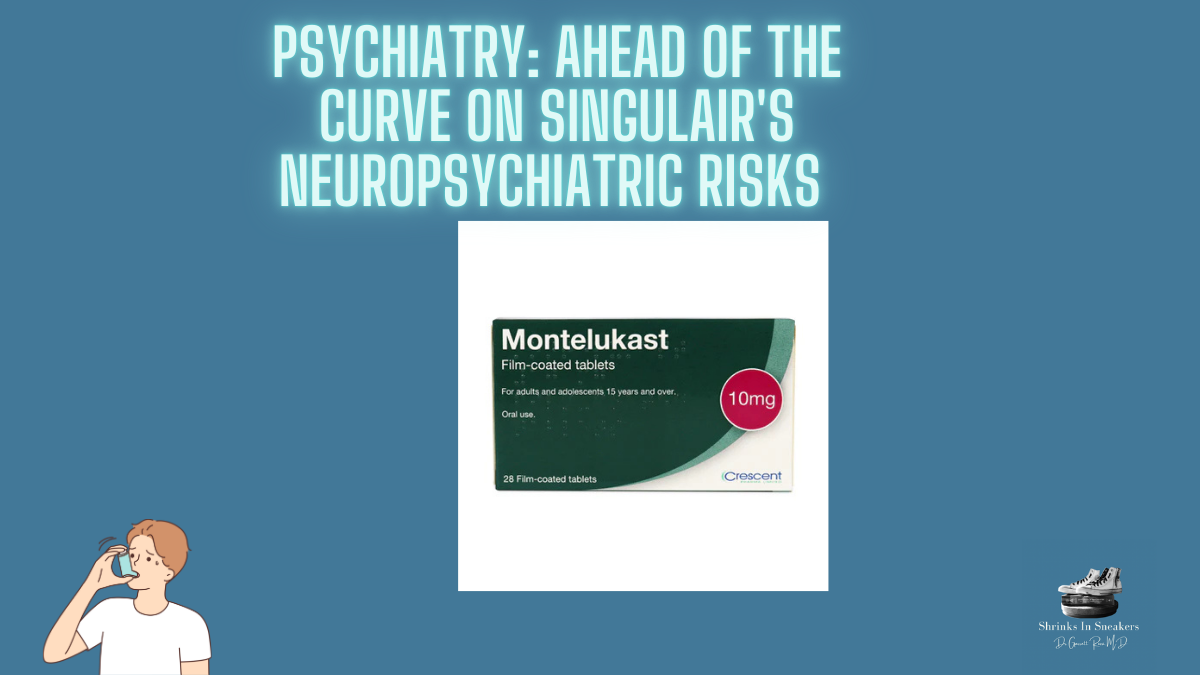
  • Psychiatry: Ahead of the Curve on Singulair’s Neuropsychiatric Risks

    Psychiatry: Ahead of the Curve on Singulair’s Neuropsychiatric Risks

    Psychiatry is often criticized for being “late to the table” when it comes to recognizing the broader impacts of medical treatments. However, in the case of Singulair (montelukast), psychiatry has been aware of its potential neuropsychiatric effects for quite some time.

    Singulair, widely used for asthma and allergic rhinitis, has long been associated with side effects such as mood changes, anxiety, depression, and even suicidality. This connection has been documented for years, yet the broader medical community and regulatory bodies have taken time to fully address these risks.

    Recently, the FDA issued a new warning aimed at heightening awareness of montelukast’s neuropsychiatric side effects. This update emphasizes the importance of assessing the risk-benefit ratio, particularly for patients with mild conditions where alternative treatments may suffice.

    Psychiatry’s Role

    Psychiatrists have long recognized and documented cases where montelukast seemed to exacerbate or trigger psychiatric symptoms. Many of us have seen patients whose mood instability or new-onset anxiety correlated with starting the medication, leading to its discontinuation and subsequent symptom improvement.

    Why This Matters

    This development underscores the value of psychiatry’s vigilance in identifying patterns that might initially go unnoticed in other fields. It’s also a reminder of the importance of collaboration between specialties to ensure patient safety.

    Key Takeaways:

    • Patients and families: Be aware of the potential neuropsychiatric side effects of montelukast. Monitor mood, sleep, and behavior changes closely, especially in children.
    • Clinicians: Always evaluate the necessity of montelukast in mild cases and consider alternatives when possible. Open conversations with patients about these risks can be life-saving.
    • Psychiatrists: Continue advocating for the recognition of neuropsychiatric risks in non-psychiatric medications. Our input is crucial in ensuring patient safety.

    Psychiatry wasn’t late to this table. In fact, we may have set it.

  • The Silent Crisis: Physician Suicide in the United States

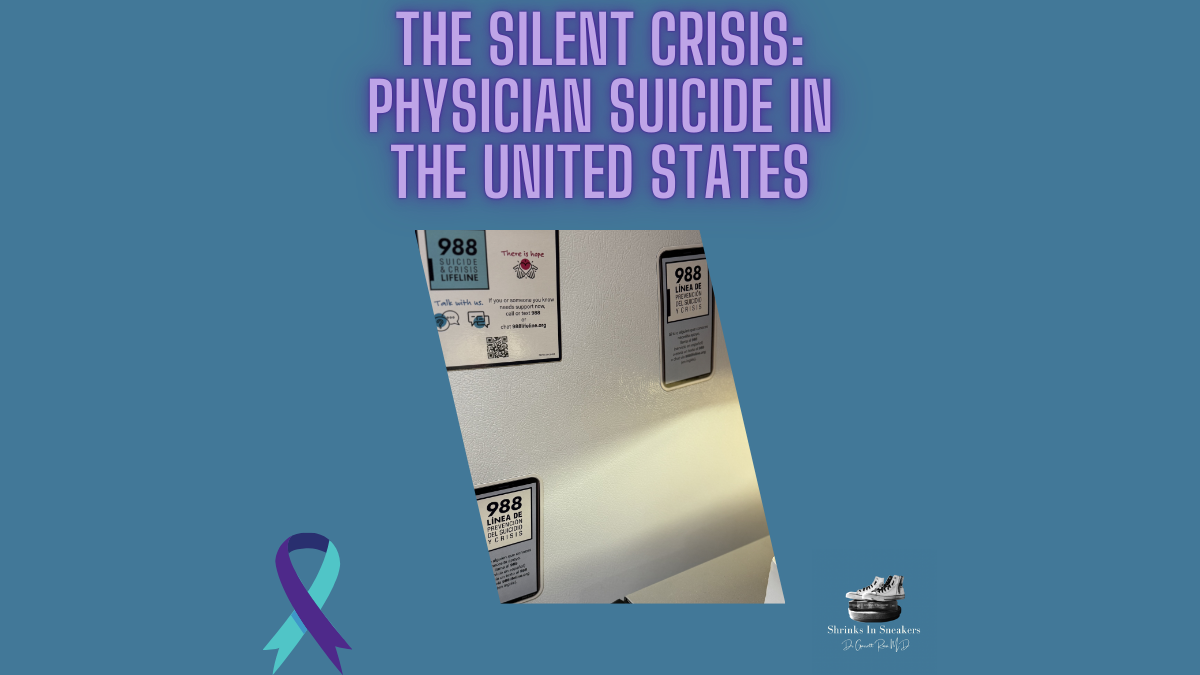
    The Silent Crisis: Physician Suicide in the United States

    I saw these magnets today on the refrigerator located in the physicians lounge and it seemed like a good reminder 

    In the U.S., an estimated 300-400 physicians die by suicide each year, a staggering rate far higher than that of the general population. This crisis, largely unspoken in healthcare settings, underscores the immense pressures physicians face daily. The high expectations, long hours, emotional exhaustion, and the stigma around seeking mental health support create a dangerous environment where burnout can quickly spiral into severe mental health struggles.

    Physicians are trained to endure, often putting others’ health before their own. But the costs of “pushing through” take a toll. Many feel they cannot safely reach out for help without risking their careers due to institutional stigma around mental health treatment. This cycle of isolation and suppressed emotion can lead to tragic outcomes.

    Organizations are beginning to address this issue by implementing wellness programs, peer support systems, and confidential mental health resources, but more systemic changes are needed. Reducing the stigma around mental health support, reforming punitive policies, and fostering a culture of openness in medicine could be life-saving.

    Physician suicide affects us all—it robs the healthcare system of dedicated professionals and leaves profound impacts on patients, families, and communities. It’s time to break the silence and actively support those who care for us.

  • Tragic final words of doctor, 33, before he died by suicide

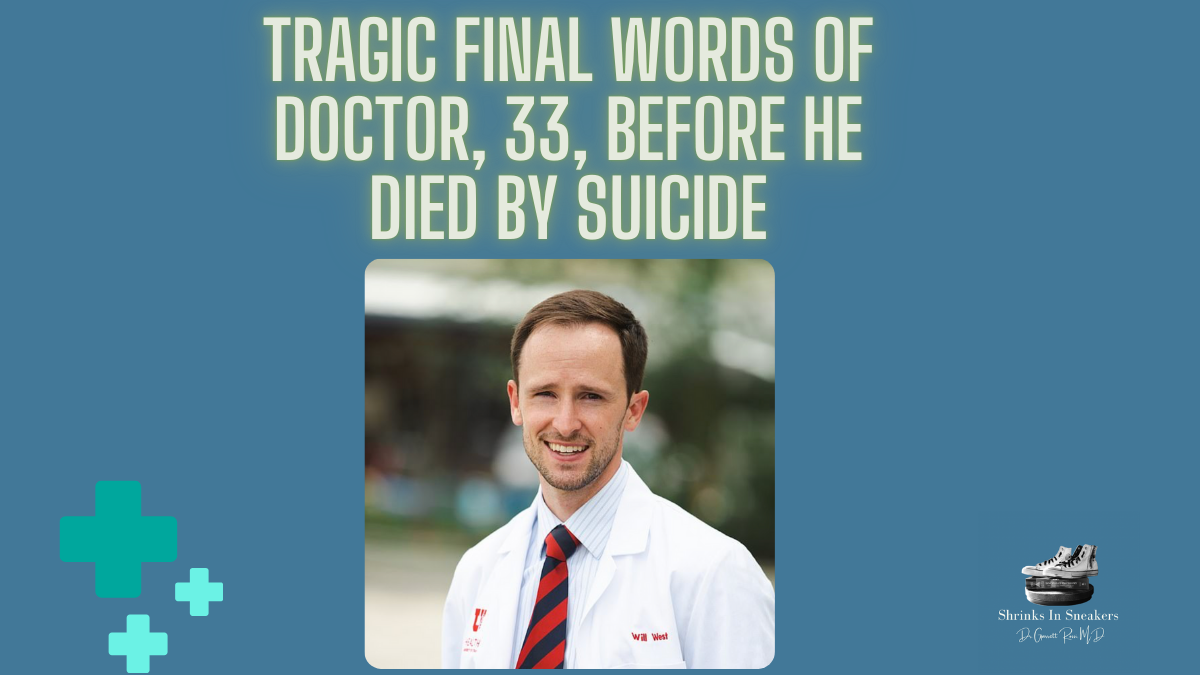
    Tragic final words of doctor, 33, before he died by suicide

    The tragic loss of a 33-year-old ophthalmology resident by suicide is a heartbreaking reminder of the immense pressures faced by those in the medical field. Residency, known for its intense demands and long hours, often leaves little room for self-care, mental health support, and the emotional toll that comes with caring for others. This devastating event highlights the urgent need for systemic changes in medical training and work environments, ensuring that mental health resources are accessible, stigma is reduced, and medical professionals receive the support they need. Our hearts go out to the family, friends, and colleagues affected by this tragedy.

    As a doctor myself, I ask you—who hasn’t felt like they’re running on empty at one point or another during their training or career? The #burnout in this profession is as real as it gets. It can destroy your life, ruin time with your family, and, in the worst cases, end your life. Are we really the ones who are sick, or are we just products of a sick society? We need to do better for each other.

  • Understanding Anxiety: My Personal Experience as a Medical Student

    Understanding Anxiety: My Personal Experience as a Medical Student

    This reminds me a lot of the depression question. Patients often tell me, “Dr. Rossi, you don’t know what it’s like to be anxious.”

    I usually have a quiet chuckle to myself because anxiety is something everyone experiences. It’s a natural part of life. We all have areas where we feel competent, and others where we feel out of our depth. It’s in those areas, the places where we feel uncertain or inadequate, that anxiety can really interfere with our ability to function.

    My most challenging personal experience with anxiety happened during the infamous 4th term of medical school at St. George’s University. By this point, you’ve survived the first year and are well into the second. However, this term is notorious, and it often feels like the school uses it to weed out students—which, in my opinion, is a bit unethical. The structure of my routine completely changed. More requirements, longer lab hours, and less time to study. The familiar rhythm I had relied on to keep up was suddenly turned on its head.

    Throughout that term, I was constantly on edge, overwhelmed by the pressure that all my hard work could slip away at any moment. I still vividly remember the first time I experienced a panic attack. It was early morning; I woke up drenched in sweat, my heart racing, and I couldn’t catch my breath. I was scared enough to go to the university clinic, and that’s when I found out it was a panic attack.

    That experience taught me firsthand what anxiety truly feels like. It’s not just a fleeting worry—it can become physical, paralyzing, and all-consuming. When I talk to patients about anxiety, it’s from a place of understanding. Anxiety doesn’t discriminate, and it certainly doesn’t mean we’re incapable—just human.

  • Doctor’s Near-Death Experience: The Truth Behind Antidepressant Withdrawal – Fact or Fiction

    Doctor’s Near-Death Experience: The Truth Behind Antidepressant Withdrawal – Fact or Fiction

    These sensational headlines about near-death experiences coming off antidepressants are becoming far too common. While we must be cautious with prescribing, it’s equally important not to dissuade people from trying medications that could help them.

    Yes, some patients experience withdrawal symptoms if medications are stopped abruptly without proper tapering. But many patients do not, and I’ve seen countless cases where people discontinue their antidepressants without any issues. Some may require prolonged tapers, while others can taper off much faster than alarmist articles would suggest.

    It’s crucial to remember that while discontinuation can be uncomfortable, it’s rarely life-threatening. We do need to be mindful of how long we prescribe these medications, given they manage symptoms but don’t modify the underlying disease, and the long-term benefits are still debated.

    Guidelines for deprescribing are helpful, but dramatic headlines about “nearly dying” when coming off these medications are not only inaccurate but harmful to those who could benefit from treatment. Let’s promote balanced, evidence-based discussion on this topic, focusing on proper discontinuation without sensationalizing the risks.

    Link to article: https://www.theguardian.com/australia-news/article/2024/jul/31/australian-doctor-mark-horowitz-who-almost-died-writes-landmark-guidance-on-how-to-safely-stop-using-antidepressants

  • Mastering the Mind: Strategies for Tackling Anxious Depression

    When treating anxious depression, SSRIs and SNRIs may not always provide sufficient relief. In such cases, I consider adding medications like quetiapine, which has a significant effect size for generalized anxiety disorder (GAD) and is FDA-approved as an augmentation strategy for depression at doses of 150–300 mg. However, due to its side effect profile, it’s advisable to limit the duration of quetiapine use when possible.

  • Major Barriers to psychotherapy treatment

    Major Barriers to psychotherapy treatment

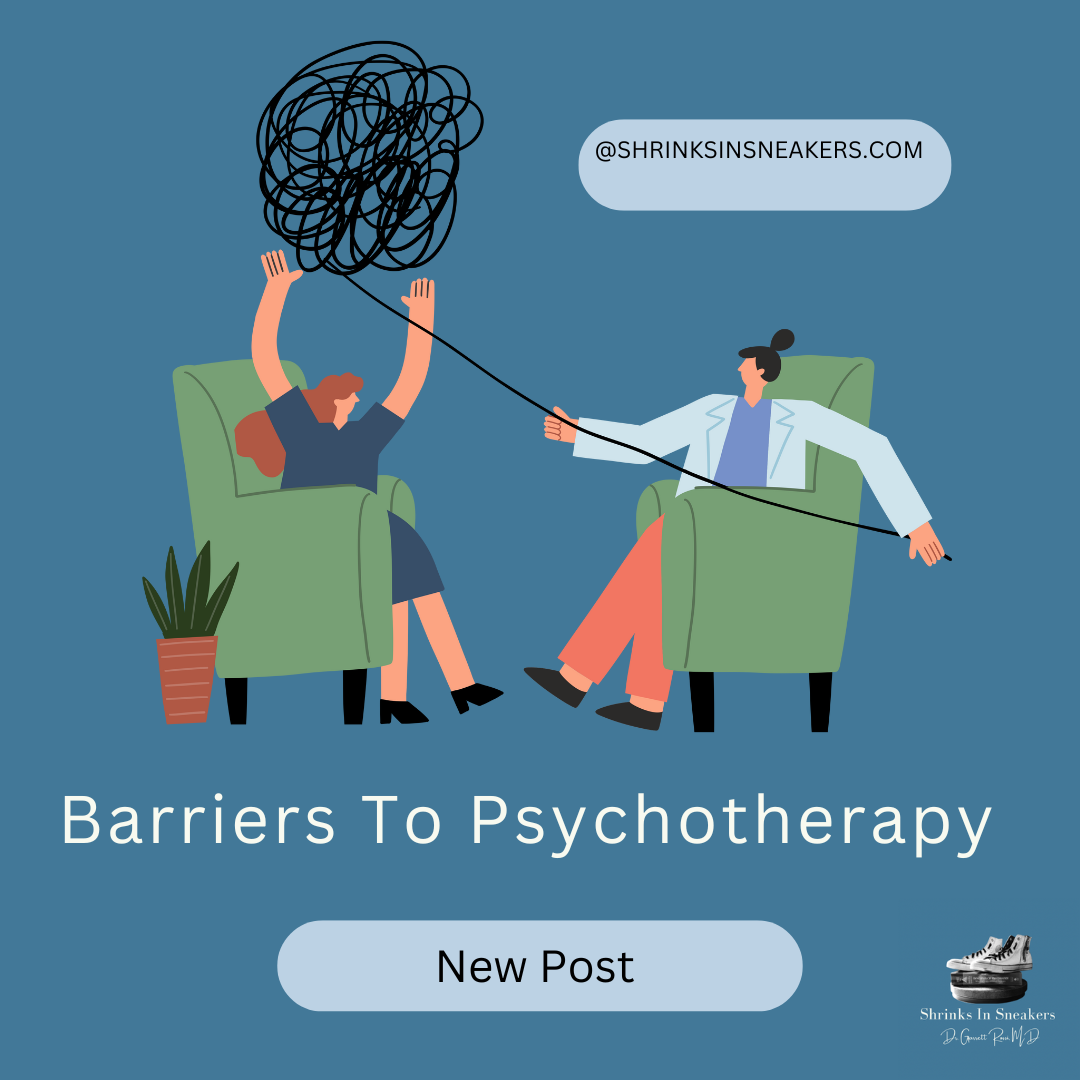
    Have you ever had one of those weeks where every patient you see could greatly benefit from psychotherapy, but finding them a therapist seems impossible? There are many barriers to accessing mental health care, including inadequate or nonexistent insurance coverage and a shortage of therapists trained in specific types of therapy. For instance, I’m always on the lookout for specialists in dialectical behavior therapy (DBT), but finding even one has been a struggle. Recently, I’ve seen many patients who would benefit far more from psychotherapy than from medication, yet I haven’t been able to connect them with the quality therapy they need. We talk a lot about helping people, but I’m not seeing the commitment to providing effective treatment for our most vulnerable patients.

  • This Changes What We Know About How ECT Works 

    This Changes What We Know About How ECT Works 

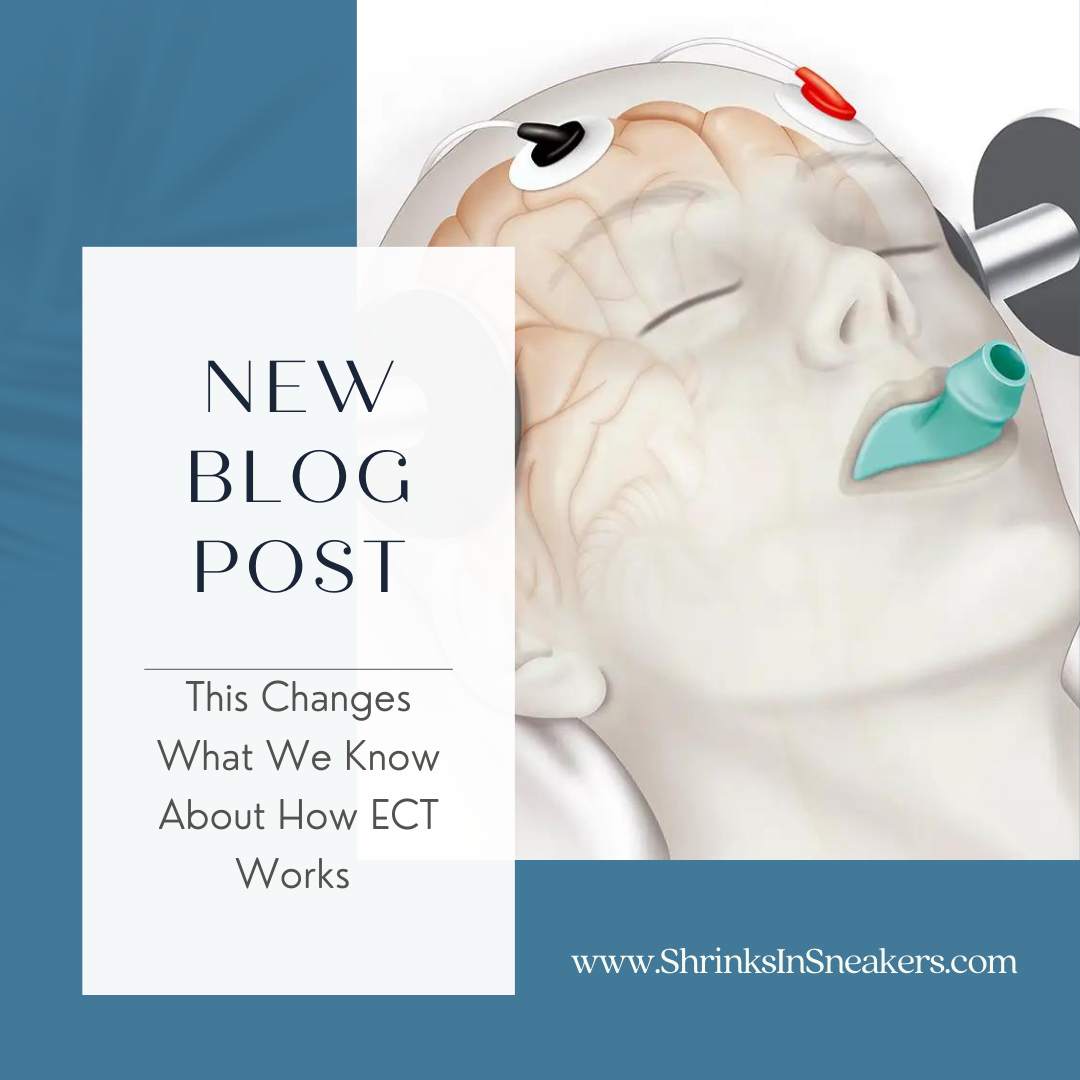
    I’ve had tremendous success with Electroconvulsive Therapy (ECT) in treating resistant depression (TRD). I’ve witnessed remarkable turnarounds, where individuals on the brink of despair have found new joy in life. Such rapid improvements are often not seen with medication alone.

    Until now, there have been various theories about how ECT works in treating depression. I’ve always viewed it as a combination of increased neuroplasticity, which allows new, more adaptive connections to form quickly, and a boost in all major monoamine neurotransmitters.

    However, new research published in Translational Psychiatry suggests that aperiodic brain activity might be key to the improvements we see with ECT. There’s a significant increase in this type of brain activity after patients undergo ECT, which enhances inhibitory activity in the brain, effectively “pumping the brakes” and alleviating depressive symptoms.

    Unfortunately, ECT remains one of the most stigmatized and underutilized treatments in psychiatry. It’s estimated that less than 1% of those with treatment-resistant depression (TRD) receive ECT—a disheartening statistic that contributes to depression’s status as a leading cause of disability.

    For patients where medications have repeatedly failed, ECT can be a life-saving treatment. There are many compelling stories of lives transformed by ECT, but the public rarely hears them. We need to create more opportunities to share these powerful success stories.

    https://www.nature.com/articles/s41398-023-02634-9

  • The Vital Role of Education in Shaping the Future of Psychiatry

    The Vital Role of Education in Shaping the Future of Psychiatry

    The future of mental health care hinges on the education and training of the next generation of psychiatrists. As we face an ever-growing array of mental health challenges, it is imperative that we equip upcoming professionals with the knowledge, skills, and empathy necessary to make a profound impact on the lives of their patients.

    The Evolving Landscape of Psychiatry

    Psychiatry is a dynamic field, continually evolving as new research, treatments, and technologies emerge. From advancements in psychopharmacology to the integration of telepsychiatry, the landscape of mental health care is rapidly changing. To stay at the forefront of these developments, future psychiatrists must receive comprehensive and up-to-date education.

    Comprehensive Training Programs

    Effective training programs are essential to prepare future psychiatrists for the complexities of the field. These programs should encompass a wide range of topics, including neurobiology, psychopharmacology, psychotherapy, and cultural competence. By providing a well-rounded education, we can ensure that new psychiatrists are equipped to address diverse patient needs and offer holistic care.

    Emphasis on Empathy and Communication

    While technical knowledge is crucial, the human element of psychiatry cannot be overstated. Empathy, active listening, and effective communication are foundational skills that every psychiatrist must possess. Training programs must emphasize the importance of building strong therapeutic relationships, fostering trust, and understanding the unique experiences of each patient.

    Encouraging Research and Innovation

    The field of psychiatry thrives on innovation and research. Encouraging young psychiatrists to engage in research not only advances our understanding of mental health but also fosters a culture of curiosity and continuous learning. By supporting research initiatives and providing opportunities for scholarly exploration, we can inspire the next generation to push the boundaries of what is possible in mental health care.

    Addressing Stigma and Promoting Mental Health Awareness

    Education plays a critical role in combating the stigma associated with mental illness. By instilling a deep understanding of the social, cultural, and psychological factors that contribute to stigma, we can empower future psychiatrists to advocate for their patients and promote mental health awareness. This advocacy extends beyond the clinical setting, influencing public policy, community outreach, and broader societal attitudes.

    Integrating Technology and Telepsychiatry

    The COVID-19 pandemic has underscored the importance of telepsychiatry and digital health solutions. Training the next generation of psychiatrists to effectively utilize technology can expand access to care, especially in underserved areas. Familiarity with telepsychiatry platforms, digital diagnostic tools, and electronic health records will be essential for future practitioners.

    Lifelong Learning and Professional Development

    The journey of a psychiatrist does not end with formal education. Lifelong learning and professional development are essential to staying current with advancements in the field. Encouraging a culture of continuous education, through conferences, workshops, and peer collaboration, ensures that future psychiatrists remain well-informed and adaptable.

    Conclusion

    Educating the next generation of psychiatrists is not just about imparting knowledge; it is about shaping compassionate, innovative, and resilient professionals who will lead the charge in improving mental health care. By investing in their education, we are investing in the future well-being of individuals and communities worldwide. Let us commit to providing the highest quality training and support to those who will one day carry the torch of psychiatry forward.

  • The Truth About Anxiety Treatments: What Really Works 

    The Truth About Anxiety Treatments: What Really Works 

    In the first part of this series, we discussed anxiety and specifically generalized anxiety disorder (GAD) as a diagnosis. Now we are going to look at the research associated with the treatment of GAD and let the research inform our decision making about what works when a person presents with GAD. Some of these findings may surprise you. 

    SSRIs 

    Although the effect size of SSRIs in GAD is small, 0.33 they remain the recommended first line option for treatment. It’s also important to confirm that someone has had an adequate trial of SSRI treatment before assuming it’s not effective. The choice of which SSRI will depend on the side effect profile and other patient factors such as presence of insomnia, substance use, or pregnancy. Escitalopram is a good place to start, fluoxetine, or sertraline can be alternative options. Although paroxetine has the FDA approval for GAD it has more side effects like weight gain and sedation, along with several other factors that make this medication a poor first-line option. If the first medication trial is ineffective it’s reasonable to try a second SSRI or switch to the SNRI duloxetine. 

    When SSRIs Don’t Work

    The next step in many cases is to try a medication from a different class. Two SNRIs have been well studied in GAD, venlafaxine, and duloxetine. Venlafaxine is not considered a first line choice due to the side effect profile and the small increase in efficacy. From the meta-analysis on anxiety treatments the effect size is 0.36 slightly better than the SSRIs but it would likely be undetectable clinically. Duloxetine is slightly better with respect to side effects and can be a good choice if you chose to use an SNRI for anxiety treatment. It has the added benefit of lower risk for sexual side effects compared to venlafaxine and possibly improved cognition.

    Bupropion in Anxiety Disorders

    There is some evidence for the use of bupropion in GAD. In one study small study of 25 participants bupropion beat the SSRI escitalopram head-to-head. Other lines of evidence include more improvement in GAD when bupropion was added as a combination treatment with SSRIs compared to adding buspirone. For clarification the effect size of buspirone in GAD is 0.17 which would be unlikely to produce any observable clinical improvement in anxiety symptoms. I largely stay away from buspirone unless it’s used to treat sexual side effects of SSRIs. Bupropion may be good option for patients who do not want the side effect profile of an SSRI. Although we lack the large RCTs for bupropion in GAD there is some evidence to support its use. The negative studies indicating bupropion worsened symptoms of anxiety come from studies in panic disorder where bupropion was found to worsen panic symptoms. 

    What About New Antidepressants?

    Vortioxetine had a lot of hype when it first came out, and many believed it would work for GAD. Unfortunately, like many medications when we believe something should theoretically work based on the mechanism of action, we are sadly disappointed. This is one of those cases. The effect size was found to be 0.12 and it did not even cross into the small range. This medication performed worse than buspirone for GAD.  

    Vilazodone also had one positive study published for GAD. Again, based on the MOA it should work just fine, it has typical SSRI like effects in addition to 5-HT1A effects like buspirone, you should get the best of both worlds theoretically. This one positive study was followed by two distinctly negative studies and a calculated effect size of 0.26 which is considered small. 

    Both were not submitted for FDA approval for GAD based on the negative results. 

    The Hydroxyzine Argument

    Hydroxyzine is an antihistamine that’s been out for a long time. As I stated earlier it has approval for tension associated with psychoneurosis which is the old psychanalytic way of describing anxiety. It’s often seen as ineffective, but the effect size was higher than SSRIs and SNRIs for the treatment of GAD. Hydroxyzine had an effect size of 0.45, and we may want to reconsider the use of this medication. Some limitations are the size of the studies and duration of the studies, but this still provides a fair amount of evidence that hydroxyzine may perform better than we think. 

    Quetiapine Surprised Me

    Quetiapine is an antipsychotic medication usually not considered as a treatment option for anxiety disorders. However, the effect size was large with a range from 1.0 to 2.2. To put this in perspective this medication outperformed SSRIs, SNRIs, and benzodiazepines. Why did it not gain FDA approval? If you watched my other videos, you should know that the side effect profile is difficult to tolerate. Metabolic side effects and sedation are common, and the FDA does not view anxiety disorders as significant enough to warrant this degree of risk. One place where this medication may be very useful is in bipolar disorder with severe anxiety. We avoid antidepressants in this population at all costs, quetiapine offers a good option with strong evidence and strong antidepressant effects in bipolar depression. 

    Where this fits in clinical practice for me is as a 3rd or 4th line option after all other avenues have been explored except for bipolar disorder as stated above. The antipsychotic medications have been known to have a positive effect on anxiety, but the limitation remains side effects. 

    Anxiety as a less Severe Form of Psychiatric Illness

    According to the FDA medications like aripiprazole and quetiapine are reasonable adjunctive therapies for patients with major depression that does not respond to first line treatment options. This is not their view for anxiety disorders that respond poorly to first line options. When we look at disability caused by depression and anxiety there isn’t much difference in the odds of being disabled for depression vs anxiety (3.5 Vs 3.1). For whatever reason we continue to view anxiety as less significant although DSM does not identify a clear diagnostic hierarchy. 

    Things like psychotherapy are often recommended as first line options. In the 1980’s when GAD was first conceived, it was thought to be a mild disorder where psychotherapy is the most effective treatment. In fact, psychotherapy did well it had an effect size of 0.5 which is nearly the same as benzodiazepines. Psychotherapy is a good place to start for anyone presenting with an anxiety disorder. I’m also a big believer of combining psychotherapy and medication for anxiety disorders. 

    What about Benzos?

    Benzodiazepines can have all sorts of effects on the body. Largely we think of the benefits of benzodiazepines in anxiety disorders as having a major effect on the physical symptoms of anxiety and not so much on the chronic worry that characterizes the disorder. Many of the effects of benzodiazepines would not be measured by traditional anxiety rating scales based on the updated conception of GAD. Nevertheless, Benzodiazepines had an effect size of 0.4-0.5 which falls into the moderate range for GAD. 

    A final Option to Consider

    Silexan the proprietary extract of Lavender oil has good evidence and a large effect size when used to treat GAD. In Germany there is a respect for the power of natural products, and they are regulated and prescribed in the same manner as pharmaceutical drugs. When silexan was studied in GAD the effect size can range from 0.5 to 0.9. This is a large effect size and I have another video that covers Silexan in detail if you are interested. This can be added to most medication regimens without significant drug interactions and has even been shown to decrease the use of benzodiazepines in those who are using them for GAD. It can be purchased under the brand Name Calm Aid for around $30 per month, and if you are wondering I get no financial compensation for saying this I’m just presenting the evidence. 

    Conclusion

    We covered a lot here today and I think one of the most important points to stress is the importance of finding the underlying cause of anxiety symptoms. I believe anxiety is driven by other underlying factors as discussed at the beginning of the video. There are many reasons to be anxious and all require a different approach. Without this clarification the patient is likely to continue struggling. Another important point is theoretical mechanism of action that should work, do not always work as seen in the case of vilazodone. We also had some surprises, hydroxyzine, and silexan performed very well but traditional first line options such as SSRI and SNRIs were not so great. I hope this discussion was helpful and if you want more content on anxiety disorders, let me know below in the comments section.