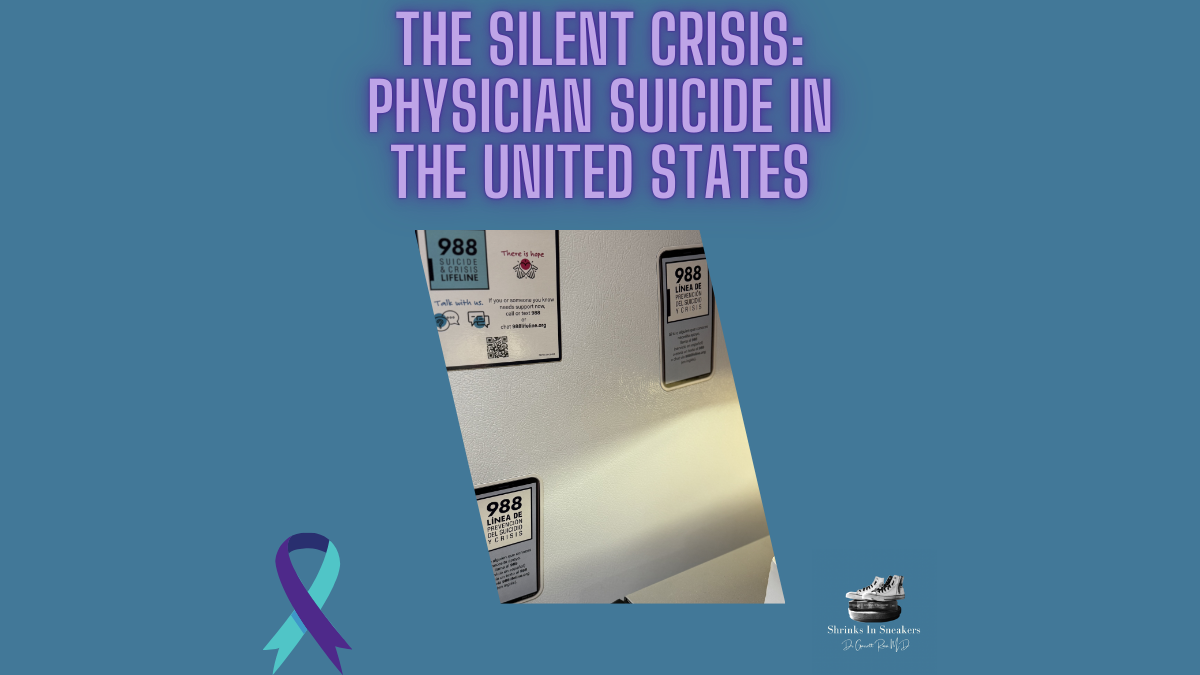
I saw these magnets today on the refrigerator located in the physicians lounge and it seemed like a good reminder
In the U.S., an estimated 300-400 physicians die by suicide each year, a staggering rate far higher than that of the general population. This crisis, largely unspoken in healthcare settings, underscores the immense pressures physicians face daily. The high expectations, long hours, emotional exhaustion, and the stigma around seeking mental health support create a dangerous environment where burnout can quickly spiral into severe mental health struggles.
Physicians are trained to endure, often putting others’ health before their own. But the costs of “pushing through” take a toll. Many feel they cannot safely reach out for help without risking their careers due to institutional stigma around mental health treatment. This cycle of isolation and suppressed emotion can lead to tragic outcomes.
Organizations are beginning to address this issue by implementing wellness programs, peer support systems, and confidential mental health resources, but more systemic changes are needed. Reducing the stigma around mental health support, reforming punitive policies, and fostering a culture of openness in medicine could be life-saving.
Physician suicide affects us all—it robs the healthcare system of dedicated professionals and leaves profound impacts on patients, families, and communities. It’s time to break the silence and actively support those who care for us.
In psychiatry we are always asking patients about social support. The presence or absence of social support can have a major impact on treatment response and ability to remain well once someone leaves the hospital. This usually includes support from family members and friends.
In 1956 the Medical Research Council Social Psychiatry (MRCSP) London conducted a study regarding the readmission of schizophrenic patients. The research revealed that patients who were stabilized symptomatically and functionally inpatient and subsequently discharged to live with their parents or wives were frequently readmitted for relapse of symptoms compared to those who were discharged to a sibling, or non-family environment. While family involvement is generally a protective factor that helps prevent things like suicide, there are some situations where the over involvement of family can complicate matters and even create worse outcomes.
This usually occurs when a family has high expressed emotion.
Expressed emotion (EE) has consistently been shown to predict relapse in schizophrenia as well as other psychiatric disorders. Expressed emotion is a measure of the family environment that is based on how the relatives of a psychiatric patient spontaneously talk about the patient.
It measures 3 aspects of the family environment associated with high expressed emotion:
Hostility (outward anger and frustration towards the patient because the family believes they are choosing to not get better)
Emotional over-involvement (This is where the family tries to solve all the problems for the patient taking away their ability to be self-reliant).
Critical comments (where the family views the mentally ill patient as lazy or selfish, not appreciating the difficulty of living with mental illness).
However, research has shown the following as indications of an environment with low expressed emotion:
1. Positivity: (statements that express appreciation or support for the patient’s behavior and gives verbal and nonverbal reinforcement).
2. Warmth: (kindness, concern and empathy expressed by the caregiver).
There is such a thing as too much involvement on the part of the families which can lead to complicating family dynamics and exacerbation of an individual’s symptoms of mental illness. Interventions for improving outcomes include reducing contact with high EE caregivers and providing psychoeducation about EE to care givers. Bringing awareness to this behavior may help family members change.
This post comes from another real-world case that I frequently encounter in clinical practice. Self-injurious behavior (SIB) is common in the inpatient care setting and the strategies to prevent it are mostly behavioral. Many patients and families are also looking for pharmacological options. Here are some of the more common options and recommendations for treating SIB.
Behavioral Interventions
Functional Behavior Analysis (FBA): Start with an FBA to understand why the self-injury is occurring (e.g., to gain attention, avoid demands, or self-soothe). This guides intervention planning.
Positive Reinforcement and Skill Building: Reinforce alternative, adaptive behaviors that fulfill the same needs as self-injury, such as communication skills (e.g., teaching to request attention) or self-soothing techniques.
Cognitive Behavioral Therapy (CBT): For individuals able to engage in talk therapy, CBT can address underlying thoughts and emotions driving SIB, such as distress intolerance, perfectionism, or negative self-beliefs.
Dialectical Behavior Therapy (DBT): DBT is particularly effective for reducing SIB, especially in borderline personality disorder. It combines emotional regulation, mindfulness, and distress tolerance skills.
Environmental Modifications: Minimizing triggers in the individual’s environment can help reduce occurrences. This might include changes in routines, avoiding overstimulation, or modifying demands.
Applied Behavior Analysis (ABA): Techniques from ABA, like differential reinforcement of other behaviors (DRO) or non-contingent reinforcement (NCR), can reduce self-injury by decreasing its functional value.
Pharmacological Interventions
SSRIs (Selective Serotonin Reuptake Inhibitors): Useful if self-injury is driven by anxiety, depression, or obsessive-compulsive tendencies. SSRIs can help stabilize mood and reduce anxiety, lessening the need for SIB.
Antipsychotics: Atypical antipsychotics, such as risperidone or aripiprazole, are sometimes effective, particularly in autism spectrum disorders or severe intellectual disabilities. However, weigh these benefits against side effects, especially for long-term use.
Mood Stabilizers: Medications like lithium, lamotrigine, or valproate can help regulate mood fluctuations that contribute to SIB. Lithium, in particular, has shown effectiveness in reducing aggression and impulsivity.
Naltrexone: This opioid antagonist can be effective in cases where SIB is hypothesized to release endogenous opioids, providing a calming effect.
Beta-blockers (e.g., propranolol): In cases of high impulsivity or aggression linked to SIB, beta-blockers can reduce physiological arousal, lessening the drive for self-injury.
Clonidine or Guanfacine: These medications, which target the noradrenergic system, can help reduce impulsivity and aggression in patients with ADHD or autism, indirectly lowering self-injury.
Choosing the best approach depends on the individual’s specific triggers, co-occurring conditions, and underlying motivations for SIB. Integrating both behavioral and medication interventions, while monitoring closely for effectiveness and side effects, often yields the best outcomes.
With daylight savings time quickly approaching a summary of the randomized controlled trial evidence for light therapy in seasonal affective disorder (SAD), particularly in relation to daylight savings time seems appropriate this week.
Efficacy of Light Therapy for SAD
Several randomized controlled trials have demonstrated the efficacy of light therapy for treating seasonal affective disorder:
A meta-analysis of randomized controlled trials found that bright light treatment was associated with a significant reduction in depression symptom severity in SAD, with an effect size of 0.84 (95% CI: 0.60 to 1.08)
Another meta-analysis revealed that dawn simulation light therapy was also effective for SAD, with an effect size of 0.73 (95% CI: 0.37 to 1.08)
One study found that exposure to bright light (10,000 lux) for as little as 20-40 minutes could lead to significant improvements in mood scores in SAD patients
Timing and Duration of Light Therapy
Light therapy is typically administered daily for at least several weeks during the fall and winter months
One study found that 40 minutes of exposure to 10,000 lux light resulted in greater improvement than 20 minutes, but was not significantly different from 60 minutes of exposure
The rate of mood improvement was steepest during the first 20 minutes of light exposure
Mechanisms and Considerations
The efficacy of light therapy is thought to be related to its effects on circadian rhythms and neurotransmitters like serotonin
Light boxes used for therapy should provide 10,000 lux of light and have screens that filter out UV rays
Light therapy is generally recommended to be used within the first hour of waking up in the morning
Limitations of Current Evidence
Many studies on light therapy for SAD have not used rigorous study designs
There is limited research specifically examining the effects of light therapy in relation to daylight savings time changes.
More long-term follow-up studies are needed to assess the safety and potential side effects of light therapy
While the evidence supports the efficacy of light therapy for SAD, there is a need for more rigorous, large-scale randomized controlled trials to further establish its effectiveness, optimal timing, and duration, particularly in relation to daylight savings time changes. The current evidence suggests that light therapy can be an effective treatment option for SAD, with effects comparable to antidepressant medications
People with ADHD have been shown to use cannabis at higher rates than those without ADHD. Studies indicate that adolescents and adults with ADHD are more likely to use cannabis, and they may start using it at a younger age. This may be due to self-medication attempts, as people with ADHD often report using cannabis to help with symptoms like impulsivity, anxiety, and sleep difficulties which seems like a bad idea to me but lets look at the reasons.
2. Cannabis as a Self-Medication Attempt
Some people with ADHD use cannabis in an attempt to self-manage their symptoms. Anecdotally, users report feeling more focused, relaxed, and less anxious, though the scientific evidence on cannabis’s effectiveness for ADHD symptom management is not robust. Studies show that while some ADHD symptoms like restlessness might feel alleviated short-term, long-term outcomes often do not show sustained benefit, and impairment can increase over time.
3. Impact on ADHD Symptoms
Research on cannabis’s effect on ADHD symptoms is mixed:
Impulsivity and Attention: Cannabis can impair attention, memory, and executive functioning, which are already areas of struggle for individuals with ADHD. Heavy cannabis use is associated with poorer performance on tasks measuring these cognitive domains.
Cognitive Function: Longitudinal studies have shown that chronic cannabis use can worsen cognitive functions over time, especially if use begins in adolescence. These cognitive impacts may compound ADHD-related deficits.
Motivation and Goal-Directed Behavior: Cannabis can affect motivation and goal-directed behavior, which can exacerbate some ADHD symptoms, particularly in individuals who already struggle with organization and task completion.
4. ADHD as a Risk Factor for Cannabis Use Disorder
Studies suggest that people with ADHD may be more prone to developing cannabis use disorder (CUD) compared to the general population. Traits like impulsivity and sensation-seeking, common in ADHD, may increase vulnerability to addiction. Additionally, the reinforcing effects of cannabis (e.g., reduction in perceived anxiety) may lead to increased use and dependency in those with ADHD.
5. Genetic and Neurobiological Factors
There is some evidence suggesting that the overlap between cannabis use and ADHD may have a genetic or neurobiological basis:
Genetic Overlap: Studies have found that genes linked to ADHD, particularly those affecting dopamine function, are also implicated in substance use disorders, including cannabis use disorder.
Endocannabinoid System: ADHD and cannabis use affect dopamine and endocannabinoid systems. Some research posits that dysregulation in these systems might underlie both the propensity for ADHD and substance use, but this remains an area for further research.
6. Cannabis and Medication Interactions
For those with ADHD taking stimulant medications, cannabis use can interfere with treatment. THC, the psychoactive component of cannabis, can interact with medications like methylphenidate or amphetamine-based treatments, potentially reducing their effectiveness or exacerbating side effects like anxiety and heart palpitations.
7. Longitudinal and Population Studies
Long-term studies generally show that early and heavy cannabis use is associated with worse outcomes for individuals with ADHD. These include lower academic achievement, increased rates of unemployment, and higher incidences of mental health issues, especially when cannabis use starts in adolescence.
Summary
While some people with ADHD report short-term symptom relief with cannabis, research shows that heavy, frequent use tends to worsen cognitive deficits associated with ADHD over time. Additionally, ADHD may predispose individuals to higher rates of cannabis use and a greater risk of developing cannabis use disorder. While cannabis might seem beneficial for symptom relief in the short term, its long-term use is generally not supported as an effective management strategy for ADHD.
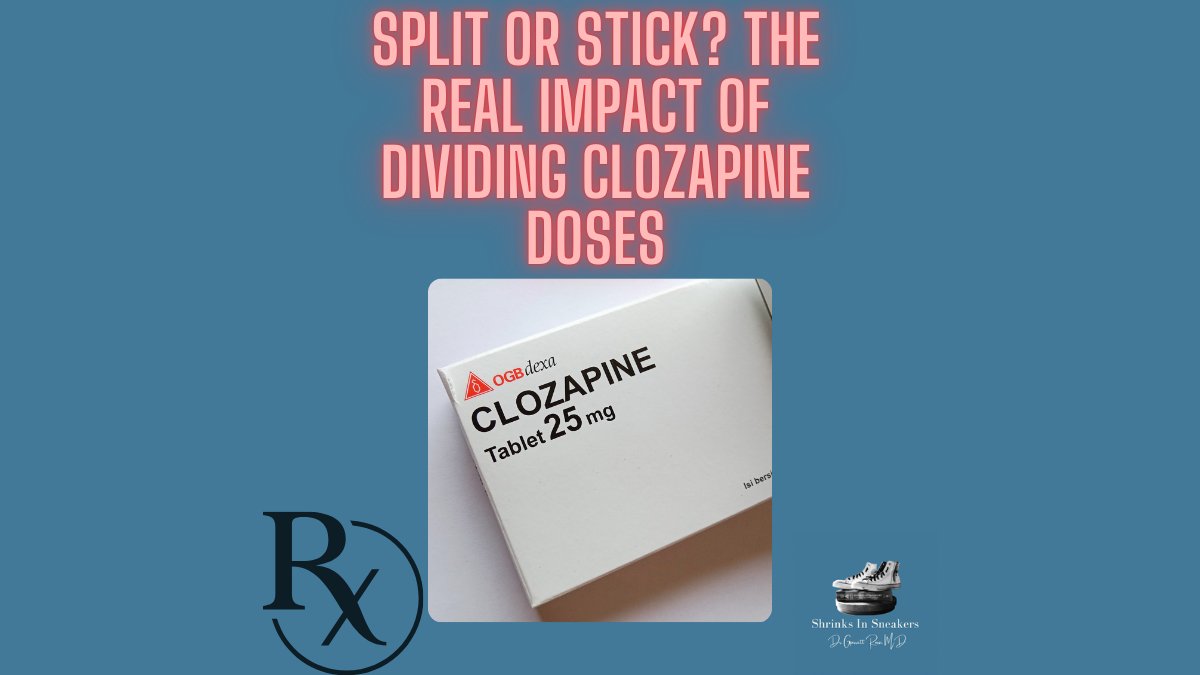
This post comes from a recent discussion I had with my resident about the utility of splitting clozapine doses in a recent case we had.
The evidence on splitting clozapine into multiple daily doses primarily stems from clinical observations and smaller studies rather than extensive, randomized controlled trials (RCTs). Since clozapine has a unique pharmacodynamic and pharmacokinetic profile, standardizing an RCT on dose splitting has been challenging.
Clozapine’s Half-Life and Steady-State Concentration: Clozapine has a long half-life (averaging about 12 hours), meaning steady-state concentrations can be reached without strict multiple dosing. Many patients maintain stable blood levels with once-daily dosing, especially at lower doses.
Dose Splitting and Side Effects: Some smaller studies and clinical observations suggest that splitting doses can help reduce peak plasma levels of clozapine, which can be associated with side effects like sedation, hypotension, and dizziness. In these cases, a split dosing regimen may improve tolerability, particularly in patients who experience significant sedation or orthostatic hypotension with a single daily dose.
Metabolic Side Effects and Compliance: In cases where metabolic side effects are of concern, or in patients who may not tolerate high single doses well, dividing doses could help with tolerability, potentially improving compliance and minimizing adverse effects like sedation or metabolic impact.
Seizure Risk: High plasma peaks with a single large dose may theoretically increase the risk of seizures, especially in patients on higher doses of clozapine. Dividing doses is sometimes recommended as a preventive measure to maintain a more consistent blood level, although robust RCT data supporting this specific benefit is lacking.
While RCT evidence specifically on clozapine dose-splitting remains limited, clinical judgment, patient tolerance, and monitoring of therapeutic blood levels play essential roles in tailoring dose regimens.
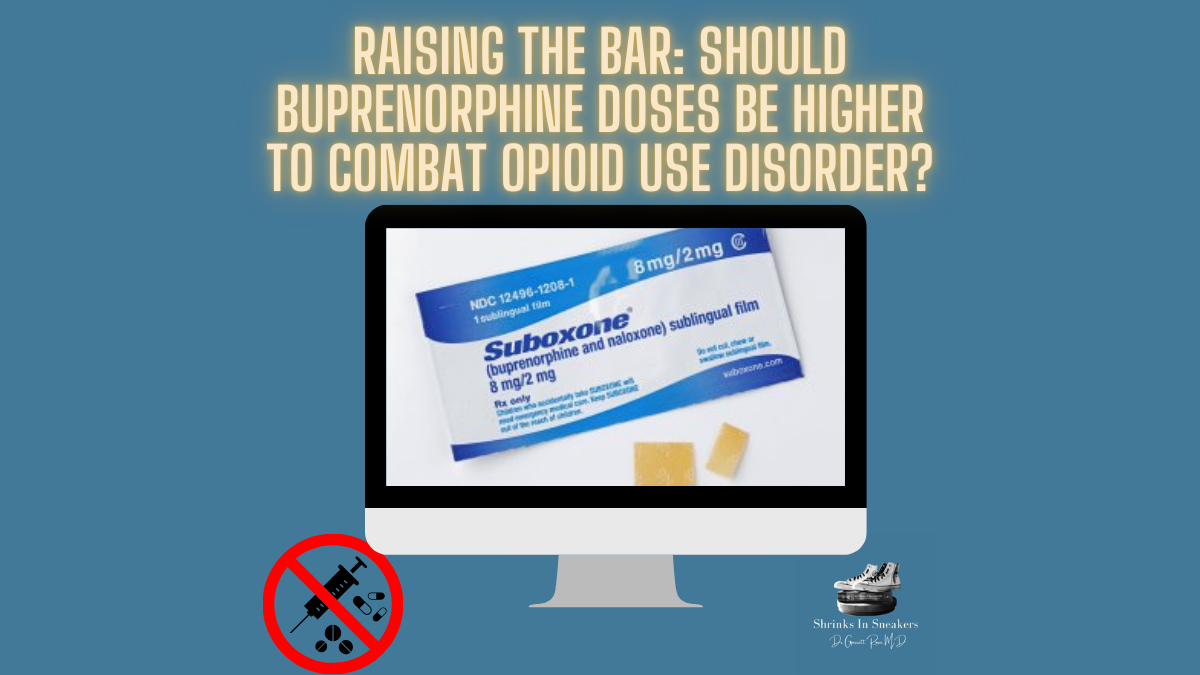
The study “Association of Daily Doses of Buprenorphine With Urgent Health Care Utilization” explored how different buprenorphine doses affect emergency department (ED) and inpatient service use among individuals with opioid use disorder (OUD).
Higher Doses Associated with Fewer Acute Care Visits: Patients receiving higher doses of buprenorphine (above 16 mg/day) had a longer time to ED or inpatient visits compared to those on lower doses (8-16 mg/day). Those on doses over 24 mg saw a significant reduction in the need for urgent care, particularly related to behavioral health crises.
Implications for Fentanyl Users: The findings are particularly relevant for those using synthetic opioids like fentanyl, which often require higher doses of buprenorphine to manage withdrawal symptoms effectively. These higher doses may reduce acute care needs and improve overall treatment outcomes.
Policy Considerations: The study highlights potential barriers, such as restrictive state laws or insurance limitations, that may prevent patients from accessing higher buprenorphine doses, which could limit effective treatment.
These results suggest that modifying buprenorphine dosing guidelines could be beneficial, especially as the opioid crisis evolves with the prevalence of fentanyl
The article “Deprescribing Antipsychotics in Patients with Schizophrenia: Findings from a Specialized Clinic” emphasizes a growing interest in reducing or discontinuing antipsychotic medications in patients with schizophrenia, particularly those stable on long-term treatment. While continuous antipsychotic use is common to prevent relapse, concerns about long-term side effects, such as metabolic give us pause and rise concerns.
Key Points:
Benefits of Deprescribing:
Reduction in side effects such as weight gain and metabolic syndrome.
Potential reversal of tardive dyskinesia.
Empowering patients by involving them in shared decision-making, improving adherence and satisfaction.
Risks:
The primary risk is relapse, with studies indicating relapse rates between 20-60% after discontinuation.
Relapse can lead to hospitalization, job loss, and disrupted relationships.
Strategies for Safe Deprescribing:
Individualized Tapering: Gradual reduction in dose is essential, tailored to the patient’s specific needs and history.
Relapse Prevention: Engaging support systems (family, mental health teams), monitoring for early signs of relapse, and incorporating psychosocial interventions.
Ethical Considerations: Balancing patient autonomy with the duty to minimize harm is a challenge. Encouraging patient participation respects autonomy while ensuring they are aware of risks.
Future Directions:
More research is needed on long-term outcomes of deprescribing, particularly in identifying which patients are the best candidates for safe withdrawal.
Clinical guidelines should better integrate recovery-oriented approaches with deprescribing efforts to strike a balance between risk mitigation and promoting patient empowerment
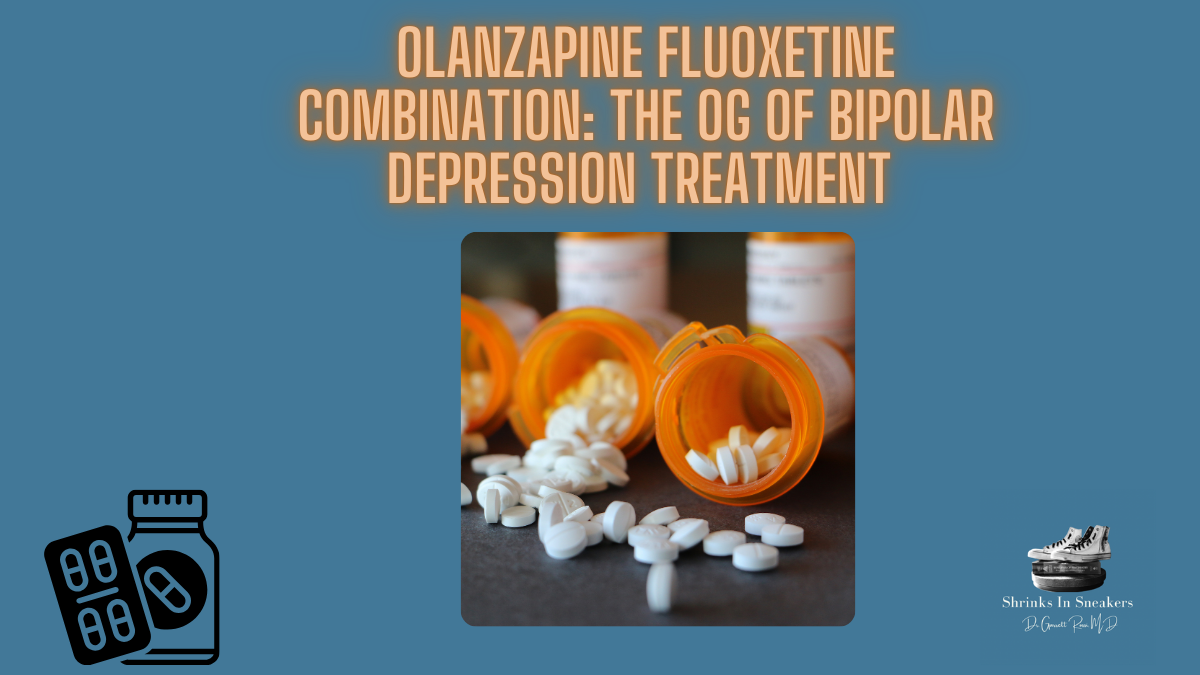
The olanzapine fluoxetine combination was FDA approved in 2003 for the treatment of depressive episodes in bipolar I disorder. In 2009 it was granted approval for treatment resistant depression.
This medication consists of the atypical dopamine blocking medication olanzapine and the SSRI fluoxetine. Many people consider olanzapine to be the best antipsychotic not named clozapine (see my video on the best antipsychotic in the world). This comes from the CATIE study where olanzapine proved to be superior to other medications. It has good efficacy, once daily dosing at night, and low risk for cardiac conduction abnormalities (QTc prolongation). However, the side effects including risk for weight gain and metabolic complications have made it a second line option.
My residents often jump to this medication on the inpatient unit, but I usually tell them to use caution because of the side effects and should it not be effective, it leaves you with clozapine as the next option in terms of effectiveness.
Fluoxetine is an antidepressant that has been around a long time with a broad spectrum of indications. It’s long track record and safety profile makes it a go to antidepressant in both the adult and child adolescent populations. Its main disadvantage is drug interactions.
Dosing
People often think you can make this medication by simply combining olanzapine and fluoxetine and do not believe you need to use the brand name combination pills. I would use some caution with that approach.
When we look at the doses in the combination pill, they are ones that are difficult to make with the current available dosages. For example, olanzapine comes in 2.5 mg, 5 mg, 7.5 mg, 10 mg, 15 mg, and finally 20 mg doses.
The fixed-combination capsule (olanzapine/fluoxetine) comes in 3/25 mg, 6/25 mg, 12/25 mg, 6/50 mg, 12/50 mg. The studies leading to approval of this medication were conducted using these doses in a fixed combination. It’s not clear that dosing each individually is effective.
How to Start the Medication
For bipolar depression the olanzapine fluoxetine combination should be started at 6/25 mg dosed at bedtime. With a target dose of 6-12/25-50 mg depending on clinical response.
Labs prior to starting the medication:
You should have a baseline weight, waist circumference, blood pressure, fasting glucose and lipid profile prior to starting the medication
Cost
The combination pill is more expensive than either medication alone. According to Good Rx The 6/25 mg capsule is $140-$150 per month. This is compared to olanzapine 5 mg which costs $9.00 and fluoxetine 20 mg which costs $4.00
Side Effects
Olanzapine: Most common is somnolence (dose related), dry mouth (dose related), constipation (anticholinergic), weight gain (up to 40% incidence and 10-30 lbs. of weight gain is common), increased appetite, EPS (dose related).
Fluoxetine: Nausea, diarrhea, nervousness, abnormal dreams, weight loss, sweating, tremor, sexual side effects, rash, and headaches. Rare increased risk for bleeding when combined with NSAIDs and hyponatremia in the elderly due to SIADH.
Mechanism of action
Olanzapine: Dopamine D-2 and 5-HT2A antagonist that is metabolized by CYP1A2 and CYP2D6
Fluoxetine: serotonin reuptake inhibitor that is metabolized by CYP2D6 and is an inhibitor of CYP 2C9/2C19 and 2D6 with a half-life of 4-6 days and 9 days for the metabolite norfluoxetine
The half-life is important here because what happens when someone stops taking the medication? The olanzapine has a much shorter half-life and will be cleared from the body more rapidly leaving the person exposed to fluoxetine without a mood stabilizing element possibly inducing mania or worsening mood symptoms. This is something to be mindful of when using this combination.
Studies Showing Efficacy
The studies that resulted in FDA approval for bipolar depression in 2003 were short, 8 weeks in duration. A total of 833 patients with bipolar I depression received either olanzapine alone, olanzapine fluoxetine combination (OFC), or placebo. Patients on OFC and olanzapine alone showed a significant reduction in depressive symptoms compared to placebo as early as the end of week 1 of treatment. By the end of 4 weeks the OFC participants saw significantly more improvement than placebo or olanzapine alone. The superiority continued over the final 4 weeks of the study. By the end 24.5% of patients on placebo met remission criteria, 32.8% of the olanzapine only group achieved remission, and 48.8% of the OFC group achieved remission.
For the 2009 approval of OFC in treatment resistant depression, it was based off two eight-week double blind placebo-controlled studies using doses of 6 to 18 mg for olanzapine and 25 to 50 mg for fluoxetine. 40% of patients receiving the OFC responded to therapy Vs 30% and 26% receiving fluoxetine or olanzapine monotherapy. The starting dose was 6/25 mg and could be titrated to 18/75 mg as tolerated.
Antipsychotic Drugs and Cognitive Function: Key Findings from a Systematic Review and Meta-Analysis
Background: Cognitive impairment is a core feature of schizophrenia, often leading to significant functional disability. Antipsychotic medications are the main treatment for schizophrenia, but their impact on cognitive function remains debated.
Objective: This systematic review and network meta-analysis aimed to compare the effects of different antipsychotic drugs on cognitive function in patients with schizophrenia.
Methods: The review included randomized controlled trials (RCTs) that assessed cognitive outcomes in patients with schizophrenia treated with antipsychotics. A network meta-analysis was conducted to compare the cognitive effects across different antipsychotic drugs.
Key Findings:
Cognitive Improvement:
All antipsychotics studied showed modest cognitive benefits, though the effect sizes were small.
Second-generation antipsychotics (SGAs) generally performed better than first-generation antipsychotics (FGAs).
Among SGAs, lurasidone and amisulpride demonstrated the most pronounced cognitive improvements.
FGAs like haloperidol showed the least benefit for cognitive function.
Domains of Cognitive Improvement:
The drugs improved different cognitive domains, including working memory, processing speed, and executive functioning, though no single drug showed superiority across all domains.
Comparative Effectiveness:
In head-to-head comparisons, lurasidone and amisulpride were consistently ranked higher for cognitive improvement.
Olanzapine and risperidone also showed beneficial effects, though to a lesser extent.
Adverse Effects and Tolerability:
Cognitive improvements were often seen alongside side effects, with some drugs (e.g., olanzapine) associated with metabolic risks that may counterbalance cognitive benefits.
Limitations:
The analysis emphasized the small effect sizes, suggesting that while antipsychotics may slightly improve cognition, the changes may not be clinically meaningful in many cases.
Cognitive rehabilitation therapies may need to be paired with pharmacological treatment for more significant cognitive gains.
Conclusions: While antipsychotics can modestly improve cognitive function in schizophrenia, the benefits are relatively small, and no drug significantly outperforms others across all cognitive domains. Lurasidone and amisulpride may offer the greatest cognitive benefits, but additional interventions may be necessary to address cognitive deficits effectively.