Tag: mental health matters

  • Strengthening Mental Health Parity: Ensuring Equal Access to Affordable Care

    Strengthening Mental Health Parity: Ensuring Equal Access to Affordable Care

    Here are the key points from the Biden Administration’s finalized regulation:

    1. Objective: To ensure 175 million Americans with private health insurance have access to affordable mental health services.
    2. Focus: The regulation emphasizes mental health care parity, aiming for equal access and affordability between mental and physical health services.
    3. Requirements for Insurers: Health insurance providers must cover mental health services comparably to physical health services, without added hurdles.
    4. Implementation: Insurers are required to assess the adequacy of their mental health networks and take corrective action if they fall short.
    5. Broader Impact: The rule seeks to reduce out-of-pocket costs and improve access to essential mental health treatments, addressing the growing mental health crisis.
  • Heart and Mind: Answering the Call to Psychiatry

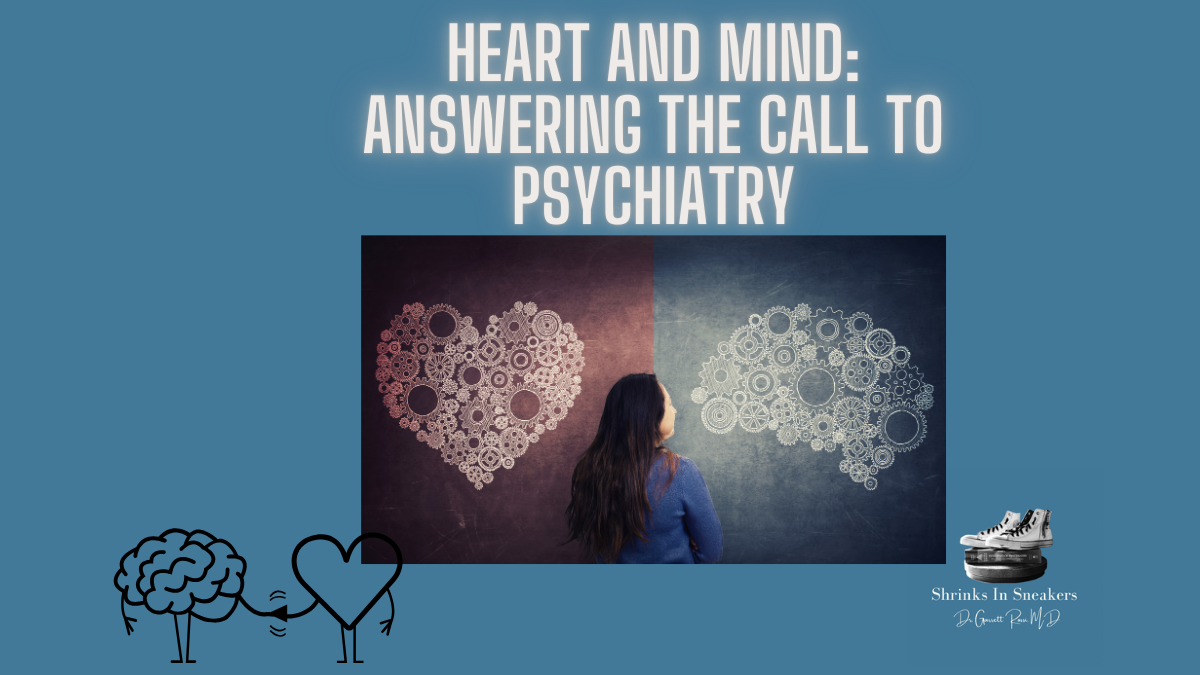
    Heart and Mind: Answering the Call to Psychiatry

    Psychiatry as a calling is a profound commitment to understanding and alleviating the complexities of the human mind. It’s more than a profession; it’s a deeply personal journey of compassion, empathy, and healing.

    At its core, psychiatry is about connecting with individuals at their most vulnerable, navigating the labyrinth of their thoughts, emotions, and behaviors to help them find light in the darkness. It’s about being a beacon of hope for those grappling with mental illness, guiding them towards resilience, recovery, and a renewed sense of purpose.

    Those who feel drawn to psychiatry often possess a unique blend of curiosity and empathy. They are captivated by the intricacies of the human psyche, driven by a genuine desire to understand the underlying causes of mental distress and suffering. They recognize that mental health is not just the absence of illness but the presence of wellness and strive to foster holistic healing in their patients.

    Psychiatrists approach their work with humility, recognizing that each individual’s journey is unique and deserving of respect and dignity. They embrace diversity in all its forms, understanding that cultural, social, and personal factors shape one’s experience of mental illness and recovery.

    Choosing psychiatry as a calling means embracing the challenges and uncertainties that come with the territory. It means bearing witness to the raw realities of human suffering while holding onto the unwavering belief in the power of resilience and transformation. It means standing alongside patients as they navigate the peaks and valleys of their mental health journey, offering support, guidance, and unwavering compassion.

    In a world where mental health stigma still persists, psychiatrists serve as advocates, educators, and champions for change. They work tirelessly to destigmatize mental illness, promote access to quality care, and foster a greater understanding of the interconnectedness of mental, emotional, and physical well-being.

    Ultimately, psychiatry as a calling is a testament to the human capacity for healing, growth, and connection. It’s a sacred bond between healer and patient, forged in empathy, nurtured by understanding, and strengthened by the shared journey towards wholeness and healing.
  • Understanding Anxiety: My Personal Experience as a Medical Student

    Understanding Anxiety: My Personal Experience as a Medical Student

    This reminds me a lot of the depression question. Patients often tell me, “Dr. Rossi, you don’t know what it’s like to be anxious.”

    I usually have a quiet chuckle to myself because anxiety is something everyone experiences. It’s a natural part of life. We all have areas where we feel competent, and others where we feel out of our depth. It’s in those areas, the places where we feel uncertain or inadequate, that anxiety can really interfere with our ability to function.

    My most challenging personal experience with anxiety happened during the infamous 4th term of medical school at St. George’s University. By this point, you’ve survived the first year and are well into the second. However, this term is notorious, and it often feels like the school uses it to weed out students—which, in my opinion, is a bit unethical. The structure of my routine completely changed. More requirements, longer lab hours, and less time to study. The familiar rhythm I had relied on to keep up was suddenly turned on its head.

    Throughout that term, I was constantly on edge, overwhelmed by the pressure that all my hard work could slip away at any moment. I still vividly remember the first time I experienced a panic attack. It was early morning; I woke up drenched in sweat, my heart racing, and I couldn’t catch my breath. I was scared enough to go to the university clinic, and that’s when I found out it was a panic attack.

    That experience taught me firsthand what anxiety truly feels like. It’s not just a fleeting worry—it can become physical, paralyzing, and all-consuming. When I talk to patients about anxiety, it’s from a place of understanding. Anxiety doesn’t discriminate, and it certainly doesn’t mean we’re incapable—just human.

  • Give Me Stimulants—Just Don’t Make Me Come to the Office

    Give Me Stimulants—Just Don’t Make Me Come to the Office

    A JAMA study found a significant rise in stimulant prescriptions between 2019 and 2022, with a 37.5% increase in total volume. This trend was particularly noticeable through telehealth, where stimulant prescriptions soared from 1.4% to 38.1%, peaking at 51.8% in mid-2020. The shift was largely influenced by COVID-19 pandemic policies, which eased telehealth restrictions. While antidepressant prescriptions also rose, opioid prescriptions declined by 17.2%. The study emphasizes the need to balance access with monitoring for potential misuse as telehealth policies evolve​

    Link to Article: https://jamanetwork.com/journals/jamanetworkopen/fullarticle/2823646?utm_source=silverchair&utm_medium=email&utm_campaign=article_alert-jamanetworkopen&utm_content=wklyforyou&utm_term=091324&adv=null

  • Inflammation: The Hidden Culprit Behind Your Mental Health Struggles

    Inflammation: The Hidden Culprit Behind Your Mental Health Struggles

    Over the past several years, a growing body of research has highlighted the role of inflammation in the development and progression of psychiatric disorders. A key biomarker frequently used in these studies is C-reactive protein (CRP), which can be measured through a simple blood test. For precise results, it’s important to order the ultra-sensitive CRP test when conducting this in a lab setting.

    Recent findings from JAMA Psychiatry have revealed varying mental health trajectories for individuals with low-grade inflammation throughout childhood. Persistently elevated CRP levels, particularly peaking around age 9, were linked to an increased risk of developing psychosis, severe depression, and insulin resistance in adolescence and early adulthood.

    This research suggests that a simple blood test could potentially identify children at higher risk for serious mental illnesses and cardiometabolic issues later in life, offering a window for early intervention.

    The big question remains: how should we address this low-grade inflammation? My first recommendation is to focus on lifestyle modifications, particularly dietary changes that reduce inflammation, such as adopting a Mediterranean diet. Additionally, I believe chronic stress is a major contributor to inflammation. In modern American society, stress reduction is often overlooked, but finding effective ways to manage stress is crucial to mitigating long-term health risks.

    Link to the article: https://jamanetwork.com/journals/jamapsychiatry/fullarticle/2822343

  • The ketogenic Diet For Mental Health

    The ketogenic Diet For Mental Health

    The ketogenic diet, primarily known for its benefits in weight loss and managing conditions like epilepsy, has been increasingly explored for its potential impact on mental health, including psychiatry. While research in this area is still emerging, some studies suggest that the ketogenic diet may offer benefits for certain psychiatric conditions. 

    1. Mood Disorders: Some research indicates that the ketogenic diet might have a positive impact on mood disorders such as depression and bipolar disorder. The diet’s ability to stabilize blood sugar levels and regulate neurotransmitters like serotonin and dopamine could contribute to mood improvement.
    2. Anxiety: The ketogenic diet’s effects on GABA (gamma-aminobutyric acid), a neurotransmitter that helps regulate anxiety, have been of interest to researchers. By increasing GABA levels, the diet may have an anxiolytic effect, potentially reducing symptoms of anxiety.
    3. Cognitive Function: Ketones produced during ketosis are an alternative fuel source for the brain. Some studies suggest that ketones may provide more efficient energy for brain cells, leading to improved cognitive function and clarity of thought. This could have implications for conditions such as ADHD and cognitive impairment.
    4. Neuroprotective Effects: Ketones have been shown to have neuroprotective properties, which could be beneficial in neurodegenerative disorders like Alzheimer’s disease and Parkinson’s disease. By providing an alternative energy source for the brain, the ketogenic diet may help protect against neuronal damage and promote brain health.
    5. Inflammation: Chronic inflammation has been linked to various psychiatric disorders. The ketogenic diet has anti-inflammatory effects, which could potentially reduce inflammation in the brain and mitigate symptoms of conditions like schizophrenia and PTSD.
    6. Gut-Brain Axis: Emerging research suggests that the gut microbiota plays a crucial role in mental health. The ketogenic diet can influence the gut microbiome, potentially improving gut health and modulating brain function through the gut-brain axis.

    While these findings are promising, it’s essential to approach the use of the ketogenic diet in psychiatry with caution. More research, including large-scale clinical trials, is needed to fully understand its efficacy, safety, and long-term effects on mental health conditions. Additionally, the ketogenic diet may not be suitable for everyone and should be implemented under the guidance of healthcare professionals, especially for individuals with pre-existing health conditions or those taking medications.

  • What Makes you a Doctor?

    What Makes you a Doctor?

    I came across a post from a CRNA claiming psychiatrists “aren’t real doctors” because they don’t intubate or run a vent. Apparently, their idea of being a doctor is exclusively working as a critical care physician. Sure, if you have a narrow view of what makes a doctor, maybe you’d agree.

    But let’s talk about what psychiatry really entails. Everyone thinks they could handle it—until mom’s hiding a knife under her pillow or someone who’s killed before is sitting across from you, manic and unpredictable. The truth is, most people in med school (or NP school) don’t sign up for that. Managing a vent? Intubating for surgery? Honestly, those sound like a vacation compared to digging deep into the chaos of the human mind.

    Practicing psychiatry right is no walk in the park. Sure, you could do it lazily and still get paid, but you’d be hurting patients and leaving messes for those of us who care. We deal with psychotic, dangerous, unpredictable individuals every day. And while it might not be as glamorous as a tube down someone’s throat, we are essential to every medical service. We do the dirty work, behind the scenes, keeping everyone safe.

    So next time someone’s in the ED or on the floor going completely bonkers, guess who steps in? The psychiatrist.

    And by the way—I still run codes and keep up my ACLS certification. Who knows, I might even toss in a tube if I’m feeling it. 😎 #PsychiatryIsMedicine #MentalHealthMatters #WeDoTheWorkNoOneElseWants

  • Ketamine: A Temporary Fix, Not a Cure for Depression

    Ketamine: A Temporary Fix, Not a Cure for Depression

    It’s crucial to understand that ketamine is not a cure for depression. Many individuals experience a relapse, often within 2 to 4 weeks after finishing the initial treatment. If you’re expecting ketamine to fully resolve your depression, this could lead to disappointment and potentially harmful consequences.

  • Doctor’s Near-Death Experience: The Truth Behind Antidepressant Withdrawal – Fact or Fiction

    Doctor’s Near-Death Experience: The Truth Behind Antidepressant Withdrawal – Fact or Fiction

    These sensational headlines about near-death experiences coming off antidepressants are becoming far too common. While we must be cautious with prescribing, it’s equally important not to dissuade people from trying medications that could help them.

    Yes, some patients experience withdrawal symptoms if medications are stopped abruptly without proper tapering. But many patients do not, and I’ve seen countless cases where people discontinue their antidepressants without any issues. Some may require prolonged tapers, while others can taper off much faster than alarmist articles would suggest.

    It’s crucial to remember that while discontinuation can be uncomfortable, it’s rarely life-threatening. We do need to be mindful of how long we prescribe these medications, given they manage symptoms but don’t modify the underlying disease, and the long-term benefits are still debated.

    Guidelines for deprescribing are helpful, but dramatic headlines about “nearly dying” when coming off these medications are not only inaccurate but harmful to those who could benefit from treatment. Let’s promote balanced, evidence-based discussion on this topic, focusing on proper discontinuation without sensationalizing the risks.

    Link to article: https://www.theguardian.com/australia-news/article/2024/jul/31/australian-doctor-mark-horowitz-who-almost-died-writes-landmark-guidance-on-how-to-safely-stop-using-antidepressants

  • Surge in Antidepressant Overdoses Alarms Health Experts Across the U.S

    Surge in Antidepressant Overdoses Alarms Health Experts Across the U.S

    Rising Antidepressant Overdoses: A Growing Concern in the U.S.

    Recent data reveals that antidepressant overdoses in the U.S. have been steadily increasing from 1999 through 2022. According to a CDC report released last month, there were 5,863 overdose deaths attributed to antidepressants in 2022—numbers comparable to heroin-related fatalities, which claimed 5,871 lives. While these figures represent a small fraction of the over 100,000 overdose deaths that year—most of which involved fentanyl—they signal a troubling trend that demands attention.

    Potential Causes for the Rise in Antidepressant Overdoses

    Understanding the root causes of this increase is challenging, given the complexity of overdose data and the lack of detail on the exact substances involved. However, there are several factors worth considering.

    First, many individuals with opioid use disorder (OUD) also suffer from co-occurring mental health conditions like depression and bipolar disorder. These patients are often prescribed antidepressants, sometimes too liberally, in my experience working in community mental health. When opioids are mixed with antidepressants, opioids are often the primary cause of death in overdoses. Yet, I’ve also encountered numerous patients who have attempted suicide using antidepressants alone.

    Newer antidepressants are generally safer in overdose compared to older drugs, such as monoamine oxidase inhibitors (MAOIs) and tricyclic antidepressants (TCAs). While these older medications tend to be more effective, they come with significantly higher risks in overdose situations. This is something I frequently emphasize to residents: older drugs are more dangerous, but the newer ones, though safer, can still have serious consequences.

    Chronic pain patients, who are often prescribed opioids, are another vulnerable group. Their risk of suicide is heightened by the constant pain they endure, and many of these individuals are also prescribed antidepressants like duloxetine, which is indicated for pain management, or more dangerous TCAs such as amitriptyline and nortriptyline. Additionally, gabapentin—another drug commonly prescribed to these patients—has been known to increase the risk of death when taken with opioids.

    Overprescription of Antidepressants: A Contributing Factor?

    There has also been a sharp rise in antidepressant prescriptions across the U.S., which I believe warrants scrutiny. Antidepressants are, at best, symptom management tools, with a modest effect size of 0.33 in many studies. Given these limited benefits, we should be more judicious about who we prescribe these medications to and for how long.

    Withdrawal symptoms from long-term—and sometimes even short-term—use of antidepressants can be severe, increasing the risk of suicide. I’ve personally seen this with a family member who experienced debilitating headaches and vertigo after stopping sertraline. She was unable to work or function for nearly two weeks, highlighting how challenging withdrawal can be for some patients.

    Balancing Risks and Benefits in Mental Health Treatment

    Any population for whom antidepressants are considered a treatment option is inherently at high risk for suicide. That said, there are many confounding factors in the overdose data, and mainstream mental health reporting often glosses over the nuances of psychiatric research and treatment. When prescribing medications, it’s crucial to weigh not only the pros and cons of the drugs themselves but also to tailor treatment to each individual’s unique needs.

    I continue to prescribe antidepressants to patients whom I’ve carefully evaluated and believe will benefit, even if only in the short term. However, I am transparent with them: antidepressants are unlikely to resolve deeper psychological conflicts or “problems of living.” Mental health is rarely black and white, and much of this uncertainty stems from our incomplete understanding of the brain.

    In short, we need to acknowledge the complexity behind the rise in antidepressant overdoses and respond with a more nuanced, patient-centered approach to prescribing these medications.

    Link to the article:

    https://www.theguardian.com/science/article/2024/sep/03/antidepressants-overdose-deaths-increasing