Tag: mental health

  • Metformin for Antipsychotic-Induced Weight Gain: What Took So Long?

    Metformin for Antipsychotic-Induced Weight Gain: What Took So Long?

    Antipsychotic-induced weight gain remains a significant challenge in psychiatric practice, contributing to metabolic syndrome, decreased quality of life, and reduced medication adherence. This issue is especially concerning given the chronic nature of psychiatric illnesses requiring antipsychotic treatment. Among strategies to address this, metformin—an insulin sensitizer primarily used for type 2 diabetes—has garnered considerable interest. Below, we summarize the evidence from randomized controlled trials (RCTs) evaluating metformin’s efficacy and safety in mitigating weight gain associated with antipsychotic medications.

    Evidence from Randomized Controlled Trials

    1. Meta-Analyses and Systematic Reviews
      • Multiple meta-analyses of RCTs have shown that metformin effectively reduces weight gain in individuals receiving antipsychotics. Weight reductions of 2-3 kg over 12-16 weeks have been reported compared to placebo.
      • Beyond weight loss, improvements in metabolic parameters such as fasting glucose, insulin resistance, and lipid profiles have been observed.
    2. Population-Specific Findings
      • First-Episode Psychosis (FEP): Studies indicate that metformin is particularly effective in individuals with FEP who experience rapid weight gain shortly after initiating antipsychotic therapy. Early intervention appears to yield more substantial benefits.
      • Chronic Schizophrenia: RCTs in populations with chronic schizophrenia have demonstrated similar weight-reducing effects, though results may be less pronounced compared to FEP patients.
    3. Adjunctive Lifestyle Interventions
      • Combining metformin with lifestyle interventions, such as diet and exercise counseling, results in synergistic benefits. RCTs demonstrate that this combination is more effective than metformin or lifestyle changes alone.

    Safety and Tolerability

    Metformin is generally well-tolerated. The most common side effects are gastrointestinal (e.g., nausea, diarrhea), which tend to subside with continued use. Rarely, lactic acidosis—a serious adverse event—can occur, particularly in individuals with renal impairment. It is crucial to monitor kidney function periodically.

    Practical Considerations

    1. Dosing: Initiate metformin at a low dose (e.g., 500 mg once daily) to minimize gastrointestinal side effects, and titrate gradually to a typical maintenance dose of 1,000-2,000 mg per day.
    2. Monitoring: Regularly assess weight, BMI, fasting glucose, and lipid profiles. Monitor renal function before and during treatment.
    3. Patient Selection: Metformin may be particularly beneficial for patients who:
      • Have significant weight gain or metabolic disturbances from antipsychotic use.
      • Are early in their antipsychotic treatment course.
      • Have no contraindications, such as severe renal impairment.

    Conclusion

    Metformin offers a promising strategy for mitigating antipsychotic-induced weight gain, supported by robust evidence from RCTs. While not a standalone solution, it can play a critical role in a comprehensive approach to managing the metabolic side effects of antipsychotics. Clinicians should consider metformin’s inclusion in treatment plans for patients struggling with weight gain or metabolic dysfunction related to antipsychotic treatment.

  • Evidence-Based Strategies to Reduce Distractions in ADHD

    Evidence-Based Strategies to Reduce Distractions in ADHD

    Managing distractions is a core challenge for individuals with ADHD and even for those without. Research-backed strategies, including environmental adjustments, behavioral techniques, and technological tools, have shown promise in helping individuals stay focused and minimize interruptions

    1. Environmental Modifications

    Declutter and Organize Your Space

    • Why: Visual clutter increases cognitive load and distractibility in ADHD.
    • Evidence: Studies show that simplified, organized environments improve task performance and reduce overwhelm.
    • Implementation:
      • Create a designated workspace with minimal visual and auditory distractions.
      • Use storage bins or labeled organizers to keep items out of sight.

    Sound Management

    • Why: Background noise can be highly distracting for individuals with ADHD.
    • Evidence: RCTs indicate that white noise or low-level background music can enhance focus in some ADHD individuals.
    • Implementation:
      • Use white noise machines or apps (e.g., “Noisli”).
      • Experiment with instrumental music or nature sounds to find what works best.

    2. Structured Task Management

    The Pomodoro Technique

    • Why: Short, timed intervals of work followed by breaks improve sustained attention.
    • Evidence: Studies show that structured time management strategies reduce procrastination and improve productivity in ADHD.
    • Implementation:
      • Work for 25 minutes, then take a 5-minute break. Adjust intervals based on your focus capacity.
      • Use timers or apps like “Forest” to track intervals.

    Chunking Tasks

    • Why: Breaking tasks into smaller steps prevents overwhelm and promotes task completion.
    • Evidence: Behavioral interventions involving task segmentation show significant benefits in ADHD.
    • Implementation:
      • Divide projects into 3–5 actionable steps.
      • Write each step on a checklist and celebrate small wins.

    3. Technology-Based Interventions

    Digital Focus Tools

    • Why: Apps that block distractions and guide focus provide real-time support.
    • Evidence: RCTs on apps like “Focus@Will” and browser extensions like “Freedom” show improvements in task engagement for ADHD.
    • Implementation:
      • Use website blockers to eliminate access to social media or other distractions during work.
      • Try ADHD-specific productivity apps like “TaskTuner” or “Asana.”

    Timed Alerts and Reminders

    • Why: Timers and reminders keep individuals on track and prevent attention drift.
    • Evidence: Digital prompts have been shown to improve task adherence in ADHD.
    • Implementation:
      • Use phone alarms or apps like “Remember The Milk” for task reminders.
      • Schedule alerts for transitions or breaks.

    4. Behavioral Techniques

    Mindfulness Training

    • Why: Mindfulness helps individuals recognize and redirect wandering attention.
    • Evidence: RCTs show that mindfulness-based interventions improve sustained attention and reduce impulsivity in ADHD.
    • Implementation:
      • Practice 5–10 minutes of mindfulness meditation daily using guided apps like “Headspace.”
      • Incorporate brief mindfulness exercises before starting tasks.

    Behavioral Reinforcement

    • Why: Positive reinforcement encourages task focus and reduces distractions.
    • Evidence: Token systems and reward strategies have proven effective in ADHD-focused behavioral studies.
    • Implementation:
      • Set up a reward system (e.g., complete 3 tasks to earn 15 minutes of free time).
      • Track progress with visual aids like charts or checklists.

    5. Workplace or School Accommodations

    Flexible Seating and Movement Breaks

    • Why: ADHD individuals focus better when they can move or choose a seating arrangement.
    • Evidence: Studies on flexible classroom setups and “active learning environments” report improvements in ADHD engagement.
    • Implementation:
      • Use standing desks or fidget tools to incorporate movement.
      • Take brief movement breaks every 20–30 minutes.

    Noise-Canceling Headphones

    • Why: Blocking environmental noise improves focus on tasks.
    • Evidence: RCTs demonstrate that noise-canceling headphones significantly reduce distractions in ADHD.
    • Implementation:
      • Use headphones during work or study sessions to minimize auditory interruptions.

    6. Diet and Lifestyle Adjustments

    Nutrition for Focus

    • Why: Stable blood sugar and adequate nutrition reduce mental fatigue and improve concentration.
    • Evidence: Studies suggest that diets high in protein and low in refined sugar reduce distractibility in ADHD.
    • Implementation:
      • Eat balanced meals with complex carbs, proteins, and healthy fats.
      • Avoid high-sugar snacks during focus-intensive tasks.

    Exercise and Movement

    • Why: Physical activity improves attention and executive function in ADHD.
    • Evidence: A 2018 RCT found that 20 minutes of moderate aerobic exercise improved focus in children with ADHD.
    • Implementation:
      • Schedule exercise breaks or mini workouts during the day.
      • Use movement as a tool to reset focus between tasks.

    7. Cognitive Behavioral Therapy (CBT) for ADHD

    Why: CBT addresses thought patterns and behaviors contributing to distractibility.

    Evidence: Multiple RCTs demonstrate the efficacy of CBT in improving attention and task persistence in ADHD.

    Implementation:Work with a therapist trained in ADHD-specific CBT.Practice CBT strategies like identifying and reframing negative thoughts about distractions.

    Conclusion

    Reducing distractions in ADHD involves a combination of environmental modifications, structured strategies, and personalized interventions. These evidence-based approaches can help individuals focus, complete tasks, and thrive in daily life. By experimenting with these methods and tailoring them to your needs, you can find a system that works best for you.

  • FDA Approves Zepbound for Obstructive Sleep Apnea

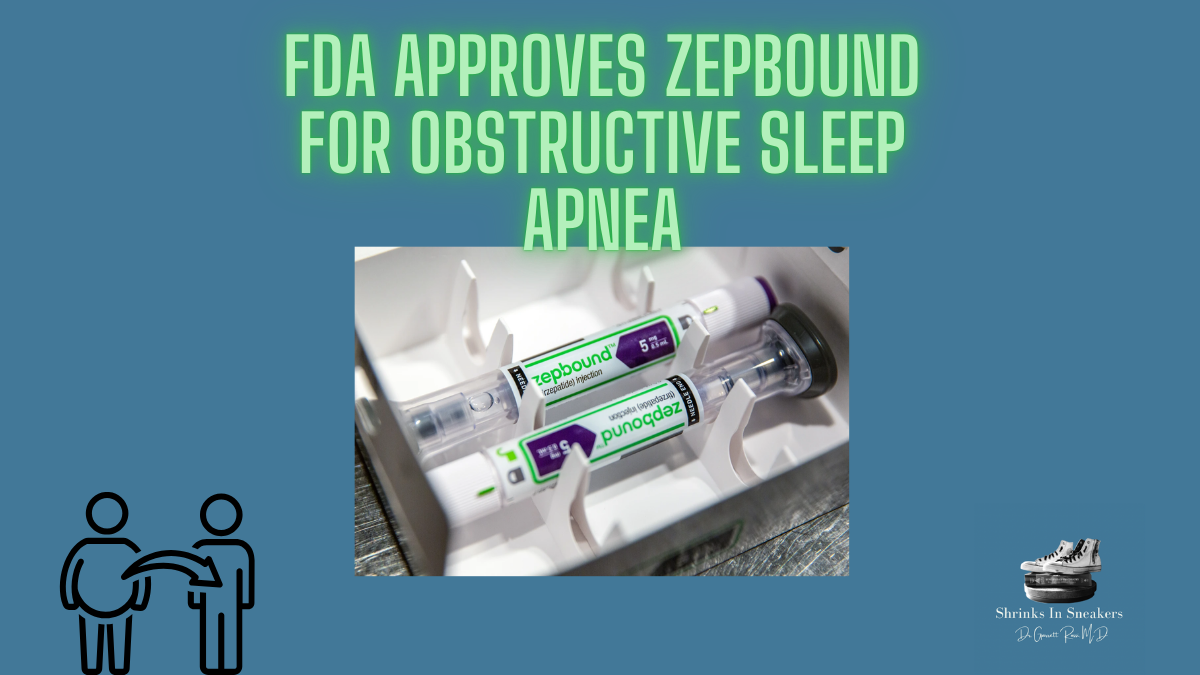
    FDA Approves Zepbound for Obstructive Sleep Apnea

    The U.S. Food and Drug Administration (FDA) has approved Eli Lilly’s Zepbound (tirzepatide) as the first prescription medication for treating moderate to severe obstructive sleep apnea (OSA) in adults with obesity.

    OSA is a sleep disorder characterized by repeated interruptions in breathing during sleep, leading to reduced oxygen levels and disrupted rest. Traditionally, treatments have focused on lifestyle changes and the use of devices like Continuous Positive Airway Pressure (CPAP) machines. Zepbound offers a pharmacological alternative by addressing the condition’s underlying factors, particularly excess weight, which is a significant risk factor for OSA.

    Zepbound is administered via subcutaneous injection and is also approved for weight management in adults with obesity. Its dual benefits in weight reduction and OSA treatment position it as a valuable option for individuals struggling with both conditions.

    The FDA’s approval of Zepbound marks a significant advancement in the treatment of OSA, providing a new therapeutic option for patients and healthcare providers.

  • Mindfulness and Meditation for ADHD: A Natural Boost for Focus and Calm

    Mindfulness and Meditation for ADHD: A Natural Boost for Focus and Calm

    ADHD often brings challenges like racing thoughts, impulsivity, and difficulty staying focused. Mindfulness and meditation are powerful tools that can help individuals with ADHD calm their minds, enhance focus, and reduce stress.

    What is Mindfulness?

    Mindfulness is the practice of paying attention to the present moment without judgment. It involves observing your thoughts, feelings, and surroundings with curiosity and acceptance.

    For individuals with ADHD, mindfulness can help manage the constant stream of thoughts and improve attention regulation.

    Benefits of Mindfulness and Meditation for ADHD

    1. Improved Focus: Regular mindfulness practice helps train the brain to redirect attention back to the task at hand.
    2. Reduced Impulsivity: Mindfulness strengthens self-awareness, helping individuals pause before reacting.
    3. Lower Stress Levels: Deep breathing and meditation activate the relaxation response, countering ADHD-related anxiety.
    4. Better Emotional Regulation: Mindfulness helps identify and manage strong emotions before they escalate.

    The Evidence: Mindfulness for ADHD

    Research supports mindfulness and meditation as effective interventions for ADHD:

    • 2018 meta-analysis found that mindfulness-based interventions significantly improved attention, impulsivity, and emotional regulation in children and adults with ADHD.
    • 2016 RCT reported that mindfulness training reduced ADHD symptoms and improved executive functioning in adults.

    How to Start a Mindfulness Practice for ADHD

    1. Breathing Exercises

    • What to Do:
      • Sit comfortably.
      • Focus on your breath as it flows in and out.
      • If your mind wanders, gently bring your focus back to your breath. Allow thoughts to come and go, don’t hold onto them
    • Duration: Start with 2–5 minutes and gradually increase to 10–15 minutes.
    • Why it Works: Deep breathing calms the nervous system and anchors attention.

    2. Body Scan Meditation

    • What to Do:
      • Lie down or sit comfortably.
      • Close your eyes and focus on each part of your body, starting from your toes and moving upward.
      • Notice sensations, tension, or relaxation.
    • Duration: 5–10 minutes.
    • Why it Works: Increases body awareness and reduces physical restlessness.

    3. Mindful Walking

    • What to Do:
      • Walk slowly and focus on the sensations of your feet touching the ground.
      • Pay attention to the rhythm of your steps and the sounds around you.
    • Duration: 5–10 minutes during breaks or daily walks.
    • Why it Works: Combines movement with mindfulness, making it ADHD-friendly.

    4. Guided Meditations

    • What to Do: Use mindfulness apps like CalmHeadspace, or Insight Timer for ADHD-specific guided sessions.
    • Duration: Sessions range from 5 to 30 minutes.
    • Why it Works: Guided meditations provide structure, making it easier to stay engaged.

    5. One-Minute Check-Ins

    • What to Do:
      • Pause for one minute during the day to notice your breath, thoughts, or surroundings.
      • Ask yourself, “What’s happening right now?”
    • Why it Works: Quick mindfulness breaks ground your attention and reduce overwhelm.

    Tips for Success

    • Start Small: Begin with short sessions and gradually increase as your comfort grows.
    • Be Patient: It’s normal for the ADHD mind to wander. The goal is to notice and gently refocus.
    • Practice Consistently: Aim for 3–5 sessions per week to build the habit.
    • Integrate into Daily Life: Use mindfulness during daily tasks, like eating or brushing your teeth, to stay present.
  • Crush Long Hours: The Ultimate Hack for Demanding Jobs!

    Crush Long Hours: The Ultimate Hack for Demanding Jobs!

    It seems like ADHD medication is following me this week—or maybe it’s the law of attraction at work as I keep coming across articles aligned with the key points I’ve been reflecting on recently.

    A recent Wall Street Journal article highlights the growing use of prescription stimulants like Adderall and Vyvanse among young investment bankers, helping them manage the grueling demands of 90-hour workweeks. While the prevalence of substances to enhance performance isn’t new (cocaine was once the drug of choice), it’s become much easier to obtain legal alternatives. A quick five-minute online questionnaire can now yield a prescription, no shady drug dealers required.

    The article centers on a young professional who, despite his own skepticism about having ADHD, found the medication transformative for surviving the intense pace of his job. Predictably, dependency followed.

    This isn’t an isolated issue, nor is it exclusive to investment banking. We’ve seen a marked increase in adult ADHD diagnoses, likely tied to the expansion of telehealth and more relaxed prescribing practices.

    While the article rightly calls for reevaluating workplace expectations and support systems, let’s be honest—this phenomenon isn’t going anywhere soon. The stakes are too high: major profits for companies and career-defining opportunities for individuals.

    We need to acknowledge this for what it really is: the use of performance-enhancing drugs (PEDs) to gain an edge in professional life. In many ways, it’s no different from using steroids in sports. Maybe the real question isn’t how to stop it, but whether we should allow informed adults to use PEDs under careful medical supervision.

    I’ll let you all weigh in on that one.

    Cheers,
    Dr. G

    LInk: https://www.wsj.com/finance/banking/young-banker-finance-adhd-medication-adderall-d578a16f

  • APA Updates Guidance on Borderline Personality Disorder: What Clinicians Need to Know

    APA Updates Guidance on Borderline Personality Disorder: What Clinicians Need to Know

    Borderline Personality Disorder (BPD) is one of the most misunderstood and challenging conditions in psychiatric practice. It’s a topic I’m particularly passionate about, as patients with BPD are frequently misdiagnosed, and many clinicians hesitate to assign the diagnosis due to stigma or uncertainty. This reluctance often leads to suboptimal care, including the overuse of multiple medication classes without clear benefit. In response to these challenges, the American Psychiatric Association (APA) has recently updated its guidelines on BPD, providing a more comprehensive framework to enhance diagnosis and treatment. This update represents a significant step forward in improving care for a condition that has long been underserved.

    1. Diagnosis and Early Detection

    The updated guidance emphasizes the importance of early identification of BPD symptoms, particularly in adolescence and early adulthood. It encourages clinicians to use structured diagnostic tools alongside clinical interviews to reduce misdiagnosis and stigma.

    2. Therapeutic Approaches

    Evidence-based psychotherapies remain the cornerstone of BPD treatment. Dialectical Behavior Therapy (DBT) continues to hold strong empirical support, but the APA has expanded its recommendations to include:

    • Mentalization-Based Therapy (MBT)
    • Transference-Focused Psychotherapy (TFP)
    • Good Psychiatric Management (GPM)

    The guidance highlights the importance of tailoring therapy to individual patient needs, with a focus on building trust and managing emotional dysregulation.

    3. Medications

    While no medications are FDA-approved specifically for BPD, the APA guidance underscores the role of pharmacotherapy in managing co-occurring conditions such as mood disorders, anxiety, and impulsivity. Clinicians are advised to take a cautious and evidence-based approach to prescribing, avoiding polypharmacy whenever possible.

    4. Stigma Reduction and Patient Advocacy

    The guidance calls for a shift in how clinicians, patients, and society perceive BPD. Educating patients and their families about the condition, normalizing treatment, and advocating for systemic support are crucial components.

    5. Integrative and Community-Based Care

    The APA emphasizes the need for multidisciplinary care teams and integrating care across settings. This includes collaboration with primary care providers, social services, and crisis intervention programs to ensure continuity of care.

    6. Focus on Outcomes and Recovery

    The updated guidance reflects a recovery-oriented approach, focusing on helping patients achieve long-term functional improvement and quality of life. Measuring treatment outcomes and adapting care plans accordingly are encouraged practices.

    Conclusion

    These updates highlight the APA’s commitment to improving outcomes for individuals living with BPD. By promoting evidence-based practices, reducing stigma, and advocating for patient-centered care, clinicians are better equipped to address the challenges associated with this condition.

    What do you think about these changes? How do you see them impacting your practice or care delivery?

  • ADHD in Later Life: A Surge in Diagnoses Among Older Americans

    ADHD in Later Life: A Surge in Diagnoses Among Older Americans

    🤣 What a perfect time for this article considering ADHD is my topic of choice this week.

    🧠 A nuanced debate surrounds the rise in ADHD diagnoses, particularly among adults. While underdiagnosis and increased awareness contribute to this trend, it’s not the sole explanation. ADHD, often linked to developmental delays, may require continued medication into adulthood for some individuals with persistent symptoms

    ➡️ However, the necessity for lifelong medication in all or most cases is questionable

    ➡️ The surge in first-time ADHD diagnoses among adults aged 30’s-40’s, often without prior documented history, raises important questions

    💡 While some cases may have been previously overlooked, it’s crucial to consider:

    ⚡ Co-occurring disorders like depression and anxiety, which can cause similar cognitive issues

    ⚡ Societal factors: Increasing demands for productivity and competitiveness in modern society

    ⚡ The potential misuse of performance-enhancing drugs in high-pressure environments

    💡 It’s essential to approach each case individually, considering both the benefits of treatment and the risks of overdiagnosis. A comprehensive evaluation, including assessment of co-existing conditions and life circumstances, is crucial for accurate diagnosis and appropriate treatment plans

    Link to NYT article: https://www.nytimes.com/2024/12/11/well/mind/adhd-diagnosis-older-middle-age.html

    #ADHD #ADHDawarness #ADHDtreatment #ADHDtips #ADHDlife #mentalhealth #mentalhealthmatters #mentalhealthishealth #psychiatry #psychiatrist #doctor #stimulants #stimulantmedication

  • How to Create a Routine for ADHD: A Step-by-Step Guide

    How to Create a Routine for ADHD: A Step-by-Step Guide

    Creating a structured routine is one of the most effective ways to manage ADHD symptoms. The goal is to provide consistency and reduce decision fatigue, which can make daily tasks feel overwhelming.

    Step 1: Assess Your Current Habits

    • Track your time: Spend a few days writing down how you currently spend your time. Identify patterns, distractions, and areas where you struggle with productivity.
    • Note energy levels: Pay attention to when you feel most focused and energetic, as this will help in scheduling demanding tasks during peak times.

    Step 2: Define Your Priorities

    • Identify the most important activities in your day (e.g., work, exercise, family time).
    • Rank these priorities, so you focus on what truly matters and avoid overloading your schedule.

    Step 3: Break Down Your Day

    • Morning Routine: Start the day with consistent habits like making your bed, brushing your teeth, and eating breakfast. Keep it simple to reduce stress.
    • Work/School Blocks: Break tasks into smaller chunks with scheduled breaks. For example, use the Pomodoro Technique (25 minutes of focused work followed by a 5-minute break).
    • Afternoon Wind-Down: Use this time for less mentally taxing tasks like errands or light chores.
    • Evening Routine: Establish a calming routine to prepare for bed, such as reading, meditating, or journaling.

    Step 4: Use Visual Aids and Tools

    • Calendars/Planners: Write down your schedule. Use color-coding for different types of tasks (e.g., green for work, blue for leisure).
    • Digital Apps: Tools like Google Calendar, Todoist, or Notion can send reminders and help you stay organized.
    • Visual Timers: Use timers or clocks to track tasks and breaks visually.

    Step 5: Set Alarms and Reminders

    • Set alarms for key transitions (e.g., starting work, eating lunch, or ending the workday).
    • Use apps like Habitica or Forest to gamify task completion and make sticking to your routine more fun.

    Step 6: Build Flexibility into Your Routine

    ADHD often brings spontaneity or unexpected distractions.

    • Leave buffer time between tasks to account for delays.
    • Prioritize your top 3 tasks each day, so even if you deviate, the essentials get done.

    Step 7: Simplify Transitions

    Transitioning between activities can be challenging with ADHD.

    • Use auditory or visual cues to signal it’s time to switch tasks.
    • Prepare for the next activity in advance (e.g., set out clothes for the gym or prep your workspace for the next day).

    Step 8: Keep Your Environment ADHD-Friendly

    • Declutter regularly to minimize distractions.
    • Use bins, labels, or baskets to keep essentials easily accessible.

    Step 9: Reflect and Adjust

    • At the end of each day or week, review your routine. What worked? What didn’t?
    • Be flexible and tweak your schedule to fit your needs and energy levels.

    Step 10: Start Small and Build Gradually

    • Focus on one or two parts of your routine at first, like improving your morning habits.
    • Celebrate small wins to build confidence and motivation.

    Example Routine:

    Morning:

    • 7:00 AM: Wake up and drink water
    • 7:15 AM: Quick workout or stretching
    • 7:30 AM: Shower and get dressed
    • 7:45 AM: Eat breakfast and review the day

    Work/School Blocks:

    • 9:00 AM – 12:00 PM: Focused work (Pomodoro cycles)
    • 12:00 PM – 1:00 PM: Lunch and light activity
    • 1:00 PM – 4:00 PM: Afternoon tasks (easier or creative work)

    Evening:

    • 6:00 PM: Dinner
    • 7:00 PM: Relaxation (reading, hobbies)
    • 9:00 PM: Prep for tomorrow (pack bag, set clothes out)
    • 10:00 PM: Lights out

  • Improving ADHD Symptoms Without Medication

    Improving ADHD Symptoms Without Medication

    Medication is a cornerstone of ADHD management, but combining it with complementary strategies can significantly enhance focus, organization, and overall functioning. This post offers a high-level overview of these approaches, setting the stage for a series of actionable, in-depth posts later this week.

    1. Establish a Routine

    Creating a structured daily routine provides predictability and reduces distractions. Use planners, calendars, or apps to break your day into manageable chunks with clear priorities.

    2. Practice Mindfulness and Meditation

    Mindfulness can improve attention regulation and emotional control. Apps like Headspace or Calm offer guided practices tailored to ADHD, helping you build focus over time.

    3. Exercise Regularly

    Aerobic exercise boosts dopamine and norepinephrine levels, enhancing focus and motivation. Aim for 30-60 minutes of activity daily, whether it’s running, swimming, or dancing.

    4. Improve Sleep Hygiene

    ADHD often disrupts sleep, which worsens symptoms. Establish a consistent bedtime, avoid screens before bed, and create a calming nighttime routine to promote better rest.

    5. Optimize Nutrition

    Balanced meals with protein, complex carbs, and omega-3 fatty acids can stabilize energy levels and improve concentration. Consider foods like salmon, eggs, nuts, and leafy greens.

    6. Break Tasks into Smaller Steps

    Large tasks can feel overwhelming. Break them down into smaller, manageable steps, and use tools like timers to focus on one step at a time (e.g., the Pomodoro Technique).

    7. Minimize Distractions

    Create an ADHD-friendly environment by limiting noise, clutter, and interruptions. Noise-canceling headphones and tidy workspaces can significantly enhance focus.

    8. Cognitive Behavioral Therapy (CBT)

    CBT can help you develop coping strategies for ADHD-related challenges, such as procrastination, impulsivity, and emotional regulation.

    9. Leverage ADHD-Friendly Technology

    Apps like Todoist, Notion, or Forest can assist with time management, task prioritization, and focus-building. Explore tools that align with your personal workflow.

    10. Foster Strong Social Connections

    Supportive relationships with family, friends, or ADHD communities can provide motivation, accountability, and understanding, reducing feelings of isolation.

    By implementing these strategies, individuals with ADHD can enhance their quality of life, productivity, and emotional well-being. Remember, each person’s ADHD experience is unique, so experiment with different approaches to find what works best for you!

    What has worked for you or someone you know? Share your experiences below!

  • Hoarding Disorder: A Looming National Crisis?

    Hoarding Disorder: A Looming National Crisis?

    A recent article on Medscape, Hoarding Disorder: A Looming National Crisis?, highlights the growing prevalence of hoarding disorder (HD) among older adults. While HD affects approximately 2% of the general population, studies suggest that prevalence may reach up to 6% among individuals over 70 years old.

    HD is characterized by persistent difficulty discarding possessions, even those with little to no monetary value. For individuals with HD, these items often provide a sense of security or serve as emotional reminders of the past. To outsiders, it’s difficult to understand why these possessions hold such deep significance, but for the person with HD, the items have profound sentimental value.

    Hoarding disorder is sometimes viewed as a subset of obsessive-compulsive disorder (OCD), but the overlap is not absolute. Many individuals with HD do not meet diagnostic criteria for OCD and often fail to respond to traditional OCD treatments. In my practice, I’ve come to conceptualize HD less as an extension of OCD and more as a personality-related condition influenced by environmental and psychological factors. For instance, many individuals with HD grew up in homes where similar behaviors were modeled. However, the precise causes of HD remain unclear.

    The consequences of HD are particularly concerning in older adults. The accumulation of clutter can pose significant safety risks, including fire hazards, tripping injuries, and even the potential for homelessness. These dangers were evident in a recent consult case where a medical team sought a psychiatric assessment of an elderly patient living in a severely cluttered home. Although the risks were undeniable, the individual did not meet criteria for psychiatric hospitalization. Even if hospitalization were an option, there is no FDA-approved treatment for HD at this time.

    The most evidence-based intervention we have for HD is cognitive-behavioral therapy (CBT), which requires sustained engagement over many weeks. Unfortunately, a key barrier is that many individuals with HD do not recognize the need for change or are reluctant to participate in therapy. This makes HD a uniquely challenging condition to address.

    Effective management of HD begins with education—helping patients understand the disorder, its risks, and the available treatment options. But education alone is not enough. We urgently need robust community support systems, including services to assist with clearing hazardous clutter and providing ongoing support to encourage treatment adherence.

    Inpatient psychiatric hospitalization, in my opinion, offers little benefit for HD. Instead, we need long-term, community-focused solutions. While policymakers often call for greater action to address mental health challenges, they frequently overlook the resource constraints faced by frontline providers. If we are to rise to this challenge, funding and systemic support must match the urgency of their rhetoric.

    HD is more than a personal struggle—it’s a public health issue with profound implications for individuals, families, and communities. As healthcare providers, we are ready to do more. Now, we need our leaders to step up and provide the resources to make that possible.