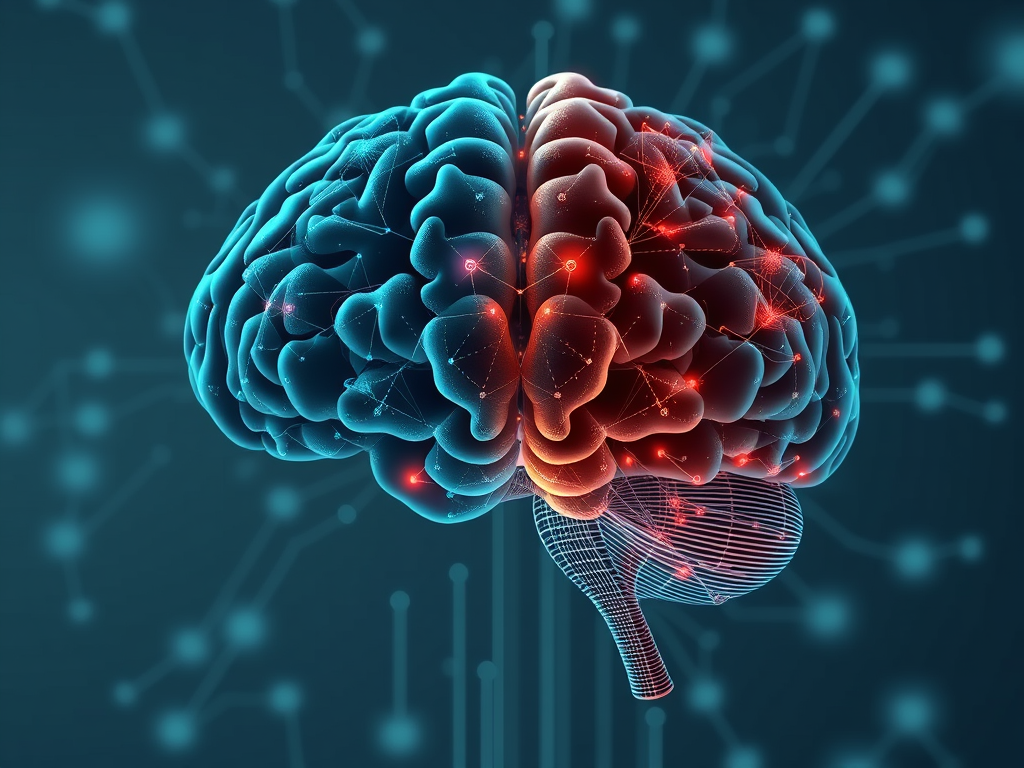
A new study trained an AI model on 24,000+ electronic health records (EHRs) to predict whether a patient would develop schizophrenia or bipolar disorder. The results? 🤔
🔍 The XGBoost machine learning model showed better performance for schizophrenia than bipolar disorder.
📊 It achieved an AUC of 0.70 on training data and 0.64 on the test set.
⚠️ But here’s the catch: despite 96.3% specificity, the model’s sensitivity was just 9.3%, meaning it missed the vast majority of cases.
💡 Bottom Line: AI in psychiatry is promising, but we’re not at the point where a model like this could reliably flag patients at risk. High specificity sounds great—until you realize the trade-off is missing 90%+ of those who actually transition to schizophrenia or bipolar disorder.
Will future AI tools get better at predicting these life-altering conditions? Time (and data) will tell. ⏳