Tag: mind set

  • The more I learn the less certain I am About Things

    The more I learn the less certain I am About Things

    Did you ever feel like the more you learn the less certain you are about things?

    It’s completely natural to feel this way, especially in a field as complex and evolving as psychiatry. Uncertainty and skepticism can be strengths, driving you to seek deeper understanding and remain open to new perspectives and evidence. Here are a few thoughts that might resonate

    Complexity of Human Mind: The human brain and psyche are incredibly complex, and our understanding is still in its infancy. This complexity can make definitive answers elusive.

    Evolving Science: Psychiatry, like all medical fields, is constantly evolving. New research can change our understanding of mental health conditions and treatments, making certainty difficult.

    Individual Differences: What works for one person might not work for another. This variability can make it hard to be sure about diagnoses and treatments.

    Holistic Approach: Embracing uncertainty can lead to a more holistic approach, considering biological, psychological, and social factors in diagnosis and treatment.

    Continuous Learning: Your skepticism can fuel a commitment to continuous learning and improvement, which is essential in providing the best care.

    Collaboration and Discussion: Engaging in discussions with colleagues who have different perspectives can be enriching and help balance your skepticism with practical insights.

    Patient-Centered Care: Uncertainty can remind you to listen to your patients’ experiences and perspectives, which can be as important as clinical knowledge in guiding treatment.

    It’s good to question and explore; it means you’re thoughtful and committed to truly understanding and helping your patients.
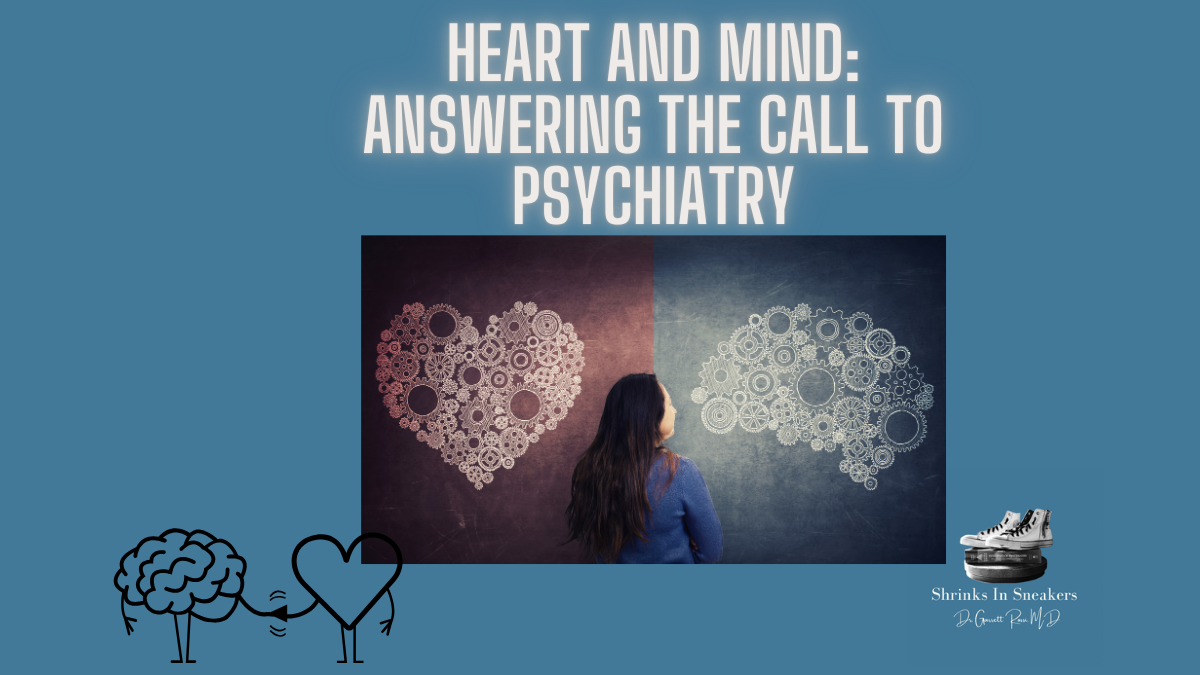
  • Heart and Mind: Answering the Call to Psychiatry

    Heart and Mind: Answering the Call to Psychiatry

    Psychiatry as a calling is a profound commitment to understanding and alleviating the complexities of the human mind. It’s more than a profession; it’s a deeply personal journey of compassion, empathy, and healing.

    At its core, psychiatry is about connecting with individuals at their most vulnerable, navigating the labyrinth of their thoughts, emotions, and behaviors to help them find light in the darkness. It’s about being a beacon of hope for those grappling with mental illness, guiding them towards resilience, recovery, and a renewed sense of purpose.

    Those who feel drawn to psychiatry often possess a unique blend of curiosity and empathy. They are captivated by the intricacies of the human psyche, driven by a genuine desire to understand the underlying causes of mental distress and suffering. They recognize that mental health is not just the absence of illness but the presence of wellness and strive to foster holistic healing in their patients.

    Psychiatrists approach their work with humility, recognizing that each individual’s journey is unique and deserving of respect and dignity. They embrace diversity in all its forms, understanding that cultural, social, and personal factors shape one’s experience of mental illness and recovery.

    Choosing psychiatry as a calling means embracing the challenges and uncertainties that come with the territory. It means bearing witness to the raw realities of human suffering while holding onto the unwavering belief in the power of resilience and transformation. It means standing alongside patients as they navigate the peaks and valleys of their mental health journey, offering support, guidance, and unwavering compassion.

    In a world where mental health stigma still persists, psychiatrists serve as advocates, educators, and champions for change. They work tirelessly to destigmatize mental illness, promote access to quality care, and foster a greater understanding of the interconnectedness of mental, emotional, and physical well-being.

    Ultimately, psychiatry as a calling is a testament to the human capacity for healing, growth, and connection. It’s a sacred bond between healer and patient, forged in empathy, nurtured by understanding, and strengthened by the shared journey towards wholeness and healing.