Tag: positivity

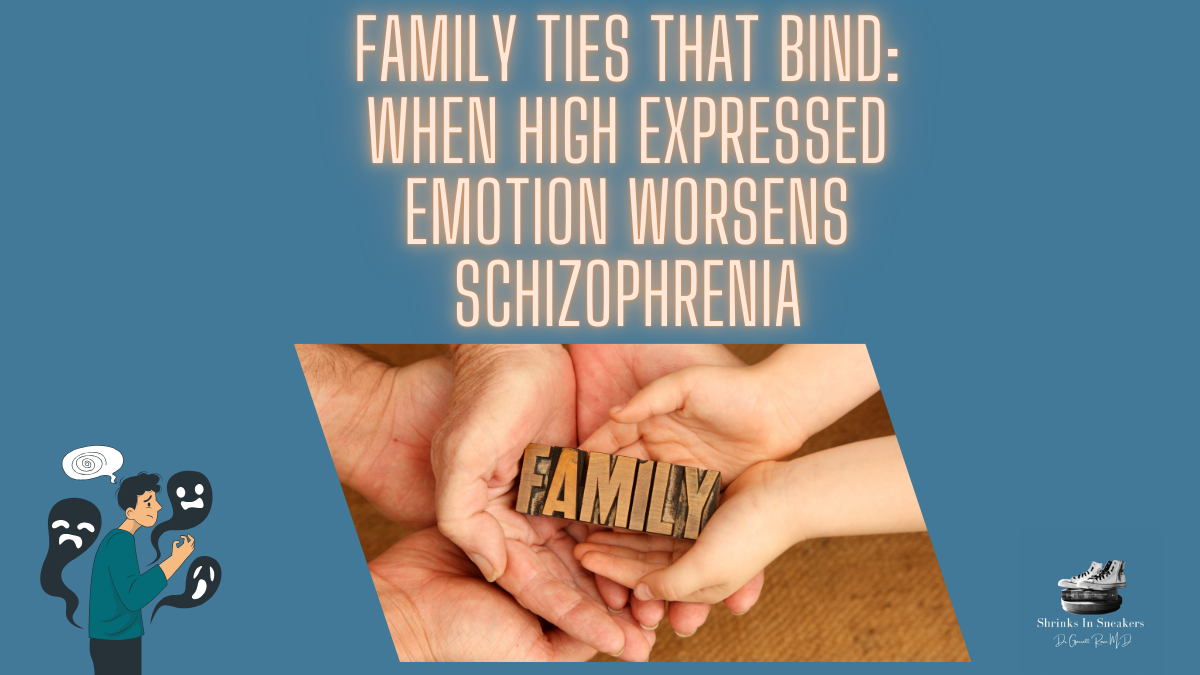
  • Family Ties That Bind: When High Expressed Emotion Worsens Schizophrenia

    Family Ties That Bind: When High Expressed Emotion Worsens Schizophrenia

    In psychiatry we are always asking patients about social support. The presence or absence of social support can have a major impact on treatment response and ability to remain well once someone leaves the hospital. This usually includes support from family members and friends. 

    In 1956 the Medical Research Council Social Psychiatry (MRCSP) London conducted a study regarding the readmission of schizophrenic patients. The research revealed that patients who were stabilized symptomatically and functionally inpatient and subsequently discharged to live with their parents or wives were frequently readmitted for relapse of symptoms compared to those who were discharged to a sibling, or non-family environment. While family involvement is generally a protective factor that helps prevent things like suicide, there are some situations where the over involvement of family can complicate matters and even create worse outcomes.

    This usually occurs when a family has high expressed emotion. 

    Expressed emotion (EE) has consistently been shown to predict relapse in schizophrenia as well as other psychiatric disorders. Expressed emotion is a measure of the family environment that is based on how the relatives of a psychiatric patient spontaneously talk about the patient. 

    It measures 3 aspects of the family environment associated with high expressed emotion:

    1. Hostility (outward anger and frustration towards the patient because the family believes they are choosing to not get better) 
    2. Emotional over-involvement (This is where the family tries to solve all the problems for the patient taking away their ability to be self-reliant). 
    3. Critical comments (where the family views the mentally ill patient as lazy or selfish, not appreciating the difficulty of living with mental illness). 

    However, research has shown the following as indications of an environment with low expressed emotion: 

    1.    Positivity: (statements that express appreciation or support for the patient’s behavior and gives verbal and nonverbal reinforcement). 

    2.    Warmth: (kindness, concern and empathy expressed by the caregiver).

    There is such a thing as too much involvement on the part of the families which can lead to complicating family dynamics and exacerbation of an individual’s symptoms of mental illness. Interventions for improving outcomes include reducing contact with high EE caregivers and providing psychoeducation about EE to care givers. Bringing awareness to this behavior may help family members change. 
  • Transforming Pain Into Strength 

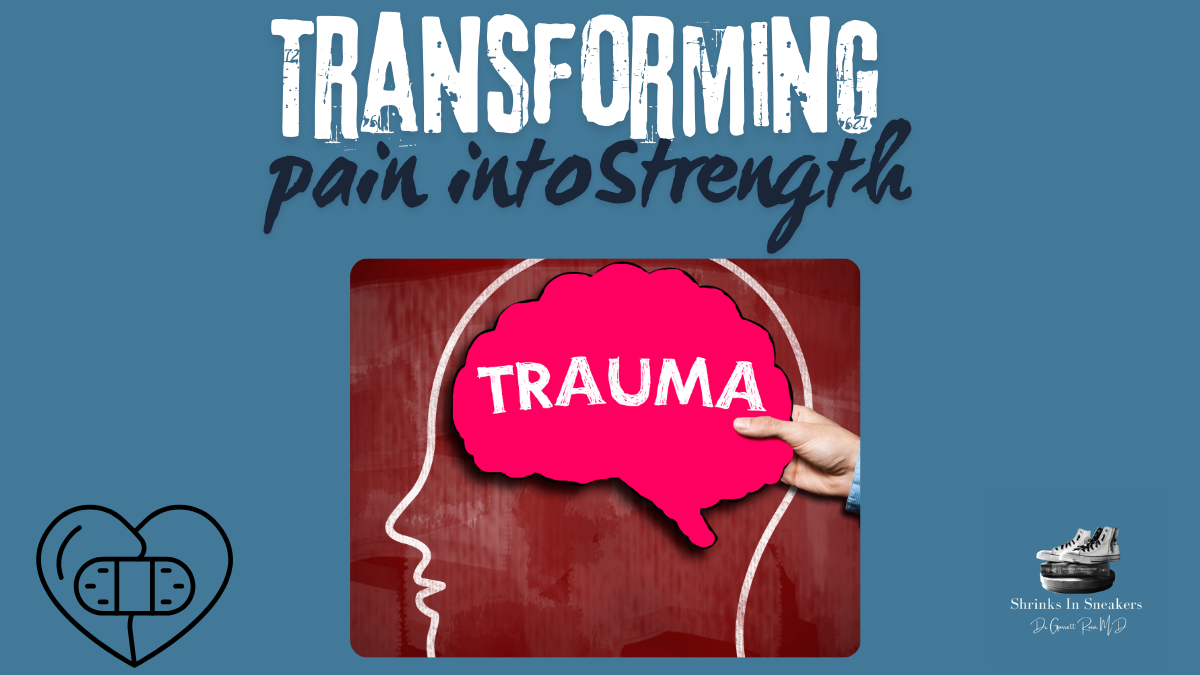
    Transforming Pain Into Strength 

    Many people spend their entire lives holding themselves back, often because they’re unconsciously addicted to the pain they cause themselves. When trauma hits, especially early in life, it has a way of sticking with us. In many ways, that pain shapes who we are, and the thought of letting it go feels like losing a part of ourselves. It can become a form of behavioral addiction.

    But what if we could use that pain as fuel to push ourselves forward, to become the best version of who we are? It’s hard, especially when you’ve been picked on, or felt like you don’t fit in. We all just want to live authentically, to be true to ourselves.

    I get it—I’ve been there too. If I can push through, so can you. It’s never easy, especially in tough times. But if there’s one thing I know, I’m not giving in.

  • The Power of a Comeback: My Time is Now, and So is Yours

    The Power of a Comeback: My Time is Now, and So is Yours

    Life is a journey full of ups and downs, and sometimes, we find ourselves at a low point, feeling defeated and uncertain. But remember, it’s not about how many times you fall; it’s about how many times you get back up.

    A comeback isn’t just about bouncing back—it’s about bouncing forward. It’s about using your setbacks as a setup for a stronger, wiser, and more resilient version of yourself.

    1. Believe in Yourself: Trust in your abilities and your potential. You have everything within you to overcome challenges and achieve greatness.
    2. Set Clear Goals: Define what success looks like for you. Break down your goals into manageable steps and tackle them one by one.
    3. Learn from the Past: Reflect on what led to the setback. Embrace the lessons learned and use them to fuel your growth.
    4. Stay Positive: Surround yourself with positivity. Cultivate a mindset of gratitude and optimism, even in the face of adversity.
    5. Take Action: Don’t just dream about your comeback—take concrete steps towards it every day. Consistency and perseverance are key.
    6. Seek Support: Lean on friends, family, or mentors who believe in you. Their encouragement can be a powerful motivator.
    7. Celebrate Small Wins: Acknowledge and celebrate every small victory along the way. Each step forward is progress.

    Remember, the greatest comebacks are born from the greatest setbacks. Your story is far from over, and this is just the beginning of a new, exciting chapter. Keep pushing, keep striving, and watch as you rise stronger than ever.

  •    Why It’s Important to Thrive and Not Just Survive

       Why It’s Important to Thrive and Not Just Survive

    We Spend a significant amount of time as doctors monitoring for adverse outcomes. 

    We use the absence of disease as an indicator of health. 

    But the mere absence of disease is not enough to proclaim good health. 

    If we only monitor for the absence of disease, we miss the things that are most important in our patients’ daily lives. 

    The things I’ve found to be most important in my life, and often lacking in my patient’s lives are…

    Being happy, having a sense of purpose and meaning, and having good relationships which are sometimes ignored if overt signs and symptoms of disease are not present. 

    Being “well” is a state of complete mental, physical, and social wellbeing. 

    Having a purpose in life is associated with reduced mortality risk, so is life satisfaction. Things like loneliness and social isolation are associated with increased mortality.

    When these needs are met people not only live longer but they live with intention. 

    Let’s Look beyond the absence disease