Tag: psychedelic

  • Can Low-Dose LSD Treat ADHD? A New Study Weighs In

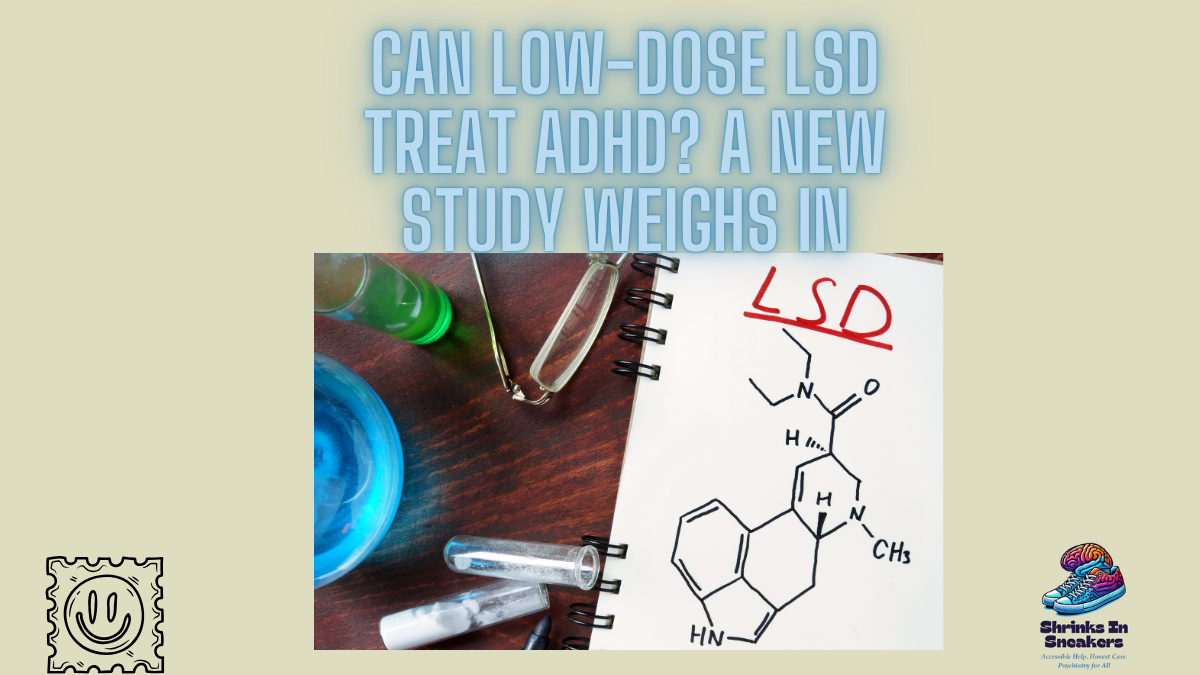
    Can Low-Dose LSD Treat ADHD? A New Study Weighs In

    ADHD (Attention-Deficit/Hyperactivity Disorder) affects millions of adults worldwide, with stimulants like methylphenidate and amphetamine being the most effective treatments. But could psychedelics like LSD offer an alternative? A new randomized clinical trial aimed to find out.

    👉 Study Overview:

    • Design: Multicenter, double-blind, placebo-controlled trial (N = 53)
    • Participants: Mean age 37 years, 42% female
    • Intervention: Low-dose LSD (20 μg) or placebo twice weekly for 6 weeks (12 doses total)
    • Primary Outcome: Change in ADHD symptoms using the Adult ADHD Investigator Symptom Rating Scale (AISRS)

    💡 Key Findings:

    • Both groups showed significant improvement in ADHD symptoms:
      • LSD group: −7.1 points (95% CI, −10.1 to −4.0)
      • Placebo group: −8.9 points (95% CI, −12.0 to −5.8)
    • ✅ LSD was safe and well tolerated
    • ❌ No significant difference between LSD and placebo in symptom reduction

    🧠 What This Means:
    While low-dose LSD was safe, it didn’t outperform placebo in treating ADHD symptoms. This challenges anecdotal claims about psychedelics for ADHD and reinforces the need for rigorous placebo-controlled trials in psychedelic research.

    📈 Future research may explore higher doses or alternative mechanisms—but for now, stimulants remain the gold standard for ADHD treatment.

    🔗 https://jamanetwork.com/journals/jamapsychiatry/fullarticle/2831639

  • When Expectations Matter: Antidepressant Efficacy vs. Psilocybin’s Unique Impact

    When Expectations Matter: Antidepressant Efficacy vs. Psilocybin’s Unique Impact

    It’s always valuable to challenge our own assumptions, especially in areas as complex as mental health treatment. A secondary analysis of a randomized controlled trial, recently published in JAMA Psychiatry, explored the role of treatment expectancies in the efficacy of psilocybin versus escitalopram for depression.

    I’ve often argued that blinding these studies is challenging, and participants are likely to have higher expectations for psychedelics like psilocybin. However, this analysis provides a nuanced perspective.

    While participants did report higher expectations for psilocybin’s effectiveness compared to escitalopram, expectancy only seemed to impact outcomes in the escitalopram group. A stronger belief in escitalopram’s efficacy correlated with better results for those receiving it. In contrast, expectancy didn’t significantly influence psilocybin’s effectiveness.

    Another intriguing finding: individuals with higher pre-treatment suggestibility showed more significant therapeutic responses to psilocybin—a pattern not observed in the escitalopram group.

    Although this is a secondary analysis and not the final word on the topic, it raises fascinating questions. Could psilocybin’s therapeutic mechanisms be less reliant on patient expectations than traditional antidepressants?

    For now, this remains an open question, but I’ll be closely following future research as it unfolds.

    Link to article: https://pubmed.ncbi.nlm.nih.gov/39653344/

  • Breaking the Anxiety Barrier: LSD a Game-Changer for GAD?

    Breaking the Anxiety Barrier: LSD a Game-Changer for GAD?

    Should LSD be considered a treatment for generalized anxiety disorder (GAD)? The results from MindMed’s Phase 2b study suggest it just might be. While this is only one study, and the FDA’s cautious stance on psychedelic-based treatments like MDMA raises questions about future approval, the findings are worth exploring. So, let’s dive in.

    GAD is a fascinating and somewhat controversial diagnosis. Notably, the study excluded participants with major depressive disorder, a condition frequently comorbid with GAD, which raises interesting questions about the choice to isolate GAD. Some in the psychiatric field even challenge the validity of GAD as a distinct psychiatric disease, arguing it reflects broader distress rather than a discrete disorder.

    Psychedelics like LSD are surging to the forefront of psychiatric research, largely because the field is starved for innovation. Decades of research and sophisticated drug development have yielded limited breakthroughs in understanding or treating psychiatric conditions. Meanwhile, society often clings to the hope that complex human behavior and mental health challenges can be reduced to something as simple as a pill you take every 12 weeks. The appeal of psychedelics lies in their potential to disrupt this paradigm—but can they deliver?

    Key Findings:

    1. Dose-Dependent Response:
      • Patients receiving a higher dose (200 µg) of MM-120 showed rapid and sustained improvements in anxiety symptoms.
      • The reduction in anxiety symptoms was statistically significant compared to the placebo group.
    2. Speed of Onset:
      • Improvements were observed as early as two weeks post-dosing, suggesting a rapid therapeutic effect.
    3. Duration of Effect:
      • The anxiety-reducing effects lasted up to 12 weeks following a single administration, indicating long-lasting benefits.
    4. Safety Profile:
      • The treatment was generally well-tolerated, with mild to moderate adverse effects such as headache, nausea, and transient emotional changes. There were no reports of severe adverse events related to the study drug.
    5. Mechanistic Insights:
      • MM-120 appears to modulate serotonin 5-HT2A receptors, leading to enhanced neuroplasticity and emotional processing, which may underlie the observed clinical improvements.

    I’m always interested in the study population and if the researchers selected a group of patients with prior psychedelic use. Here is what I found 

    Participant Screening and Inclusion:

    1. Prior Psychedelic Use:
      • Some participants may have had previous experiences with psychedelics (e.g., LSD, psilocybin, MDMA), as long as such use did not interfere with the integrity of the study (e.g., recent or habitual use, which might influence tolerance or expectations).
      • Individuals with significant past psychedelic use might be excluded to minimize potential biases in response to the trial drug.
    2. Psychedelic-Naïve Participants:
      • The trial likely included a substantial proportion of participants who were psychedelic-naïve, meaning they had never used substances like LSD or psilocybin before.
      • This approach helps ensure that the observed therapeutic effects can be attributed to MM-120 rather than prior familiarity or psychological preparation for psychedelic experiences.

    Why Prior Use Matters:

    • Expectation Bias:
      • Participants with past psychedelic experiences may anticipate certain effects, influencing subjective outcomes like anxiety reduction.
    • Safety and Tolerability:
      • Previous exposure to psychedelics might affect how participants tolerate or respond to the treatment.
    • Generalizability:
      • Including both psychedelic-naïve and experienced individuals helps make the findings applicable to a broader population.

    Implications:

    This study suggests that psychedelic-assisted therapy, especially with compounds like MM-120, has significant potential as a novel treatment for GAD, offering rapid and durable relief after just one dose. These findings pave the way for further research and larger-scale trials.

  • Hallucinogens: A Trip Not Everyone Should Take

    Hallucinogens: A Trip Not Everyone Should Take

    The recent JAMA Psychiatry study, Emergency Department Visits Involving Hallucinogen Use and Risk of Schizophrenia Spectrum Disorder, explored a notable increase in emergency department (ED) visits related to hallucinogen use, with a focus on potential links to the onset of schizophrenia spectrum disorders.

    Key Findings:

    1. Rise in Hallucinogen-Related ED Visits:
      • The number of ED visits due to hallucinogens, including LSD, psilocybin, and MDMA, has significantly risen, particularly among younger populations. This aligns with changing perceptions of these substances in some parts of society.
    2. Connection to Schizophrenia Spectrum Disorders:
      • Individuals who presented at EDs for hallucinogen-related issues were found to have a higher risk of later developing schizophrenia spectrum disorders. The study suggests a potential association between hallucinogen use and triggering or exacerbating underlying psychiatric vulnerabilities.
    3. Demographic Insights:
      • The rise in hallucinogen use and related health complications appears to disproportionately affect young adults and men. These groups may face greater risks due to higher consumption rates and potential genetic predispositions to mental health disorders.
    4. Clinical Implications:
      • Emergency physicians and mental health professionals are encouraged to screen for hallucinogen use during ED visits, particularly in individuals showing early signs of psychosis. Early identification and intervention may help mitigate long-term mental health outcomes.

    This study emphasizes the importance of public health strategies addressing hallucinogen use, including education on potential risks and the establishment of protocols to identify and treat associated psychiatric conditions.

    Link to the article: https://jamanetwork.com/journals/jamapsychiatry/article-abstract/2825649

  • Embracing the End: Why Psychedelics Are the Future of Compassionate End-of-Life Care

    Embracing the End: Why Psychedelics Are the Future of Compassionate End-of-Life Care

    One of the earliest and most logical places to introduce psychedelic medicine is for end of life and palliative care. It does not come with the same problems as treating patients with depression or other psychiatric disorders as the treatment will be time limited. 

    Here are some of the benefits based on the current research

    1. Psychological Benefits

    • Reduction in Anxiety and Depression: Several studies, particularly those using psilocybin, have demonstrated significant reductions in anxiety and depression in patients with terminal illnesses like cancer. These effects are often long-lasting, with benefits persisting for months after a single treatment session.
      • A notable 2016 study published in The Journal of Psychopharmacology showed that 80% of cancer patients treated with psilocybin experienced significant reductions in anxiety and depression, with some reporting a renewed sense of life meaning.

    2. Spiritual and Existential Distress

    • Psychedelics, especially psilocybin and LSD, are reported to induce mystical or transcendent experiences, which many patients describe as spiritually meaningful. This has been associated with reduced existential distress and increased acceptance of mortality.
      • Participants in several trials often report a greater sense of interconnectedness, enhanced life meaning, and a reduced fear of death.

    3. Enhanced Quality of Life

    • Beyond symptom relief, psychedelics have shown potential in improving overall quality of life. Patients often report improvements in emotional well-being, social connections, and the ability to engage with their loved ones, which are critical in end-of-life care.
      • In studies, patients often describe a greater ability to process emotions related to their diagnosis, leading to enhanced peace and emotional resilience.

    4. Safety and Low Abuse Potential

    • When administered in controlled, therapeutic settings, psychedelics like psilocybin are generally well-tolerated with minimal side effects. This contrasts with the stigma and misconceptions surrounding their use. Studies also emphasize the low risk of dependence or misuse, particularly in these clinical contexts.

    5. Mechanism of Action

    • Psychedelics are believed to work by temporarily disrupting the default mode network (DMN) in the brain, which is involved in self-referential thinking and rumination. This disruption may facilitate shifts in perspective, reducing the obsessive focus on illness and death that can fuel anxiety and depression in terminal patients.

    6. Therapeutic Process

    • Psychedelics are not stand-alone treatments but are typically administered in the context of guided therapy sessions. These sessions help patients integrate their psychedelic experiences, allowing them to explore their fears, emotions, and relationships in a supportive environment.

    7. Legal and Regulatory Considerations

    • Despite promising results, the legal status of psychedelics limits widespread use. However, growing clinical interest has led to “compassionate use” cases and expanded research protocols under FDA guidelines, signaling potential shifts in policy.

    Overall, the evidence suggests that psychedelics, particularly psilocybin, could provide significant psychological and existential relief for individuals facing end-of-life distress, although more research is needed to fully understand the scope of benefits. 

  • The Dirty Little Secret They Won’t Tell You About Psychedelics

    The Dirty Little Secret They Won’t Tell You About Psychedelics

    It’s obvious to me, but I think the public, including many of our patients, remains unaware of a crucial truth: Psychedelics will not cure your depression, your PTSD, or your difficult life circumstances.

    There’s a growing wave of enthusiasm around psychedelics as miracle cures for mental health conditions, but the hard reality is that the evidence just doesn’t back it up—at least not yet. Even if you find yourself on the hopeful side, believing we desperately need alternatives to alleviate people’s suffering, the reported benefits of these substances have not been validated by large, rigorous, randomized controlled trials. The buzz around psychedelics often overshadows the fact that they lack the necessary scientific backing to support their mainstream use in treating complex mental health issues like depression or PTSD.

    Let’s not ignore the financial stakes here either: The people promoting these drugs stand to make billions of dollars. There’s a lot of money on the table, and many in the academic community are rallying behind these companies. But we should ask ourselves—are they doing so because of solid science or because of the potential financial windfall?

    These drugs have been around for decades, yet one consistent truth I’ve observed in every person I’ve known who’s used them is this: You must use them repeatedly, and they almost always experience a relapse of symptoms over time. There’s no permanent fix here, just a temporary reprieve, if even that.

    We can draw parallels with other treatments like ECT (electroconvulsive therapy) and ketamine. Both have shown promise in certain cases, but I’ve yet to see anyone cured by these treatments. We often perform maintenance ECT and maintenance ketamine therapy for this very reason. Just like psychedelics, they might offer temporary relief, but they don’t provide long-term solutions without ongoing interventions.

    I understand this may come off as cynical, but I’ve seen too many people fall for the hype, only to be disappointed later. People far more charismatic than me will try to convince you that psychedelics will cure everything that ails you—for a hefty price tag. Don’t buy into it without questioning the science and the motives behind the push.

  • Psilocybin Outshines Escitalopram: A Breakthrough in Depression Treatment

    Psilocybin Outshines Escitalopram: A Breakthrough in Depression Treatment

    The article Effect of psilocybin versus escitalopram on depression symptom severity in patients with moderate-to-severe major depressive disorder: observational 6-month follow-up of a phase 2, double-blind, randomised, controlled trialreports findings from an extended observation period on the comparative effects of psilocybin and escitalopram in treating depression. Here are the key points:

    Study Design: This was a 6-month follow-up of a Phase 2, double-blind, randomized controlled trial. It compared the effects of psilocybin (a psychedelic compound) and escitalopram (a common SSRI) on depression symptoms in patients with moderate-to-severe major depressive disorder (MDD).

    Participants: Patients with moderate-to-severe MDD were randomly assigned to either psilocybin or escitalopram groups. Both treatments were administered in a controlled clinical setting

    Primary Outcome: Depression symptom severity was measured using the QIDS-SR-16 (Quick Inventory of Depressive Symptomatology–Self-Report) scale at various time points, including baseline, during the treatment phase, and at the 6-month follow-up.

    Results:

    Both groups showed improvement in depression symptoms, but the psilocybin group had a greater reduction in symptoms compared to the escitalopram group.

    The effects of psilocybin were found to be more rapid and sustained over the 6-month period.

    Remission and Response Rates: A higher proportion of patients in the psilocybin group achieved remission and clinically significant response compared to those in the escitalopram group.

    Safety and Side Effects: Both treatments were generally well-tolerated. However, psilocybin was associated with transient, mild-to-moderate side effects, mostly during the acute phase of treatment (e.g., perceptual disturbances).

    Conclusion: Psilocybin demonstrated more pronounced and longer-lasting antidepressant effects compared to escitalopram at the 6-month follow-up. This suggests that psilocybin could be a viable alternative treatment for moderate-to-severe depression, but further research is necessary to confirm long-term safety and efficacy.

  • Matthew Perry’s Doctors Charged

    Matthew Perry’s Doctors Charged

    Everyone told me not to comment on this situation a few months ago and here we are:

    Recent developments in the case of Matthew Perry’s death have taken a serious turn as two doctors have been charged with the illegal distribution of ketamine. The charges allege that these physicians were involved in prescribing the powerful anesthetic, known for its potential misuse as a recreational drug, outside the bounds of medical necessity.

    This case has raised significant concerns about the role of medical professionals in the broader issue of prescription drug abuse. Ketamine, while valuable in certain psychiatric contexts such as treatment resistant depression, carries a high risk of abuse and dependence, making its distribution tightly regulated.

    The charges against Perry’s doctors highlight the ongoing challenges in ensuring that powerful medications are prescribed responsibly and underscore the need for stricter oversight in the medical community. The legal proceedings will likely shed more light on the extent of the alleged misconduct and its impact on Perry and others.

  • Setback for MDMA Therapy: FDA’s Rejection and Key Concerns Explained

    Setback for MDMA Therapy: FDA’s Rejection and Key Concerns Explained

    The FDA’s decision to reject MDMA (methylenedioxymethamphetamine) for medical use typically stems from various concerns related to safety, efficacy, and potential for abuse.

    Background

    MDMA is primarily known as a recreational drug, often associated with rave and party scenes. However, it has been studied for its potential therapeutic benefits, particularly in the treatment of post-traumatic stress disorder (PTSD) and other mental health conditions.

    Safety Concerns

    1. Neurotoxicity: Research has shown that MDMA can be neurotoxic, causing damage to serotonin-producing neurons in the brain. This can lead to long-term cognitive deficits, including memory problems and mood disorders.
    2. Cardiovascular Risks: MDMA increases heart rate and blood pressure, which can pose significant risks to individuals with underlying heart conditions. The stimulant effect can lead to hyperthermia (overheating) and dehydration.
    3. Acute Toxicity: Overdose can lead to severe hyperthermia, serotonin syndrome, and even death. The narrow therapeutic window between a therapeutic dose and a toxic dose is a significant concern.

    Efficacy Concerns

    1. Clinical Trial Results: While there have been promising results in some clinical trials, the FDA requires extensive, well-controlled studies to confirm a drug’s efficacy. If trials do not meet these rigorous standards, the FDA may not approve the drug.
    2. Long-term Benefits: The long-term efficacy of MDMA therapy is still uncertain. While short-term benefits have been observed, there is a need for more data on the sustainability of these effects.

    Potential for Abuse and Addiction

    1. Recreational Use: MDMA is widely used recreationally, which increases the potential for misuse and addiction. The FDA must consider the risk of the drug being diverted for non-medical use.
    2. Dependence: There is evidence that regular use of MDMA can lead to psychological dependence, and managing this risk is crucial in the context of medical approval.

    Regulatory and Ethical Considerations

    1. Ethical Concerns: The use of a psychoactive substance in a therapeutic setting raises ethical questions, particularly regarding informed consent and the management of potential adverse effects.
    2. Regulatory Framework: The FDA has stringent requirements for approving new medications, including ensuring that benefits outweigh risks. For a drug like MDMA, where the risks are significant, the bar for approval is high.

    Conclusion

    The FDA panel recently rejected the use of MDMA-assisted psychotherapy for treating PTSD, marking a significant setback for advocates of this treatment approach. The advisory committee, in a vote of 9-2, concluded that the current evidence does not support the effectiveness of MDMA in treating PTSD. Additionally, they voted 10-1 against the benefits of MDMA therapy outweighing its risks​. 

    Several key concerns led to this decision. Firstly, issues were raised about the integrity and validity of the clinical trials conducted by Lykos Therapeutics, including potential biases, functional unblinding, and allegations of misconduct. The panel also highlighted gaps in the data, particularly regarding the potential for abuse and adverse cardiovascular events associated with MDMA​​.

    Despite the panel’s recommendation, the FDA is not obligated to follow their advice, though it often does. The outcome has disappointed many proponents of MDMA-assisted therapy, who argue that the treatment could provide much-needed relief for PTSD patients who have not benefited from existing therapies​. 

  • How to Change Your Mind: The Current State of Psychiatry and Psychedelics

    How to Change Your Mind: The Current State of Psychiatry and Psychedelics

    There is no hotter topic in the world of psychiatry than the reemergence of psychedelics as therapeutic tools for the treatment of mental illness. When esketamine was approved by the FDA in March of 2019 it opened the doors for medications like MDMA, psilocybin, and mescaline as possible therapeutic agents. 

    I’m excited about these new options for therapy but I also want to make sure the science backs up the personal experiences of individuals who use these medicines in uncontrolled settings. 

    Introduction:

    The psychedelic era was a time of social, musical, and artistic change influenced by the use of psychedelic drugs that occurred between the mid-1960s and mid-1970s. Although this era lasted for some time it largely fell out of favor for legal reasons and wasn’t a topic in modern psychiatric training until just recently. It seems like overnight there are New York times articles, Netflix documentaries, and evening news coverage about psychedelics.

    What’s the story are we ready to prescribe everyone psilocybin and MDMA as a form of mental health treatment? 

    History of Hallucinogens in Medicine

    For over 5 millennia humans have been attempting to alter their state of consciousness. Some have argued it goes even further back to primate ancestors who consumed large quantities of ripe fermented fruit to alter their state of consciousness (drunken monkey hypothesis). I’m not sure how correct this theory is but it’s safe to say psychedelics have been around for a long time. 

    In 1943 Albert Hofmann a chemist by training, invented LSD by accident. He started the research in 1938 and announced that he sampled the chemical in 1943. Not only did he synthesize it, but he was getting high on his own supply. In 1957 this same chemist isolated psilocybin from the hallucinogenic mushrooms.

    In the 1940’s LSD was marketed as a drug to assist psychotherapy, the so-called drug assisted psychotherapy which is making a comeback today. Unfortunately, of the 1000 studies published looking at psychedelics as a model for psychosis and as therapy were small and uncontrolled. 

    In the 1970’s most of these medicines were placed into schedule I status making it exceedingly difficult to study the medicines further for therapeutic effects in a controlled setting. A Randomized controlled trial is considered by many to be the highest standard of scientific evidence. 

    Classes of Hallucinogens 

    For years people thought of psychedelics as LSD or psilocybin, the term now includes other medicines. The term psychedelic is derived from two Greek words meaning mind manifesting. Essentially psychedelic and hallucinogen are being used interchangeably these days but do have separate meanings.

    Classic Hallucinogens 

    -Tryptamines: psilocybin, LSD, and DMT 

    -Phenethylamines: Mescaline 

    Non-Classic Hallucinogens 

    -3,4-methylenedioxymethamphetamine (MDMA)

    -Dissociative Anesthetics: Ketamine, PCP, Dextromethorphan 

    Therapeutic Targets for Psychedelic Use

    Disorders Under Investigation: 

    -Depression 

    -Anxiety

    -PTSD

    -OCD

    -Cancer related stress and psychological issues 

    -Addiction 

    -Smoking cessation 

    -Sexual dysfunction 

    -headaches 

    -inflammatory disorders 

    Maybe the best studied area is in end of life and palliative care settings. 

    Mechanism of Action

    -The primary mechanism of action is 5-HT2A receptor stimulation 

    -5-HT2A is the most abundant serotonin receptor in the central nervous system and cortex of the brain. 

    -Stimulating the 5-HT2A receptors will increase the release of glutamate in the cortex 

    -Stimulation of 5-HT2A receptors in the visual cortex can lead to visual hallucinations. Stimulation in the ventral tegmental area can produce a situation like that of schizophrenia with delusions and hallucinations. 

    -Most atypical antipsychotics bind to and block 5-HT2A receptors and would mitigate the effects of psychedelics 

    Neurobiology

    People often make comments like we don’t know how much serotonin is enough, then conclude that medications do work or the therapies we are using are invalid. That’s because they are thinking about mental illness and these medications too simply. Most psychiatrists do not believe in or talk about the chemical imbalance theory of treating mental illness. We think about mental illness and problems with neural circuits, nodes, and networks. What medications including the psychedelics achieve is an alteration in the connectivity of these networks and the ability to form new connections. 

    We have a default mode network which is famously active when a person is not focused on the outside world and the brain is just daydreaming. What psychedelics do is decrease brain connectivity in this default mode network followed by the establishment of new connections. 

    Hypothetically this rewiring of the brain allows for the replacement of faulty connections resulting in mental illness and the formation of new healthy connections through psychotherapy provided during treatment. This may be why the antidepressant effects last far beyond other interventions with less frequent dosing. 

    There are identifiable changes in network connectivity that coincide with subjective improvement. 

    The Mystical Experience: Is Tripping Required for a Therapeutic Effect

    -There is a mystical experience questionnaire that has been validated and used in these studies. It seems that the more profound the mystical experience the better the treatment effect subjectively 

    -While the spiritual experience many individuals have while taking these medicines is profound and meaningful to the individual, we are not sure that having a “trip” is required to produce a therapeutic effect. 

    Side Effects of Psychedelic Use 

    While some may claim there are no adverse effects from plant-based medicine that is not true. 

    Things like increased blood pressure, berating rate, and body temperature have been reported. 

    -Loss of appetite, dry mouth, sleep disturbance, uncoordinated movements, panic, paranoia, psychosis, and bizarre behaviors 

    Long-Term Effects: 

    Persistent Psychosis: A series of continuing mental problems including 

    -visual disturbances

    -disorganized thinking

    -paranoia

    -mood changes 

    Hallucinogen Persisting Perception Disorder (HPPD) 

    -Recurrences of certain drug experiences such as hallucinations or visual disturbances 

    -These experiences often happen without warning and may occur within days of last use or even years after taking the drug 

    -These experiences can be mistaken for neurological disorders such as strokes or brain tumors. 

    Conclusion

    At this time what we can say about the current state of psychedelics in psychiatry is they are under investigation. We do not know yet if they are safe and effective for treatment of mental illness on a mass scale. We have some encouraging evidence but there is an absence of large randomized controlled trials proving efficacy and safety. Psychedelics are not ready for clinical practice and should not be recommended as a treatment for mental illness until the proper studies have been conducted.