Tag: S-Adenosyl-Methionine

  • Managing Mild to Severe Depression: A Guide to Treatment Approaches

    Managing Mild to Severe Depression: A Guide to Treatment Approaches

    It is crucial to recognize that none of the available medications or neuromodulation procedures, including electroconvulsive therapy (ECT) and psychedelics, are disease-modifying. This means that while these treatments can alleviate symptoms, they do not address the underlying causes of depression. Think of them like acetaminophen for a fever—it may temporarily reduce the fever, but without treating the underlying infection, the fever will return.

    Neuromodulation refers to techniques that alter brain activity through electrical or magnetic stimulation. Examples include ECT, transcranial magnetic stimulation (TMS), and vagus nerve stimulation (VNS), all of which have been explored as treatments for severe depression.

    Optimizing Depression Treatment for Different Severity Levels

    Given this understanding, how can we best utilize these treatments to support patients during difficult times? The key is to acknowledge that medications and neuromodulation primarily serve as symptom management tools, most effectively used in the short term for severe cases.

    Mild to Moderate Depression: Prioritizing Non-Medication Approaches

    For individuals experiencing mild to moderate depression, medication should not be the first line of treFor individuals experiencing mild to moderate depression, medication should not be the first line of treatment. Many people can directly link their depressive symptoms to stressful life events. In such cases, the best initial approach includes:

    • Cognitive Behavioral Therapy (CBT) – Evidence-based therapy that helps reframe negative thinking patterns. Research has shown that CBT is as effective as antidepressants for mild to moderate depression, with relapse rates significantly reduced in those who complete therapy.
    • Lifestyle Modifications – Regular exercise and a healthy diet have strong evidence supporting their role in reducing depressive symptoms. A study published in JAMA Psychiatry found that individuals engaging in at least 150 minutes of moderate exercise per week had a 25% lower risk of developing depression.

    For some, these interventions alone may be sufficient to overcome depression and maintain long-term well-being. If additional support is needed, natural supplements with reasonable evidence, such as St. John’s Wort and S-Adenosylmethionine (SAMe), may be considered for mild to moderate depression. However, these supplements are not without risks—St. John’s Wort can interact with many medications, including antidepressants and birth control pills, potentially reducing their effectiveness. SAMe may cause gastrointestinal discomfort or manic symptoms in individuals with bipolar disorder.

    Severe Depression: When Medication and Neuromodulation Play a Role

    For individuals with severe depression, particularly those at risk for self-harm or suicide, the risks and benefits of medication should be carefully weighed. Antidepressants and neuromodulation therapies have demonstrated the most significant impact in these cases. When selecting a medication, I prioritize those with a lower risk of concerning side effects, particularly sexual dysfunction. My initial choices often include:

    • Bupropion – A dopamine-norepinephrine reuptake inhibitor with a favorable side effect profile.
    • Vortioxetine – Known for its cognitive benefits and relatively low sexual side effects.
    • Mirtazapine – Can be beneficial for those with sleep disturbances or appetite loss.
    • Vilazodone – A serotonin modulator with a lower incidence of sexual dysfunction compared to SSRIs.

    It is essential for patients starting antidepressants to be closely monitored, especially in the early weeks of treatment, to assess for side effects and response. Regular follow-ups with a healthcare provider can help adjust dosages or explore alternative treatments if needed.

    Treatment Duration and Discontinuation Considerations

    For those starting medication, I generally recommend continuing treatment for 6 to 12 months, followed by an assessment to determine whether tapering off is feasible. This process involves shared decision-making, considering:

    • Symptom severity and stability
    • Level of daily functioning
    • Patient’s goals and preferences

    The goal is to ensure that the patient has developed effective coping strategies, engaged in therapy, and adopted a healthy lifestyle before considering medication discontinuation. If stopping medication is not advisable, we work to identify the lowest effective dose for long-term maintenance.

    Final Thoughts

    Depression treatment should be personalized and dynamic, evolving with the patient’s needs. By recognizing that medications and neuromodulation are tools for symptom management rather than cures, we can ensure they are used effectively—providing relief during crises while prioritizing long-term strategies for resilience and recovery.
  • Complementary Alternative Medicine (CAM) in Psychiatry

    Complementary Alternative Medicine (CAM) in Psychiatry

    This is one of the most popular topics patients ask about. Often psychiatry gets a bad reputation for prescribing medication without addressing lifestyle and “natural” options for the treatment of psychiatric illness.

    A 2007 National Health Interview Survey (NHIS) reported 4 out of 10 American adults and 1 out of 9 children used CAM. The most commonly cited reasons for using CAM are depression, insomnia, anxiety, and chronic pain. Typically, integrative care involves the use of traditional medical therapy with appropriate evidence-based CAM. This is not always the case, and often times you will find many people who are not licensed medical doctors offering advice on CAM. What I hope to accomplish in this post is to introduce some of the CAM options that are evidence based for depression.

    While the use of CAM is widespread, randomized controlled trials for specific CAM interventions have issues with their study design. They are usually conducted for short durations, and have a small number of participants. Despite these limitations, many CAM research studies report positive benefits for depression. Likewise finding high quality products with appropriate dose of active ingredient can also be a challenge. There are many companies and not all of them are reputable. 

    It’s unlikely that CAM will be enough to treat severe cases of major depressive disorder alone. For mild to moderate cases of depression, it may be effective based on the evidence detailed below.

    Below are the options I would consider CAM for primary treatment of depression. In the next post I will talk about adjunctive treatment for people who have had response to antidepressants but not remission of symptoms.

    Hypericum Perforatum (St. John’s Wort) 

    St. John’s Wort (SJW) is a medical herb with antidepressant activity. The exact mechanism by which this herb improves mood is not fully understood. SJW is known to inhibit monoamine reuptake, and down regulate monoamine receptors in the brain. In 2005 Linde et.al conducted a meta-analysis of 37 randomized double-blind placebo-controlled trials (RCT) which demonstrated superiority of SJW to placebo. It’s important to note SJW was equivalent to antidepressant treatment for mild cases and inferior for severe depression. In 2017 Ng QX et al. conducted a meta-analysis which found a similar result. They looked at 27 clinical trials and a total of 3808 patients, comparing the use of SJW with SSRIs for the treatment of depression. They concluded that for mild to moderate depression, SJW had comparable efficacy and safety when compared to SSRIs.

    How does SJW stack up against traditional SSRIs? Fava et al. conducted a randomized double-blind trial of SJW, fluoxetine and placebo for major depressive disorder. SJW was significantly more effective than fluoxetine and showed a trend toward superiority over placebo. Sarris et al. analyzed date from a 26-week RCT that studied SJW vs. Sertraline and placebo for major depressive disorder. The comparison between all treatments was not significant. Both SJW and sertraline were therapeutically effective, but they could not say one was superior to the other. 

    Although SJW is effective for the treatment of depression, it’s not my favorite choice. SJW is a known inducer of the cytochrome P450 enzymes. SJW can increase clearance of medications including antiretrovirals, oral contraceptives, benzodiazepines, digoxin, and phenobarbital. When SJW is combined with other antidepressant medication there is increased risk of serotonin syndrome. 

    S-Adenosyl-Methionine (SAMe)

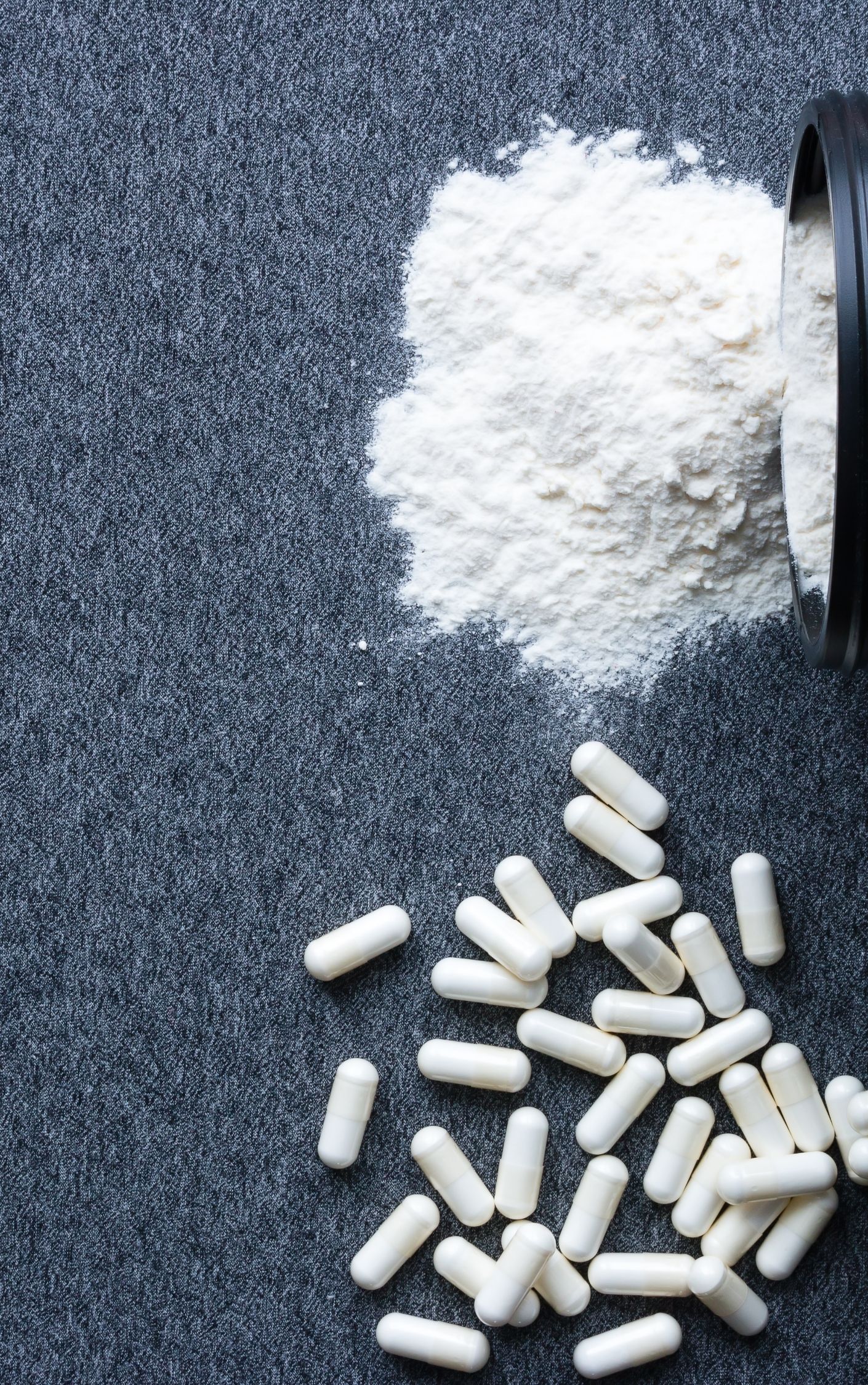
    SAMe is an amino acid that is distributed widely throughout the brain and is the major methyl donor required for the synthesis of monoamine neurotransmitters. It’s available in the United States over the counter. Studies indicate that SAMe levels may be reduced in patients with MDD.

    Several reviews of the literature on SAMe and depression have been conducted. Most of the reviews conclude that SAMe is generally effective for the treatment of depression. However, more carefully designed higher quality studies need to be conducted. A meta-analysis that looked at 28 studies concluded that SAMe was superior to placebo for the treatment of depression, and it was found to be statistically significant. Again, this study did not find a difference between SAMe and traditional antidepressant treatment. Another review of 11 studies concluded that SAMe resulted in a reduction in depressive symptoms and was superior to placebo. One study showed benefits of SAMe as an adjunctive therapy to SSRIs in patients who were non-responders.

    SAMe does have some associated side effects including mild gastrointestinal (GI) problems and insomnia. There is risk of inducing a manic episode in patients with bipolar disorder, and SAMe should be avoided in this population. Patients taking medication for Parkinson’s disease may have reduced efficacy of the medication when taken in conjunction with SAMe. Thus, we should avoid SAMe in this population as well. 

    References

    1. Linde K, Berner MM, Kriston L. St John’s wort for major depression. Cochrane Database Syst Rev. 2008;2008(4):CD000448. Published 2008 Oct 8. doi:10.1002/14651858.CD000448.pub3
    2. Ng QX, Venkatanarayanan N, Ho CY. Clinical use of Hypericum perforatum (St John’s wort) in depression: A meta-analysis. J Affect Disord. 2017;210:211-221. doi:10.1016/j.jad.2016.12.048
    3. Fava M, Alpert J, Nierenberg AA, et al. A Double-blind, randomized trial of St John’s wort, fluoxetine, and placebo in major depressive disorder. J Clin Psychopharmacol. 2005;25(5):441-447. doi:10.1097/01.jcp.0000178416.60426.29
    4. Sarris J, Fava M, Schweitzer I, Mischoulon D. St John’s wort (Hypericum perforatum) versus sertraline and placebo in major depressive disorder: continuation data from a 26-week RCT. Pharmacopsychiatry. 2012;45(7):275-278. doi:10.1055/s-0032-1306348
    5. Galizia I, Oldani L, Macritchie K, et al. S-adenosyl methionine (SAMe) for depression in adults. Cochrane Database Syst Rev. 2016;10(10):CD011286. Published 2016 Oct 10. doi:10.1002/14651858.CD011286.pub2
    6. Sharma A, Gerbarg P, Bottiglieri T, et al. S-Adenosylmethionine (SAMe) for Neuropsychiatric Disorders: A Clinician-Oriented Review of Research. J Clin Psychiatry. 2017;78(6):e656-e667. doi:10.4088/JCP.16r11113