Tag: schizophrenia treatment

  • 🔍 Suicide & Psychosis: What We Can Learn from Recent Research

    🔍 Suicide & Psychosis: What We Can Learn from Recent Research

    A new study sheds light on suicide risk in patients with psychotic disorders, comparing those with recent-onset schizophrenia or other psychotic disorders to those with longer illness duration. The findings offer critical insights for clinicians and mental health professionals.

    🚨 Key Takeaways:

    📌 Early Illness = Higher Risk: Patients within the first five years of their illness had higher suicide rates, emphasizing the need for intensive early intervention.

    📌 Common Risk Factors: Across both groups, depression, prior suicide attempts, and substance use were major red flags.

    📌 Different Patterns: Those with recent-onset psychosis were more likely to have rapid illness progression, while those with longer illness duration often had chronic distress and social isolation before suicide.

    📌 Missed Opportunities? Many had recent healthcare encounters before suicide, highlighting potential gaps in risk assessment and intervention.

    🛑 What This Means for Us:
    🔹 Early-phase psychosis care should prioritize suicide prevention.
    🔹 Screening for depression, substance use, and prior attempts is essential.
    🔹 More proactive intervention is needed, especially after hospital visits.

    This study reinforces what many frontline clinicians already suspect—suicide prevention in psychosis requires urgent, tailored strategies. How can we improve early detection and support for at-risk patients? Let’s discuss. 👇

  • 🚨 New JAMA Study: Cannabis Legalization & Schizophrenia

    🚨 New JAMA Study: Cannabis Legalization & Schizophrenia

    A groundbreaking study just dropped in JAMA Psychiatry, shedding light on the link between cannabis use disorder (CUD) and schizophrenia following cannabis legalization.

    📊 Key Findings:

    • Higher rates of schizophrenia diagnoses were observed in young men with CUD after legalization.
    • The association was strongest in males aged 18–24, a group already at high risk for schizophrenia onset.
    • No significant changes were found in individuals without CUD, reinforcing concerns about cannabis as a potential trigger in vulnerable populations.

    🧠 What This Means:
    Cannabis legalization doesn’t just increase access—it may be shifting the trajectory of severe mental illness in at-risk groups. While correlation ≠ causation, this study adds weight to the argument that heavy cannabis use isn’t harmless, especially for young people with genetic or neurodevelopmental vulnerabilities.

    ⚖️ Clinical & Policy Implications:

    • Should we rethink cannabis policy in light of these findings?
    • Do we need stronger public health messaging about the psychiatric risks of heavy cannabis use?
    • How can we better screen and intervene early for CUD in young men?

    As psychiatrists, we see these cases firsthand—the young man with new-onset psychosis, the family blindsided, the struggle to regain lost cognitive and social function.

    This study is a wake-up call. Legal ≠ safe for everyone.

    What are your thoughts? Should legalization come with more psychiatric safeguards? Drop your insights below. ⬇️

  • Iclepertin Trial Results: Insights on Schizophrenia Treatment

    Iclepertin Trial Results: Insights on Schizophrenia Treatment

  • What HAPPENED to Ulotaront The TAAR-1 Agonist for Schizophrenia?

    What HAPPENED to Ulotaront The TAAR-1 Agonist for Schizophrenia?

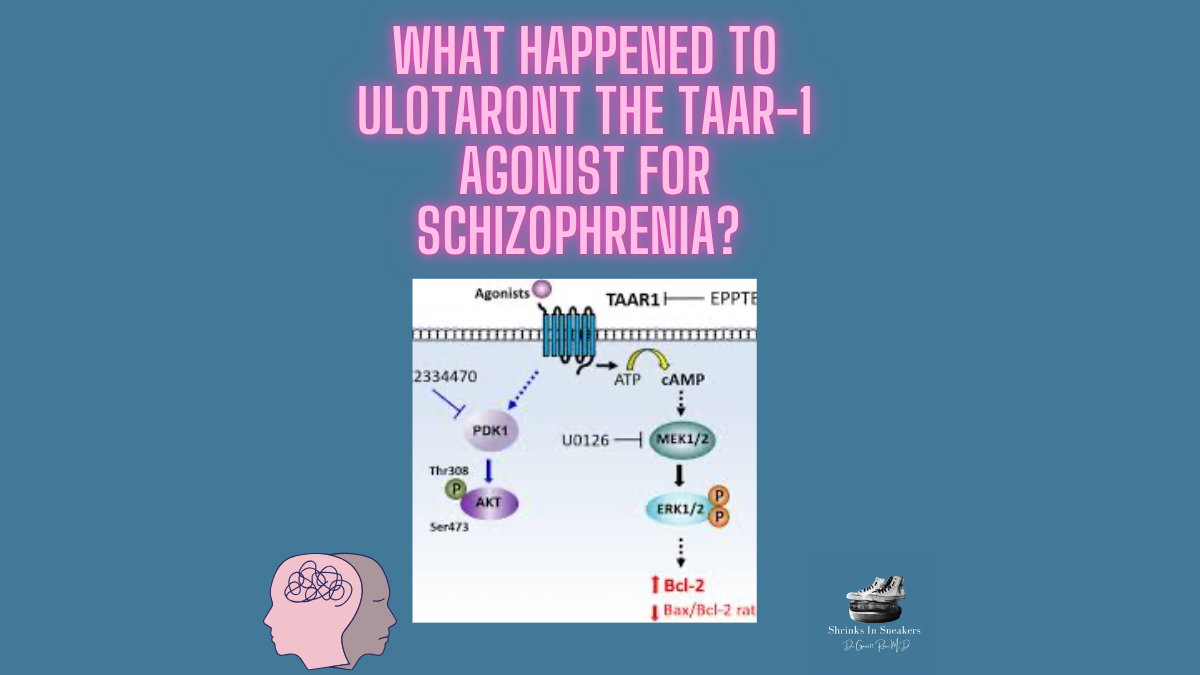
    Back in 2019, during my residency, TAAR-1 agonists were hailed as the future of schizophrenia treatment, generating a wave of excitement and high expectations. Fast forward to 2025, and the once-prominent buzz has all but vanished. What happened to this promising class of drugs that once seemed poised to revolutionize the field?

    Ulotaront, an investigational antipsychotic developed by Sumitomo Pharma and Otsuka Pharmaceutical, has recently encountered significant challenges in its clinical development. In July 2023, the drug failed to meet primary endpoints in two Phase III clinical trials aimed at treating acutely psychotic adults with schizophrenia. These studies did not demonstrate a statistically significant improvement over placebo, raising concerns about ulotaront’s efficacy in this patient population.

    Given these setbacks, the timeline for ulotaront’s potential approval by the U.S. Food and Drug Administration (FDA) is now uncertain.Consequently, any previous projections for FDA approval will likely be delayed as the developers reassess their clinical strategy.

    It’s important to note that ulotaront had previously received Breakthrough Therapy Designation from the FDA in 2019 for the treatment of schizophrenia, reflecting initial optimism about its therapeutic potential.

  • Abrupt Discontinuation of Buprenorphine and Risk of Psychosis: Clinical Considerations

    Abrupt Discontinuation of Buprenorphine and Risk of Psychosis: Clinical Considerations

    This post is inspired by a real case from my practice involving a patient with no significant past psychiatric history but a strong history of substance use, including opioids and cocaine. The patient had been on buprenorphine maintenance therapy for several decades, providing stability in their recovery. However, following an abrupt discontinuation of buprenorphine, the patient developed acute psychotic symptoms. This case highlights an uncommon but important phenomenon clinicians should be aware of when managing buprenorphine discontinuation, especially in individuals with a history of substance use.

    Emerging evidence suggests that abrupt discontinuation of buprenorphine may induce psychosis in some individuals, though this appears to be a relatively uncommon occurrence. Here are the key findings:

    Documented Cases

    • New-onset psychotic symptoms have been reported after sudden cessation of buprenorphine in patients with no prior psychosis.
    • Common symptoms include auditory hallucinationsparanoid ideation, and delusions of reference.
    • Psychotic symptoms typically emerge within days to weeks after discontinuation.

    Potential Mechanisms

    1. Loss of buprenorphine’s antipsychotic effects through kappa-opioid receptor antagonism.
    2. Interaction between neurobiological vulnerabilities and the stress of withdrawal.
    3. Possible unmasking of latent psychotic disorders.

    Risk Factors

    • History of substance use.
    • Early adverse life events.
    • Underlying psychiatric conditions (e.g., bipolar disorder).

    Outcomes and Management

    • Symptoms may resolve in weeks to months, though some cases persist longer.
    • Reintroduction of buprenorphine has led to symptom remission in some cases, suggesting a causal relationship.
    • Gradual tapering of buprenorphine might mitigate this risk, though more research is needed.

    Clinical Implications

    Clinicians should remain vigilant when discontinuing buprenorphine, especially in individuals with risk factors for psychosis. A gradual tapering strategy is recommended to reduce potential risks, though further studies are necessary to guide best practices.

    Understanding this phenomenon highlights the importance of individualized care when managing buprenorphine discontinuation in vulnerable populations.

  • Cobenfy: New Insights into Efficacy and Comparative Impact on Schizophrenia Symptoms

    Cobenfy: New Insights into Efficacy and Comparative Impact on Schizophrenia Symptoms

    Overall Efficacy

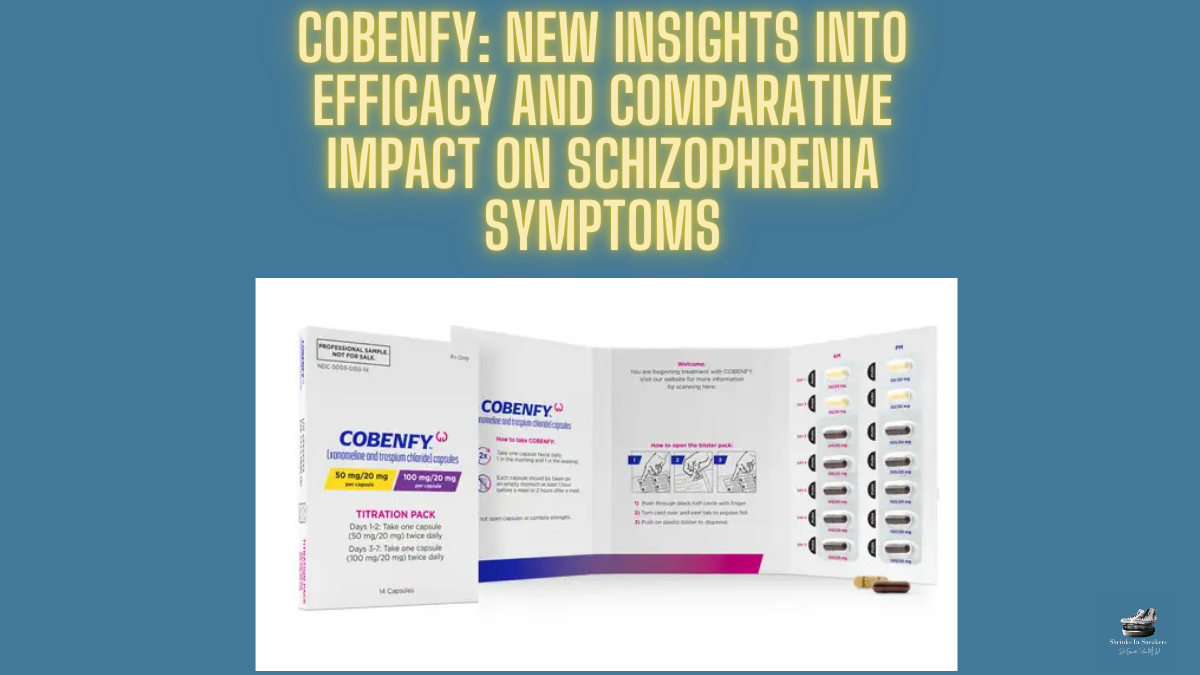
    • Effect Size: Cobenfy’s overall efficacy on the Positive and Negative Syndrome Scale (PANSS) stands at an effect size of 0.6, which is higher than many established antipsychotics (typically 0.3-0.5). However, clozapine still leads as the gold standard, with effect sizes ranging from 0.76 to 1.0.
    • NNT (Number Needed to Treat): The estimated NNT for Cobenfy is around 4, placing it in the mid-range among antipsychotics, where NNTs often range from 3 to 10.

    Negative Symptom Impact

    • Cobenfy shows a notable efficacy in reducing negative symptoms. It achieves an impressive effect size of 1.18for this symptom domain, which is uncommon among antipsychotics. This improvement in negative symptoms appears to be independent of reductions in positive symptoms, a distinct advantage over traditional agents.
    • The NNT for negative symptoms specifically is around 2, highlighting Cobenfy’s potential as a robust option for patients struggling with these challenging symptoms.

    Onset of Action

    • Rapid Onset: Cobenfy begins to show statistically significant improvements by week 3.
    • Peak Effect: Maximal symptom improvement is typically observed by week 5.

    Conclusion
    Cobenfy offers strong efficacy in schizophrenia, with unique advantages for negative symptoms. While clozapine remains unmatched in treatment-resistant cases, Cobenfy provides a promising option, especially for patients with significant negative symptoms.


  • Family Ties That Bind: When High Expressed Emotion Worsens Schizophrenia

    Family Ties That Bind: When High Expressed Emotion Worsens Schizophrenia

    In psychiatry we are always asking patients about social support. The presence or absence of social support can have a major impact on treatment response and ability to remain well once someone leaves the hospital. This usually includes support from family members and friends. 

    In 1956 the Medical Research Council Social Psychiatry (MRCSP) London conducted a study regarding the readmission of schizophrenic patients. The research revealed that patients who were stabilized symptomatically and functionally inpatient and subsequently discharged to live with their parents or wives were frequently readmitted for relapse of symptoms compared to those who were discharged to a sibling, or non-family environment. While family involvement is generally a protective factor that helps prevent things like suicide, there are some situations where the over involvement of family can complicate matters and even create worse outcomes.

    This usually occurs when a family has high expressed emotion. 

    Expressed emotion (EE) has consistently been shown to predict relapse in schizophrenia as well as other psychiatric disorders. Expressed emotion is a measure of the family environment that is based on how the relatives of a psychiatric patient spontaneously talk about the patient. 

    It measures 3 aspects of the family environment associated with high expressed emotion:

    1. Hostility (outward anger and frustration towards the patient because the family believes they are choosing to not get better) 
    2. Emotional over-involvement (This is where the family tries to solve all the problems for the patient taking away their ability to be self-reliant). 
    3. Critical comments (where the family views the mentally ill patient as lazy or selfish, not appreciating the difficulty of living with mental illness). 

    However, research has shown the following as indications of an environment with low expressed emotion: 

    1.    Positivity: (statements that express appreciation or support for the patient’s behavior and gives verbal and nonverbal reinforcement). 

    2.    Warmth: (kindness, concern and empathy expressed by the caregiver).

    There is such a thing as too much involvement on the part of the families which can lead to complicating family dynamics and exacerbation of an individual’s symptoms of mental illness. Interventions for improving outcomes include reducing contact with high EE caregivers and providing psychoeducation about EE to care givers. Bringing awareness to this behavior may help family members change. 

  • Rethinking Antipsychotics: Is It Time to Hit Pause for Schizophrenia Patients

    Rethinking Antipsychotics: Is It Time to Hit Pause for Schizophrenia Patients

    The article “Deprescribing Antipsychotics in Patients with Schizophrenia: Findings from a Specialized Clinic” emphasizes a growing interest in reducing or discontinuing antipsychotic medications in patients with schizophrenia, particularly those stable on long-term treatment. While continuous antipsychotic use is common to prevent relapse, concerns about long-term side effects, such as metabolic give us pause and rise concerns. 

    Key Points:

    1. Benefits of Deprescribing:
      • Reduction in side effects such as weight gain and metabolic syndrome.
      • Potential reversal of tardive dyskinesia.
      • Empowering patients by involving them in shared decision-making, improving adherence and satisfaction.
    2. Risks:
      • The primary risk is relapse, with studies indicating relapse rates between 20-60% after discontinuation.
      • Relapse can lead to hospitalization, job loss, and disrupted relationships.
    3. Strategies for Safe Deprescribing:
      • Individualized Tapering: Gradual reduction in dose is essential, tailored to the patient’s specific needs and history.
      • Relapse Prevention: Engaging support systems (family, mental health teams), monitoring for early signs of relapse, and incorporating psychosocial interventions.
      • Ethical Considerations: Balancing patient autonomy with the duty to minimize harm is a challenge. Encouraging patient participation respects autonomy while ensuring they are aware of risks.

    Future Directions:

    • More research is needed on long-term outcomes of deprescribing, particularly in identifying which patients are the best candidates for safe withdrawal.
    • Clinical guidelines should better integrate recovery-oriented approaches with deprescribing efforts to strike a balance between risk mitigation and promoting patient empowerment​

    link to the article: https://www.cambridge.org/core/journals/psychological-medicine/article/deprescribing-antipsychotics-in-patients-with-schizophrenia-findings-from-a-specialized-clinic/DA2F622FFA9D26A1F119F4F9BC11F2E3

  • Navigating First-Episode Psychosis: A Delicate Balance

    Navigating First-Episode Psychosis: A Delicate Balance

    In my practice, I encounter many cases of first-episode psychosis, a critical period that requires thoughtful and precise intervention. The decisions made during this time can set a patient on the path to long-term recovery or, unfortunately, towards a lifetime of challenges.

    There are a few guiding principles I always adhere to:

    1. Most antipsychotics can be effective, but it’s important to choose carefully.
    2. Lower doses often suffice to achieve remission in first-episode psychosis. Starting with a medication that has a lower risk of cardiometabolic side effects and weight gain is crucial, especially for young patients. They shouldn’t be burdened with long-term physical side effects as they navigate their recovery.

    Predicting whether a patient will experience a single episode or develop a chronic condition like schizophrenia is challenging. While family history and substance use, particularly cannabis, can provide clues, there is still uncertainty.

    I believe that after 6-12 months of treatment, it’s worth considering tapering the antipsychotic to the lowest effective dose, with a careful eye on any signs of relapse. Unfortunately, what I often see is that both patients and clinicians overlook the subtle signs of relapse because they’ve mutually decided to discontinue the medication. By the time I see them again, the situation has worsened.

    Early psychosis treatment requires a delicate balance between managing symptoms and minimizing long-term side effects, all while keeping a close watch for signs of relapse. Careful planning is key to setting patients on the best path forward.

  • FDA Greenlights Breakthrough Schizophrenia Medication: Here’s How It Works

    FDA Greenlights Breakthrough Schizophrenia Medication: Here’s How It Works

    The FDA approved Cobenfy

    Schizophrenia is a complex and debilitating mental disorder characterized by a range of symptoms, including hallucinations, delusions, cognitive deficits, and emotional dysregulation. Despite advancements in antipsychotic medications, many patients experience incomplete symptom relief and significant side effects. As a result, there is a growing interest in alternative therapeutic targets, including the muscarinic acetylcholine receptors (mAChRs).

    Muscarinic Acetylcholine Receptors (mAChRs)

    The mAChRs are G protein-coupled receptors involved in various central nervous system functions, including cognition, learning, memory, and mood regulation. There are five subtypes of mAChRs (M1-M5), with the M1, M2, M3, and M4 subtypes playing significant roles in modulating neural activity related to schizophrenia.

    M1 Muscarinic Agonists

    The M1 receptor is primarily expressed in the cortex and hippocampus, regions crucial for cognitive processing. M1 agonists have shown promise in improving cognitive deficits and reducing psychotic symptoms in schizophrenia. Research indicates that M1 activation can enhance cholinergic neurotransmission and modulate glutamate and dopamine systems, potentially alleviating both positive and negative symptoms.

    M2 Muscarinic Agonists

    M2 receptors are predominantly found in the basal forebrain and play a role in modulating acetylcholine release. Although less studied than M1, M2 agonists may help balance neurotransmitter release, contributing to improved cognitive function and reduced psychotic symptoms.

    M3 Muscarinic Agonists

    The role of M3 receptors in schizophrenia is not as well understood as M1 and M4 receptors. However, M3 receptors are involved in various physiological processes, including insulin secretion and smooth muscle contraction. Research is ongoing to determine their potential therapeutic benefits in schizophrenia.

    M4 Muscarinic Agonists

    M4 receptors are highly expressed in the striatum, a brain region implicated in the regulation of motor control and reward processing. M4 agonists have shown potential in reducing dopaminergic hyperactivity, which is associated with positive symptoms of schizophrenia, such as hallucinations and delusions. Additionally, M4 activation may help mitigate side effects associated with conventional antipsychotics, such as extrapyramidal symptoms.

    Clinical Implications and Future Directions

    The therapeutic potential of M1-M4 muscarinic agonists in schizophrenia is an exciting area of research. Targeting these receptors may offer a novel approach to address the cognitive and negative symptoms of schizophrenia, which are often resistant to current treatments. Ongoing clinical trials and preclinical studies are crucial to understanding the efficacy, safety, and mechanisms of action of these compounds.

    Conclusion The exploration of M1-M4 muscarinic agonists represents a promising frontier in the treatment of schizophrenia. By modulating cholinergic, glutamatergic, and dopaminergic systems, these agents have the potential to provide more comprehensive symptom relief with fewer side effects compared to traditional antipsychotics. Continued research and development are essential to bring these innovative treatments to clinical practice, offering hope for improved outcomes for individuals with schizophrenia.