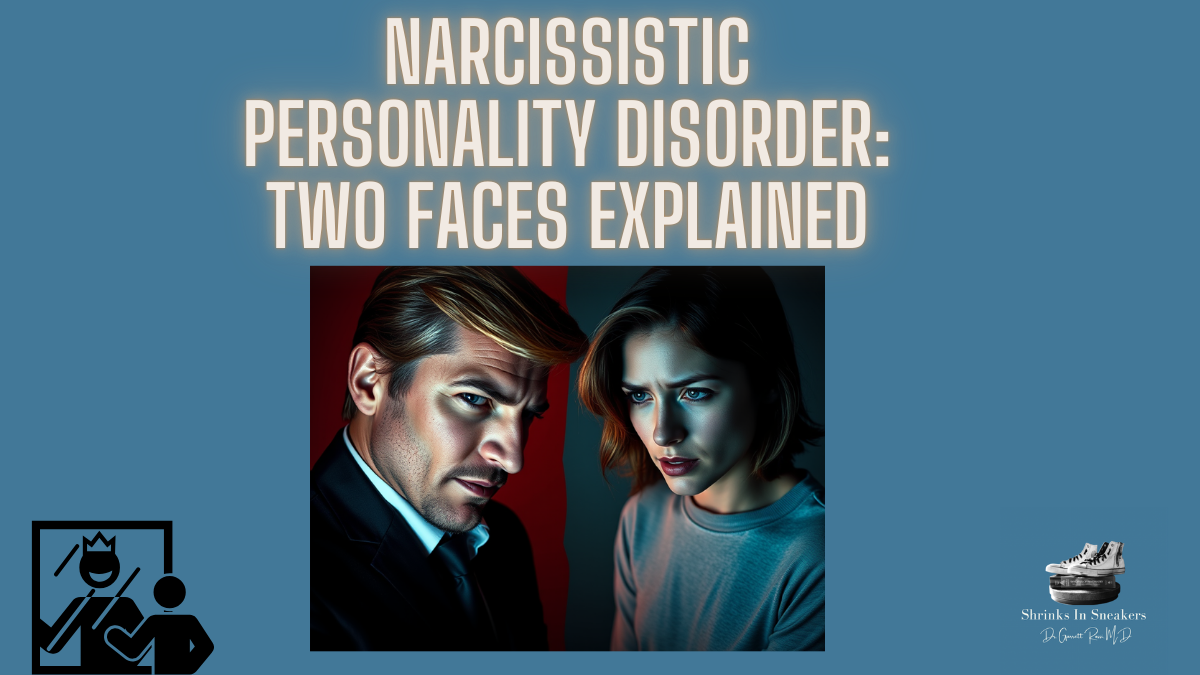
The key difference between vulnerable narcissistic personality disorder (NPD) and grandiose NPD lies in how the narcissistic traits are expressed and how the person copes with feelings of inadequacy and low self-esteem. Both fall under the umbrella of narcissistic personality disorder, but they represent different presentations:
Grandiose Narcissism
- Core Traits:
- Overt self-importance and entitlement.
- A strong sense of superiority and belief in their own greatness.
- Craving admiration and validation from others.
- Often charismatic, confident, and socially dominant.
- Defense Mechanisms:
- Rely on denial and externalizing blame to avoid feeling vulnerable.
- Tend to dismiss or belittle others’ opinions if they conflict with their own.
- Interpersonal Behavior:
- Exploitative in relationships, using others to bolster their self-esteem.
- Seek out positions of power or visibility to maintain their inflated self-image.
- Emotional Regulation:
- Typically outwardly composed and unbothered, though they may become aggressive or vindictive if their self-image is challenged.
Vulnerable Narcissism
- Core Traits:
- Feelings of inadequacy, hypersensitivity to criticism, and low self-esteem.
- A covert sense of entitlement—believing they deserve admiration but fearing they won’t get it.
- A façade of humility or introversion, masking deep insecurities.
- Defense Mechanisms:
- Use avoidance and withdrawal to protect themselves from perceived rejection or failure.
- Internalize blame and self-doubt, leading to cycles of shame and self-criticism.
- Interpersonal Behavior:
- Appear shy, reserved, or socially anxious, but they harbor fantasies of being special or recognized.
- May oscillate between needing reassurance and distancing themselves from others out of fear of being hurt.
- Emotional Regulation:
- Prone to depression, anxiety, and mood swings.
- Vulnerable to feelings of emptiness and envy of others’ success.
Clinical Distinction
- While grandiose narcissists may seem outwardly self-assured and dominant, vulnerable narcissists are more likely to present with symptoms resembling mood or anxiety disorders, often masking their narcissistic traits.
- Both types share a fragile self-esteem at their core but manifest it in opposite ways: grandiose types inflate their self-image, while vulnerable types retreat into themselves.
Grandiose Narcissism in a Clinical Setting
Case Example:
- Presentation: A 45-year-old CEO attends therapy after his spouse threatens divorce, citing his arrogance and lack of empathy. He describes the problem as “Everyone just misunderstands how hard it is to be as driven and successful as me.”
- Behavior in Session:
- Dominates conversations, dismisses the therapist’s insights, and subtly challenges their expertise.
- Boasts about his achievements, financial success, and social status but avoids discussing emotional issues or personal failures.
- Minimizes his spouse’s complaints as “overreactions,” viewing them as jealous or ungrateful.
- Underlying Issues:
- Although he appears self-confident, his grandiosity masks deep fears of failure and inadequacy.
- His need for admiration and his inability to tolerate criticism create interpersonal conflict.
- Therapeutic Challenge:
- Establishing rapport while gently confronting his defensiveness.
- Helping him acknowledge and address the vulnerability underlying his grandiosity without triggering a withdrawal or rage response.
Vulnerable Narcissism in a Clinical Setting
Case Example:
- Presentation: A 30-year-old graduate student seeks therapy for persistent depression and social anxiety. She describes herself as “a failure” and avoids academic conferences because she feels “everyone there is smarter and more talented.”
- Behavior in Session:
- Initially shy and reserved but gradually reveals fantasies of being recognized as brilliant and exceptional in her field.
- Complains about colleagues receiving awards, feeling envious and deeply resentful, but also guilty for having those feelings.
- Struggles to accept praise, dismissing it as insincere or undeserved, and reacts strongly to perceived slights or criticism.
- Underlying Issues:
- She feels torn between craving recognition and fearing rejection.
- Her self-esteem depends heavily on external validation, but she avoids situations where she might fail or be criticized.
- Therapeutic Challenge:
- Helping her tolerate and process feelings of inadequacy without retreating into shame or avoidance.
- Building her sense of self-worth independent of external achievements or comparisons.
Comparison:
- Interpersonal Dynamics:
- Grandiose narcissists demand validation and admiration from others; vulnerable narcissists fear and avoid situations where their insecurities might be exposed.
- The CEO pressures the therapist to affirm his greatness, while the student fears the therapist will see her as inadequate.
- Emotional Reactions:
- The CEO might react to confrontation with anger or dismissal, while the student might respond with shame or withdrawal.
- Defense Mechanisms:
- Grandiose types externalize blame (“They’re the problem”), whereas vulnerable types internalize it (“I’m the problem”).
Clinical Insights
Both types present challenges in therapy:
- Grandiose narcissists may struggle with self-reflection, requiring careful, non-confrontational approaches to expose vulnerabilities.
- Vulnerable narcissists are often more willing to explore their insecurities but may require help managing their intense shame and self-doubt.