Tag: shrinks in sneakers

  • Managing Mild to Severe Depression: A Guide to Treatment Approaches

    Managing Mild to Severe Depression: A Guide to Treatment Approaches

    It is crucial to recognize that none of the available medications or neuromodulation procedures, including electroconvulsive therapy (ECT) and psychedelics, are disease-modifying. This means that while these treatments can alleviate symptoms, they do not address the underlying causes of depression. Think of them like acetaminophen for a fever—it may temporarily reduce the fever, but without treating the underlying infection, the fever will return.

    Neuromodulation refers to techniques that alter brain activity through electrical or magnetic stimulation. Examples include ECT, transcranial magnetic stimulation (TMS), and vagus nerve stimulation (VNS), all of which have been explored as treatments for severe depression.

    Optimizing Depression Treatment for Different Severity Levels

    Given this understanding, how can we best utilize these treatments to support patients during difficult times? The key is to acknowledge that medications and neuromodulation primarily serve as symptom management tools, most effectively used in the short term for severe cases.

    Mild to Moderate Depression: Prioritizing Non-Medication Approaches

    For individuals experiencing mild to moderate depression, medication should not be the first line of treFor individuals experiencing mild to moderate depression, medication should not be the first line of treatment. Many people can directly link their depressive symptoms to stressful life events. In such cases, the best initial approach includes:

    • Cognitive Behavioral Therapy (CBT) – Evidence-based therapy that helps reframe negative thinking patterns. Research has shown that CBT is as effective as antidepressants for mild to moderate depression, with relapse rates significantly reduced in those who complete therapy.
    • Lifestyle Modifications – Regular exercise and a healthy diet have strong evidence supporting their role in reducing depressive symptoms. A study published in JAMA Psychiatry found that individuals engaging in at least 150 minutes of moderate exercise per week had a 25% lower risk of developing depression.

    For some, these interventions alone may be sufficient to overcome depression and maintain long-term well-being. If additional support is needed, natural supplements with reasonable evidence, such as St. John’s Wort and S-Adenosylmethionine (SAMe), may be considered for mild to moderate depression. However, these supplements are not without risks—St. John’s Wort can interact with many medications, including antidepressants and birth control pills, potentially reducing their effectiveness. SAMe may cause gastrointestinal discomfort or manic symptoms in individuals with bipolar disorder.

    Severe Depression: When Medication and Neuromodulation Play a Role

    For individuals with severe depression, particularly those at risk for self-harm or suicide, the risks and benefits of medication should be carefully weighed. Antidepressants and neuromodulation therapies have demonstrated the most significant impact in these cases. When selecting a medication, I prioritize those with a lower risk of concerning side effects, particularly sexual dysfunction. My initial choices often include:

    • Bupropion – A dopamine-norepinephrine reuptake inhibitor with a favorable side effect profile.
    • Vortioxetine – Known for its cognitive benefits and relatively low sexual side effects.
    • Mirtazapine – Can be beneficial for those with sleep disturbances or appetite loss.
    • Vilazodone – A serotonin modulator with a lower incidence of sexual dysfunction compared to SSRIs.

    It is essential for patients starting antidepressants to be closely monitored, especially in the early weeks of treatment, to assess for side effects and response. Regular follow-ups with a healthcare provider can help adjust dosages or explore alternative treatments if needed.

    Treatment Duration and Discontinuation Considerations

    For those starting medication, I generally recommend continuing treatment for 6 to 12 months, followed by an assessment to determine whether tapering off is feasible. This process involves shared decision-making, considering:

    • Symptom severity and stability
    • Level of daily functioning
    • Patient’s goals and preferences

    The goal is to ensure that the patient has developed effective coping strategies, engaged in therapy, and adopted a healthy lifestyle before considering medication discontinuation. If stopping medication is not advisable, we work to identify the lowest effective dose for long-term maintenance.

    Final Thoughts

    Depression treatment should be personalized and dynamic, evolving with the patient’s needs. By recognizing that medications and neuromodulation are tools for symptom management rather than cures, we can ensure they are used effectively—providing relief during crises while prioritizing long-term strategies for resilience and recovery.
  • The ketogenic Diet For Mental Health

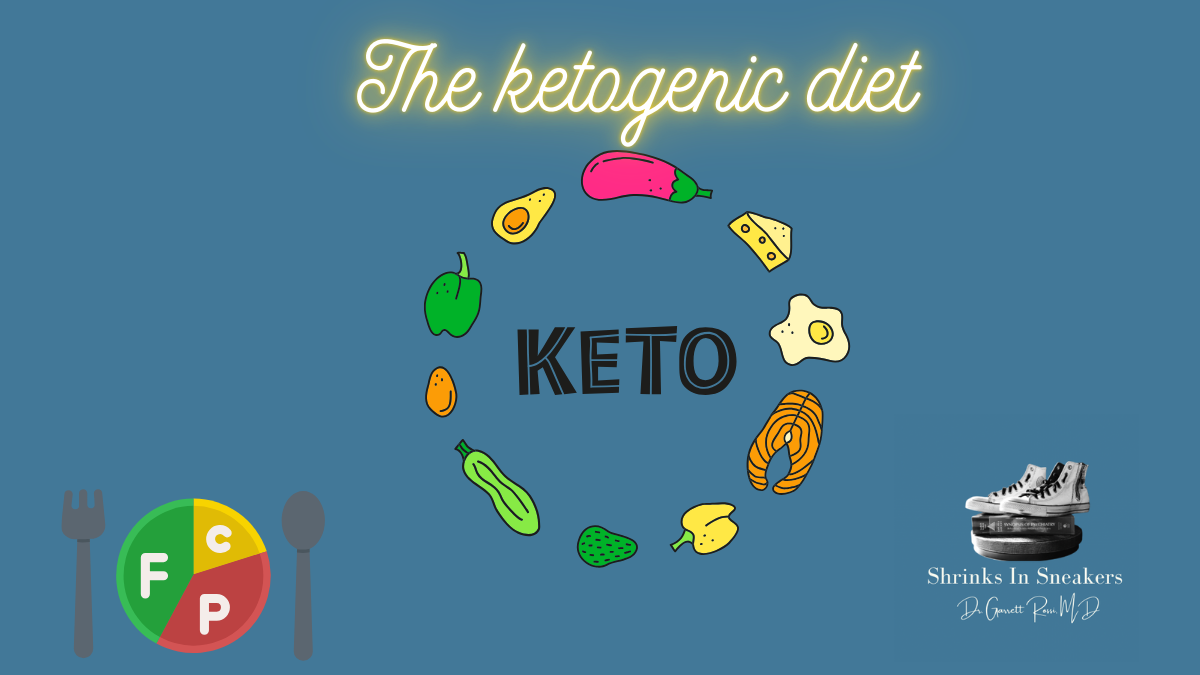
    The ketogenic Diet For Mental Health

    The ketogenic diet, primarily known for its benefits in weight loss and managing conditions like epilepsy, has been increasingly explored for its potential impact on mental health, including psychiatry. While research in this area is still emerging, some studies suggest that the ketogenic diet may offer benefits for certain psychiatric conditions. 

    1. Mood Disorders: Some research indicates that the ketogenic diet might have a positive impact on mood disorders such as depression and bipolar disorder. The diet’s ability to stabilize blood sugar levels and regulate neurotransmitters like serotonin and dopamine could contribute to mood improvement.
    2. Anxiety: The ketogenic diet’s effects on GABA (gamma-aminobutyric acid), a neurotransmitter that helps regulate anxiety, have been of interest to researchers. By increasing GABA levels, the diet may have an anxiolytic effect, potentially reducing symptoms of anxiety.
    3. Cognitive Function: Ketones produced during ketosis are an alternative fuel source for the brain. Some studies suggest that ketones may provide more efficient energy for brain cells, leading to improved cognitive function and clarity of thought. This could have implications for conditions such as ADHD and cognitive impairment.
    4. Neuroprotective Effects: Ketones have been shown to have neuroprotective properties, which could be beneficial in neurodegenerative disorders like Alzheimer’s disease and Parkinson’s disease. By providing an alternative energy source for the brain, the ketogenic diet may help protect against neuronal damage and promote brain health.
    5. Inflammation: Chronic inflammation has been linked to various psychiatric disorders. The ketogenic diet has anti-inflammatory effects, which could potentially reduce inflammation in the brain and mitigate symptoms of conditions like schizophrenia and PTSD.
    6. Gut-Brain Axis: Emerging research suggests that the gut microbiota plays a crucial role in mental health. The ketogenic diet can influence the gut microbiome, potentially improving gut health and modulating brain function through the gut-brain axis.

    While these findings are promising, it’s essential to approach the use of the ketogenic diet in psychiatry with caution. More research, including large-scale clinical trials, is needed to fully understand its efficacy, safety, and long-term effects on mental health conditions. Additionally, the ketogenic diet may not be suitable for everyone and should be implemented under the guidance of healthcare professionals, especially for individuals with pre-existing health conditions or those taking medications.

  • What Makes you a Doctor?

    What Makes you a Doctor?

    I came across a post from a CRNA claiming psychiatrists “aren’t real doctors” because they don’t intubate or run a vent. Apparently, their idea of being a doctor is exclusively working as a critical care physician. Sure, if you have a narrow view of what makes a doctor, maybe you’d agree.

    But let’s talk about what psychiatry really entails. Everyone thinks they could handle it—until mom’s hiding a knife under her pillow or someone who’s killed before is sitting across from you, manic and unpredictable. The truth is, most people in med school (or NP school) don’t sign up for that. Managing a vent? Intubating for surgery? Honestly, those sound like a vacation compared to digging deep into the chaos of the human mind.

    Practicing psychiatry right is no walk in the park. Sure, you could do it lazily and still get paid, but you’d be hurting patients and leaving messes for those of us who care. We deal with psychotic, dangerous, unpredictable individuals every day. And while it might not be as glamorous as a tube down someone’s throat, we are essential to every medical service. We do the dirty work, behind the scenes, keeping everyone safe.

    So next time someone’s in the ED or on the floor going completely bonkers, guess who steps in? The psychiatrist.

    And by the way—I still run codes and keep up my ACLS certification. Who knows, I might even toss in a tube if I’m feeling it. 😎 #PsychiatryIsMedicine #MentalHealthMatters #WeDoTheWorkNoOneElseWants

  • The Power of a Comeback: My Time is Now, and So is Yours

    The Power of a Comeback: My Time is Now, and So is Yours

    Life is a journey full of ups and downs, and sometimes, we find ourselves at a low point, feeling defeated and uncertain. But remember, it’s not about how many times you fall; it’s about how many times you get back up.

    A comeback isn’t just about bouncing back—it’s about bouncing forward. It’s about using your setbacks as a setup for a stronger, wiser, and more resilient version of yourself.

    1. Believe in Yourself: Trust in your abilities and your potential. You have everything within you to overcome challenges and achieve greatness.
    2. Set Clear Goals: Define what success looks like for you. Break down your goals into manageable steps and tackle them one by one.
    3. Learn from the Past: Reflect on what led to the setback. Embrace the lessons learned and use them to fuel your growth.
    4. Stay Positive: Surround yourself with positivity. Cultivate a mindset of gratitude and optimism, even in the face of adversity.
    5. Take Action: Don’t just dream about your comeback—take concrete steps towards it every day. Consistency and perseverance are key.
    6. Seek Support: Lean on friends, family, or mentors who believe in you. Their encouragement can be a powerful motivator.
    7. Celebrate Small Wins: Acknowledge and celebrate every small victory along the way. Each step forward is progress.

    Remember, the greatest comebacks are born from the greatest setbacks. Your story is far from over, and this is just the beginning of a new, exciting chapter. Keep pushing, keep striving, and watch as you rise stronger than ever.

  • PTSD by Any Other Name: Rethinking the Label to Break the Stigma

    PTSD by Any Other Name: Rethinking the Label to Break the Stigma

    An advocacy group has proposed changing the name of post-traumatic stress disorder (PTSD) to post-traumatic stress injury (PTSI) for inclusion in the DSM-5 TR. However, in November 2023, the APA steering committee rejected the proposal, citing insufficient evidence to support the change. Advocates argue that the term “disorder” is both imprecise and carries stigma, which can discourage people from seeking timely care. This delay or avoidance of care can lead to serious consequences, including suicide attempts. The term “disorder” has long been controversial in psychiatry, and I’ve always favored the use of “disease” to help distinguish between true disease processes and challenges of living. I also believe that people may be more likely to seek help if they view the issue as a disease or injury. While this change may not happen soon, maintaining open dialogue about how to encourage treatment is essential.


  • Unvaccinated and Unprotected: Does Skipping the COVID-19 Vaccine Heighten Your Risk for Mental Illness

    Unvaccinated and Unprotected: Does Skipping the COVID-19 Vaccine Heighten Your Risk for Mental Illness

    Since the start of the COVID-19 pandemic, countless studies have explored its impact on mental health. From both the research and my clinical experience, one thing is clear: the pandemic took a toll on people’s mental well-being.

    A study published in JAMA Psychiatry dug deeper into this by asking, “How does mental health differ between vaccinated and unvaccinated people who were diagnosed with COVID-19?” The results? Conditions like depression, anxiety, PTSD, addiction, and even self-harm and suicide spiked in the weeks following a COVID-19 diagnosis. Interestingly, the vaccinated group showed lower rates of these issues, while those hospitalized for COVID-19 had longer-lasting struggles with mental health.

    The takeaway is clear: getting vaccinated not only protects against the virus but may also reduce the mental health impact of a COVID-19 infection. It’s crucial to continue promoting vaccination, especially among those with pre-existing mental health conditions who are at higher risk.

    Article Link: https://jamanetwork.com/journals/jamapsychiatry/fullarticle/2822342#:~:text=Conclusions%20and%20Relevance%20In%20this,COVID%2D19%20on%20mental%20health

  • Should Marijuana be Reclassified? 

    Should Marijuana be Reclassified? 

    The potential reclassification of marijuana to Schedule III under the Controlled Substances Act would represent a significant shift in how the United States views and regulates the drug. Currently listed as a Schedule I substance, alongside drugs like heroin and LSD, marijuana is classified as having no accepted medical use and a high potential for abuse according to federal law. However, the mounting evidence of its medicinal benefits and changing attitudes toward its use have sparked discussions about revisiting its scheduling.

    Moving marijuana to Schedule III would acknowledge its recognized medical applications while still imposing regulatory controls. Drugs in this category, such as certain opioids like codeine, have a moderate to low potential for physical and psychological dependence and are accepted for medical use with restrictions. This reclassification could facilitate further research into its therapeutic properties and enable easier access for patients who could benefit from its use.

    However, the reclassification process is complex and involves various legal, political, and scientific considerations. Advocates argue that placing marijuana in Schedule III or lower would align its scheduling with scientific evidence and public opinion, potentially reducing stigma and barriers to research. Critics express concerns about the potential for increased recreational use and addiction, as well as the regulatory challenges of managing a substance with psychoactive properties.

    Any decision to reschedule marijuana would require careful deliberation, weighing the potential benefits against the risks and ensuring that public health and safety remain paramount. 

  • Alcohol: The Socially Acceptable Drink That Could Be Killing You

    Alcohol: The Socially Acceptable Drink That Could Be Killing You

    While alcohol is widely accepted in social settings and deeply embedded in many cultures, it’s important to recognize that its social acceptance does not make it harmless. In fact, alcohol has caused far more harm than many illegal substances that are often perceived as more dangerous.

    Alcohol is linked to numerous health problems, including liver disease, heart issues, and various forms of cancer. It’s also a leading contributor to accidents, violence, and fatalities, with drunk driving being one of the most deadly consequences. Beyond physical health, alcohol abuse can devastate relationships, contribute to domestic violence, and exacerbate mental health conditions like depression and anxiety.

    Alcohol’s normalized presence in society often downplays the risks of dependency and addiction. Many people who drink don’t realize how easy it can be to develop problematic drinking, which can lead to a host of long-term issues, both physically and emotionally.

    Despite its legal status and social acceptance, alcohol has proven to be one of the most harmful substances in terms of both individual and societal impact. Recognizing the risks and encouraging more mindful consumption can help reduce the extensive harm caused by this seemingly benign substance.

    Link:

    https://www.washingtonpost.com/wellness/2024/08/19/alcohol-drinking-deaths-worldwide

  • Are all Delusions the Same Across Episodes of Psychosis?

    Are all Delusions the Same Across Episodes of Psychosis?

    As an inpatient psychiatrist, you encounter a wide array of stories and experiences. Many of my trainees find this to be the most fascinating and engaging part of the job. We have the unique opportunity to delve into the inner workings of the mind and understand the thought processes of patients with serious mental illnesses (SMI). One of the things that often emerges during our evaluations is the presence of various types of delusions. Some are more common than others, with persecutory and grandiose delusions being frequent examples. I often hear patients claim that unknown groups are conspiring to ruin their lives, or a manic patient might declare, “I’m Jesus Christ.”

    Over the years, I’ve noticed that these delusions tend to remain consistent, with similar themes recurring during subsequent admissions. In case you’re wondering, I often see the same individuals with the same issues multiple times a year, giving me a wealth of data points to support this observation. This insight is supported by a recent article from JAMA Psychiatry, which found that delusional content remains consistent across episodes of psychosis. This consistency can help us recognize the early stages of decompensation and potentially intervene before hospitalization becomes necessary. For instance, if a patient claims, “I’m Jesus Christ” during one episode, it’s likely they will express the same delusion during future episodes.

    Another significant finding from this study is the importance of maintaining the intensity of interventions throughout the follow-up period. Unfortunately, there are many reasons why this doesn’t always happen, but when it doesn’t, poor outcomes are often the result.

    Link to the article: https://jamanetwork.com/journals/jamapsychiatry/article-abstract/2821873?utm_source=twitter&utm_medium=social_jamapsyc&utm_term=14389007483&utm_campaign=top_viewed&linkId=549496680#:~:text=Meaning%20In%20this%20longitudinal%20observational,of%20interventions%20across%20the%20entire

  • Matthew Perry’s Doctors Charged

    Matthew Perry’s Doctors Charged

    Everyone told me not to comment on this situation a few months ago and here we are:

    Recent developments in the case of Matthew Perry’s death have taken a serious turn as two doctors have been charged with the illegal distribution of ketamine. The charges allege that these physicians were involved in prescribing the powerful anesthetic, known for its potential misuse as a recreational drug, outside the bounds of medical necessity.

    This case has raised significant concerns about the role of medical professionals in the broader issue of prescription drug abuse. Ketamine, while valuable in certain psychiatric contexts such as treatment resistant depression, carries a high risk of abuse and dependence, making its distribution tightly regulated.

    The charges against Perry’s doctors highlight the ongoing challenges in ensuring that powerful medications are prescribed responsibly and underscore the need for stricter oversight in the medical community. The legal proceedings will likely shed more light on the extent of the alleged misconduct and its impact on Perry and others.