Tag: Subutex

  • Buprenorphine and Psychosis: Unraveling the Risks of Abrupt Discontinuation

    Buprenorphine and Psychosis: Unraveling the Risks of Abrupt Discontinuation

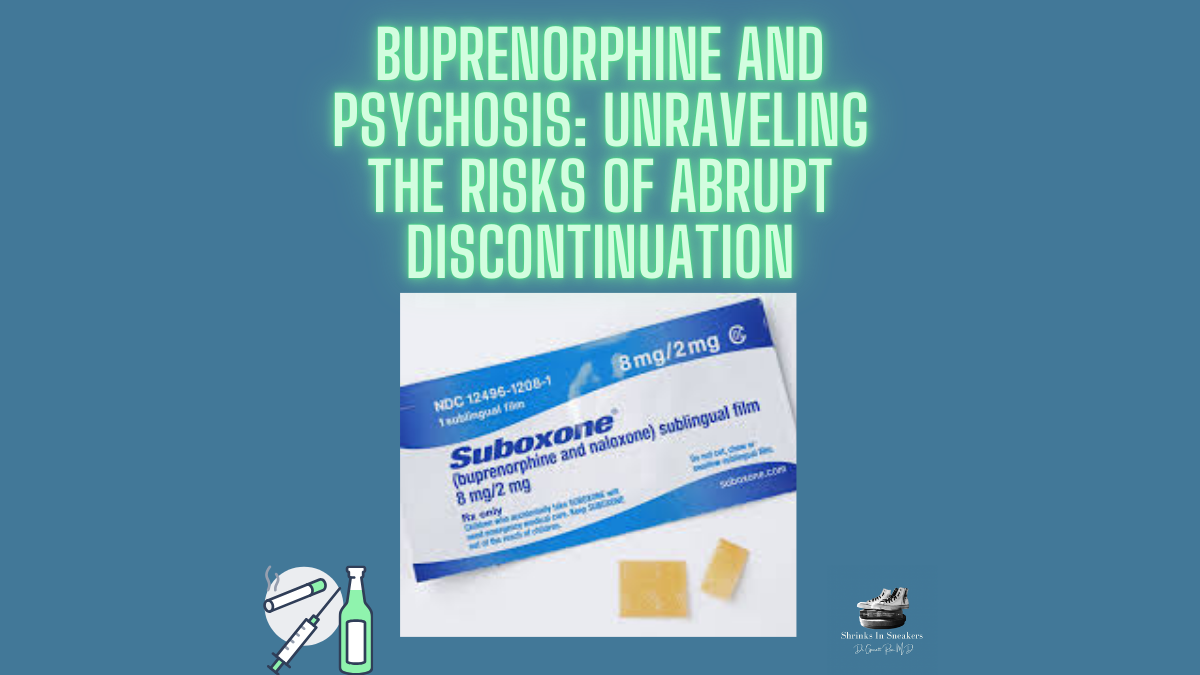
    This post is inspired by a real case from my practice involving a patient with no significant past psychiatric history but a strong history of substance use, including opioids and cocaine. The patient had been on buprenorphine maintenance therapy for several decades, providing stability in their recovery. However, following an abrupt discontinuation of buprenorphine, the patient developed acute psychotic symptoms. This case highlights an uncommon but important phenomenon clinicians should be aware of when managing buprenorphine discontinuation, especially in individuals with a history of substance use.

    Emerging evidence suggests that abrupt discontinuation of buprenorphine may induce psychosis in some individuals, though this appears to be a relatively uncommon occurrence.

    Documented Cases

    • New-onset psychotic symptoms have been reported after sudden cessation of buprenorphine in patients with no prior psychosis.
    • Common symptoms include auditory hallucinationsparanoid ideation, and delusions of reference.
    • Psychotic symptoms typically emerge within days to weeks after discontinuation.

    Potential Mechanisms

    1. Loss of buprenorphine’s antipsychotic effects through kappa-opioid receptor antagonism.
    2. Interaction between neurobiological vulnerabilities and the stress of withdrawal.
    3. Possible unmasking of latent psychotic disorders.

    Risk Factors

    • History of substance use.
    • Early adverse life events.
    • Underlying psychiatric conditions (e.g., bipolar disorder).

    Outcomes and Management

    • Symptoms may resolve in weeks to months, though some cases persist longer.
    • Reintroduction of buprenorphine has led to symptom remission in some cases, suggesting a causal relationship.
    • Gradual tapering of buprenorphine might mitigate this risk, though more research is needed.

    Clinical Implications

    Clinicians should remain vigilant when discontinuing buprenorphine, especially in individuals with risk factors for psychosis. A gradual tapering strategy is recommended to reduce potential risks, though further studies are necessary to guide best practices.

    Understanding this phenomenon highlights the importance of individualized care when managing buprenorphine discontinuation in vulnerable populations.
  • Abrupt Discontinuation of Buprenorphine and Risk of Psychosis: Clinical Considerations

    Abrupt Discontinuation of Buprenorphine and Risk of Psychosis: Clinical Considerations

    This post is inspired by a real case from my practice involving a patient with no significant past psychiatric history but a strong history of substance use, including opioids and cocaine. The patient had been on buprenorphine maintenance therapy for several decades, providing stability in their recovery. However, following an abrupt discontinuation of buprenorphine, the patient developed acute psychotic symptoms. This case highlights an uncommon but important phenomenon clinicians should be aware of when managing buprenorphine discontinuation, especially in individuals with a history of substance use.

    Emerging evidence suggests that abrupt discontinuation of buprenorphine may induce psychosis in some individuals, though this appears to be a relatively uncommon occurrence. Here are the key findings:

    Documented Cases

    • New-onset psychotic symptoms have been reported after sudden cessation of buprenorphine in patients with no prior psychosis.
    • Common symptoms include auditory hallucinationsparanoid ideation, and delusions of reference.
    • Psychotic symptoms typically emerge within days to weeks after discontinuation.

    Potential Mechanisms

    1. Loss of buprenorphine’s antipsychotic effects through kappa-opioid receptor antagonism.
    2. Interaction between neurobiological vulnerabilities and the stress of withdrawal.
    3. Possible unmasking of latent psychotic disorders.

    Risk Factors

    • History of substance use.
    • Early adverse life events.
    • Underlying psychiatric conditions (e.g., bipolar disorder).

    Outcomes and Management

    • Symptoms may resolve in weeks to months, though some cases persist longer.
    • Reintroduction of buprenorphine has led to symptom remission in some cases, suggesting a causal relationship.
    • Gradual tapering of buprenorphine might mitigate this risk, though more research is needed.

    Clinical Implications

    Clinicians should remain vigilant when discontinuing buprenorphine, especially in individuals with risk factors for psychosis. A gradual tapering strategy is recommended to reduce potential risks, though further studies are necessary to guide best practices.

    Understanding this phenomenon highlights the importance of individualized care when managing buprenorphine discontinuation in vulnerable populations.
  • Raising the Bar: Should Buprenorphine Doses Be Higher to Combat Opioid Use Disorder?

    Raising the Bar: Should Buprenorphine Doses Be Higher to Combat Opioid Use Disorder?

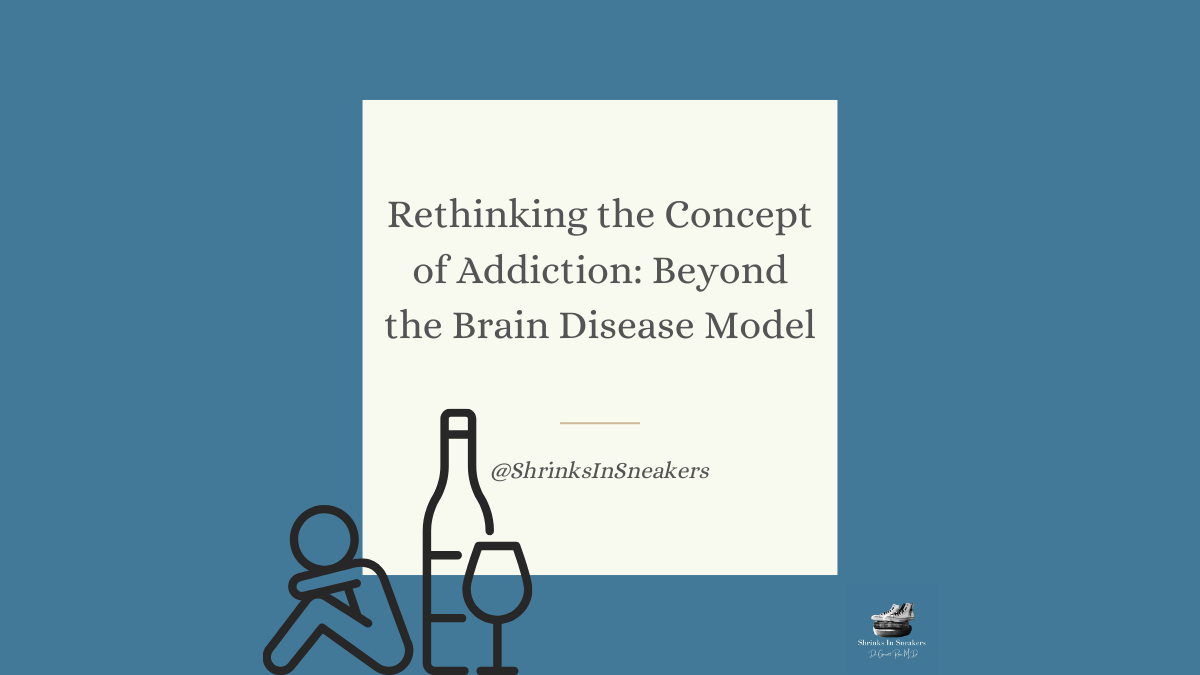
    The study “Association of Daily Doses of Buprenorphine With Urgent Health Care Utilization” explored how different buprenorphine doses affect emergency department (ED) and inpatient service use among individuals with opioid use disorder (OUD).

    1. Higher Doses Associated with Fewer Acute Care Visits: Patients receiving higher doses of buprenorphine (above 16 mg/day) had a longer time to ED or inpatient visits compared to those on lower doses (8-16 mg/day). Those on doses over 24 mg saw a significant reduction in the need for urgent care, particularly related to behavioral health crises.
    2. Implications for Fentanyl Users: The findings are particularly relevant for those using synthetic opioids like fentanyl, which often require higher doses of buprenorphine to manage withdrawal symptoms effectively. These higher doses may reduce acute care needs and improve overall treatment outcomes.
    3. Policy Considerations: The study highlights potential barriers, such as restrictive state laws or insurance limitations, that may prevent patients from accessing higher buprenorphine doses, which could limit effective treatment.

    These results suggest that modifying buprenorphine dosing guidelines could be beneficial, especially as the opioid crisis evolves with the prevalence of fentanyl​

    Link to article: https://jamanetwork.com/journals/jamanetworkopen/fullarticle/2824049

  • Rethinking the Concept of Addiction: Beyond the Brain Disease Model

    Rethinking the Concept of Addiction: Beyond the Brain Disease Model

    When it comes to treating addiction, the prevailing idea is that it’s simply a chronic brain disease. But in reality, few experts fully subscribe to this view in isolation. We understand that not everyone who uses drugs, alcohol, or gambles ends up with a life-destroying addiction. Many individuals manage to engage with substances or behaviors without it overtaking their lives—they maintain jobs, care for their families, and function in society. This suggests that addiction is much more than a biological condition; it’s an intricate interplay of biology, social influences, environmental factors, and personal choices.

    It’s worth pausing to consider what labeling addiction as a chronic disease implies. On one hand, it suggests that even if you strive for change, addiction remains a lingering presence—one that can pull you back into destructive patterns at any moment. This can foster a disheartening and pessimistic outlook, as it positions addiction as an inescapable burden. The concept of a chronic disease also reinforces the idea that ongoing, lifelong treatment is necessary, often with medications like buprenorphine, which may be prescribed for years, or even indefinitely, to prevent relapse.

    While I absolutely recognize the biological underpinnings of addiction and the life-saving role medications like buprenorphine play, we must look beyond just biology to truly understand and address addiction. The motivations behind substance use and the social contexts in which it occurs are equally important. Humanity’s long history of seeking altered states of consciousness suggests that drug use is often a response to emotional pain or difficult circumstances. People frequently use substances as an escape, and understanding these personal and social factors is key to effective treatment.

    At its core, successful addiction therapy must focus on uncovering the reasons behind substance use and helping individuals develop healthier coping strategies. Treatment that focuses solely on the biological side—without considering the psychological and social aspects—often falls short. It’s critical to provide not just medical interventions but also hope and optimism, which are fundamental to any healing process. Addiction may not be a simple choice, but it certainly involves choices, and it emerges from a complex web of circumstances in a person’s life.

    In the end, we should avoid oversimplifying addiction as merely a chronic brain disease. True treatment requires a holistic approach, considering all the elements—biological, social, environmental, and personal—that create the conditions for addiction to thrive. Only then can we offer meaningful, lasting solutions for those struggling with addiction.

    Link to the article:


  • Drug Overdose: The Epidemic Stealing Parents from Their Children

    Drug Overdose: The Epidemic Stealing Parents from Their Children

    After a few years of treating patients with opioid use disorder, it becomes painfully clear how much addiction affects not just the individual but their entire family. I’m always particularly concerned when a parent with severe opioid use disorder comes in for treatment, especially if they have one or more children. We know that relapse is common, and each instance of relapse carries the risk of death due to the potency of modern opioids.

    A recent study explored the heartbreaking question of how many children have lost a parent to an overdose. The findings are staggering: from 2011 to 2021, over 320,000 children lost a parent to an overdose. This loss significantly increases the economic, social, educational, and health burdens on these children, perpetuating a cycle of harm that could affect them for the rest of their lives.

  • Suboxone or Subutex Which is Better for Your Baby?

    Suboxone or Subutex Which is Better for Your Baby?

    I remember being a resident and having the same question about buprenorphine versus the buprenorphine and naloxone combination. Now, we have a clearer answer. The big question was whether prenatal exposure to the combination of buprenorphine and naloxone, compared to buprenorphine alone, increases the risk of adverse neonatal and maternal outcomes. I was always advised by my mentors to use buprenorphine alone in pregnant patients, as it was considered safer, with concerns that naloxone might pose a risk.

    However, an article published in JAMA Psychiatry puts this debate to rest. The study compared perinatal outcomes following prenatal exposure to buprenorphine alone versus the buprenorphine and naloxone combination. The researchers evaluated the risk of congenital malformations, low birth weight, neonatal abstinence syndrome (NAS), neonatal intensive care unit (NICU) admission, preterm birth, and adjusted for confounding factors.

    The findings revealed that when buprenorphine combined with naloxone was compared to buprenorphine alone, there was a lower risk of NAS, NICU admission, and being small for gestational age. The other outcome measures were similar for both groups. These results indicate that the risk is comparable, and in some cases, there are more favorable neonatal and maternal outcomes for pregnancies exposed to the buprenorphine and naloxone combination.

    I can now confidently tell my former mentors that buprenorphine combined with naloxone during pregnancy appears to be a safe and effective treatment option for mothers with opioid use disorder.

    Article Link: https://jamanetwork.com/journals/jama/article-abstract/2822178#:~:text=When%20comparing%20buprenorphine%20combined%20with,30.6%25%20vs%2034.9%25%3B%20weighted