Tag: suicide

  • 🧠 Blog Post: The Dark Mirror—How Screen Time Drains Our Mental Health

    🧠 Blog Post: The Dark Mirror—How Screen Time Drains Our Mental Health

    It’s no secret that screen time affects our mental health—but we still underestimate just how deeply it cuts.

    As a psychiatrist, I find myself glued to my phone far more than I’d like. I’m not scrolling TikTok—I’m answering emails, responding to messages, and compulsively checking patient updates. Yet, even in this “productive” digital use, I feel drained. The compulsion to keep checking leaves me feeling hollow and anxious.

    Now imagine that same digital pull in the hands of a developing mind.

    A recent study in JAMA examined over 4285 adolescents and found a clear link: teens with high levels of addictive digital media use were significantly more likely to report depression, anxiety, and suicidal thoughts.

    The connection isn’t surprising. Much of what’s consumed online isn’t educational or uplifting—it’s filtered perfection, highlight reels, and influencer fantasy. The more time spent scrolling, the easier it is to feel like you’re falling behind in life, socially or emotionally.

    It’s telling that Steve Jobs famously limited his own children’s access to screens, despite pioneering the very technology we now feel chained to.

    This isn’t about demonizing devices—it’s about reclaiming our attention and protecting mental space, especially for young people.

    We need digital hygiene just like we need physical hygiene. That means:

    • Setting screen-time boundaries
    • Promoting offline connection
    • Reframing how we compare ourselves to curated content

    Mental health isn’t just shaped in the therapy room—it’s shaped by the world we scroll through every day.

  • The Importance of Distinguishing Suicidal Behaviors

    The Importance of Distinguishing Suicidal Behaviors

    This is the subject of a recent discussion I had with a colleague regarding the differences between a suicide attempt and a suicide gesture. Though these terms are sometimes used interchangeably in casual conversation or even in clinical documentation, they carry fundamentally different meanings—both in terms of patient risk and in how we, as clinicians, should respond.

    Our conversation emerged from a case involving a patient with borderline personality disorder who presented to the emergency department after ingesting a small quantity of over-the-counter medication. The intent was unclear. Was this a serious attempt to end her life? Or was it a gesture—an act of desperation without the intention to die, but rather to communicate emotional distress?

    The question is not academic. Our interpretation of the event determines our risk formulation, our documentation, our treatment planning, and even how we communicate with the patient and their support system. Yet, it is precisely in these gray areas that clinicians often struggle, and where outdated or stigmatizing language can do real harm.

    Defining the Terms: Clinical and Functional Differences

    suicide attempt refers to an act of self-harm with at least some intent to die. The degree of lethality may vary, but what distinguishes an attempt is that the individual believed the act could result in death and engaged in it with that goal in mind—even if ambivalence was present. The National Institute of Mental Health (NIMH) and the Columbia-Suicide Severity Rating Scale (C-SSRS) define this with some specificity: any potentially self-injurious behavior with non-zerointent to die, regardless of outcome.

    In contrast, a suicidal gesture is a behavior that mimics suicidal behavior or appears life-threatening but is typically not intended to be fatal. The function is often communicative or affect-regulating rather than aimed at death. Classic examples include superficial wrist-cutting, ingesting a sub-lethal dose of medication, or tying a noose but not tightening it. These acts often occur in interpersonal contexts and can be seen as efforts to signal pain, elicit help, or assert control in the face of perceived abandonment.

    Why the Distinction Matters

    It might be tempting to dismiss suicidal gestures as “attention-seeking” or “manipulative,” but this framing is both clinically dangerous and ethically fraught. Individuals who engage in gestures often experience intense psychological suffering, and repeated gestures are a well-established risk factor for future suicide attempts and completed suicide.

    From a risk assessment standpoint, gestures should be taken seriously, especially when they become part of a pattern. While the intent to die may not be present in a given gesture, intent can shift quickly, particularly in individuals with mood disorders, personality pathology, or under the influence of substances.

    From a treatment perspective, understanding the function of the behavior—whether it is to relieve affective tension, to communicate distress, or to punish oneself—is crucial to tailoring interventions. For instance, dialectical behavior therapy (DBT) explicitly targets self-harm and suicidal gestures as part of its hierarchy of treatment priorities, recognizing the urgency and potential danger of these behaviors even when lethality is low.

    Conclusion: Clarify, Don’t Categorize

    Ultimately, the conversation with my colleague reminded me that the real clinical challenge is not to label a behavior as a suicide attempt or a gesture, but to understand its meaning in the life of the patient. Both require empathy, structure, and a willingness to engage with complexity. Whether a patient wants to die or wants their suffering to be seen and acknowledged, both deserve serious clinical attention.

    By sharpening our definitions and approaching these behaviors with nuance, we can better serve patients in crisis and avoid the pitfalls of assumptions—especially in emotionally charged clinical environments like emergency rooms, inpatient units, or high-acuity outpatient settings.
  • Female Physicians at Higher Risk for Suicide: Key Findings

    Female Physicians at Higher Risk for Suicide: Key Findings

    February 26, 2025 study in JAMA Psychiatry reveals alarming trends in physician suicide rates:

    📊 Key Findings

    🔹 Female physicians face a significantly higher suicide risk compared to the general U.S. population.
    🔹 Male physicians have a lower suicide risk than their nonphysician counterparts.

    💡 Why This Matters

    These statistics underscore a deeper systemic issue within healthcare
    ➡️ “Physicians face immense pressure, long hours, and high-stakes decisions, which contribute to burnout and mental health struggles.”

    Failure to address these issues can lead to increased physician turnover, lower quality of care, and worsening healthcare outcomes for patients.

    ✅ What Can Be Done

    ✔️ Reduce stigma around mental health in medical culture.
    ✔️ Implement confidential mental health resources specifically for physicians.
    ✔️ Encourage work-life balance through adjusted schedules and peer support programs.
    ✔️ Offer routine mental health check-ins as part of employee wellness programs.

    📞 Where to Get Help

    🆘 If you or someone you know is struggling, help is available:
    ➡️ Call or text 988 for free, confidential support 24/7.
    ➡️ Visit the Physician Support Line at www.physiciansupportline.com — available 7 days a week with support from licensed psychiatrists.

    💙 It’s time to support those who care for us.

  • 🔍 Suicide & Psychosis: What We Can Learn from Recent Research

    🔍 Suicide & Psychosis: What We Can Learn from Recent Research

    A new study sheds light on suicide risk in patients with psychotic disorders, comparing those with recent-onset schizophrenia or other psychotic disorders to those with longer illness duration. The findings offer critical insights for clinicians and mental health professionals.

    🚨 Key Takeaways:

    📌 Early Illness = Higher Risk: Patients within the first five years of their illness had higher suicide rates, emphasizing the need for intensive early intervention.

    📌 Common Risk Factors: Across both groups, depression, prior suicide attempts, and substance use were major red flags.

    📌 Different Patterns: Those with recent-onset psychosis were more likely to have rapid illness progression, while those with longer illness duration often had chronic distress and social isolation before suicide.

    📌 Missed Opportunities? Many had recent healthcare encounters before suicide, highlighting potential gaps in risk assessment and intervention.

    🛑 What This Means for Us:
    🔹 Early-phase psychosis care should prioritize suicide prevention.
    🔹 Screening for depression, substance use, and prior attempts is essential.
    🔹 More proactive intervention is needed, especially after hospital visits.

    This study reinforces what many frontline clinicians already suspect—suicide prevention in psychosis requires urgent, tailored strategies. How can we improve early detection and support for at-risk patients? Let’s discuss. 👇

  • Breaking Down Barriers: The Impact of Psychotherapy on Suicidal Ideation and Attempts

    Breaking Down Barriers: The Impact of Psychotherapy on Suicidal Ideation and Attempts

    New Insights from JAMA

    This systematic review and meta-analysis dives deep into the impact of both direct and indirect psychotherapy on suicidal ideation and suicide attempts.

    Key takeaways:

    1. Broad Scope: The study analyzed a vast array of data, ensuring a comprehensive overview of psychotherapy’s effectiveness in reducing suicidal thoughts and behaviors.
    2. Direct vs. Indirect Therapy: It highlights the distinct impacts of direct (face-to-face) and indirect (telehealth, self-help) psychotherapeutic approaches.
    3. Hope for Patients: The findings are a beacon of hope, showing significant reductions in suicidal ideation and attempts post-therapy.

    As healthcare providers, this data reinforces the crucial role of psychotherapy in our therapeutic arsenal. It’s a powerful reminder of how our interventions can save lives and offer patients a brighter, more hopeful future.

    For those in psychiatry and mental health care, this is a must-read article that could shape how we approach treatment for individuals at risk.

    Let’s continue to break down barriers and provide life-saving care. 💪✨

    Link to the article: https://jamanetwork.com/journals/jamapsychiatry/article-abstract/2824096

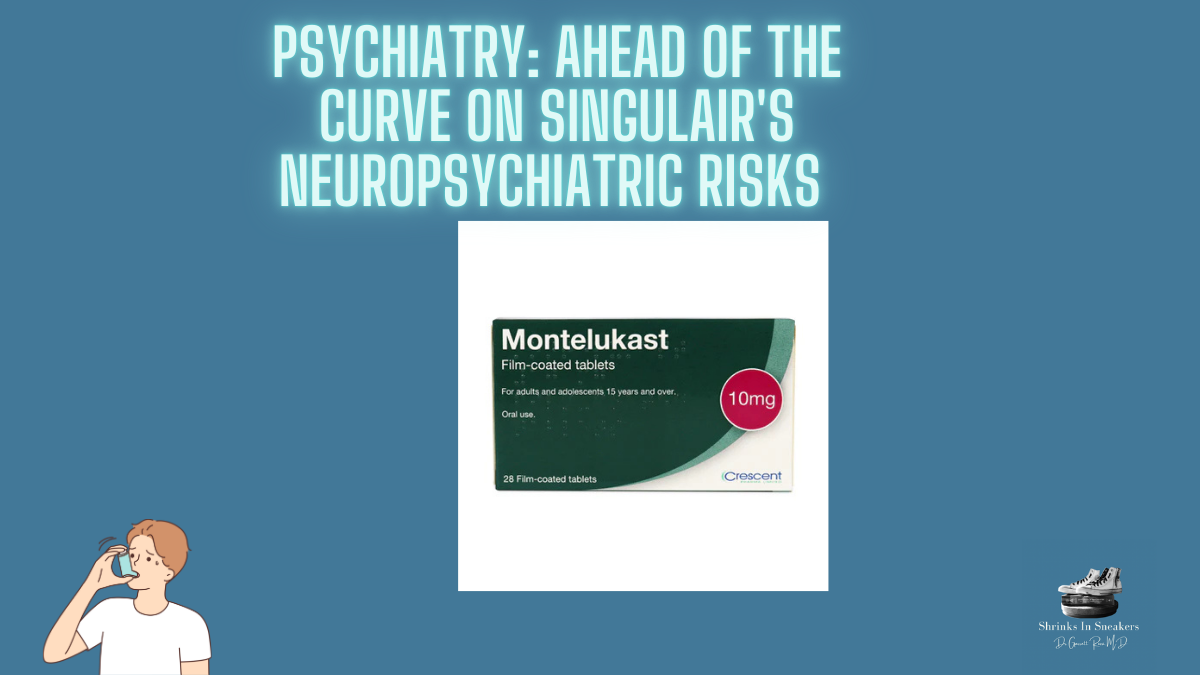
  • Psychiatry: Ahead of the Curve on Singulair’s Neuropsychiatric Risks

    Psychiatry: Ahead of the Curve on Singulair’s Neuropsychiatric Risks

    Psychiatry is often criticized for being “late to the table” when it comes to recognizing the broader impacts of medical treatments. However, in the case of Singulair (montelukast), psychiatry has been aware of its potential neuropsychiatric effects for quite some time.

    Singulair, widely used for asthma and allergic rhinitis, has long been associated with side effects such as mood changes, anxiety, depression, and even suicidality. This connection has been documented for years, yet the broader medical community and regulatory bodies have taken time to fully address these risks.

    Recently, the FDA issued a new warning aimed at heightening awareness of montelukast’s neuropsychiatric side effects. This update emphasizes the importance of assessing the risk-benefit ratio, particularly for patients with mild conditions where alternative treatments may suffice.

    Psychiatry’s Role

    Psychiatrists have long recognized and documented cases where montelukast seemed to exacerbate or trigger psychiatric symptoms. Many of us have seen patients whose mood instability or new-onset anxiety correlated with starting the medication, leading to its discontinuation and subsequent symptom improvement.

    Why This Matters

    This development underscores the value of psychiatry’s vigilance in identifying patterns that might initially go unnoticed in other fields. It’s also a reminder of the importance of collaboration between specialties to ensure patient safety.

    Key Takeaways:

    • Patients and families: Be aware of the potential neuropsychiatric side effects of montelukast. Monitor mood, sleep, and behavior changes closely, especially in children.
    • Clinicians: Always evaluate the necessity of montelukast in mild cases and consider alternatives when possible. Open conversations with patients about these risks can be life-saving.
    • Psychiatrists: Continue advocating for the recognition of neuropsychiatric risks in non-psychiatric medications. Our input is crucial in ensuring patient safety.

    Psychiatry wasn’t late to this table. In fact, we may have set it.

  • The Silent Crisis: Physician Suicide in the United States

    The Silent Crisis: Physician Suicide in the United States

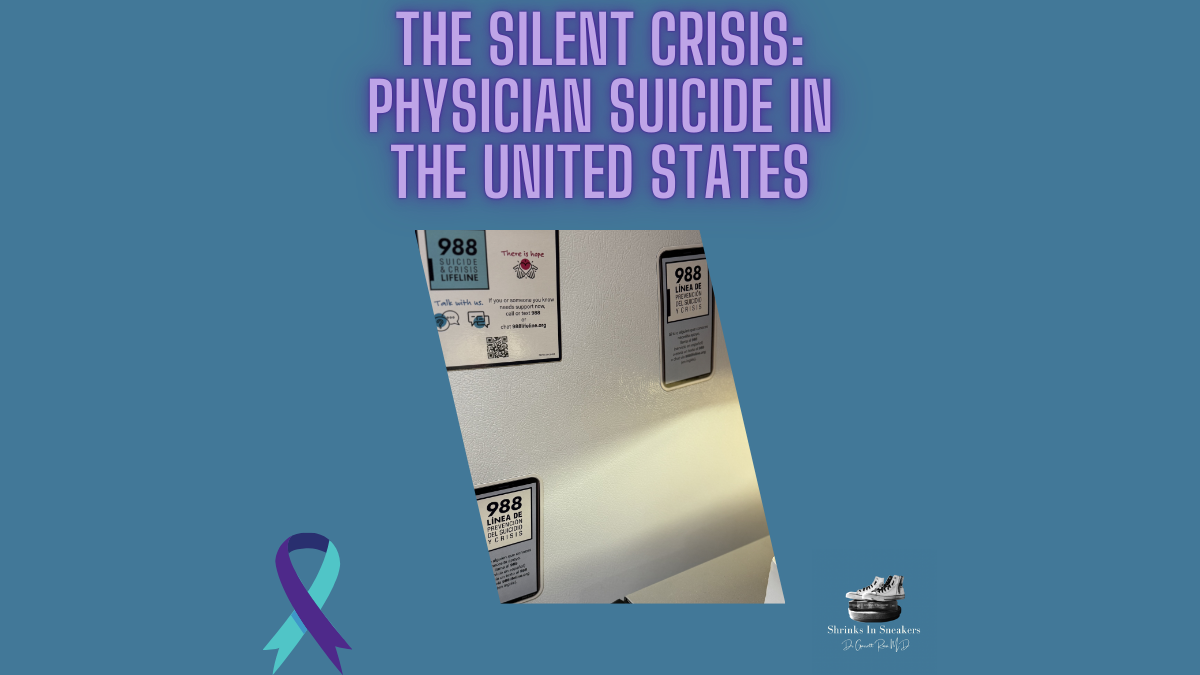
    I saw these magnets today on the refrigerator located in the physicians lounge and it seemed like a good reminder 

    In the U.S., an estimated 300-400 physicians die by suicide each year, a staggering rate far higher than that of the general population. This crisis, largely unspoken in healthcare settings, underscores the immense pressures physicians face daily. The high expectations, long hours, emotional exhaustion, and the stigma around seeking mental health support create a dangerous environment where burnout can quickly spiral into severe mental health struggles.

    Physicians are trained to endure, often putting others’ health before their own. But the costs of “pushing through” take a toll. Many feel they cannot safely reach out for help without risking their careers due to institutional stigma around mental health treatment. This cycle of isolation and suppressed emotion can lead to tragic outcomes.

    Organizations are beginning to address this issue by implementing wellness programs, peer support systems, and confidential mental health resources, but more systemic changes are needed. Reducing the stigma around mental health support, reforming punitive policies, and fostering a culture of openness in medicine could be life-saving.

    Physician suicide affects us all—it robs the healthcare system of dedicated professionals and leaves profound impacts on patients, families, and communities. It’s time to break the silence and actively support those who care for us.

  • Antidepressants and the Black Box Warning: Has Treatment Declined?

    Antidepressants and the Black Box Warning: Has Treatment Declined?

    The FDA’s black box warning on antidepressants highlights an increased risk of suicidal thoughts and behaviors, particularly in children, adolescents, and young adults during the early stages of treatment. However, while this warning raised concerns, it’s essential to understand its context:

    • The Risk: Antidepressants, especially SSRIs, can cause agitation or mood swings during the first few weeks of use, which may increase the risk of suicidal ideation. But studies have shown that untreated depression carries a far greater risk of suicide.
    • Impact on Treatment: Initially, the warning led to a reduction in prescriptions, especially for younger populations. However, there is now growing recognition that avoiding treatment for depression and anxiety can lead to worsened outcomes, including a higher risk of suicide.
    • Guidance: The black box warning does not mean antidepressants are dangerous for everyone. It is a reminder that careful monitoring during the first few weeks of treatment is essential. Psychotherapy combined with medication remains the most effective treatment for many.

    The takeaway: Antidepressants save lives, but starting treatment should always involve open communication between the patient and healthcare provider to manage risks and monitor progress closely.

  • Suicide Pods: A Grim Symptom of Our Global Mental Health Crisis

    Suicide Pods: A Grim Symptom of Our Global Mental Health Crisis

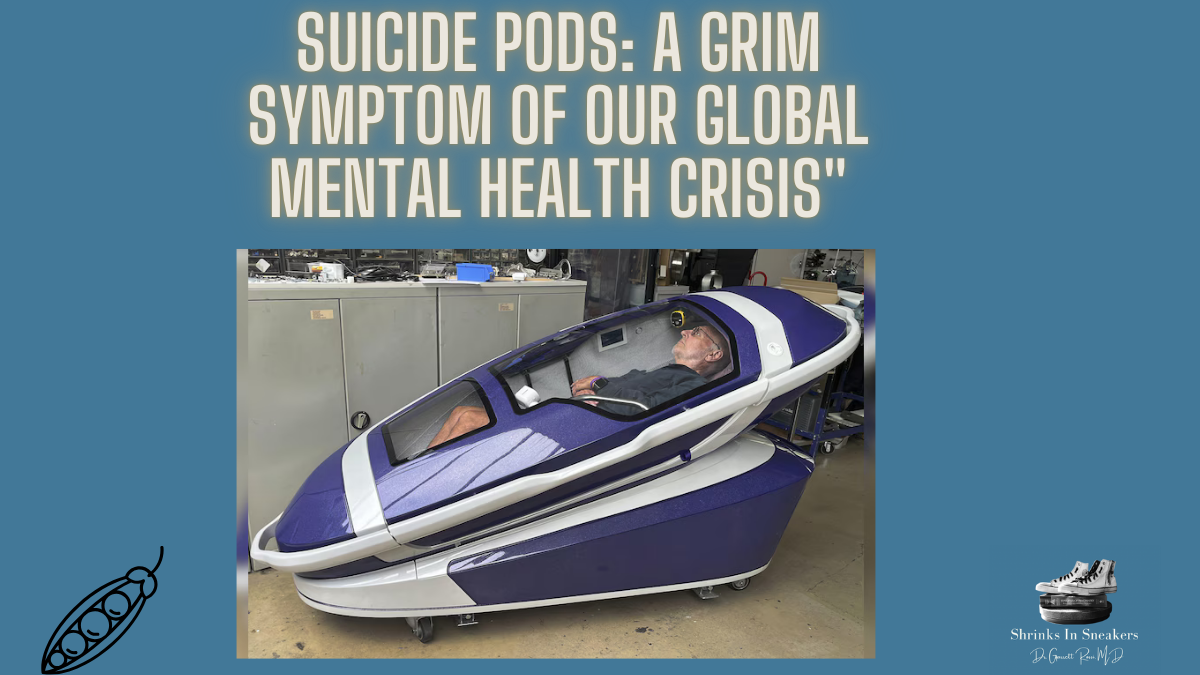
    Several individuals were arrested following the death of a 64-year-old American woman who used a controversial “suicide pod” in Switzerland. The device, known as Sarco, enables individuals to end their lives by releasing nitrogen gas, causing a painless death through oxygen deprivation. The incident occurred in the Schaffhausen canton near the Swiss-German border, supervised by a Swiss assisted suicide organization, The Last Resort

    Authorities detained several people involved, including Florian Willet, the co-president of The Last Resort, a journalist, and others, on charges of inducing and aiding suicide. Although assisted suicide is legal in Switzerland, the use of the Sarco pod has raised questions about its compliance with safety regulations and the legality of nitrogen use in this contex

    If you or a loved one is suffering there is hope:

    Help is available 

    Speak with someone today 

    988 Suicide and Crisis Lifeline

    Languages: English, Spanish

    Hours: Available 24 hours

  • Hidden Dangers: Unveiling the Link Between Medical Conditions and Suicide Risk

    Hidden Dangers: Unveiling the Link Between Medical Conditions and Suicide Risk

    The article “Risk of Suicide Across Medical Conditions and the Role of Prior Mental Disorder” published in JAMA examines the association between various medical conditions and suicide risk, highlighting the influence of pre-existing mental disorders. Key findings include:

    1. Increased Suicide Risk in Certain Medical Conditions: The study identifies a significant rise in suicide risk among patients with specific conditions, such as cancer, chronic pain, neurological disorders, and respiratory diseases. Chronic illness often contributes to emotional distress, exacerbating the risk of suicide.
    2. Impact of Mental Health History: Individuals with a prior mental disorder are at an even higher risk of suicide when diagnosed with a medical condition. The presence of a mental disorder can amplify feelings of hopelessness, increasing vulnerability.
    3. Interconnected Nature of Physical and Mental Health: The research emphasizes the need for integrated care that addresses both the physical and psychological aspects of health, particularly for individuals with complex medical histories.

    The article advocates for more robust screening for suicidal ideation in patients with both medical and mental health conditions and suggests collaborative treatment approaches to reduce suicide risk.

    Link to article: https://jamanetwork.com/journals/jamapsychiatry/article-abstract/2822967