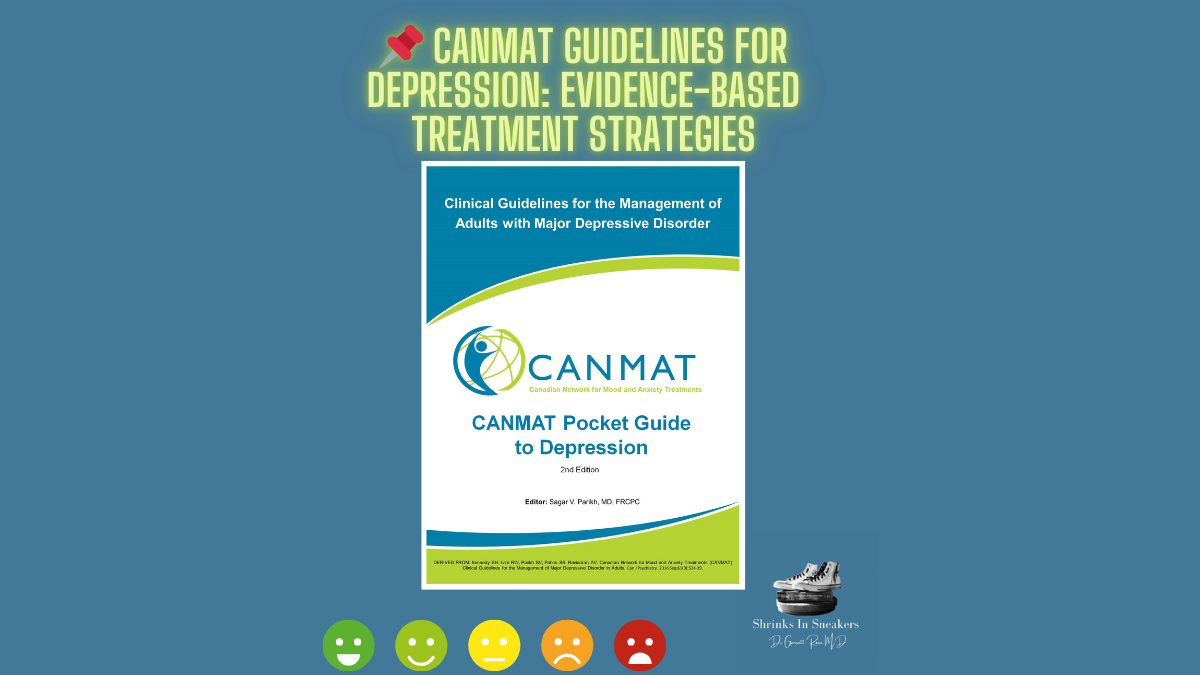
The CANMAT 2016 guidelines remain one of the most comprehensive, evidence-based frameworks for treating major depressive disorder (MDD). These guidelines emphasize a stepwise, individualized approach based on efficacy, safety, and patient preference. Here’s a breakdown of the key recommendations:
🔹 First-Line Treatments
✅ Psychotherapy – Cognitive Behavioral Therapy (CBT), Interpersonal Therapy (IPT), and Mindfulness-Based CBT are recommended, especially for mild to moderate depression. ✅ Pharmacotherapy – SSRIs, SNRIs, bupropion, mirtazapine, and vortioxetine are all first-line antidepressantsbased on efficacy and tolerability. ✅ Neurostimulation – Electroconvulsive Therapy (ECT) and Repetitive Transcranial Magnetic Stimulation (rTMS) are considered first-line for severe or treatment-resistant depression (TRD).
🔹 Second-Line Treatments
🔸 Other antidepressants – Tricyclics (TCAs), trazodone, moclobemide, and some atypical antipsychotics (e.g., quetiapine XR, aripiprazole, brexpiprazole) 🔸 Adjunctive strategies – Lithium, atypical antipsychotics, or combination antidepressant therapy for partial responders 🔸 Ketamine/esketamine – Emerging evidence for TRD
🔹 Third-Line & Beyond
🔹 MAOIs (reserved for treatment-resistant cases) 🔹 Novel agents (psilocybin, anti-inflammatory treatments) – Experimental but promising
💡 Key Takeaways 🔹 Personalized treatment is essential – factors like symptom profile, comorbidities, and patient preference influence the best approach. 🔹 Combination strategies (meds + psychotherapy) often yield superior outcomes. 🔹 Treatment-resistant depression requires a multimodal approach, including augmentation, switching strategies, and neurostimulation options.
The CANMAT guidelines are a critical resource for clinicians, offering a structured approach to optimizing depression treatment. What are your go-to strategies for managing MDD? Let’s discuss!
A recent population-based cohort study examining cause-specific mortality in treatment-resistant major depression (TRD) revealed significant findings about the increased risks faced by those with TRD. The study, which analyzed data from over 176,000 Finnish patients diagnosed with major depressive disorder (MDD), found that approximately 11% of these patients developed TRD, meaning they did not respond to at least two adequate treatment trials.
Key findings include that patient’s with TRD had a 17% higher overall mortality rate compared to non-TRD patients. The study highlights that much of this elevated mortality stems from external causes, with TRD patients facing nearly double the risk of suicide and a 27% higher chance of accidental death. Factors like male gender, psychotic depression, and rapid failure of initial treatments were linked to higher mortality risks.
These findings highlight the importance of early intervention and aggressive treatment strategies for those diagnosed with TRD. The study suggests that clinicians should monitor patients closely and consider alternative therapeutic interventions, such as electroconvulsive therapy (ECT) or transcranial magnetic stimulation (TMS), when conventional treatments fail
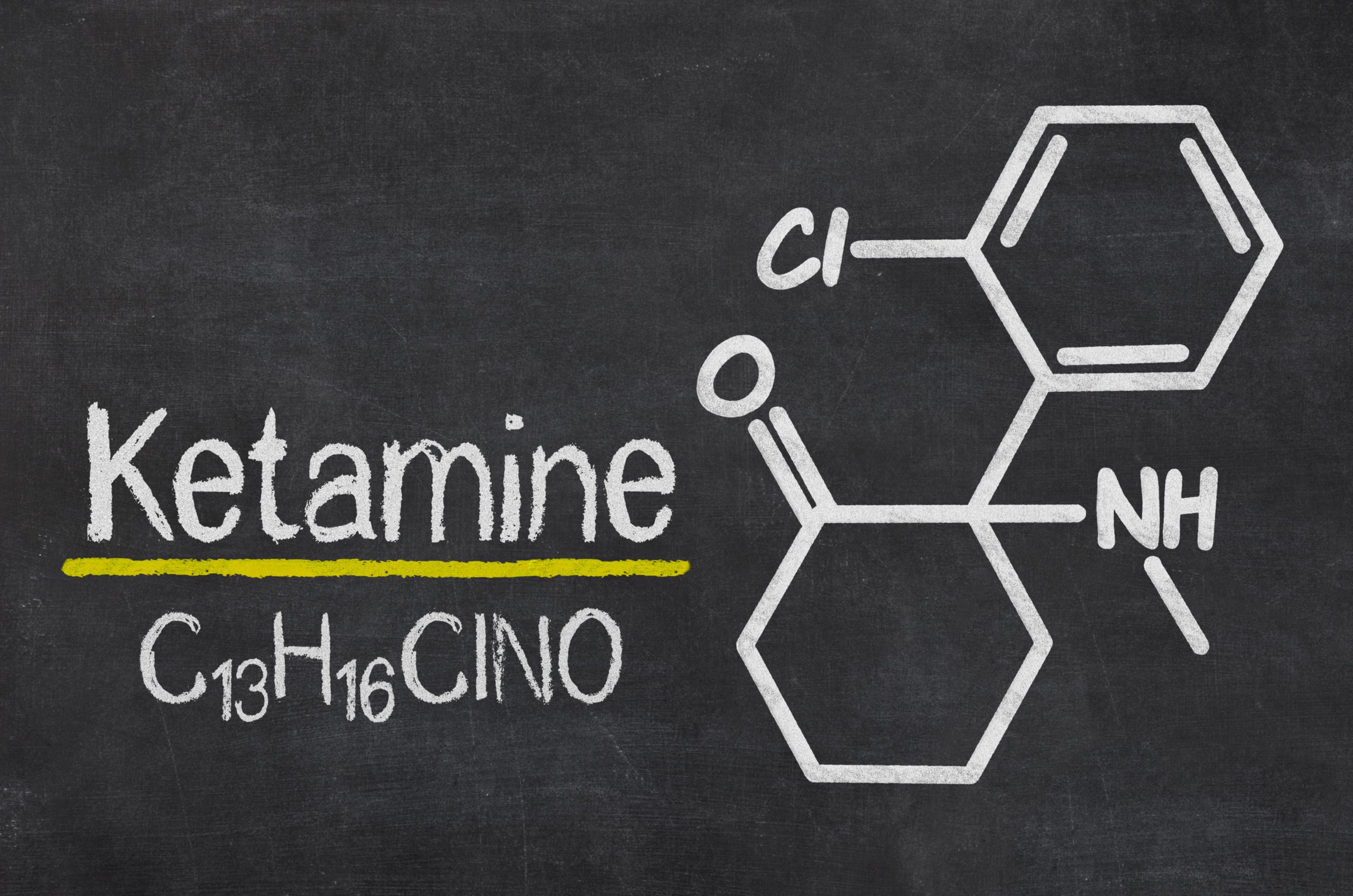
It’s crucial to understand that ketamine is not a cure for depression. Many individuals experience a relapse, often within 2 to 4 weeks after finishing the initial treatment. If you’re expecting ketamine to fully resolve your depression, this could lead to disappointment and potentially harmful consequences.
Psychiatry’s fascination with ketamine continues, despite growing evidence that it may not be the miracle treatment some once hoped for. It’s clear that ketamine is not disease-modifying, meaning patients treated for depression with ketamine can still experience relapses. Even more concerning is that ketamine’s effects are short-lived, with the average time to relapse being just 2-4 weeks.
This brings us to recent studies on oral extended-release ketamine for treatment-resistant depression (TRD). In a proof-of-concept study, twice-weekly dosing of extended-release ketamine showed statistically significant and clinically meaningful improvements in depressive symptoms. The treatment was generally well-tolerated, with a side effect profile that included reduced dissociation and sedation, though there were increases in blood pressure. Having a tablet form of ketamine could make the treatment more accessible, but it also raises concerns about potential abuse and diversion.
In my view, this is another symptom management tool for patients with TRD. However, the challenge remains that patients will likely need to continue ketamine treatment long-term without a clear dosing regimen. Nonetheless, the results were promising enough to lead to a phase-3 trial using 180 mg doses twice daily.
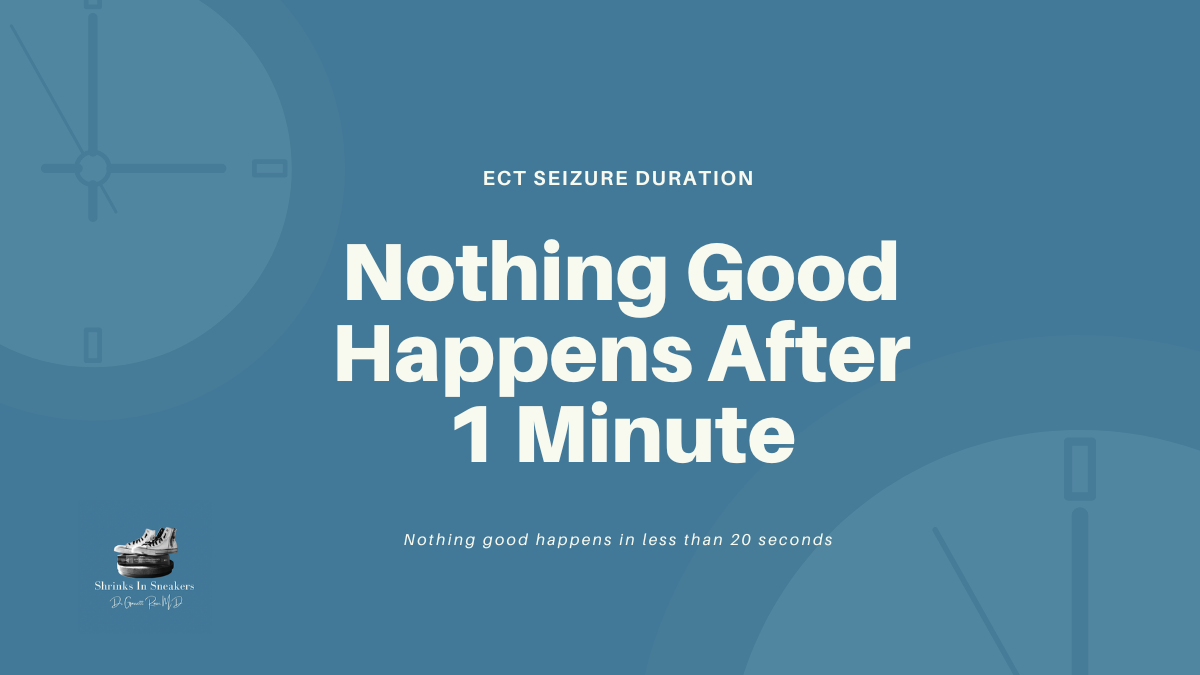
In ECT, there’s a common saying that “nothing good happens after 1 minute.” However, recent data suggests that nothing good happens if a seizure lasts less than 20 seconds either. Patients whose seizures lasted 30 seconds or longer during their first ECT session were more than twice as likely to achieve remission by the end of treatment compared to those with seizures under 20 seconds. Seizure durations around one minute appeared to provide the best chances for remission.
Everyone told me not to comment on this situation a few months ago and here we are:
Recent developments in the case of Matthew Perry’s death have taken a serious turn as two doctors have been charged with the illegal distribution of ketamine. The charges allege that these physicians were involved in prescribing the powerful anesthetic, known for its potential misuse as a recreational drug, outside the bounds of medical necessity.
This case has raised significant concerns about the role of medical professionals in the broader issue of prescription drug abuse. Ketamine, while valuable in certain psychiatric contexts such as treatment resistant depression, carries a high risk of abuse and dependence, making its distribution tightly regulated.
The charges against Perry’s doctors highlight the ongoing challenges in ensuring that powerful medications are prescribed responsibly and underscore the need for stricter oversight in the medical community. The legal proceedings will likely shed more light on the extent of the alleged misconduct and its impact on Perry and others.
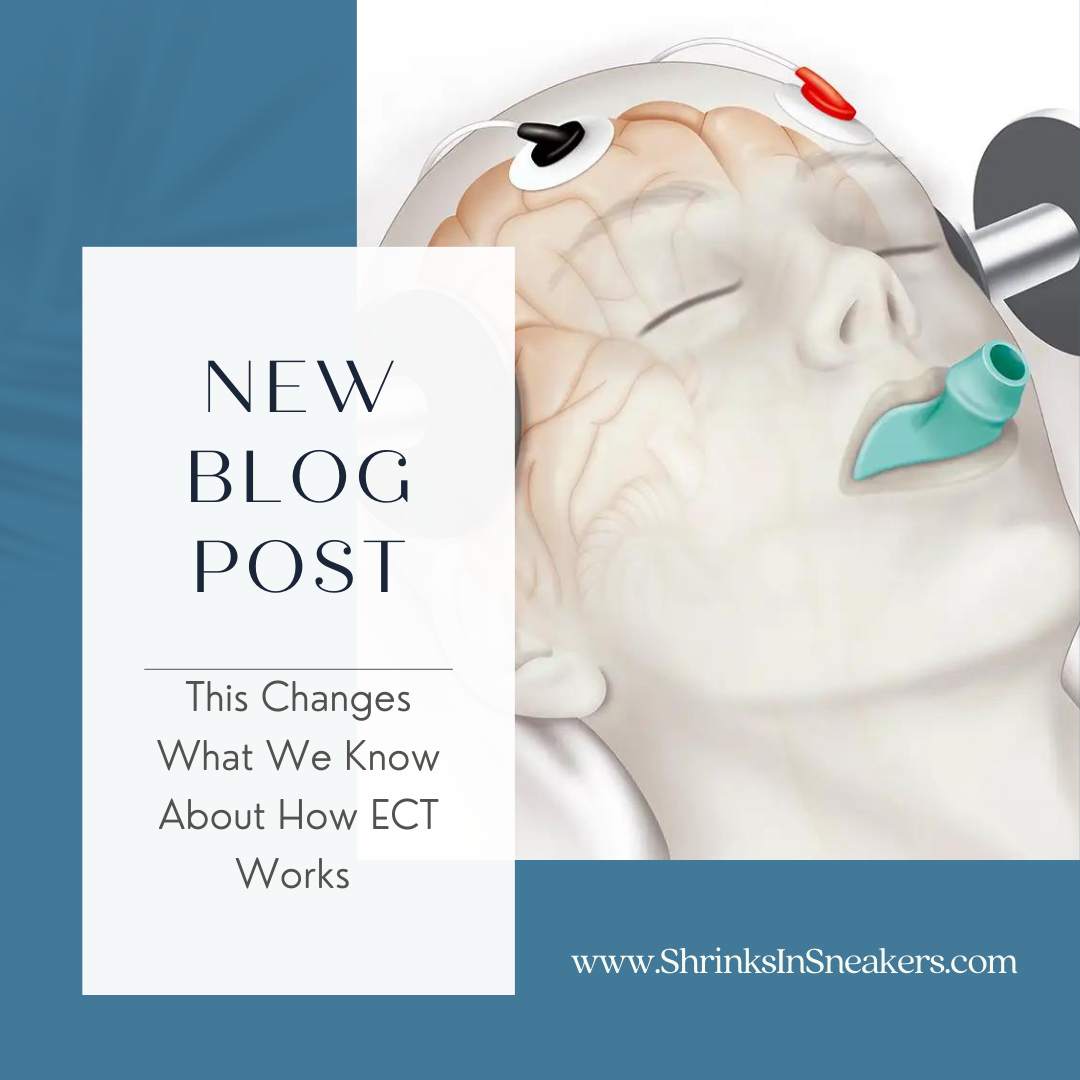
I’ve had tremendous success with Electroconvulsive Therapy (ECT) in treating resistant depression (TRD). I’ve witnessed remarkable turnarounds, where individuals on the brink of despair have found new joy in life. Such rapid improvements are often not seen with medication alone.
Until now, there have been various theories about how ECT works in treating depression. I’ve always viewed it as a combination of increased neuroplasticity, which allows new, more adaptive connections to form quickly, and a boost in all major monoamine neurotransmitters.
However, new research published in Translational Psychiatry suggests that aperiodic brain activity might be key to the improvements we see with ECT. There’s a significant increase in this type of brain activity after patients undergo ECT, which enhances inhibitory activity in the brain, effectively “pumping the brakes” and alleviating depressive symptoms.
Unfortunately, ECT remains one of the most stigmatized and underutilized treatments in psychiatry. It’s estimated that less than 1% of those with treatment-resistant depression (TRD) receive ECT—a disheartening statistic that contributes to depression’s status as a leading cause of disability.
For patients where medications have repeatedly failed, ECT can be a life-saving treatment. There are many compelling stories of lives transformed by ECT, but the public rarely hears them. We need to create more opportunities to share these powerful success stories.
Stage 1: more than one adequate trial of 1 major class of antidepressants
Stage 2: Failure of more than 2 adequate trials of two different classes of antidepressants
Stage 3: stage 2 + TCA
Stage 4: Stage 3 + MAOI
Stage 5: Stage 4 + bilateral ECT
With every medication or neuromodulation procedure used that doesn’t work, the more treatment resistant the depression becomes.
Antidepressant Response Rates
Frist Medication Trial: 50% respond and 37% have remission
Second Medication Trial: Another 29% respond and 31% have remission
Third Medication Trial: 17% respond and 14% have remission
Fourth Medication Trial: 16% respond and 13% have remission
The overall cumulative remission rates are 67%, keeping in mind that people who progressed through more treatment stages had higher relapse rates and more residual symptoms including anhedonia, emotional blunting, and lack of motivation.
If someone is having a poor response to medication, what do you do?
We know that bipolar disorder is missed in a significant number of patients who present with depression about one in five will be misdiagnosed. We also know that antidepressants can be mood destabilizing in bipolar illness resulting in mixed features and rapid cycling. Other things that can interfere with response include substance use disorder, personality traits, and PTSD.
Medical Comorbidities that can interfere with antidepressant response include hypothyroidism, Cushing disease, Parkinson’s disease, cancer, vitamin/nutritional deficiencies, and viral infections
Psychosocial factors that contribute to treatment resistance
-Female sex
-Older Age
-Single Unmarried (happiness studies indicate that good relationships are very important)
-Unemployment
Symptoms that make TRD more Likely
-Recurrent episodes usually 3 or more
-Severe depression and inpatient admission
-Anxiety, Insomnia, or Migraine
When Your First Choice Fails
There are several approaches
-Switch antidepressant classes
-Combine antidepressants
-Add a dopamine blocking medication
-Add L-methylfolate
-Add Psychotherapy
-Start Neuromodulation
What’s the most effective strategy
Hands down the most effective thing to do if a patient has a poor response to the initial antidepressant treatment is to add a dopamine blocking medication. Response and remission rates are much higher, but it comes at the price of increased side effect potential.
What are the most used Dopamine Blockers in Antidepressant Augmentation
-Quetiapine
-Olanzapine
-Risperidone
-Aripiprazole
-Ziprasidone
Older patients 65 years and older respond better to aripiprazole augmentation than switch to bupropion, or combination with bupropion.
Brexpiprazole: 1-3 mg/day Adjunctive for Depression
Most Common Concerns patients have about being on dopamine Blocking Medication
-Weight gain 60% of people report this concern
-Metabolic side effects
-EPS
-Sedation
-Akathisia
-Prolactin-related Effects
Anti-Inflammatory Medications
For those with elevated inflammatory biomarkers specifically c-reactive protein there is some emerging evidence that these treatments work.
-Medications like Celecoxib, Omega-3 fatty acids, statin drugs and minocycline
-Weight loss
-Effect Size: 0.55
-Higher response and remission rates
-May only work in those with high inflammatory biomarkers
Glutamate Modulators
-Ketamine Infusions and Esketamine: both work and a reasonable option if TRD
-There are several medications in development
Psychotherapy in TRD
Unfortunately, what we find with TRD is psychotherapy does not prevent TRD, it doesn’t mean there is no benefit it just means future episodes will not be prevented by psychotherapy. On its own, psychotherapy may not be as helpful as we would like in TRD but when combined with medication it does help. That tells us about the importance of evaluating severity of depressive episode.
When Someone does not experience remission from major depression, we need to ask ourselves why, and come up with new solutions. This discussion will focus on the treatment of these individuals by first explaining what symptoms predict poor response to treatment and what symptoms of major depression result in the most psychosocial dysfunction.
What Causes Functional Impairment in Major Depression
From the STAR*D study we know that only 50% of patients respond to the first antidepressant treatment and only 33% achieve remission. An important question is why, or more specifically what factors result in poor outcomes.
Contrary to popular belief the medications we use to treat depression work well for some neurovegetative symptoms. Symptoms such as sleep, and appetite improve but the most debilitating symptoms often remain. Consistently Anhedonia and concentration are rated by patients with depression as the most debilitating. These cognitive symptoms such as trouble concentrating, difficulty planning, and poor attention lead to dysfunction at home and work.
Cognitive Symptoms Impair Work Performance
We all need to work to live, and depression is a leading cause of disability and poor work performance worldwide. What we know is that subjective measures of cognitive dysfunction are a better predictor of workplace performance than total depression severity. Someone with more severe overall depression scores may perform better at work than someone with perceived cognitive dysfunction from depression. This is one possible reason for a lack of improvement as many treatments do not address cognitive symptoms.
Anhedonia makes everything Worse
Possibly the most debilitating symptom of depression is anhedonia. Anhedonia is defined as loss of interest in previously pleasurable activities. A strong predictor of poor antidepressant outcome is the loss of interest. Making anhedonia a primary target of treatment would be wise if we want to improve outcomes in depression.
We have additional evidence that indicates how important anhedonia is for psychosocial function. Functional improvement is strongly associated with improvement in anhedonia. The improvement in anhedonia had a larger effect on psychosocial function than overall symptomatic response.
Emotional Blunting Effects on Treatment Outcomes
While people do not want to be depressed, they also do not want to be emotionally dull. Unfortunately, we know that emotional blunting is reported in nearly half of all depressed patients on antidepressants. This appears to be common to all monoamine antidepressants with bupropion having the lowest reported risk. Emotional blunting cannot be totally accounted for as just a side effect of treatment, it’s also a symptom of depression. However, the point remains the same emotional blunting results in poorer quality of remission.
Doctors Are Too Medically Oriented
The world of psychiatry is very different from other medical specialties. Psychiatry is really art based in science and if you try to approach mental health treatment from a strictly scientific basis you will never help anyone. When patients and physicians are asked to rank the symptoms of depression, they believe are most important, the lists do not match up.
Patients focus on restoration of positive affect by ranking things such as meaning and purpose in life, enjoyment in life, satisfaction with oneself as the top three most important things to address in depression. Clearly what should stand out to you here is that medication is unlikely to improve any of these factors.
Doctors rank depressed mood, hopelessness, and anhedonia as their top three symptoms to address. These symptoms are far better addressed by medication than the ones listed by patients although you could argue that hopelessness and anhedonia are difficult to treat with medication.
The effect of Loneliness on Health Outcomes
I’ve talked about this before and it continues to be a major concern in our modern world. We are the most connected we have ever been as a society with the advent of social media and the internet, yet no one feels connected. This is an existential crisis for all of us and I haven’t heard many good solutions. Time and time again we go back to the same things such as the internet and social media to feel connected and they continue to let us down. Not only is this emotionally taxing, but it’s also effecting our physical health as well. Here is yet another example of something that is very important for depression treatment outcomes that medication cannot fix.
Conclusion
What does this all mean? Should we stop attempting to use medication for the symptoms of depression? For me these findings indicate we need to screen more carefully for these specific symptoms that result in poor outcomes. We need to improve our psychosocial treatments to help people address ways to enhancing meaning and purpose in their lives. We need to recognize the limitations of medications. Medications have a place and do address some of the symptoms associated with depression, they just aren’t the ones patients believe are most important in their lives.