Have you ever had one of those weeks where every patient you see could greatly benefit from psychotherapy, but finding them a therapist seems impossible? There are many barriers to accessing mental health care, including inadequate or nonexistent insurance coverage and a shortage of therapists trained in specific types of therapy. For instance, I’m always on the lookout for specialists in dialectical behavior therapy (DBT), but finding even one has been a struggle. Recently, I’ve seen many patients who would benefit far more from psychotherapy than from medication, yet I haven’t been able to connect them with the quality therapy they need. We talk a lot about helping people, but I’m not seeing the commitment to providing effective treatment for our most vulnerable patients.
Author: Dr. G
-

Is Self-Injurious Behavior The Same Everywhere?
Non-suicidal self-injury (NSSI) is generally believed to be more prevalent among females, but there is limited research exploring the sex and geographic-specific factors influencing its prevalence among adolescents. This meta-analysis, which reviewed 38 studies, found that NSSI is twice as common in female teenagers compared to males in North America, though this pattern is not observed in Asia. This raises an important question: what factors are driving such significant distress in young women? Mood disorders, body image issues, and anxiety are all recognized as contributing factors that increase the likelihood of NSSI. We are lucky to have some treatments that help with NSSI including dialectical behavioral therapy (DBT). If you or someone you know is struggling with NSSI please reach out for help.
Link to the Article:
https://jamanetwork.com/journals/jamanetworkopen/fullarticle/2820026
-
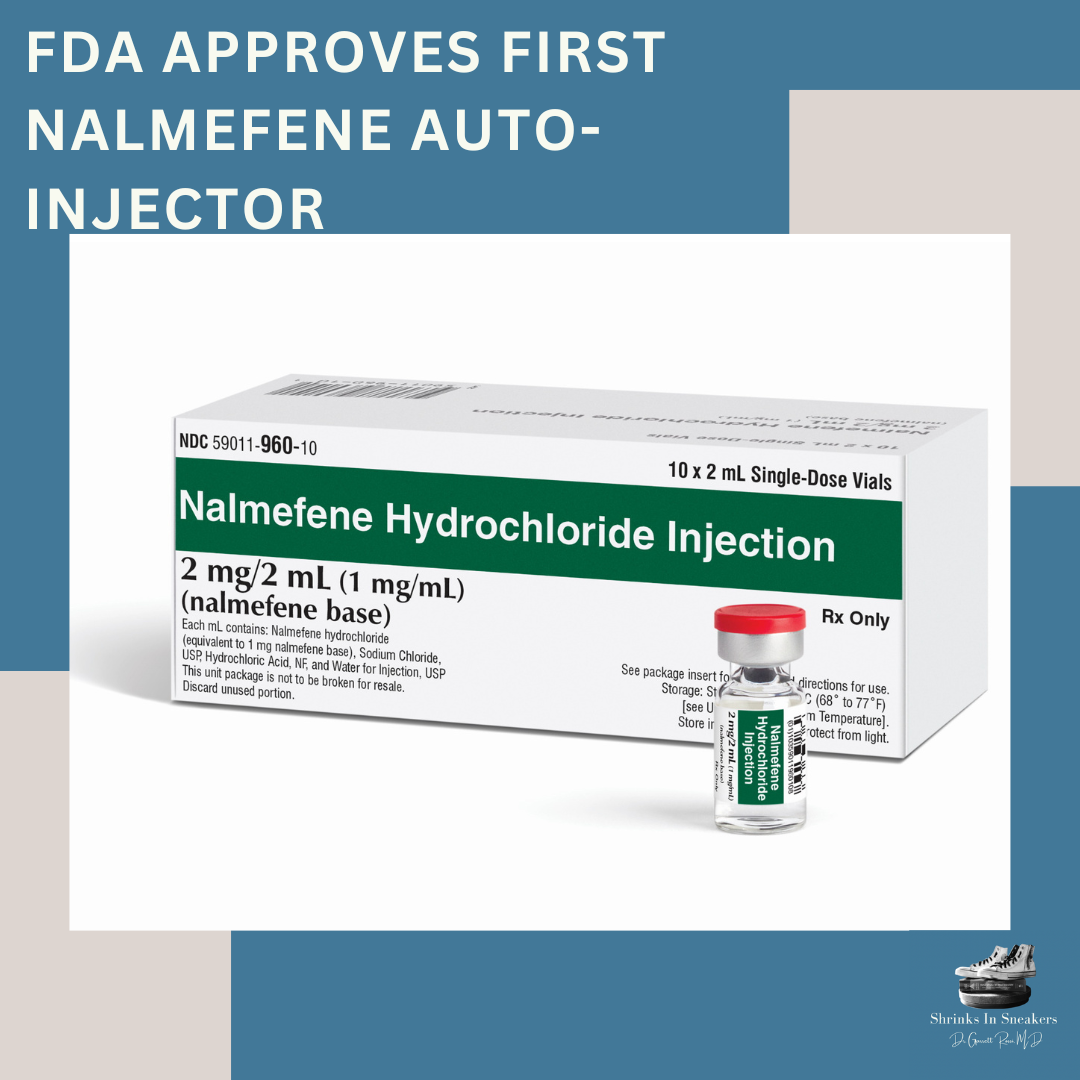
FDA Approves the first nalmefene auto-injector for Opioid Overdose
The FDA has just approved the first nalmefene auto-injector, a significant development in the fight against opioid overdoses. Nalmefene is an opioid antagonist, like naloxone, but with a longer duration of action. This new auto-injector is designed for easy use by non-medical personnel, making it accessible in emergency situations where time is critical.
The approval of this device reflects the ongoing need for effective tools to combat the opioid overdose, providing another layer of protection for individuals at risk of overdose. With its extended action, the nalmefene auto-injector offers a prolonged response compared to existing naloxone, especially in situations where multiple doses of naloxone might be required.
This innovation will play a crucial role in reducing overdose fatalities, offering hope to communities impacted by the opioid epidemic. As it becomes available, it is expected to be a vital addition to public health strategies aimed at saving lives.
-
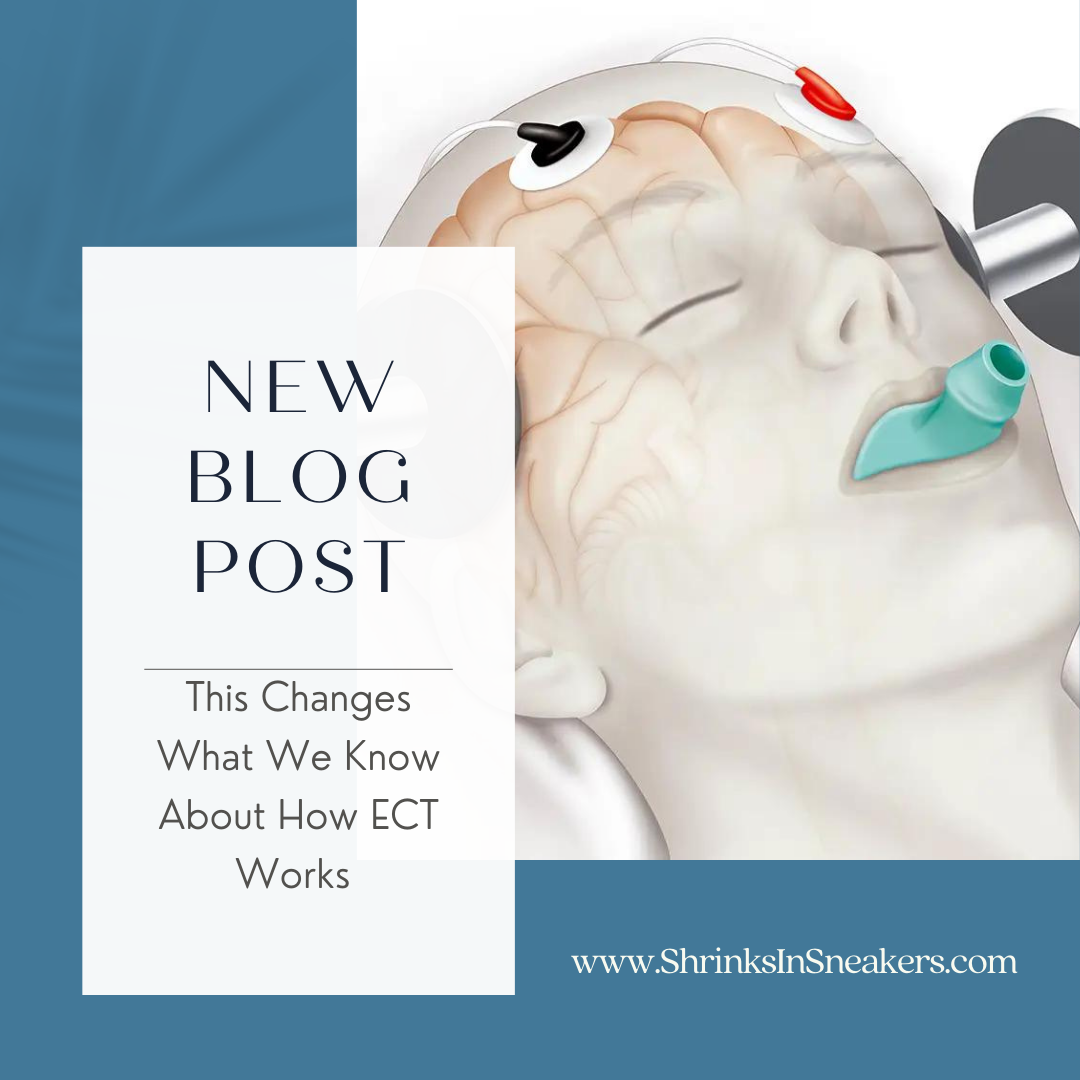
This Changes What We Know About How ECT Works
I’ve had tremendous success with Electroconvulsive Therapy (ECT) in treating resistant depression (TRD). I’ve witnessed remarkable turnarounds, where individuals on the brink of despair have found new joy in life. Such rapid improvements are often not seen with medication alone.
Until now, there have been various theories about how ECT works in treating depression. I’ve always viewed it as a combination of increased neuroplasticity, which allows new, more adaptive connections to form quickly, and a boost in all major monoamine neurotransmitters.
However, new research published in Translational Psychiatry suggests that aperiodic brain activity might be key to the improvements we see with ECT. There’s a significant increase in this type of brain activity after patients undergo ECT, which enhances inhibitory activity in the brain, effectively “pumping the brakes” and alleviating depressive symptoms.
Unfortunately, ECT remains one of the most stigmatized and underutilized treatments in psychiatry. It’s estimated that less than 1% of those with treatment-resistant depression (TRD) receive ECT—a disheartening statistic that contributes to depression’s status as a leading cause of disability.
For patients where medications have repeatedly failed, ECT can be a life-saving treatment. There are many compelling stories of lives transformed by ECT, but the public rarely hears them. We need to create more opportunities to share these powerful success stories.
-
The Dangers of Marijuana Use While Driving
I recently had an opportunity to review an article for The Carlat Addiction Psychiatry Report on the topic of cannabis use and driving. I wanted to further evaluate the risk of cannabis use while operating a motor vehicle.
Driving under the influence of any substance, including marijuana, poses significant risks to the driver, passengers, and others on the road. Despite its increasing legalization and acceptance for both medicinal and recreational use, marijuana remains a potent drug with effects that can impair driving abilities.
Marijuana use and driving don’t mix:
Impairment of Motor Skills and Reaction Time
Slowed Reaction Time: Marijuana affects the central nervous system, leading to slower reflexes and reaction times. This delay can be crucial in driving situations that require quick decision-making, such as avoiding sudden obstacles or responding to traffic signals.
Impaired Motor Coordination: THC, the active ingredient in marijuana, can impair fine motor skills and coordination. This makes tasks such as steering, braking, and maintaining lane position more challenging.
Cognitive Impairments
Altered Perception of Time and Distance: Marijuana use can distort a driver’s perception of time and distance, making it difficult to judge speed and the proximity of other vehicles or pedestrians.
Difficulty Concentrating: Staying focused on the road becomes harder under the influence of marijuana. Distractions can increase, and the ability to track multiple moving objects is diminished.
Increased Risk of Accidents
- Higher Accident Rates: Studies have shown that drivers who use marijuana are more likely to be involved in motor vehicle accidents compared to sober drivers. The risk is particularly high within the first few hours after consumption.
- Combining Substances: The dangers are amplified when marijuana is used in combination with other substances, such as alcohol. The combined effects can drastically increase the likelihood of a crash.
Legal and Social Consequences
DUI Charges: Driving under the influence of marijuana is illegal and can result in DUI charges, fines, license suspension, and even imprisonment.
Insurance Implications: Being involved in an accident while under the influence can lead to increased insurance premiums or denial of coverage.
Personal and Public Safety
- Endangering Lives: Driving under the influence of marijuana not only endangers the driver’s life but also the lives of passengers, pedestrians, and other road users.
- Public Health Impact: The broader societal impact includes the strain on emergency services, healthcare systems, and the economic costs associated with accidents and injuries.
Conclusion
The bottom line is clear: marijuana use and driving do not mix. The impairments caused by marijuana significantly increase the risk of accidents and the potential for harm. Responsible use of marijuana means understanding its effects and making informed decisions to ensure personal and public safety. If you’ve used marijuana, it’s crucial to wait until its effects have fully worn off before getting behind the wheel.
-
The Vital Role of Education in Shaping the Future of Psychiatry
The future of mental health care hinges on the education and training of the next generation of psychiatrists. As we face an ever-growing array of mental health challenges, it is imperative that we equip upcoming professionals with the knowledge, skills, and empathy necessary to make a profound impact on the lives of their patients.
The Evolving Landscape of Psychiatry
Psychiatry is a dynamic field, continually evolving as new research, treatments, and technologies emerge. From advancements in psychopharmacology to the integration of telepsychiatry, the landscape of mental health care is rapidly changing. To stay at the forefront of these developments, future psychiatrists must receive comprehensive and up-to-date education.
Comprehensive Training Programs
Effective training programs are essential to prepare future psychiatrists for the complexities of the field. These programs should encompass a wide range of topics, including neurobiology, psychopharmacology, psychotherapy, and cultural competence. By providing a well-rounded education, we can ensure that new psychiatrists are equipped to address diverse patient needs and offer holistic care.
Emphasis on Empathy and Communication
While technical knowledge is crucial, the human element of psychiatry cannot be overstated. Empathy, active listening, and effective communication are foundational skills that every psychiatrist must possess. Training programs must emphasize the importance of building strong therapeutic relationships, fostering trust, and understanding the unique experiences of each patient.
Encouraging Research and Innovation
The field of psychiatry thrives on innovation and research. Encouraging young psychiatrists to engage in research not only advances our understanding of mental health but also fosters a culture of curiosity and continuous learning. By supporting research initiatives and providing opportunities for scholarly exploration, we can inspire the next generation to push the boundaries of what is possible in mental health care.
Addressing Stigma and Promoting Mental Health Awareness
Education plays a critical role in combating the stigma associated with mental illness. By instilling a deep understanding of the social, cultural, and psychological factors that contribute to stigma, we can empower future psychiatrists to advocate for their patients and promote mental health awareness. This advocacy extends beyond the clinical setting, influencing public policy, community outreach, and broader societal attitudes.
Integrating Technology and Telepsychiatry
The COVID-19 pandemic has underscored the importance of telepsychiatry and digital health solutions. Training the next generation of psychiatrists to effectively utilize technology can expand access to care, especially in underserved areas. Familiarity with telepsychiatry platforms, digital diagnostic tools, and electronic health records will be essential for future practitioners.
Lifelong Learning and Professional Development
The journey of a psychiatrist does not end with formal education. Lifelong learning and professional development are essential to staying current with advancements in the field. Encouraging a culture of continuous education, through conferences, workshops, and peer collaboration, ensures that future psychiatrists remain well-informed and adaptable.
Conclusion
Educating the next generation of psychiatrists is not just about imparting knowledge; it is about shaping compassionate, innovative, and resilient professionals who will lead the charge in improving mental health care. By investing in their education, we are investing in the future well-being of individuals and communities worldwide. Let us commit to providing the highest quality training and support to those who will one day carry the torch of psychiatry forward.
-
Affective Dysregulation: Understanding and Managing Emotional Sensitivity
When we think about patients who have trouble regulating strong emotions, it often begins with a genetic predisposition toward higher emotional sensitivity. These individuals experience emotions more intensely than the average person. Their feelings are easily triggered by seemingly minor stressors, and it takes them a long time to return to baseline after experiencing these emotions.
These patients frequently encounter more stressors than the average person, creating a cycle where they experience strong emotions, face excessive stressors, and struggle to re-regulate. This combination makes life particularly challenging for these individuals, who typically lack the tools to cope with their intense emotions effectively.
To exacerbate the situation, these patients often live in invalidating environments. They are surrounded by people who don’t understand how distressing it can be to live this way, leading to the development of maladaptive coping strategies. Family and friends may perceive them as “overly emotional or irrational,” dismissing the severity of their emotional states. As a result, behaviors such as self-injury, drug use, eating disorders, and suicidal tendencies can emerge.
Support from family and friends is often only provided once these maladaptive behaviors have escalated, inadvertently reinforcing these behaviors as useful coping mechanisms. By understanding the underlying genetic and environmental factors contributing to affective dysregulation, we can better support these patients and help them develop healthier ways to manage their emotions.
-
Coping Strategies for Dealing with Intense Emotions
In the fast-paced world of modern healthcare, it’s not uncommon to encounter individuals who don’t fit neatly into specific psychiatric diagnoses. Recently, I’ve noticed a significant number of patients who, despite not having bipolar disorder or depression, still experience considerable distress. Many of these individuals have endured severe trauma, including sexual abuse, and have a history of self-injurious behavior. I refer to these patients as affectively dysregulated, a term that, while not perfect, attempts to capture their unique experiences.
Treating these individuals is particularly challenging because their core symptoms and experiences often can’t be effectively managed with pharmaceutical drugs. Instead, they require intense psychotherapy, which is typically difficult to find and expensive. This situation often leaves affectively dysregulated patients with few options, leading them to engage in self-harm and seek admission to inpatient hospitals. Unfortunately, this creates a vicious and dangerous cycle, as inpatient units are usually focused on acute stabilization rather than providing the long-term care these patients need.
When evaluating these patients, I try to emphasize the limited efficacy of medications in treating affective dysregulation and instead focus on coping strategies, especially during periods of intense distress. Here are some strategies that can be helpful:
- Deep Breathing Exercises: Practicing deep, slow breathing can help calm the nervous system and reduce feelings of panic and anxiety.
- Grounding Techniques: Grounding involves using the five senses to reconnect with the present moment. This can include focusing on the feeling of your feet on the ground, listening to ambient sounds, or touching a familiar object.
- Mindfulness and Meditation: Mindfulness practices encourage staying present and accepting one’s emotions without judgment. Meditation can also help in cultivating a sense of inner peace and stability.
- Physical Activity: Engaging in physical exercise, whether it’s a walk, yoga, or a more intense workout, can help release built-up tension and improve mood.
- Creative Outlets: Activities like drawing, painting, writing, or playing music can provide an emotional release and a way to express feelings that might be difficult to articulate otherwise.
- Social Support: Talking to friends, family, or support groups can provide comfort and perspective. It’s essential to feel understood and not alone in your struggles.
- Professional Help: Seeking therapy from a qualified mental health professional can provide structured support and coping mechanisms tailored to individual needs.
- Healthy Distractions: Engaging in hobbies or activities that you enjoy can provide a temporary respite from overwhelming emotions.
- Self-Compassion: Practicing kindness towards oneself, especially during tough times, can reduce self-criticism and foster a sense of resilience.
- Safety Planning: Having a safety plan in place, which includes identifying triggers, safe people to contact, and safe places to go, can be crucial during times of crisis.
It’s crucial to remember that coping strategies are highly individual, and what works for one person might not work for another. Encouraging patients to explore and find what resonates with them is key. By focusing on these strategies, we can provide affectively dysregulated patients with the tools they need to manage their distress and break the cycle of self-harm and hospital admissions.
-
Community Doesn’t Exist Anymore
This short post came about from a conversation with my residents. We often see patients who have a complete lack of community. A great book on the topic by Sebastian Junger “Tribe” which talks about finding a community or tribe of people and building that support network. We joked that in our area neighbors don’t even say hello to each other.
In the past, communities were an integral part of our lives, with grandparents, parents, and other supportive individuals living in close proximity. These communities provided a sense of watchfulness, love, and valuable life lessons. When surrounded by a strong community, the constant negative dialogue in our minds diminishes. This negative self-talk often leads to stress and anxiety, which can have harmful effects on our physical health, such as increased blood pressure, decreased immune function, and elevated cortisol levels. Over time, these physical responses can be detrimental to both body and mind, leading to emotional distress.
We are all on our own journeys, and while some may be further along than others, the journey is never truly complete for anyone who is still alive.
-
Setback for MDMA Therapy: FDA’s Rejection and Key Concerns Explained
The FDA’s decision to reject MDMA (methylenedioxymethamphetamine) for medical use typically stems from various concerns related to safety, efficacy, and potential for abuse.
Background
MDMA is primarily known as a recreational drug, often associated with rave and party scenes. However, it has been studied for its potential therapeutic benefits, particularly in the treatment of post-traumatic stress disorder (PTSD) and other mental health conditions.
Safety Concerns
- Neurotoxicity: Research has shown that MDMA can be neurotoxic, causing damage to serotonin-producing neurons in the brain. This can lead to long-term cognitive deficits, including memory problems and mood disorders.
- Cardiovascular Risks: MDMA increases heart rate and blood pressure, which can pose significant risks to individuals with underlying heart conditions. The stimulant effect can lead to hyperthermia (overheating) and dehydration.
- Acute Toxicity: Overdose can lead to severe hyperthermia, serotonin syndrome, and even death. The narrow therapeutic window between a therapeutic dose and a toxic dose is a significant concern.
Efficacy Concerns
- Clinical Trial Results: While there have been promising results in some clinical trials, the FDA requires extensive, well-controlled studies to confirm a drug’s efficacy. If trials do not meet these rigorous standards, the FDA may not approve the drug.
- Long-term Benefits: The long-term efficacy of MDMA therapy is still uncertain. While short-term benefits have been observed, there is a need for more data on the sustainability of these effects.
Potential for Abuse and Addiction
- Recreational Use: MDMA is widely used recreationally, which increases the potential for misuse and addiction. The FDA must consider the risk of the drug being diverted for non-medical use.
- Dependence: There is evidence that regular use of MDMA can lead to psychological dependence, and managing this risk is crucial in the context of medical approval.
Regulatory and Ethical Considerations
- Ethical Concerns: The use of a psychoactive substance in a therapeutic setting raises ethical questions, particularly regarding informed consent and the management of potential adverse effects.
- Regulatory Framework: The FDA has stringent requirements for approving new medications, including ensuring that benefits outweigh risks. For a drug like MDMA, where the risks are significant, the bar for approval is high.
Conclusion
The FDA panel recently rejected the use of MDMA-assisted psychotherapy for treating PTSD, marking a significant setback for advocates of this treatment approach. The advisory committee, in a vote of 9-2, concluded that the current evidence does not support the effectiveness of MDMA in treating PTSD. Additionally, they voted 10-1 against the benefits of MDMA therapy outweighing its risks.
Several key concerns led to this decision. Firstly, issues were raised about the integrity and validity of the clinical trials conducted by Lykos Therapeutics, including potential biases, functional unblinding, and allegations of misconduct. The panel also highlighted gaps in the data, particularly regarding the potential for abuse and adverse cardiovascular events associated with MDMA.
Despite the panel’s recommendation, the FDA is not obligated to follow their advice, though it often does. The outcome has disappointed many proponents of MDMA-assisted therapy, who argue that the treatment could provide much-needed relief for PTSD patients who have not benefited from existing therapies.