A JAMA study found a significant rise in stimulant prescriptions between 2019 and 2022, with a 37.5% increase in total volume. This trend was particularly noticeable through telehealth, where stimulant prescriptions soared from 1.4% to 38.1%, peaking at 51.8% in mid-2020. The shift was largely influenced by COVID-19 pandemic policies, which eased telehealth restrictions. While antidepressant prescriptions also rose, opioid prescriptions declined by 17.2%. The study emphasizes the need to balance access with monitoring for potential misuse as telehealth policies evolve
Category: Psychiatry
-

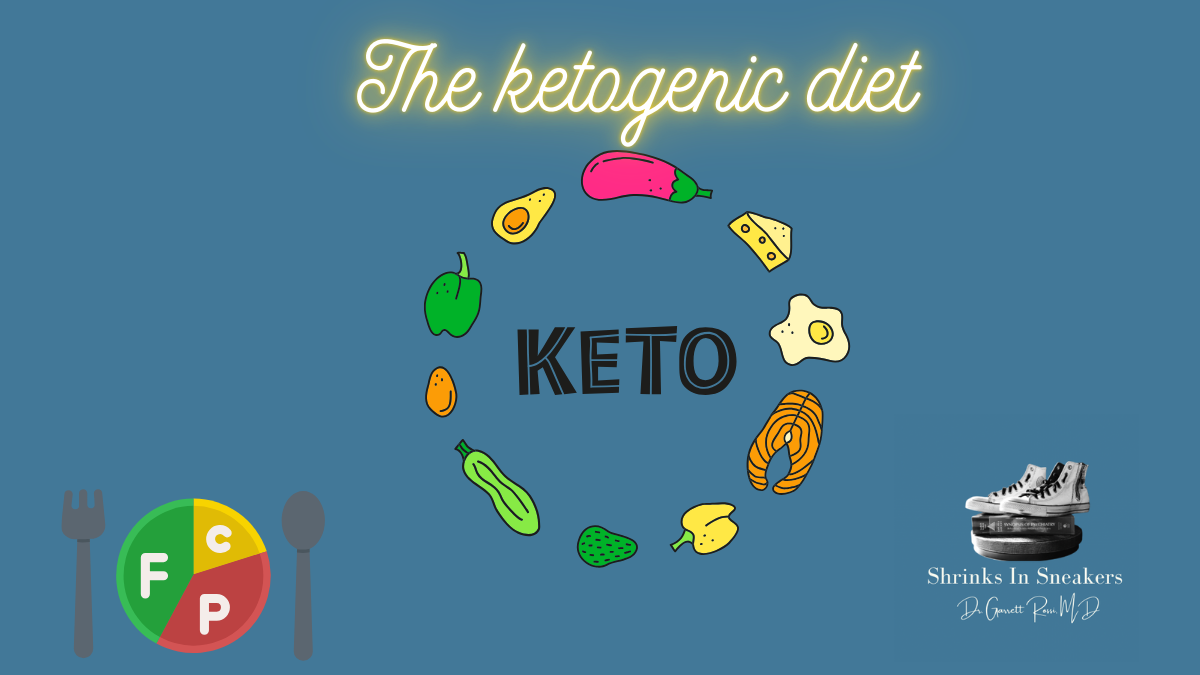
The ketogenic Diet For Mental Health
The ketogenic diet, primarily known for its benefits in weight loss and managing conditions like epilepsy, has been increasingly explored for its potential impact on mental health, including psychiatry. While research in this area is still emerging, some studies suggest that the ketogenic diet may offer benefits for certain psychiatric conditions.
- Mood Disorders: Some research indicates that the ketogenic diet might have a positive impact on mood disorders such as depression and bipolar disorder. The diet’s ability to stabilize blood sugar levels and regulate neurotransmitters like serotonin and dopamine could contribute to mood improvement.
- Anxiety: The ketogenic diet’s effects on GABA (gamma-aminobutyric acid), a neurotransmitter that helps regulate anxiety, have been of interest to researchers. By increasing GABA levels, the diet may have an anxiolytic effect, potentially reducing symptoms of anxiety.
- Cognitive Function: Ketones produced during ketosis are an alternative fuel source for the brain. Some studies suggest that ketones may provide more efficient energy for brain cells, leading to improved cognitive function and clarity of thought. This could have implications for conditions such as ADHD and cognitive impairment.
- Neuroprotective Effects: Ketones have been shown to have neuroprotective properties, which could be beneficial in neurodegenerative disorders like Alzheimer’s disease and Parkinson’s disease. By providing an alternative energy source for the brain, the ketogenic diet may help protect against neuronal damage and promote brain health.
- Inflammation: Chronic inflammation has been linked to various psychiatric disorders. The ketogenic diet has anti-inflammatory effects, which could potentially reduce inflammation in the brain and mitigate symptoms of conditions like schizophrenia and PTSD.
- Gut-Brain Axis: Emerging research suggests that the gut microbiota plays a crucial role in mental health. The ketogenic diet can influence the gut microbiome, potentially improving gut health and modulating brain function through the gut-brain axis.
While these findings are promising, it’s essential to approach the use of the ketogenic diet in psychiatry with caution. More research, including large-scale clinical trials, is needed to fully understand its efficacy, safety, and long-term effects on mental health conditions. Additionally, the ketogenic diet may not be suitable for everyone and should be implemented under the guidance of healthcare professionals, especially for individuals with pre-existing health conditions or those taking medications.
-

What Makes you a Doctor?
I came across a post from a CRNA claiming psychiatrists “aren’t real doctors” because they don’t intubate or run a vent. Apparently, their idea of being a doctor is exclusively working as a critical care physician. Sure, if you have a narrow view of what makes a doctor, maybe you’d agree.
But let’s talk about what psychiatry really entails. Everyone thinks they could handle it—until mom’s hiding a knife under her pillow or someone who’s killed before is sitting across from you, manic and unpredictable. The truth is, most people in med school (or NP school) don’t sign up for that. Managing a vent? Intubating for surgery? Honestly, those sound like a vacation compared to digging deep into the chaos of the human mind.
Practicing psychiatry right is no walk in the park. Sure, you could do it lazily and still get paid, but you’d be hurting patients and leaving messes for those of us who care. We deal with psychotic, dangerous, unpredictable individuals every day. And while it might not be as glamorous as a tube down someone’s throat, we are essential to every medical service. We do the dirty work, behind the scenes, keeping everyone safe.
So next time someone’s in the ED or on the floor going completely bonkers, guess who steps in? The psychiatrist.
And by the way—I still run codes and keep up my ACLS certification. Who knows, I might even toss in a tube if I’m feeling it. 😎 #PsychiatryIsMedicine #MentalHealthMatters #WeDoTheWorkNoOneElseWants
-

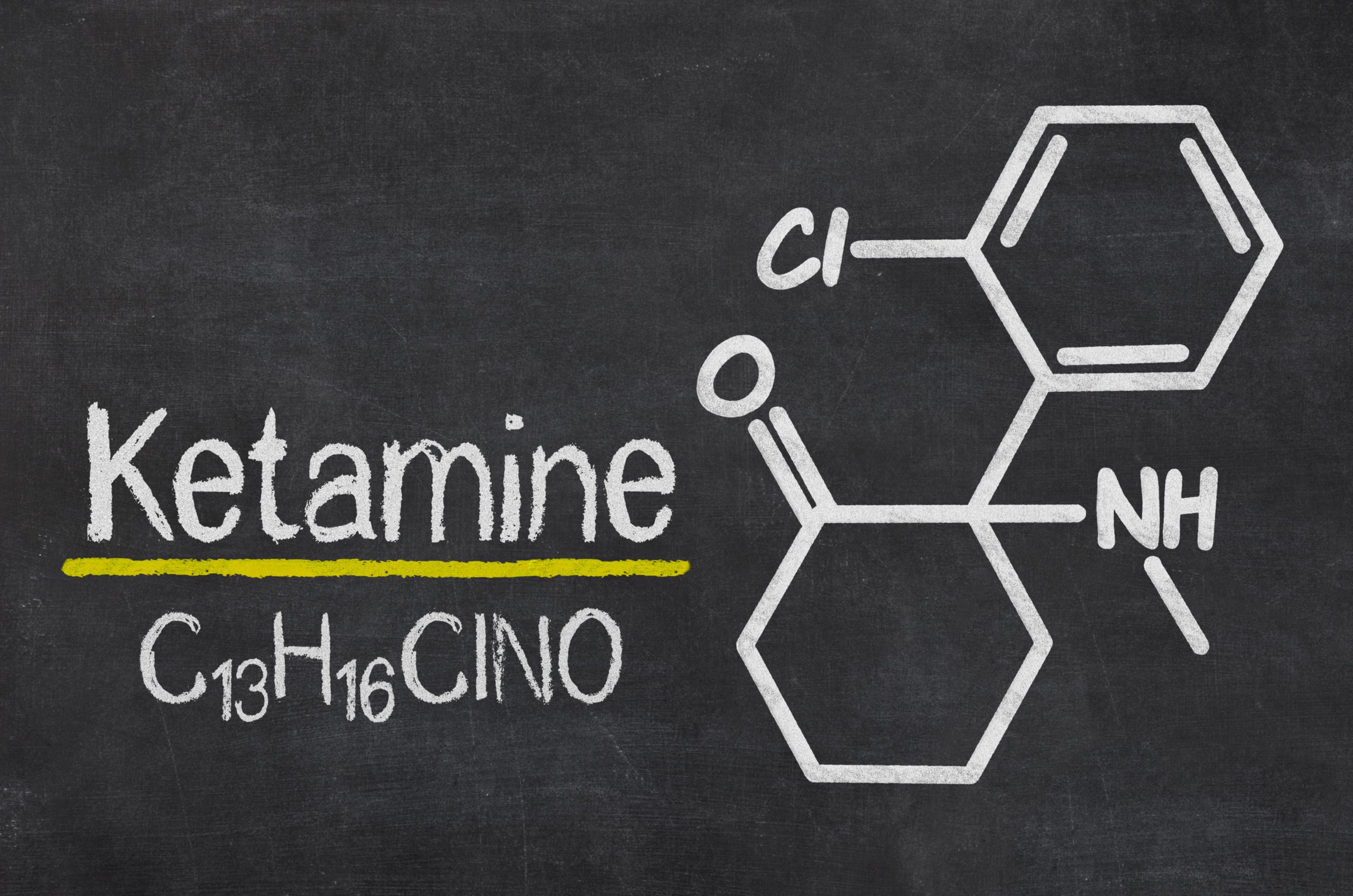
Ketamine: A Temporary Fix, Not a Cure for Depression
It’s crucial to understand that ketamine is not a cure for depression. Many individuals experience a relapse, often within 2 to 4 weeks after finishing the initial treatment. If you’re expecting ketamine to fully resolve your depression, this could lead to disappointment and potentially harmful consequences.
-

Transforming Pain Into Strength
Many people spend their entire lives holding themselves back, often because they’re unconsciously addicted to the pain they cause themselves. When trauma hits, especially early in life, it has a way of sticking with us. In many ways, that pain shapes who we are, and the thought of letting it go feels like losing a part of ourselves. It can become a form of behavioral addiction.
But what if we could use that pain as fuel to push ourselves forward, to become the best version of who we are? It’s hard, especially when you’ve been picked on, or felt like you don’t fit in. We all just want to live authentically, to be true to ourselves.
I get it—I’ve been there too. If I can push through, so can you. It’s never easy, especially in tough times. But if there’s one thing I know, I’m not giving in.
-

Doctor’s Near-Death Experience: The Truth Behind Antidepressant Withdrawal – Fact or Fiction
These sensational headlines about near-death experiences coming off antidepressants are becoming far too common. While we must be cautious with prescribing, it’s equally important not to dissuade people from trying medications that could help them.
Yes, some patients experience withdrawal symptoms if medications are stopped abruptly without proper tapering. But many patients do not, and I’ve seen countless cases where people discontinue their antidepressants without any issues. Some may require prolonged tapers, while others can taper off much faster than alarmist articles would suggest.
It’s crucial to remember that while discontinuation can be uncomfortable, it’s rarely life-threatening. We do need to be mindful of how long we prescribe these medications, given they manage symptoms but don’t modify the underlying disease, and the long-term benefits are still debated.
Guidelines for deprescribing are helpful, but dramatic headlines about “nearly dying” when coming off these medications are not only inaccurate but harmful to those who could benefit from treatment. Let’s promote balanced, evidence-based discussion on this topic, focusing on proper discontinuation without sensationalizing the risks.
-

Surge in Antidepressant Overdoses Alarms Health Experts Across the U.S
Rising Antidepressant Overdoses: A Growing Concern in the U.S.
Recent data reveals that antidepressant overdoses in the U.S. have been steadily increasing from 1999 through 2022. According to a CDC report released last month, there were 5,863 overdose deaths attributed to antidepressants in 2022—numbers comparable to heroin-related fatalities, which claimed 5,871 lives. While these figures represent a small fraction of the over 100,000 overdose deaths that year—most of which involved fentanyl—they signal a troubling trend that demands attention.
Potential Causes for the Rise in Antidepressant Overdoses
Understanding the root causes of this increase is challenging, given the complexity of overdose data and the lack of detail on the exact substances involved. However, there are several factors worth considering.
First, many individuals with opioid use disorder (OUD) also suffer from co-occurring mental health conditions like depression and bipolar disorder. These patients are often prescribed antidepressants, sometimes too liberally, in my experience working in community mental health. When opioids are mixed with antidepressants, opioids are often the primary cause of death in overdoses. Yet, I’ve also encountered numerous patients who have attempted suicide using antidepressants alone.
Newer antidepressants are generally safer in overdose compared to older drugs, such as monoamine oxidase inhibitors (MAOIs) and tricyclic antidepressants (TCAs). While these older medications tend to be more effective, they come with significantly higher risks in overdose situations. This is something I frequently emphasize to residents: older drugs are more dangerous, but the newer ones, though safer, can still have serious consequences.
Chronic pain patients, who are often prescribed opioids, are another vulnerable group. Their risk of suicide is heightened by the constant pain they endure, and many of these individuals are also prescribed antidepressants like duloxetine, which is indicated for pain management, or more dangerous TCAs such as amitriptyline and nortriptyline. Additionally, gabapentin—another drug commonly prescribed to these patients—has been known to increase the risk of death when taken with opioids.
Overprescription of Antidepressants: A Contributing Factor?
There has also been a sharp rise in antidepressant prescriptions across the U.S., which I believe warrants scrutiny. Antidepressants are, at best, symptom management tools, with a modest effect size of 0.33 in many studies. Given these limited benefits, we should be more judicious about who we prescribe these medications to and for how long.
Withdrawal symptoms from long-term—and sometimes even short-term—use of antidepressants can be severe, increasing the risk of suicide. I’ve personally seen this with a family member who experienced debilitating headaches and vertigo after stopping sertraline. She was unable to work or function for nearly two weeks, highlighting how challenging withdrawal can be for some patients.
Balancing Risks and Benefits in Mental Health Treatment
Any population for whom antidepressants are considered a treatment option is inherently at high risk for suicide. That said, there are many confounding factors in the overdose data, and mainstream mental health reporting often glosses over the nuances of psychiatric research and treatment. When prescribing medications, it’s crucial to weigh not only the pros and cons of the drugs themselves but also to tailor treatment to each individual’s unique needs.
I continue to prescribe antidepressants to patients whom I’ve carefully evaluated and believe will benefit, even if only in the short term. However, I am transparent with them: antidepressants are unlikely to resolve deeper psychological conflicts or “problems of living.” Mental health is rarely black and white, and much of this uncertainty stems from our incomplete understanding of the brain.
In short, we need to acknowledge the complexity behind the rise in antidepressant overdoses and respond with a more nuanced, patient-centered approach to prescribing these medications.
Link to the article:
https://www.theguardian.com/science/article/2024/sep/03/antidepressants-overdose-deaths-increasing
-

Enlarged Brain Networks: A Hidden Signature of Depression from Childhood Onward
The article “Frontostriatal salience network expansion in individuals in depression” highlights new research findings showing that individuals with depression have enlarged brain networks associated with emotional processing. The study, conducted on both children and adults, reveals that specific brain regions linked to depression display structural differences, with these regions being larger than those in non-depressed individuals.
The researchers particularly focused on the amygdala and hippocampus, which are key to emotions and memory. This enlargement appears to start in childhood, suggesting early neurodevelopmental factors might contribute to the onset of depression later in life. The findings could lead to better understanding of depression’s biological roots and improve early detection and treatment strategies.
Link to the article: https://www.nature.com/articles/s41586-024-07805-2
-

Hidden Dangers: Unveiling the Link Between Medical Conditions and Suicide Risk
The article “Risk of Suicide Across Medical Conditions and the Role of Prior Mental Disorder” published in JAMA examines the association between various medical conditions and suicide risk, highlighting the influence of pre-existing mental disorders. Key findings include:
- Increased Suicide Risk in Certain Medical Conditions: The study identifies a significant rise in suicide risk among patients with specific conditions, such as cancer, chronic pain, neurological disorders, and respiratory diseases. Chronic illness often contributes to emotional distress, exacerbating the risk of suicide.
- Impact of Mental Health History: Individuals with a prior mental disorder are at an even higher risk of suicide when diagnosed with a medical condition. The presence of a mental disorder can amplify feelings of hopelessness, increasing vulnerability.
- Interconnected Nature of Physical and Mental Health: The research emphasizes the need for integrated care that addresses both the physical and psychological aspects of health, particularly for individuals with complex medical histories.
The article advocates for more robust screening for suicidal ideation in patients with both medical and mental health conditions and suggests collaborative treatment approaches to reduce suicide risk.
Link to article: https://jamanetwork.com/journals/jamapsychiatry/article-abstract/2822967