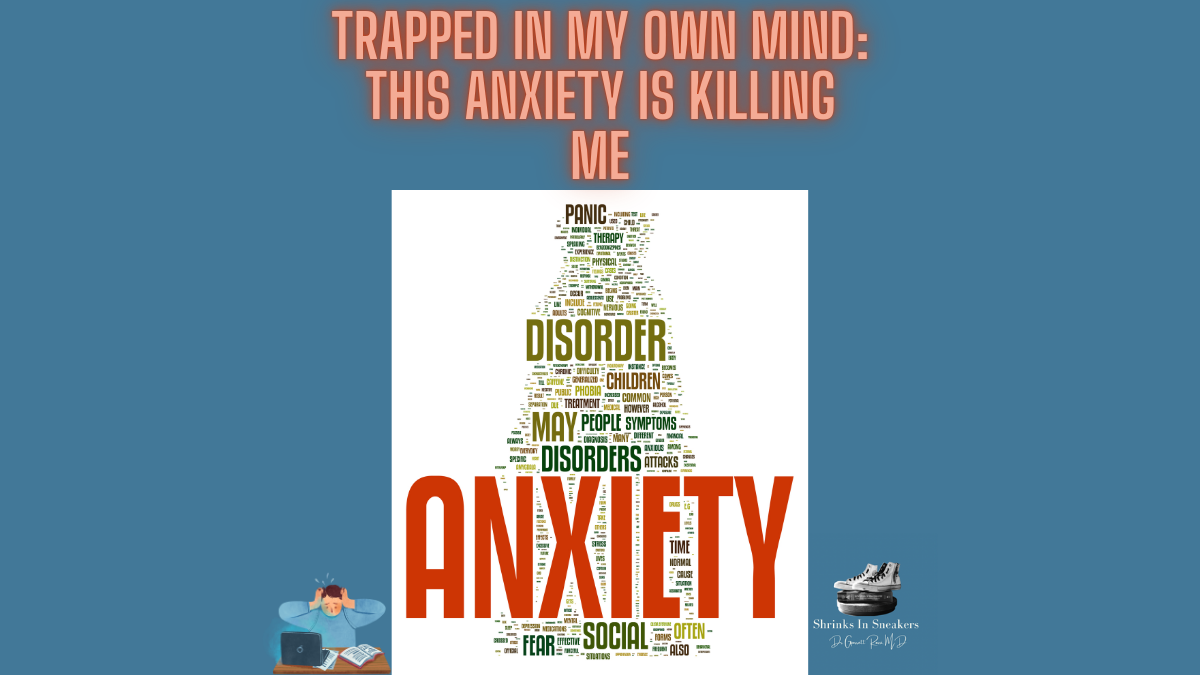
Anxiety is a very real and powerful force that can take a toll on both your mind and body. In today’s fast-paced world, it’s easy to feel trapped in an anxiety prison, with stressors constantly surrounding us. The weight of it all can be overwhelming, leaving you exhausted mentally and physically. Remember, you’re not alone in this struggle. Take moments for self-care, reach out for support, and know that breaking free from anxiety’s grip is possible. Small steps can lead to big changes.
Category: Uncategorized
-

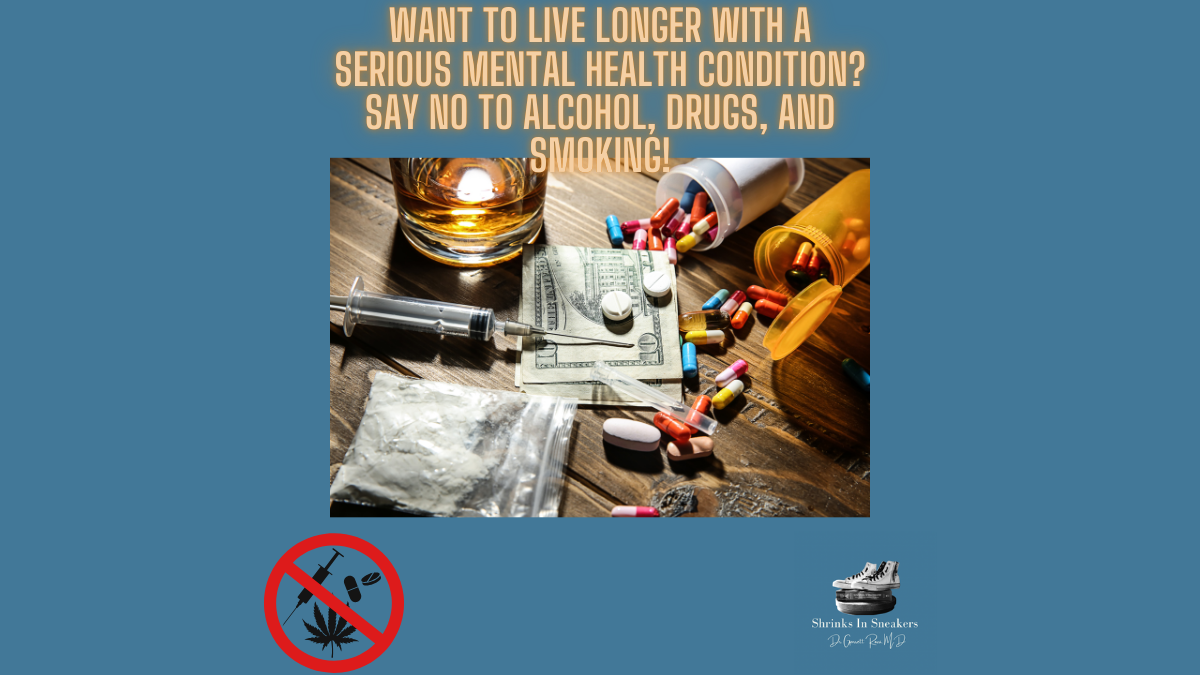
Want to Live Longer with a Serious Mental Health Condition? Say No to Alcohol, Drugs, and Smoking!
The article “Major Psychiatric Disorders, Substance Use Behaviors, and Longevity” explores the complex relationships between psychiatric disorders, substance use, and life expectancy. The authors examine how conditions like schizophrenia, bipolar disorder, and major depression affect longevity, often leading to reduced lifespans. This is largely due to increased risk factors, such as poor physical health, unhealthy lifestyles, and increased rates of suicide.
Substance use behaviors, including alcohol, tobacco, and drug use, often co-occur with psychiatric disorders, compounding the negative effects on longevity. The article emphasizes the need for better integration of mental health and substance use treatment into healthcare systems. It also advocates for targeted interventions to reduce mortality rates, improve the quality of life, and enhance access to comprehensive care for individuals with psychiatric disorders.
Link to the article: https://jamanetwork.com/journals/jamapsychiatry/fullarticle/2820199
-
When Anxiety Turns to Anger: A Hidden Struggle
Anxiety manifests in many ways, and one of the most dangerous is when it turns into anger. Imagine living on edge all day—from the moment you wake up until you finally get home. The constant tension builds as you’re stuck in traffic, stressed at work, and juggling a million thoughts. By the time you walk in the door, your emotional reserves are empty. A simple spilled drink can set you off, leading to an outburst your partner doesn’t understand. It seems small, but the anxiety has been simmering all day, and that moment was its breaking point.
How can we prevent ourselves from reaching this boiling point?
Here are some practical tips to stop anxiety in its tracks:
Grounding Techniques
- 5-4-3-2-1 Exercise: Focus on 5 things you can see, 4 you can touch, 3 you can hear, 2 you can smell, and 1 you can taste. Bring your mind back to the present moment.
- Use Your Senses: Engage with something textured, calming sounds, or soothing scents like lavender.
Deep Breathing
- Box Breathing: Inhale for 4 seconds, hold for 4, exhale for 4, pause for 4. Repeat until you feel more grounded.
- Diaphragmatic Breathing: Breathe deeply into your diaphragm to activate relaxation.
Mindfulness and Meditation
- Focus on the Now: Anxiety often pulls us into future worries. Mindfulness can help center you in the present.
- Body Scan: Consciously relax your muscles, releasing any tension.
Positive Self-Talk
- Challenge anxious thoughts and replace them with calming affirmations like “I can handle this” or “This feeling will pass.”
Physical Activity
- A short walk, yoga, or stretching releases endorphins, naturally easing anxiety.
Progressive Muscle Relaxation
- Tense and release muscle groups, starting from your toes up to your head, to calm both body and mind.
Cold Water Splash
- Splash your face with cold water or use an ice pack on your neck to stimulate your vagus nerve, which helps slow your heart rate.
Limit Caffeine and Sugar
- These can worsen anxiety. Switch to decaf or water when you’re feeling on edge.
Visualization
- Picture a peaceful place in your mind. Close your eyes and immerse yourself in the calming details.
Talk to Someone
- Reach out to a friend, partner, or therapist. Sometimes simply sharing what you’re feeling makes all the difference.
By implementing these strategies, we can manage anxiety before it escalates into something harmful. You deserve peace—and taking these steps can help you find it.
-
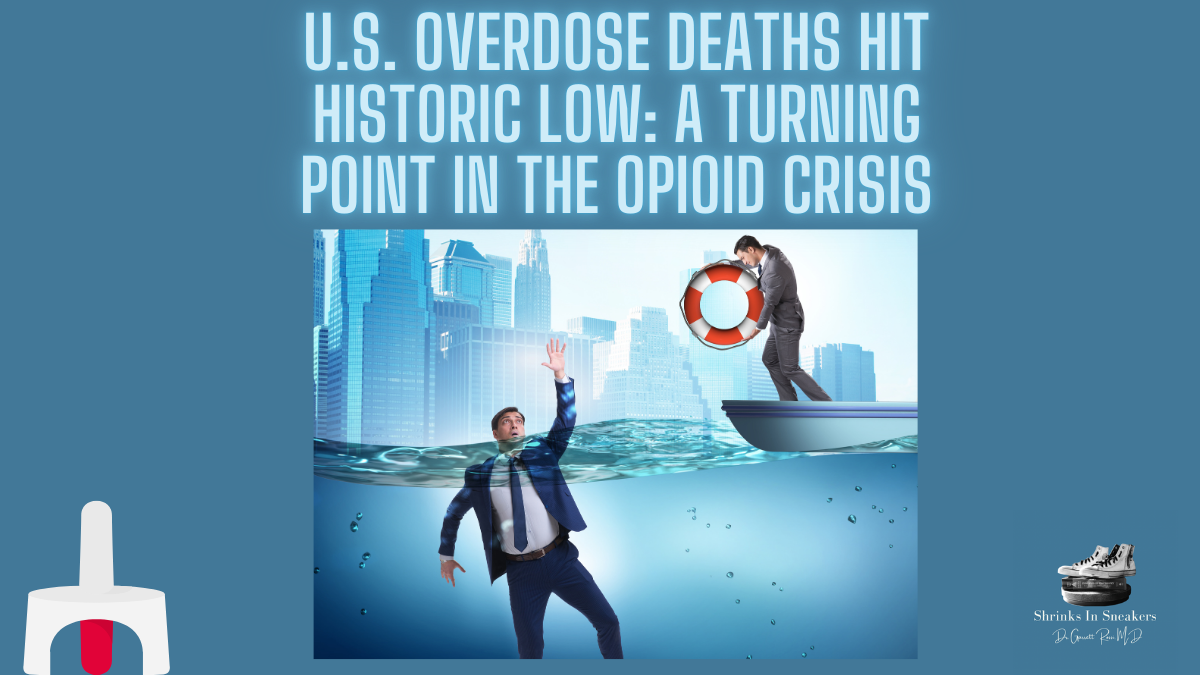
U.S. Overdose Deaths Hit Historic Low: A Turning Point in the Opioid Crisis
A recent NPR exclusive reveals a significant and unexpected decline in U.S. overdose deaths, marking the first drop in decades. Data from the Centers for Disease Control and Prevention (CDC) shows a nationwide reduction of roughly 10.6% in overdose deaths. Some states with rapid data collection have seen declines as high as 20-30%, suggesting the possibility of saving up to 20,000 lives annually.
This turnaround follows years of increasing fatalities, largely driven by fentanyl and other synthetic opioids. Experts credit the broader availability of life-saving treatments, such as naloxone, and improvements in support systems for people at risk of overdosing. While the overall number of overdose deaths remains high, many in the public health community are cautiously optimistic, believing the worst of the crisis might be over for now
-
ECT Maintenance: To Continue or Not To Continue
The article on Clinical Outcomes of Continuation and Maintenance Electroconvulsive Therapy (ECT) highlights the role of ECT in preventing relapses in patients with major depressive disorder. Continuation (C-ECT) and maintenance (M-ECT) ECT, when used after an initial successful acute ECT response, are shown to be effective in reducing the recurrence of mood disorders, particularly when combined with pharmacotherapy. Despite its proven benefits, this therapeutic approach is underutilized. Studies also suggest that C-ECT and M-ECT are well-tolerated with no significant cognitive decline
Link to the study: https://jamanetwork.com/journals/jamapsychiatry/article-abstract/2823669
-
Strengthening Mental Health Parity: Ensuring Equal Access to Affordable Care
Here are the key points from the Biden Administration’s finalized regulation:
- Objective: To ensure 175 million Americans with private health insurance have access to affordable mental health services.
- Focus: The regulation emphasizes mental health care parity, aiming for equal access and affordability between mental and physical health services.
- Requirements for Insurers: Health insurance providers must cover mental health services comparably to physical health services, without added hurdles.
- Implementation: Insurers are required to assess the adequacy of their mental health networks and take corrective action if they fall short.
- Broader Impact: The rule seeks to reduce out-of-pocket costs and improve access to essential mental health treatments, addressing the growing mental health crisis.
-
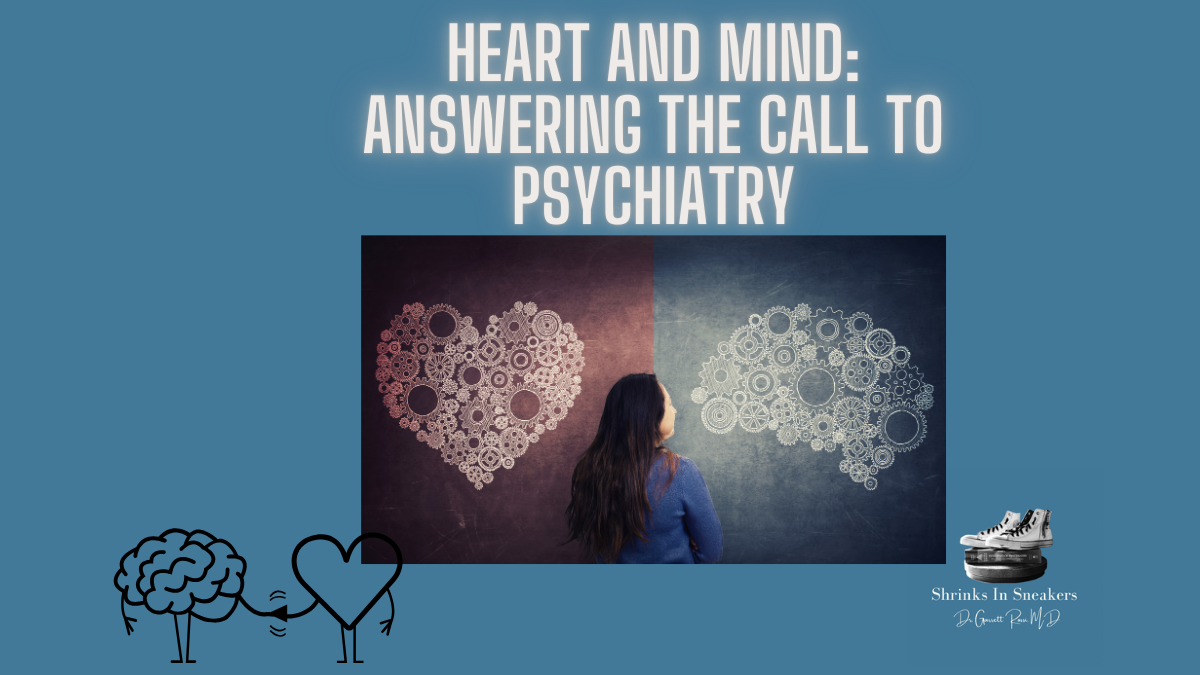
Heart and Mind: Answering the Call to Psychiatry
Psychiatry as a calling is a profound commitment to understanding and alleviating the complexities of the human mind. It’s more than a profession; it’s a deeply personal journey of compassion, empathy, and healing.
At its core, psychiatry is about connecting with individuals at their most vulnerable, navigating the labyrinth of their thoughts, emotions, and behaviors to help them find light in the darkness. It’s about being a beacon of hope for those grappling with mental illness, guiding them towards resilience, recovery, and a renewed sense of purpose.
Those who feel drawn to psychiatry often possess a unique blend of curiosity and empathy. They are captivated by the intricacies of the human psyche, driven by a genuine desire to understand the underlying causes of mental distress and suffering. They recognize that mental health is not just the absence of illness but the presence of wellness and strive to foster holistic healing in their patients.
Psychiatrists approach their work with humility, recognizing that each individual’s journey is unique and deserving of respect and dignity. They embrace diversity in all its forms, understanding that cultural, social, and personal factors shape one’s experience of mental illness and recovery.
Choosing psychiatry as a calling means embracing the challenges and uncertainties that come with the territory. It means bearing witness to the raw realities of human suffering while holding onto the unwavering belief in the power of resilience and transformation. It means standing alongside patients as they navigate the peaks and valleys of their mental health journey, offering support, guidance, and unwavering compassion.
In a world where mental health stigma still persists, psychiatrists serve as advocates, educators, and champions for change. They work tirelessly to destigmatize mental illness, promote access to quality care, and foster a greater understanding of the interconnectedness of mental, emotional, and physical well-being.
Ultimately, psychiatry as a calling is a testament to the human capacity for healing, growth, and connection. It’s a sacred bond between healer and patient, forged in empathy, nurtured by understanding, and strengthened by the shared journey towards wholeness and healing.
-
Understanding Anxiety: My Personal Experience as a Medical Student
This reminds me a lot of the depression question. Patients often tell me, “Dr. Rossi, you don’t know what it’s like to be anxious.”
I usually have a quiet chuckle to myself because anxiety is something everyone experiences. It’s a natural part of life. We all have areas where we feel competent, and others where we feel out of our depth. It’s in those areas, the places where we feel uncertain or inadequate, that anxiety can really interfere with our ability to function.
My most challenging personal experience with anxiety happened during the infamous 4th term of medical school at St. George’s University. By this point, you’ve survived the first year and are well into the second. However, this term is notorious, and it often feels like the school uses it to weed out students—which, in my opinion, is a bit unethical. The structure of my routine completely changed. More requirements, longer lab hours, and less time to study. The familiar rhythm I had relied on to keep up was suddenly turned on its head.
Throughout that term, I was constantly on edge, overwhelmed by the pressure that all my hard work could slip away at any moment. I still vividly remember the first time I experienced a panic attack. It was early morning; I woke up drenched in sweat, my heart racing, and I couldn’t catch my breath. I was scared enough to go to the university clinic, and that’s when I found out it was a panic attack.
That experience taught me firsthand what anxiety truly feels like. It’s not just a fleeting worry—it can become physical, paralyzing, and all-consuming. When I talk to patients about anxiety, it’s from a place of understanding. Anxiety doesn’t discriminate, and it certainly doesn’t mean we’re incapable—just human.
-
Give Me Stimulants—Just Don’t Make Me Come to the Office
A JAMA study found a significant rise in stimulant prescriptions between 2019 and 2022, with a 37.5% increase in total volume. This trend was particularly noticeable through telehealth, where stimulant prescriptions soared from 1.4% to 38.1%, peaking at 51.8% in mid-2020. The shift was largely influenced by COVID-19 pandemic policies, which eased telehealth restrictions. While antidepressant prescriptions also rose, opioid prescriptions declined by 17.2%. The study emphasizes the need to balance access with monitoring for potential misuse as telehealth policies evolve
-
Inflammation: The Hidden Culprit Behind Your Mental Health Struggles
Over the past several years, a growing body of research has highlighted the role of inflammation in the development and progression of psychiatric disorders. A key biomarker frequently used in these studies is C-reactive protein (CRP), which can be measured through a simple blood test. For precise results, it’s important to order the ultra-sensitive CRP test when conducting this in a lab setting.
Recent findings from JAMA Psychiatry have revealed varying mental health trajectories for individuals with low-grade inflammation throughout childhood. Persistently elevated CRP levels, particularly peaking around age 9, were linked to an increased risk of developing psychosis, severe depression, and insulin resistance in adolescence and early adulthood.
This research suggests that a simple blood test could potentially identify children at higher risk for serious mental illnesses and cardiometabolic issues later in life, offering a window for early intervention.
The big question remains: how should we address this low-grade inflammation? My first recommendation is to focus on lifestyle modifications, particularly dietary changes that reduce inflammation, such as adopting a Mediterranean diet. Additionally, I believe chronic stress is a major contributor to inflammation. In modern American society, stress reduction is often overlooked, but finding effective ways to manage stress is crucial to mitigating long-term health risks.
Link to the article: https://jamanetwork.com/journals/jamapsychiatry/fullarticle/2822343