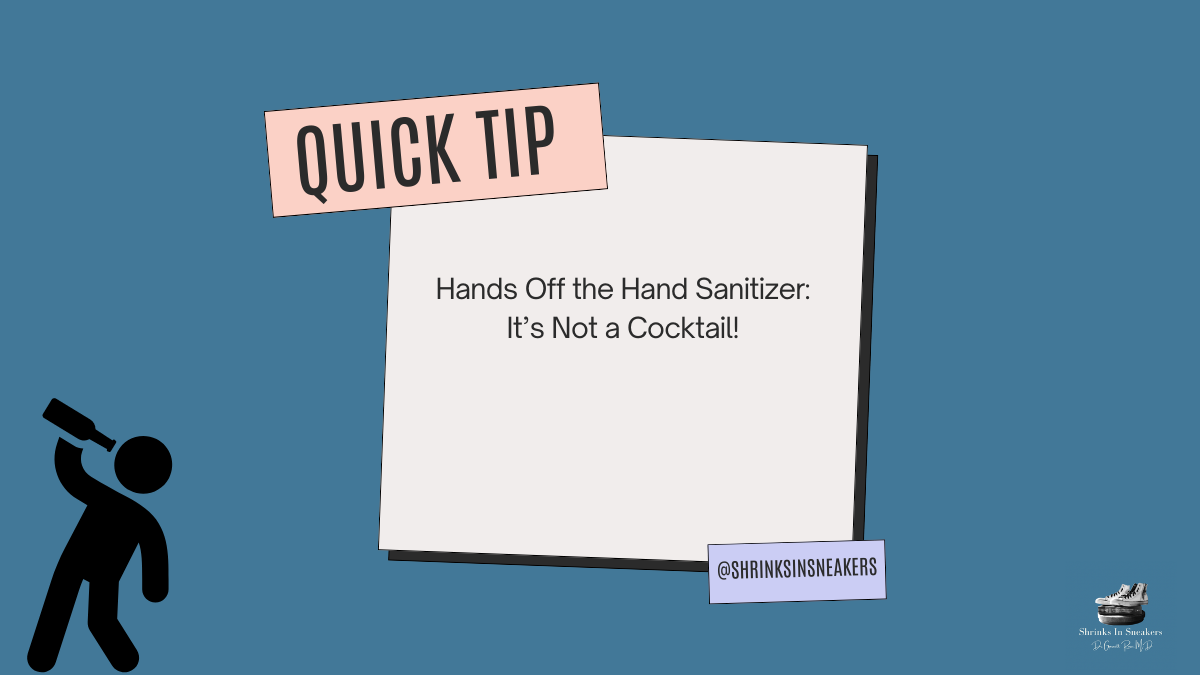
Have you ever noticed that hand sanitizer is sometimes locked up in certain areas of the hospital? The reason for this is that individuals with severe alcohol use disorder may attempt to drink it. One of the highest blood alcohol levels (BAL) I’ve ever encountered came from a patient who found an unlocked dispenser, opened it, and consumed an entire bottle of sanitizer. Their BAL was an alarming 600 when we tested them. This highlights the dangers and societal impact of risky alcohol consumption—something I’ve witnessed firsthand in the inpatient setting.
Category: Uncategorized
-

20 Seconds or 60 Seconds: One Doubles Your Chances of Remission
In ECT, there’s a common saying that “nothing good happens after 1 minute.” However, recent data suggests that nothing good happens if a seizure lasts less than 20 seconds either. Patients whose seizures lasted 30 seconds or longer during their first ECT session were more than twice as likely to achieve remission by the end of treatment compared to those with seizures under 20 seconds. Seizure durations around one minute appeared to provide the best chances for remission.
-
Should Marijuana be Reclassified?
The potential reclassification of marijuana to Schedule III under the Controlled Substances Act would represent a significant shift in how the United States views and regulates the drug. Currently listed as a Schedule I substance, alongside drugs like heroin and LSD, marijuana is classified as having no accepted medical use and a high potential for abuse according to federal law. However, the mounting evidence of its medicinal benefits and changing attitudes toward its use have sparked discussions about revisiting its scheduling.
Moving marijuana to Schedule III would acknowledge its recognized medical applications while still imposing regulatory controls. Drugs in this category, such as certain opioids like codeine, have a moderate to low potential for physical and psychological dependence and are accepted for medical use with restrictions. This reclassification could facilitate further research into its therapeutic properties and enable easier access for patients who could benefit from its use.
However, the reclassification process is complex and involves various legal, political, and scientific considerations. Advocates argue that placing marijuana in Schedule III or lower would align its scheduling with scientific evidence and public opinion, potentially reducing stigma and barriers to research. Critics express concerns about the potential for increased recreational use and addiction, as well as the regulatory challenges of managing a substance with psychoactive properties.
Any decision to reschedule marijuana would require careful deliberation, weighing the potential benefits against the risks and ensuring that public health and safety remain paramount.
-
Alcohol: The Socially Acceptable Drink That Could Be Killing You
While alcohol is widely accepted in social settings and deeply embedded in many cultures, it’s important to recognize that its social acceptance does not make it harmless. In fact, alcohol has caused far more harm than many illegal substances that are often perceived as more dangerous.
Alcohol is linked to numerous health problems, including liver disease, heart issues, and various forms of cancer. It’s also a leading contributor to accidents, violence, and fatalities, with drunk driving being one of the most deadly consequences. Beyond physical health, alcohol abuse can devastate relationships, contribute to domestic violence, and exacerbate mental health conditions like depression and anxiety.
Alcohol’s normalized presence in society often downplays the risks of dependency and addiction. Many people who drink don’t realize how easy it can be to develop problematic drinking, which can lead to a host of long-term issues, both physically and emotionally.
Despite its legal status and social acceptance, alcohol has proven to be one of the most harmful substances in terms of both individual and societal impact. Recognizing the risks and encouraging more mindful consumption can help reduce the extensive harm caused by this seemingly benign substance.
Link:
https://www.washingtonpost.com/wellness/2024/08/19/alcohol-drinking-deaths-worldwide
-
Are all Delusions the Same Across Episodes of Psychosis?
As an inpatient psychiatrist, you encounter a wide array of stories and experiences. Many of my trainees find this to be the most fascinating and engaging part of the job. We have the unique opportunity to delve into the inner workings of the mind and understand the thought processes of patients with serious mental illnesses (SMI). One of the things that often emerges during our evaluations is the presence of various types of delusions. Some are more common than others, with persecutory and grandiose delusions being frequent examples. I often hear patients claim that unknown groups are conspiring to ruin their lives, or a manic patient might declare, “I’m Jesus Christ.”
Over the years, I’ve noticed that these delusions tend to remain consistent, with similar themes recurring during subsequent admissions. In case you’re wondering, I often see the same individuals with the same issues multiple times a year, giving me a wealth of data points to support this observation. This insight is supported by a recent article from JAMA Psychiatry, which found that delusional content remains consistent across episodes of psychosis. This consistency can help us recognize the early stages of decompensation and potentially intervene before hospitalization becomes necessary. For instance, if a patient claims, “I’m Jesus Christ” during one episode, it’s likely they will express the same delusion during future episodes.
Another significant finding from this study is the importance of maintaining the intensity of interventions throughout the follow-up period. Unfortunately, there are many reasons why this doesn’t always happen, but when it doesn’t, poor outcomes are often the result.
-
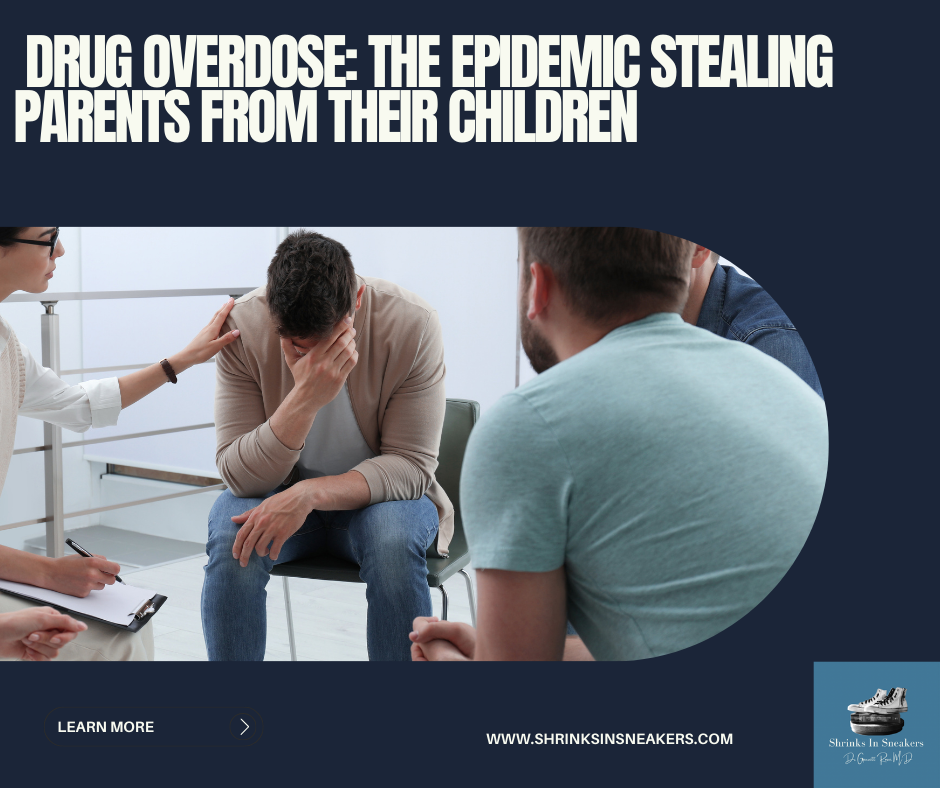
Drug Overdose: The Epidemic Stealing Parents from Their Children
After a few years of treating patients with opioid use disorder, it becomes painfully clear how much addiction affects not just the individual but their entire family. I’m always particularly concerned when a parent with severe opioid use disorder comes in for treatment, especially if they have one or more children. We know that relapse is common, and each instance of relapse carries the risk of death due to the potency of modern opioids.
A recent study explored the heartbreaking question of how many children have lost a parent to an overdose. The findings are staggering: from 2011 to 2021, over 320,000 children lost a parent to an overdose. This loss significantly increases the economic, social, educational, and health burdens on these children, perpetuating a cycle of harm that could affect them for the rest of their lives.
-
Suboxone or Subutex Which is Better for Your Baby?
I remember being a resident and having the same question about buprenorphine versus the buprenorphine and naloxone combination. Now, we have a clearer answer. The big question was whether prenatal exposure to the combination of buprenorphine and naloxone, compared to buprenorphine alone, increases the risk of adverse neonatal and maternal outcomes. I was always advised by my mentors to use buprenorphine alone in pregnant patients, as it was considered safer, with concerns that naloxone might pose a risk.
However, an article published in JAMA Psychiatry puts this debate to rest. The study compared perinatal outcomes following prenatal exposure to buprenorphine alone versus the buprenorphine and naloxone combination. The researchers evaluated the risk of congenital malformations, low birth weight, neonatal abstinence syndrome (NAS), neonatal intensive care unit (NICU) admission, preterm birth, and adjusted for confounding factors.
The findings revealed that when buprenorphine combined with naloxone was compared to buprenorphine alone, there was a lower risk of NAS, NICU admission, and being small for gestational age. The other outcome measures were similar for both groups. These results indicate that the risk is comparable, and in some cases, there are more favorable neonatal and maternal outcomes for pregnancies exposed to the buprenorphine and naloxone combination.
I can now confidently tell my former mentors that buprenorphine combined with naloxone during pregnancy appears to be a safe and effective treatment option for mothers with opioid use disorder.
-
Matthew Perry’s Doctors Charged
Everyone told me not to comment on this situation a few months ago and here we are:
Recent developments in the case of Matthew Perry’s death have taken a serious turn as two doctors have been charged with the illegal distribution of ketamine. The charges allege that these physicians were involved in prescribing the powerful anesthetic, known for its potential misuse as a recreational drug, outside the bounds of medical necessity.
This case has raised significant concerns about the role of medical professionals in the broader issue of prescription drug abuse. Ketamine, while valuable in certain psychiatric contexts such as treatment resistant depression, carries a high risk of abuse and dependence, making its distribution tightly regulated.
The charges against Perry’s doctors highlight the ongoing challenges in ensuring that powerful medications are prescribed responsibly and underscore the need for stricter oversight in the medical community. The legal proceedings will likely shed more light on the extent of the alleged misconduct and its impact on Perry and others.
-
Major Barriers to psychotherapy treatment
Have you ever had one of those weeks where every patient you see could greatly benefit from psychotherapy, but finding them a therapist seems impossible? There are many barriers to accessing mental health care, including inadequate or nonexistent insurance coverage and a shortage of therapists trained in specific types of therapy. For instance, I’m always on the lookout for specialists in dialectical behavior therapy (DBT), but finding even one has been a struggle. Recently, I’ve seen many patients who would benefit far more from psychotherapy than from medication, yet I haven’t been able to connect them with the quality therapy they need. We talk a lot about helping people, but I’m not seeing the commitment to providing effective treatment for our most vulnerable patients.
-
Is Self-Injurious Behavior The Same Everywhere?
Non-suicidal self-injury (NSSI) is generally believed to be more prevalent among females, but there is limited research exploring the sex and geographic-specific factors influencing its prevalence among adolescents. This meta-analysis, which reviewed 38 studies, found that NSSI is twice as common in female teenagers compared to males in North America, though this pattern is not observed in Asia. This raises an important question: what factors are driving such significant distress in young women? Mood disorders, body image issues, and anxiety are all recognized as contributing factors that increase the likelihood of NSSI. We are lucky to have some treatments that help with NSSI including dialectical behavioral therapy (DBT). If you or someone you know is struggling with NSSI please reach out for help.
Link to the Article:
https://jamanetwork.com/journals/jamanetworkopen/fullarticle/2820026