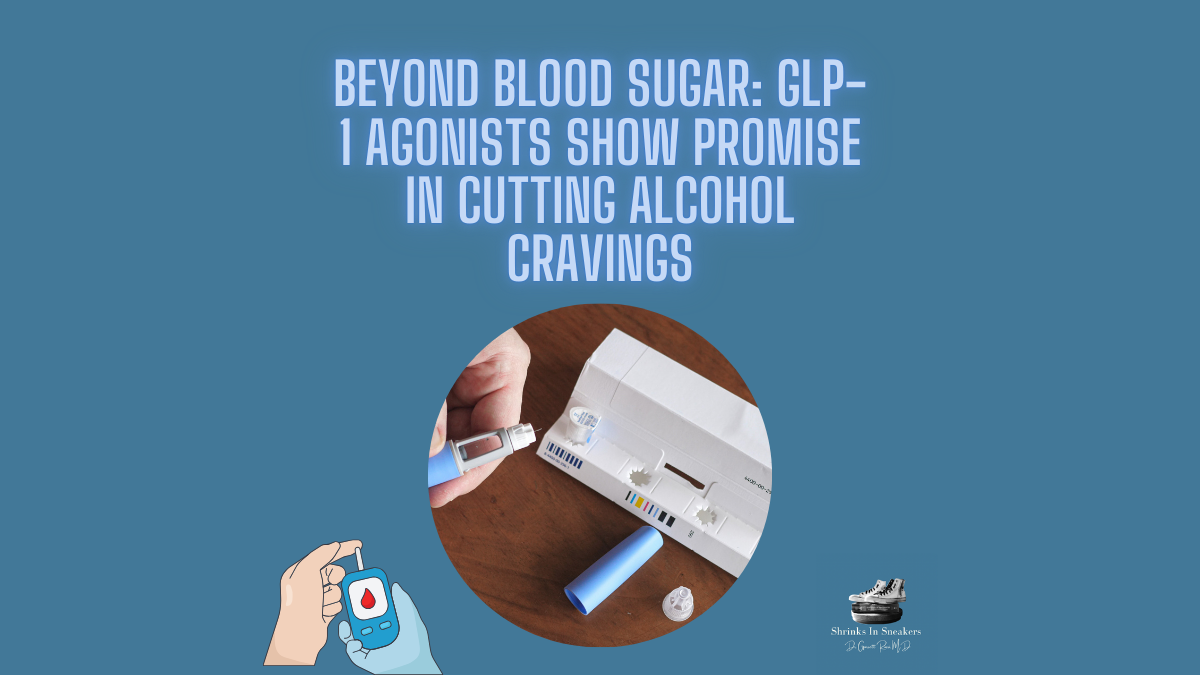
Recent research in JAMA and JCI Insight on repurposing GLP-1 receptor agonists, particularly semaglutide and liraglutide, for Alcohol Use Disorder (AUD) shows promise.
- Mechanism of Action: Semaglutide and liraglutide, commonly used to manage diabetes and obesity, activate the GLP-1 receptor, which plays a role in satiety and reward pathways. This activation has shown to suppress the rewarding effects of alcohol, aligning with existing data on the overlap between mechanisms regulating food intake and addictive behaviors.
- Preclinical Findings: In rodent models, semaglutide reduced alcohol intake in a dose-dependent manner, with promising results across both binge drinking and alcohol-dependent models. Compared to other GLP-1 agonists, semaglutide’s potent binding and prolonged action make it a strong candidate for further study.
- Clinical Potential: The findings provide a foundation for testing semaglutide in clinical trials for people with AUD, where it could potentially serve as an alternative to traditional treatments by targeting alcohol cravings and reducing consumption patterns in those with AUD.
The promising preclinical data suggests that further investigation could potentially lead to semaglutide as a viable treatment for AUD, adding to the treatment options for substance use disorders that overlap with metabolic disorders. This research is ongoing, and clinical trials may help solidify its role in AUD treatment in the future.