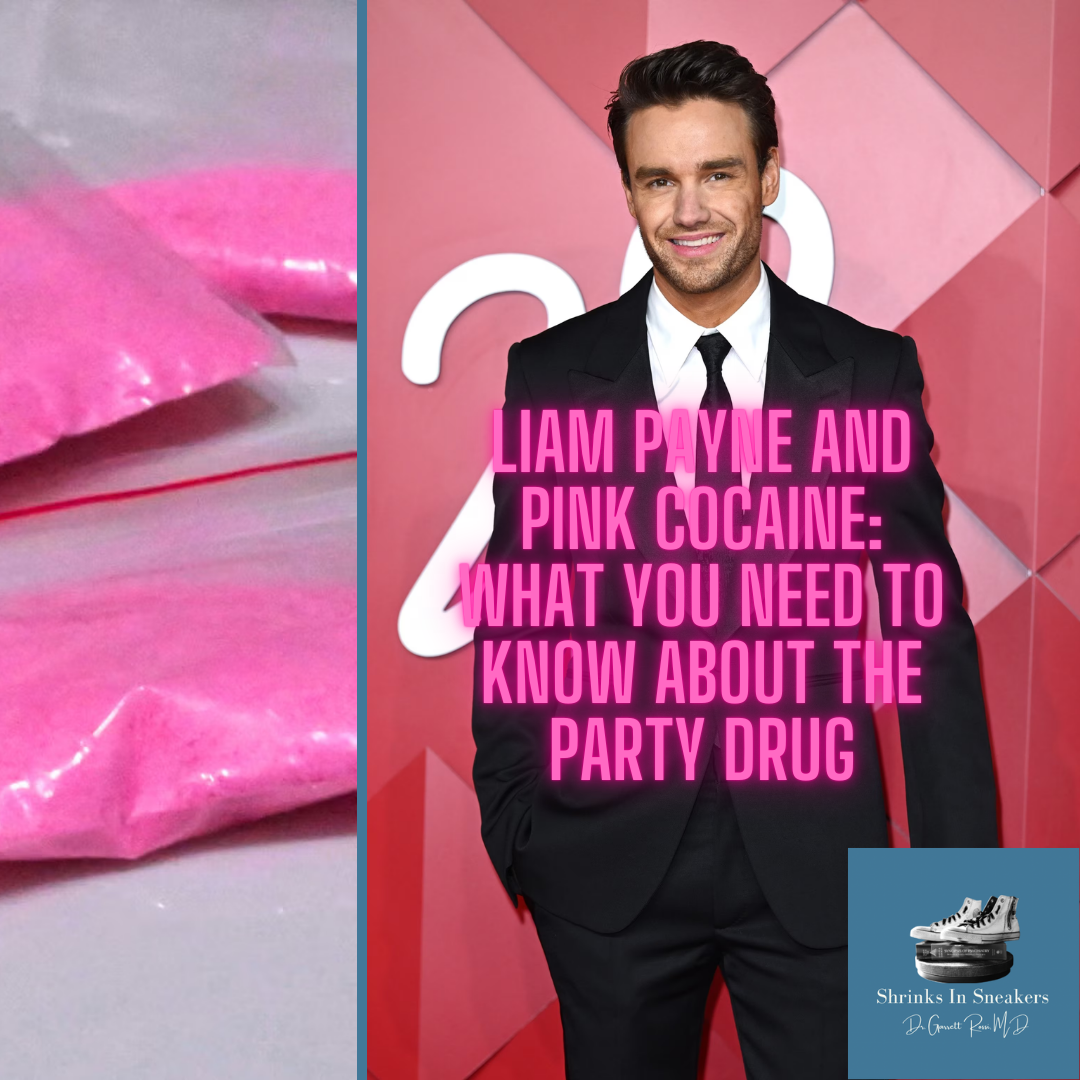
Pink cocaine, also known as tucibi or 2C-B, is a synthetic hallucinogen from the phenethylamine family, first synthesized in the 1970s. Despite the “cocaine” in its street name, it is chemically unrelated to cocaine. It usually comes in powder form but can also be found in tablets. It’s popular in party scenes for its euphoric and stimulant effects, which are often compared to a combination of MDMA and LSD.
Key Points for Addiction Psychiatrists:
- Effects:
- Euphoria, enhanced sensory perception, hallucinations.
- At higher doses, it can cause anxiety, paranoia, and dissociation.
- Effects can last from 4-8 hours depending on the dose and mode of administration (oral, nasal).
- Health Risks:
- Cardiovascular issues, including hypertension and tachycardia.
- Risk of psychosis and mood disorders, especially with repeated use.
- Hyperthermia and dehydration, especially in party environments.
- Possible neurotoxic effects, though research is limited.
- Addiction and Dependence:
- While physical dependence is not common, psychological dependence can develop due to its euphoric effects.
- Patients may use it in cycles with other substances (e.g., MDMA, alcohol), leading to polysubstance abuse.
- Withdrawal:
- No specific withdrawal syndrome has been documented, but patients may experience depression, anxiety, and cravings after discontinuation.
- Management may require addressing underlying mental health issues or substance use patterns.
- Treatment:
- Cognitive-behavioral therapy (CBT) or motivational interviewing may help address compulsive use.
- Monitor for concurrent use of other drugs, especially stimulants or hallucinogens, as polysubstance abuse is common.
- Referral to harm-reduction programs may be beneficial for patients unwilling to quit completely.
- Legal Status:
- It is illegal in most countries, classified as a Schedule I drug in the U.S. However, enforcement is inconsistent, and it continues to be accessible in underground markets.
For addiction psychiatrists, it’s crucial to recognize tucibi use, especially in patients with party-drug histories. Understanding the psychological effects and potential for dependence will aid in developing a comprehensive treatment plan. Monitoring for concurrent substance use and educating patients on the risks is key.
Leave a Reply