Tag: ADHD awareness

  • Adult ADHD: Current Trends and Emerging Research (2025 Update)

    Adult ADHD: Current Trends and Emerging Research (2025 Update)

    Attention-deficit/hyperactivity disorder (ADHD) has traditionally been seen as a childhood condition — but in recent years, there has been an explosion of interest in ADHD among adults. As awareness grows, so does research. New studies are reshaping how we diagnose, treat, and understand ADHD in the adult population.

    1. 🔥 Rising Rates of Adult ADHD Diagnosis

    Recent studies show that adult ADHD diagnoses have sharply increased over the past decade. According to a 2023 analysis published in JAMA Psychiatry, the diagnosis rate for adults aged 18–45 rose by more than 80% between 2011 and 2022.

    Why the surge?

    • Greater public awareness
    • Better screening tools for adults
    • A cultural shift toward recognizing executive dysfunction in adulthood

    However, there are concerns that overdiagnosis is also happening, particularly when ADHD is diagnosed after brief evaluations without thorough history-taking.

    2. 🧠 Expanded Understanding of Adult ADHD Symptoms

    The symptom profile in adults differs significantly from children. While hyperactivity often fades, issues like emotional dysregulationdisorganization, and executive dysfunction persist.

    Recent research emphasizes that adult ADHD often presents as:

    • Chronic procrastination
    • Low frustration tolerance
    • Difficulty managing responsibilities (work, home, finances)
    • Persistent inner restlessness

    A 2024 review in The American Journal of Psychiatry noted that emotional impulsivity may actually be a core symptomin adults, not just a secondary feature.

    3. 💊 Treatment Shifts: Caution Around Stimulants

    While stimulant medications (like amphetamines and methylphenidate) remain the gold standard, new studies highlight the importance of careful prescribing, especially in adults with:

    • Comorbid substance use disorders
    • Cardiovascular risk factors
    • Poor diagnostic workups

    Non-stimulant treatments are gaining ground:

    • Atomoxetine (Strattera) remains a mainstay.
    • Viloxazine (Qelbree) was approved for adult ADHD in 2024 and shows promise with lower abuse potential.
    • Bupropion (Wellbutrin) continues to be an important off-label option, especially when depression coexists with ADHD.

    According to a 2024 meta-analysis in Lancet Psychiatrynon-stimulants now account for about 30% of new ADHD prescriptions in adults — a significant jump compared to previous years.

    4. 🧬 Precision Psychiatry and Biomarkers on the Horizon

    Emerging studies are exploring neuroimaging and genetic markers to better understand adult ADHD subtypes.

    • A 2023 study using fMRI found distinct prefrontal cortex dysfunction patterns in adults with ADHD compared to controls.
    • Genetic research continues to implicate genes related to dopamine transmission and synaptic plasticity.

    Although these findings are not yet ready for clinical application, the future of ADHD diagnosis may involve biomarkers, moving beyond subjective questionnaires alone.

    5. 🌿 Lifestyle Interventions Are Getting More Attention

    There’s a growing body of evidence supporting complementary approaches:

    • Cognitive-behavioral therapy (CBT) for ADHD-specific skills
    • Exercise as a way to enhance executive function and mood
    • Mindfulness practices to improve emotional regulation

    A 2024 RCT published in Behavior Therapy showed that an 8-week mindfulness-based intervention led to significant improvements in attention and working memory in adults with ADHD — with effect sizes comparable to pharmacotherapy in some cases.

    Final Thoughts

    Adult ADHD is real, complex, and often misunderstood.
    The field is evolving rapidly, with a push toward better diagnosticssafer treatments, and a broader understanding of how ADHD affects life across the lifespan.

    As research continues to grow, clinicians are challenged not only to treat ADHD effectively but to do so thoughtfully — avoiding both underdiagnosis and overdiagnosis.

    Stay tuned — the future of ADHD care is just getting started.
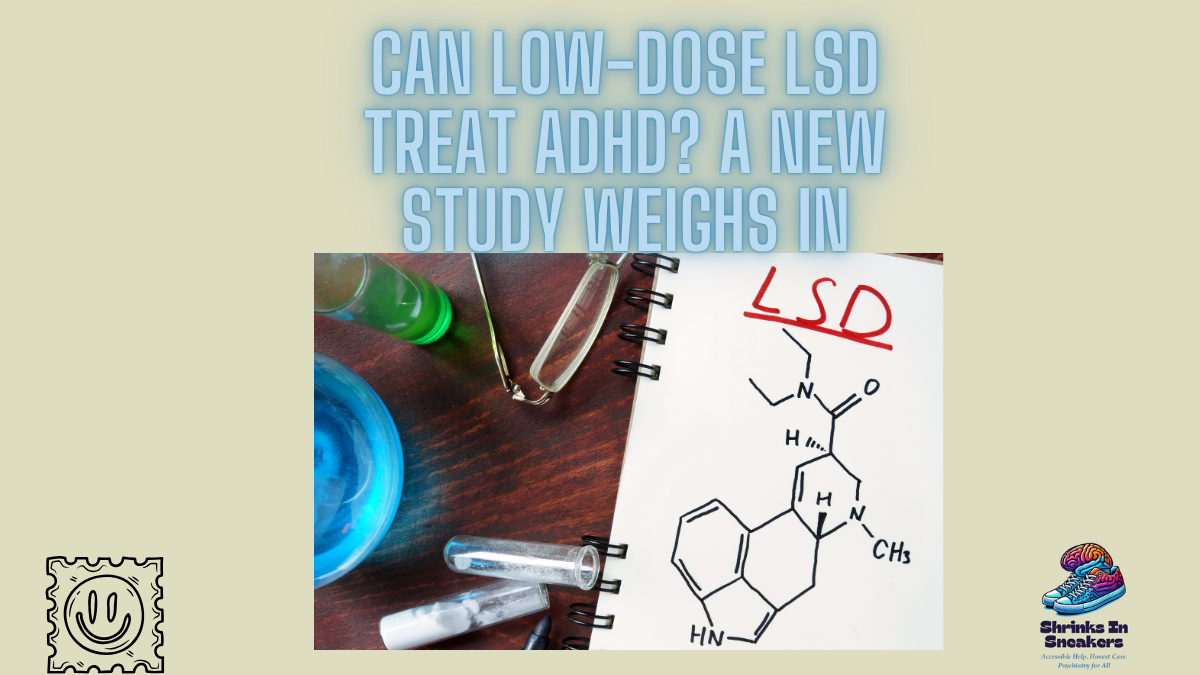
  • Can Low-Dose LSD Treat ADHD? A New Study Weighs In

    Can Low-Dose LSD Treat ADHD? A New Study Weighs In

    ADHD (Attention-Deficit/Hyperactivity Disorder) affects millions of adults worldwide, with stimulants like methylphenidate and amphetamine being the most effective treatments. But could psychedelics like LSD offer an alternative? A new randomized clinical trial aimed to find out.

    👉 Study Overview:

    • Design: Multicenter, double-blind, placebo-controlled trial (N = 53)
    • Participants: Mean age 37 years, 42% female
    • Intervention: Low-dose LSD (20 μg) or placebo twice weekly for 6 weeks (12 doses total)
    • Primary Outcome: Change in ADHD symptoms using the Adult ADHD Investigator Symptom Rating Scale (AISRS)

    💡 Key Findings:

    • Both groups showed significant improvement in ADHD symptoms:
      • LSD group: −7.1 points (95% CI, −10.1 to −4.0)
      • Placebo group: −8.9 points (95% CI, −12.0 to −5.8)
    • ✅ LSD was safe and well tolerated
    • ❌ No significant difference between LSD and placebo in symptom reduction

    🧠 What This Means:
    While low-dose LSD was safe, it didn’t outperform placebo in treating ADHD symptoms. This challenges anecdotal claims about psychedelics for ADHD and reinforces the need for rigorous placebo-controlled trials in psychedelic research.

    📈 Future research may explore higher doses or alternative mechanisms—but for now, stimulants remain the gold standard for ADHD treatment.

    🔗 https://jamanetwork.com/journals/jamapsychiatry/fullarticle/2831639

  • Evidence-Based Sleep Routine for ADHD

    Evidence-Based Sleep Routine for ADHD

    Sleep challenges are common among individuals with ADHD, as difficulty winding down, racing thoughts, and irregular schedules can interfere with restful sleep. Establishing a structured, evidence-based bedtime routine can significantly improve sleep quality, attention, and emotional regulation. 

    1. Stick to a Consistent Schedule

    • Why: Consistency trains your body’s internal clock (circadian rhythm).
    • How:
      • Go to bed and wake up at the same time every day, including weekends.
      • Avoid sleeping in more than 1 hour on weekends to prevent disrupting your schedule.

    2. Limit Screen Time Before Bed

    • Why: Blue light from devices suppresses melatonin production, delaying sleep onset.
    • How:
      • Stop using screens (phones, tablets, TVs) at least 60 minutes before bedtime.
      • Use blue light filters or glasses if screen use is unavoidable.

    3. Create a Calming Bedtime Routine

    • Why: A predictable sequence of activities signals to your brain that it’s time to wind down.
    • How:
      • Start 30–60 minutes before bed with calming activities, such as:
        • Reading a physical book (non-stimulating material).
        • Light stretching or yoga.
        • Journaling to offload thoughts or plan the next day.
        • Taking a warm bath or shower.

    4. Optimize Your Sleep Environment

    • Why: ADHD brains are more sensitive to stimuli, so a serene environment promotes deeper sleep.
    • How:
      • Darkness: Use blackout curtains or a sleep mask.
      • Quiet: Use white noise machines or fans to block out distractions.
      • Temperature: Keep the room cool (around 65–68°F).
      • Comfort: Invest in a supportive mattress and breathable bedding.

    5. Exercise Regularly, But Not Too Late

    • Why: Physical activity improves sleep quality but can be overstimulating if done too close to bedtime.
    • How:
      • Aim for 30–60 minutes of exercise daily, preferably in the morning or early afternoon.

    6. Avoid Stimulants in the Evening

    • Why: ADHD medications, caffeine, and nicotine can interfere with sleep onset.
    • How:
      • Avoid caffeine after 2 PM.
      • Discuss timing of ADHD medication with your doctor to minimize nighttime interference.

    7. Limit Naps

    • Why: Long or late naps can disrupt nighttime sleep.
    • How:
      • If you nap, limit it to 20–30 minutes earlier in the day.

    8. Avoid Heavy Meals and Alcohol Before Bed

    • Why: Digestion and alcohol can disrupt sleep cycles.
    • How:
      • Finish eating at least 2–3 hours before bed.
      • Limit alcohol consumption, especially in the evening.

    9. Address Racing Thoughts

    • Why: ADHD often causes a “busy brain” at bedtime.
    • How:
      • Use a “brain dump” journal to write down lingering thoughts, worries, or to-dos.
      • Pair journaling with a gratitude exercise to shift focus to positive thoughts.

    Example ADHD Sleep Routine

    7:30 PM: Start winding down with light activities (reading, stretching).
    8:00 PM: Turn off screens and dim the lights.
    8:15 PM: Take a warm shower or bath.
    8:30 PM: Journal to offload thoughts or plan the next day.
    8:45 PM: Practice 10 minutes of meditation or deep breathing.
    9:00 PM: Get into bed, listen to white noise, or practice gratitude.
    9:30 PM: Lights out.

  • Evidence-Based Exercise Programs for ADHD

    Evidence-Based Exercise Programs for ADHD

    Exercise is a powerful, evidence-based strategy for managing ADHD symptoms. Research shows that regular physical activity can boost dopamine and norepinephrine levels, improving attention, executive function, and emotional regulation. 

    1. Aerobic Exercise Programs

    Aerobic activities are particularly effective for ADHD because they increase heart rate and stimulate brain chemicals associated with focus and mood.

    • Example:
      • Program: Preparing for 5K race
      • Duration: 3 times per week, 30–45 minutes per session
      • Benefits: Gradual progression helps build consistency, while running boosts executive functioning and decreases hyperactivity.

    2. High-Intensity Interval Training (HIIT)

    HIIT involves alternating short bursts of intense activity with periods of rest or lower-intensity activity. It’s time-efficient and highly engaging, which suits individuals with ADHD.

    • Example:
      • Program: 20-Minute HIIT Circuit (e.g., 30 seconds of jumping jacks, 15 seconds rest; repeat with squats, burpees, and mountain climbers)
      • Frequency: 3–4 times per week
      • Benefits: Improves impulse control and mood regulation through quick transitions and intense focus.

    3. Martial Arts Training

    Martial arts like karate, taekwondo, or judo combine physical activity with discipline and mindfulness, making them highly effective for ADHD.

    • Example:
      • Program: Weekly martial arts classes for 60 minutes
      • Key Features: Incorporates structure, focus on breathwork, and sequential movements that require attention.
      • Benefits: Enhances self-control, confidence, and attention.

    4. Yoga for ADHD

    Yoga combines movement with mindfulness, helping individuals develop better body awareness and emotional regulation.

    • Example:
      • Program: 20–30-minute yoga sessions using ADHD-focused videos (e.g., Cosmic Kids Yoga for children or Yoga with Adriene for adults).
      • Frequency: Daily or 3–5 times per week
      • Benefits: Reduces stress, improves attention span, and strengthens mind-body connection.

    5. Structured Strength Training

    Strength training involves repetitive, organized routines that build physical strength while requiring focus.

    • Example:
      • Program: 3-day split routine (e.g., arms, legs, core) at home or in the gym, using weights or resistance bands.
      • Benefits: Boosts discipline and executive functioning, while offering visible progress over time.

    6. Nature-Based Activities

    Activities like hiking, biking, or kayaking combine exercise with the calming effects of nature, reducing overstimulation.

    • Example:
      • Program: 60-minute nature walk or bike ride in a local park 2–3 times per week.
      • Benefits: Improves mood, reduces hyperactivity, and promotes relaxation.

    How to Get Started

    • Start small: Begin with 10–15 minutes and gradually increase duration.
    • Make it fun: Choose activities you enjoy to sustain motivation.
    • Set a schedule: Consistency is key. Aim for at least 150 minutes of moderate-intensity exercise per week.
    • Monitor progress: Track improvements in focus, mood, or energy levels to stay motivated.
  • Mindfulness and Meditation for ADHD: A Natural Boost for Focus and Calm

    Mindfulness and Meditation for ADHD: A Natural Boost for Focus and Calm

    ADHD often brings challenges like racing thoughts, impulsivity, and difficulty staying focused. Mindfulness and meditation are powerful tools that can help individuals with ADHD calm their minds, enhance focus, and reduce stress. Backed by research, these practices are accessible and adaptable to everyday life.

    What is Mindfulness?

    Mindfulness is the practice of paying attention to the present moment without judgment. It involves observing your thoughts, feelings, and surroundings with curiosity and acceptance.

    For individuals with ADHD, mindfulness can help manage the constant stream of thoughts and improve attention regulation.

    Benefits of Mindfulness and Meditation for ADHD

    1. Improved Focus: Regular mindfulness practice helps train the brain to redirect attention back to the task at hand.
    2. Reduced Impulsivity: Mindfulness strengthens self-awareness, helping individuals pause before reacting.
    3. Lower Stress Levels: Deep breathing and meditation activate the relaxation response, countering ADHD-related anxiety.
    4. Better Emotional Regulation: Mindfulness helps identify and manage strong emotions before they escalate.

    The Evidence: Mindfulness for ADHD

    Research supports mindfulness and meditation as effective interventions for ADHD:

    • 2018 meta-analysis found that mindfulness-based interventions significantly improved attention, impulsivity, and emotional regulation in children and adults with ADHD.
    • 2016 RCT published in Journal of Attention Disorders reported that mindfulness training reduced ADHD symptoms and improved executive functioning in adults.

    How to Start a Mindfulness Practice for ADHD

    1. Breathing Exercises

    • What to Do:
      • Sit comfortably.
      • Focus on your breath as it flows in and out.
      • If your mind wanders, gently bring your focus back to your breath.
    • Duration: Start with 2–5 minutes and gradually increase to 10–15 minutes.
    • Why it Works: Deep breathing calms the nervous system and anchors attention.

    2. Body Scan Meditation

    • What to Do:
      • Lie down or sit comfortably.
      • Close your eyes and focus on each part of your body, starting from your toes and moving upward.
      • Notice sensations, tension, or relaxation.
    • Duration: 5–10 minutes.
    • Why it Works: Increases body awareness and reduces physical restlessness.

    3. Mindful Walking

    • What to Do:
      • Walk slowly and focus on the sensations of your feet touching the ground.
      • Pay attention to the rhythm of your steps and the sounds around you.
    • Duration: 5–10 minutes during breaks or daily walks.
    • Why it Works: Combines movement with mindfulness, making it ADHD-friendly.

    4. Guided Meditations

    • What to Do: Use mindfulness apps like CalmHeadspace, or Insight Timer for ADHD-specific guided sessions.
    • Duration: Sessions range from 5 to 30 minutes.
    • Why it Works: Guided meditations provide structure, making it easier to stay engaged.

    5. One-Minute Check-Ins

    • What to Do:
      • Pause for one minute during the day to notice your breath, thoughts, or surroundings.
      • Ask yourself, “What’s happening right now?”
    • Why it Works: Quick mindfulness breaks ground your attention and reduce overwhelm.

    Tips for Success

    • Start Small: Begin with short sessions and gradually increase as your comfort grows.
    • Be Patient: It’s normal for the ADHD mind to wander. The goal is to notice and gently refocus.
    • Practice Consistently: Aim for 3–5 sessions per week to build the habit.
    • Integrate into Daily Life: Use mindfulness during daily tasks, like eating or brushing your teeth, to stay present.
  • L-theanine (LT) supplementation and Mental Health Disorders Does it work?

    L-theanine (LT) supplementation and Mental Health Disorders Does it work?

    L-theanine is a supplement I’ve personally explored, especially during periods of intense study for major exams or when managing a particularly challenging work schedule. I’ve found it to be helpful, especially when paired with caffeine, either by adding it to coffee or using pre-formulated combination products. My general stance on supplements is that they can have a place in treatment, provided they don’t interfere with other therapies. For my patients, I often allow the use of these products as adjuncts when appropriate.

    That said, it’s essential to acknowledge the limitations of supplements like L-theanine. While they may offer some benefit, particularly in mild cases or for specific symptoms, they are unlikely to provide significant relief in severe mental health conditions. Rather than viewing them as standalone alternatives, we should see these natural products as complementary tools—useful additions to comprehensive treatment plans, especially in cases requiring robust intervention.

    A recent systematic review published in BMC Psychiatry examined the effects of L-theanine (LT) supplementation on patients with mental disorders. 

    The review analyzed 11 randomized controlled trials from six countries, focusing on conditions such as schizophrenia, anxiety disorders, and Attention-Deficit/Hyperactivity Disorder (ADHD). The findings suggest that LT supplementation significantly reduces psychiatric symptoms more effectively than control conditions in individuals with these disorders. However, the authors emphasize the need for further studies to validate these findings and explore the underlying mechanisms.

    L-theanine, a non-protein amino acid found in green tea, has been associated with various mental health benefits, including stress reduction and cognitive enhancement. 

    Its potential therapeutic effects in psychiatric disorders are gaining attention, but more research is necessary to fully understand its efficacy and safety.

    In summary, while current evidence indicates that L-theanine supplementation may be beneficial for individuals with certain mental health conditions, further research is essential to confirm these effects and determine appropriate usage guidelines.

    LInk to Article: https://bmcpsychiatry.biomedcentral.com/articles/10.1186/s12888-024-06285-y

  • Evidence-Based Strategies to Reduce Distractions in ADHD

    Evidence-Based Strategies to Reduce Distractions in ADHD

    Managing distractions is a core challenge for individuals with ADHD and even for those without. Research-backed strategies, including environmental adjustments, behavioral techniques, and technological tools, have shown promise in helping individuals stay focused and minimize interruptions

    1. Environmental Modifications

    Declutter and Organize Your Space

    • Why: Visual clutter increases cognitive load and distractibility in ADHD.
    • Evidence: Studies show that simplified, organized environments improve task performance and reduce overwhelm.
    • Implementation:
      • Create a designated workspace with minimal visual and auditory distractions.
      • Use storage bins or labeled organizers to keep items out of sight.

    Sound Management

    • Why: Background noise can be highly distracting for individuals with ADHD.
    • Evidence: RCTs indicate that white noise or low-level background music can enhance focus in some ADHD individuals.
    • Implementation:
      • Use white noise machines or apps (e.g., “Noisli”).
      • Experiment with instrumental music or nature sounds to find what works best.

    2. Structured Task Management

    The Pomodoro Technique

    • Why: Short, timed intervals of work followed by breaks improve sustained attention.
    • Evidence: Studies show that structured time management strategies reduce procrastination and improve productivity in ADHD.
    • Implementation:
      • Work for 25 minutes, then take a 5-minute break. Adjust intervals based on your focus capacity.
      • Use timers or apps like “Forest” to track intervals.

    Chunking Tasks

    • Why: Breaking tasks into smaller steps prevents overwhelm and promotes task completion.
    • Evidence: Behavioral interventions involving task segmentation show significant benefits in ADHD.
    • Implementation:
      • Divide projects into 3–5 actionable steps.
      • Write each step on a checklist and celebrate small wins.

    3. Technology-Based Interventions

    Digital Focus Tools

    • Why: Apps that block distractions and guide focus provide real-time support.
    • Evidence: RCTs on apps like “Focus@Will” and browser extensions like “Freedom” show improvements in task engagement for ADHD.
    • Implementation:
      • Use website blockers to eliminate access to social media or other distractions during work.
      • Try ADHD-specific productivity apps like “TaskTuner” or “Asana.”

    Timed Alerts and Reminders

    • Why: Timers and reminders keep individuals on track and prevent attention drift.
    • Evidence: Digital prompts have been shown to improve task adherence in ADHD.
    • Implementation:
      • Use phone alarms or apps like “Remember The Milk” for task reminders.
      • Schedule alerts for transitions or breaks.

    4. Behavioral Techniques

    Mindfulness Training

    • Why: Mindfulness helps individuals recognize and redirect wandering attention.
    • Evidence: RCTs show that mindfulness-based interventions improve sustained attention and reduce impulsivity in ADHD.
    • Implementation:
      • Practice 5–10 minutes of mindfulness meditation daily using guided apps like “Headspace.”
      • Incorporate brief mindfulness exercises before starting tasks.

    Behavioral Reinforcement

    • Why: Positive reinforcement encourages task focus and reduces distractions.
    • Evidence: Token systems and reward strategies have proven effective in ADHD-focused behavioral studies.
    • Implementation:
      • Set up a reward system (e.g., complete 3 tasks to earn 15 minutes of free time).
      • Track progress with visual aids like charts or checklists.

    5. Workplace or School Accommodations

    Flexible Seating and Movement Breaks

    • Why: ADHD individuals focus better when they can move or choose a seating arrangement.
    • Evidence: Studies on flexible classroom setups and “active learning environments” report improvements in ADHD engagement.
    • Implementation:
      • Use standing desks or fidget tools to incorporate movement.
      • Take brief movement breaks every 20–30 minutes.

    Noise-Canceling Headphones

    • Why: Blocking environmental noise improves focus on tasks.
    • Evidence: RCTs demonstrate that noise-canceling headphones significantly reduce distractions in ADHD.
    • Implementation:
      • Use headphones during work or study sessions to minimize auditory interruptions.

    6. Diet and Lifestyle Adjustments

    Nutrition for Focus

    • Why: Stable blood sugar and adequate nutrition reduce mental fatigue and improve concentration.
    • Evidence: Studies suggest that diets high in protein and low in refined sugar reduce distractibility in ADHD.
    • Implementation:
      • Eat balanced meals with complex carbs, proteins, and healthy fats.
      • Avoid high-sugar snacks during focus-intensive tasks.

    Exercise and Movement

    • Why: Physical activity improves attention and executive function in ADHD.
    • Evidence: A 2018 RCT found that 20 minutes of moderate aerobic exercise improved focus in children with ADHD.
    • Implementation:
      • Schedule exercise breaks or mini workouts during the day.
      • Use movement as a tool to reset focus between tasks.

    7. Cognitive Behavioral Therapy (CBT) for ADHD

    Why: CBT addresses thought patterns and behaviors contributing to distractibility.

    Evidence: Multiple RCTs demonstrate the efficacy of CBT in improving attention and task persistence in ADHD.

    Implementation:Work with a therapist trained in ADHD-specific CBT.Practice CBT strategies like identifying and reframing negative thoughts about distractions.

    Conclusion

    Reducing distractions in ADHD involves a combination of environmental modifications, structured strategies, and personalized interventions. These evidence-based approaches can help individuals focus, complete tasks, and thrive in daily life. By experimenting with these methods and tailoring them to your needs, you can find a system that works best for you.

  • Evidence-Based Diets for ADHD: Insights from Randomized Controlled Trials (RCTs)

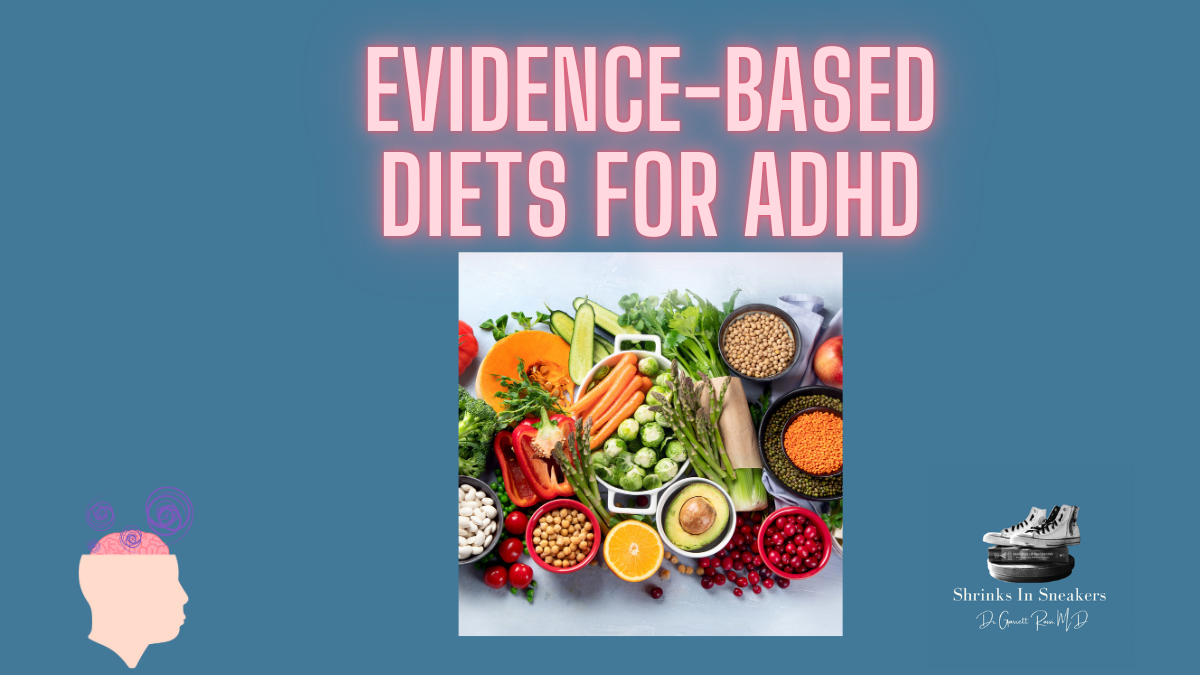
    Evidence-Based Diets for ADHD: Insights from Randomized Controlled Trials (RCTs)

    Diet plays a significant role in brain health and behavior, making it a promising area for ADHD symptom management. While dietary changes are not a substitute for standard treatments, several dietary interventions have shown evidence-based benefits in improving ADHD symptoms.

    1. Omega-3 Fatty Acid Supplementation

    • Why: Omega-3 fatty acids, particularly EPA (eicosapentaenoic acid) and DHA (docosahexaenoic acid), are crucial for brain development and function.
    • Evidence:
      • A 2018 meta-analysis of RCTs found that omega-3 supplementation improved attention and reduced hyperactivity in children with ADHD.
      • Higher EPA-to-DHA ratios (e.g., 3:1) were more effective.
    • How to Implement:
      • Include fatty fish (e.g., salmon, mackerel, sardines) 2–3 times per week.
      • Consider omega-3 supplements (1–2 grams daily with a high EPA content).

    2. Elimination Diets

    • Why: Some children with ADHD may react adversely to specific foods or additives, exacerbating symptoms.
    • Evidence:
      • The Restricted Elimination Diet (RED), such as the oligoantigenic diet, has been tested in RCTs. A 2011 RCT published in The Lancet found significant symptom reductions in 64% of children who followed a restricted diet for 5 weeks.
      • Foods commonly eliminated include dairy, wheat, soy, eggs, and food additives.
    • How to Implement:
      • Work with a healthcare provider or dietitian to guide the process.
      • Reintroduce foods one at a time to identify triggers.

    3. Additive-Free and Preservative-Free Diets

    • Why: Artificial food colorings, preservatives, and sweeteners may worsen hyperactivity in some children.
    • Evidence:
      • A meta-analysis published in Pediatrics (2012) found that artificial food coloring elimination reduced ADHD symptoms in a subset of children.
    • How to Implement:
      • Avoid processed foods with artificial dyes (e.g., Red 40, Yellow 5).
      • Read ingredient labels and choose whole, minimally processed foods.

    4. Mediterranean Diet

    • Why: The Mediterranean diet is rich in nutrients critical for brain health, such as omega-3s, antioxidants, and vitamins.
    • Evidence:
      • A 2017 study in Pediatrics suggested that children who adhered to a Mediterranean diet had fewer ADHD symptoms compared to those with poor adherence.
    • How to Implement:
      • Focus on fruits, vegetables, whole grains, nuts, seeds, fish, and olive oil.
      • Limit red meat, processed foods, and added sugars.

    5. Low-Glycemic Index (GI) Diet

    • Why: High-GI foods (e.g., sugary snacks) cause rapid blood sugar spikes and crashes, which may worsen hyperactivity and inattention.
    • Evidence:
      • A small RCT found that a low-GI diet improved behavior in children with ADHD by stabilizing energy levels and focus.
    • How to Implement:
      • Choose whole grains, legumes, and non-starchy vegetables.
      • Avoid sugary drinks, white bread, and refined snacks

    6. High-Protein Diets

    • Why: Protein supports the production of neurotransmitters like dopamine, which is often dysregulated in ADHD.
    • Evidence:
      • Some studies suggest that protein-rich breakfasts improve attention and reduce impulsivity during the day.
    • How to Implement:
      • Include protein-rich foods (e.g., eggs, yogurt, lean meats, nuts) in each meal.
      • Avoid skipping breakfast to maintain consistent energy levels.

    Micronutrient Supplementation

    • Why: Nutrient deficiencies (e.g., zinc, magnesium, iron) are linked to ADHD symptoms.
    • Evidence:
      • RCTs show that zinc and magnesium supplementation improves hyperactivity and impulsivity, particularly in children with low baseline levels.
      • Iron supplementation benefits those with low ferritin levels.
    • How to Implement:
      • Have nutrient levels tested by a healthcare provider.
      • Include nutrient-rich foods like spinach (iron), nuts (magnesium), and seafood (zinc).

    Recommendations

    1. Prioritize Whole Foods: Focus on unprocessed, nutrient-dense foods.
    2. Limit Sugars and Additives: Avoid foods with high sugar content, artificial sweeteners, or additives.
    3. Monitor Responses: Keep a food and symptom journal to identify potential triggers or improvements.
    4. Consult Professionals: Work with a dietitian or healthcare provider to ensure nutritional adequacy and tailor dietary changes to individual needs.

  • Mindfulness and Meditation for ADHD: A Natural Boost for Focus and Calm

    Mindfulness and Meditation for ADHD: A Natural Boost for Focus and Calm

    ADHD often brings challenges like racing thoughts, impulsivity, and difficulty staying focused. Mindfulness and meditation are powerful tools that can help individuals with ADHD calm their minds, enhance focus, and reduce stress.

    What is Mindfulness?

    Mindfulness is the practice of paying attention to the present moment without judgment. It involves observing your thoughts, feelings, and surroundings with curiosity and acceptance.

    For individuals with ADHD, mindfulness can help manage the constant stream of thoughts and improve attention regulation.

    Benefits of Mindfulness and Meditation for ADHD

    1. Improved Focus: Regular mindfulness practice helps train the brain to redirect attention back to the task at hand.
    2. Reduced Impulsivity: Mindfulness strengthens self-awareness, helping individuals pause before reacting.
    3. Lower Stress Levels: Deep breathing and meditation activate the relaxation response, countering ADHD-related anxiety.
    4. Better Emotional Regulation: Mindfulness helps identify and manage strong emotions before they escalate.

    The Evidence: Mindfulness for ADHD

    Research supports mindfulness and meditation as effective interventions for ADHD:

    • 2018 meta-analysis found that mindfulness-based interventions significantly improved attention, impulsivity, and emotional regulation in children and adults with ADHD.
    • 2016 RCT reported that mindfulness training reduced ADHD symptoms and improved executive functioning in adults.

    How to Start a Mindfulness Practice for ADHD

    1. Breathing Exercises

    • What to Do:
      • Sit comfortably.
      • Focus on your breath as it flows in and out.
      • If your mind wanders, gently bring your focus back to your breath. Allow thoughts to come and go, don’t hold onto them
    • Duration: Start with 2–5 minutes and gradually increase to 10–15 minutes.
    • Why it Works: Deep breathing calms the nervous system and anchors attention.

    2. Body Scan Meditation

    • What to Do:
      • Lie down or sit comfortably.
      • Close your eyes and focus on each part of your body, starting from your toes and moving upward.
      • Notice sensations, tension, or relaxation.
    • Duration: 5–10 minutes.
    • Why it Works: Increases body awareness and reduces physical restlessness.

    3. Mindful Walking

    • What to Do:
      • Walk slowly and focus on the sensations of your feet touching the ground.
      • Pay attention to the rhythm of your steps and the sounds around you.
    • Duration: 5–10 minutes during breaks or daily walks.
    • Why it Works: Combines movement with mindfulness, making it ADHD-friendly.

    4. Guided Meditations

    • What to Do: Use mindfulness apps like CalmHeadspace, or Insight Timer for ADHD-specific guided sessions.
    • Duration: Sessions range from 5 to 30 minutes.
    • Why it Works: Guided meditations provide structure, making it easier to stay engaged.

    5. One-Minute Check-Ins

    • What to Do:
      • Pause for one minute during the day to notice your breath, thoughts, or surroundings.
      • Ask yourself, “What’s happening right now?”
    • Why it Works: Quick mindfulness breaks ground your attention and reduce overwhelm.

    Tips for Success

    • Start Small: Begin with short sessions and gradually increase as your comfort grows.
    • Be Patient: It’s normal for the ADHD mind to wander. The goal is to notice and gently refocus.
    • Practice Consistently: Aim for 3–5 sessions per week to build the habit.
    • Integrate into Daily Life: Use mindfulness during daily tasks, like eating or brushing your teeth, to stay present.
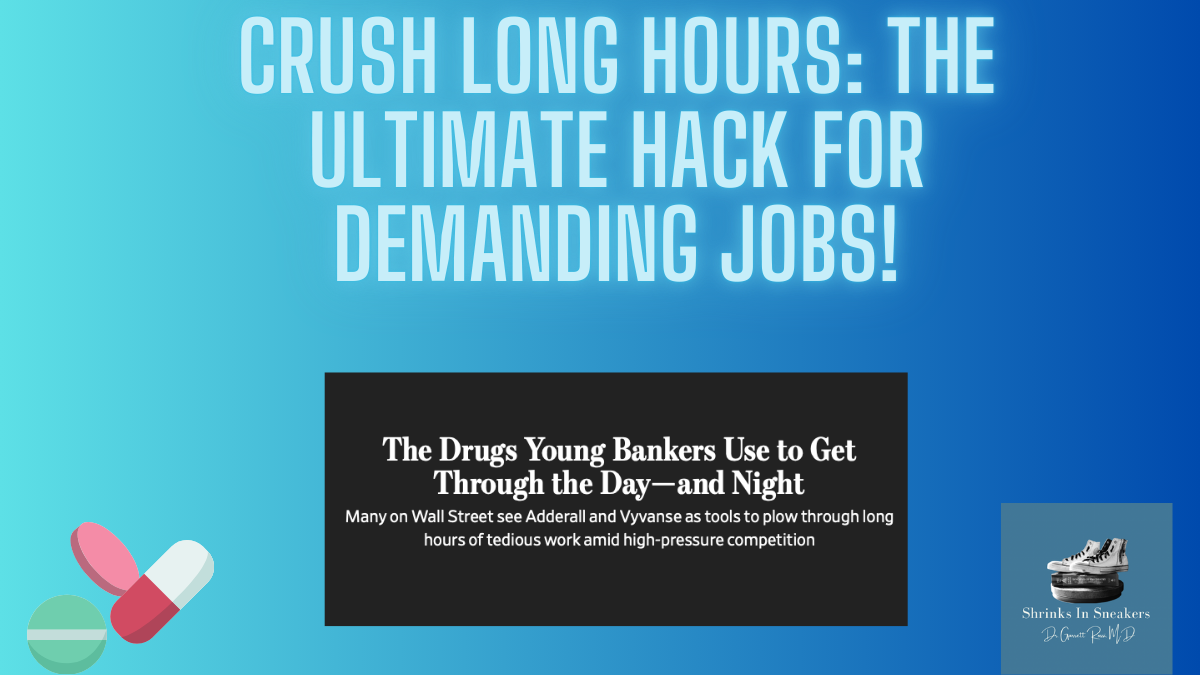
  • Crush Long Hours: The Ultimate Hack for Demanding Jobs!

    Crush Long Hours: The Ultimate Hack for Demanding Jobs!

    It seems like ADHD medication is following me this week—or maybe it’s the law of attraction at work as I keep coming across articles aligned with the key points I’ve been reflecting on recently.

    A recent Wall Street Journal article highlights the growing use of prescription stimulants like Adderall and Vyvanse among young investment bankers, helping them manage the grueling demands of 90-hour workweeks. While the prevalence of substances to enhance performance isn’t new (cocaine was once the drug of choice), it’s become much easier to obtain legal alternatives. A quick five-minute online questionnaire can now yield a prescription, no shady drug dealers required.

    The article centers on a young professional who, despite his own skepticism about having ADHD, found the medication transformative for surviving the intense pace of his job. Predictably, dependency followed.

    This isn’t an isolated issue, nor is it exclusive to investment banking. We’ve seen a marked increase in adult ADHD diagnoses, likely tied to the expansion of telehealth and more relaxed prescribing practices.

    While the article rightly calls for reevaluating workplace expectations and support systems, let’s be honest—this phenomenon isn’t going anywhere soon. The stakes are too high: major profits for companies and career-defining opportunities for individuals.

    We need to acknowledge this for what it really is: the use of performance-enhancing drugs (PEDs) to gain an edge in professional life. In many ways, it’s no different from using steroids in sports. Maybe the real question isn’t how to stop it, but whether we should allow informed adults to use PEDs under careful medical supervision.

    I’ll let you all weigh in on that one.

    Cheers,
    Dr. G

    LInk: https://www.wsj.com/finance/banking/young-banker-finance-adhd-medication-adderall-d578a16f