Tag: ADHD awareness

  • ADHD in Later Life: A Surge in Diagnoses Among Older Americans

    ADHD in Later Life: A Surge in Diagnoses Among Older Americans

    🤣 What a perfect time for this article considering ADHD is my topic of choice this week.

    🧠 A nuanced debate surrounds the rise in ADHD diagnoses, particularly among adults. While underdiagnosis and increased awareness contribute to this trend, it’s not the sole explanation. ADHD, often linked to developmental delays, may require continued medication into adulthood for some individuals with persistent symptoms

    ➡️ However, the necessity for lifelong medication in all or most cases is questionable

    ➡️ The surge in first-time ADHD diagnoses among adults aged 30’s-40’s, often without prior documented history, raises important questions

    💡 While some cases may have been previously overlooked, it’s crucial to consider:

    ⚡ Co-occurring disorders like depression and anxiety, which can cause similar cognitive issues

    ⚡ Societal factors: Increasing demands for productivity and competitiveness in modern society

    ⚡ The potential misuse of performance-enhancing drugs in high-pressure environments

    💡 It’s essential to approach each case individually, considering both the benefits of treatment and the risks of overdiagnosis. A comprehensive evaluation, including assessment of co-existing conditions and life circumstances, is crucial for accurate diagnosis and appropriate treatment plans

    Link to NYT article: https://www.nytimes.com/2024/12/11/well/mind/adhd-diagnosis-older-middle-age.html

    #ADHD #ADHDawarness #ADHDtreatment #ADHDtips #ADHDlife #mentalhealth #mentalhealthmatters #mentalhealthishealth #psychiatry #psychiatrist #doctor #stimulants #stimulantmedication

  • How to Create a Routine for ADHD: A Step-by-Step Guide

    How to Create a Routine for ADHD: A Step-by-Step Guide

    Creating a structured routine is one of the most effective ways to manage ADHD symptoms. The goal is to provide consistency and reduce decision fatigue, which can make daily tasks feel overwhelming.

    Step 1: Assess Your Current Habits

    • Track your time: Spend a few days writing down how you currently spend your time. Identify patterns, distractions, and areas where you struggle with productivity.
    • Note energy levels: Pay attention to when you feel most focused and energetic, as this will help in scheduling demanding tasks during peak times.

    Step 2: Define Your Priorities

    • Identify the most important activities in your day (e.g., work, exercise, family time).
    • Rank these priorities, so you focus on what truly matters and avoid overloading your schedule.

    Step 3: Break Down Your Day

    • Morning Routine: Start the day with consistent habits like making your bed, brushing your teeth, and eating breakfast. Keep it simple to reduce stress.
    • Work/School Blocks: Break tasks into smaller chunks with scheduled breaks. For example, use the Pomodoro Technique (25 minutes of focused work followed by a 5-minute break).
    • Afternoon Wind-Down: Use this time for less mentally taxing tasks like errands or light chores.
    • Evening Routine: Establish a calming routine to prepare for bed, such as reading, meditating, or journaling.

    Step 4: Use Visual Aids and Tools

    • Calendars/Planners: Write down your schedule. Use color-coding for different types of tasks (e.g., green for work, blue for leisure).
    • Digital Apps: Tools like Google Calendar, Todoist, or Notion can send reminders and help you stay organized.
    • Visual Timers: Use timers or clocks to track tasks and breaks visually.

    Step 5: Set Alarms and Reminders

    • Set alarms for key transitions (e.g., starting work, eating lunch, or ending the workday).
    • Use apps like Habitica or Forest to gamify task completion and make sticking to your routine more fun.

    Step 6: Build Flexibility into Your Routine

    ADHD often brings spontaneity or unexpected distractions.

    • Leave buffer time between tasks to account for delays.
    • Prioritize your top 3 tasks each day, so even if you deviate, the essentials get done.

    Step 7: Simplify Transitions

    Transitioning between activities can be challenging with ADHD.

    • Use auditory or visual cues to signal it’s time to switch tasks.
    • Prepare for the next activity in advance (e.g., set out clothes for the gym or prep your workspace for the next day).

    Step 8: Keep Your Environment ADHD-Friendly

    • Declutter regularly to minimize distractions.
    • Use bins, labels, or baskets to keep essentials easily accessible.

    Step 9: Reflect and Adjust

    • At the end of each day or week, review your routine. What worked? What didn’t?
    • Be flexible and tweak your schedule to fit your needs and energy levels.

    Step 10: Start Small and Build Gradually

    • Focus on one or two parts of your routine at first, like improving your morning habits.
    • Celebrate small wins to build confidence and motivation.

    Example Routine:

    Morning:

    • 7:00 AM: Wake up and drink water
    • 7:15 AM: Quick workout or stretching
    • 7:30 AM: Shower and get dressed
    • 7:45 AM: Eat breakfast and review the day

    Work/School Blocks:

    • 9:00 AM – 12:00 PM: Focused work (Pomodoro cycles)
    • 12:00 PM – 1:00 PM: Lunch and light activity
    • 1:00 PM – 4:00 PM: Afternoon tasks (easier or creative work)

    Evening:

    • 6:00 PM: Dinner
    • 7:00 PM: Relaxation (reading, hobbies)
    • 9:00 PM: Prep for tomorrow (pack bag, set clothes out)
    • 10:00 PM: Lights out

  • Improving ADHD Symptoms Without Medication

    Improving ADHD Symptoms Without Medication

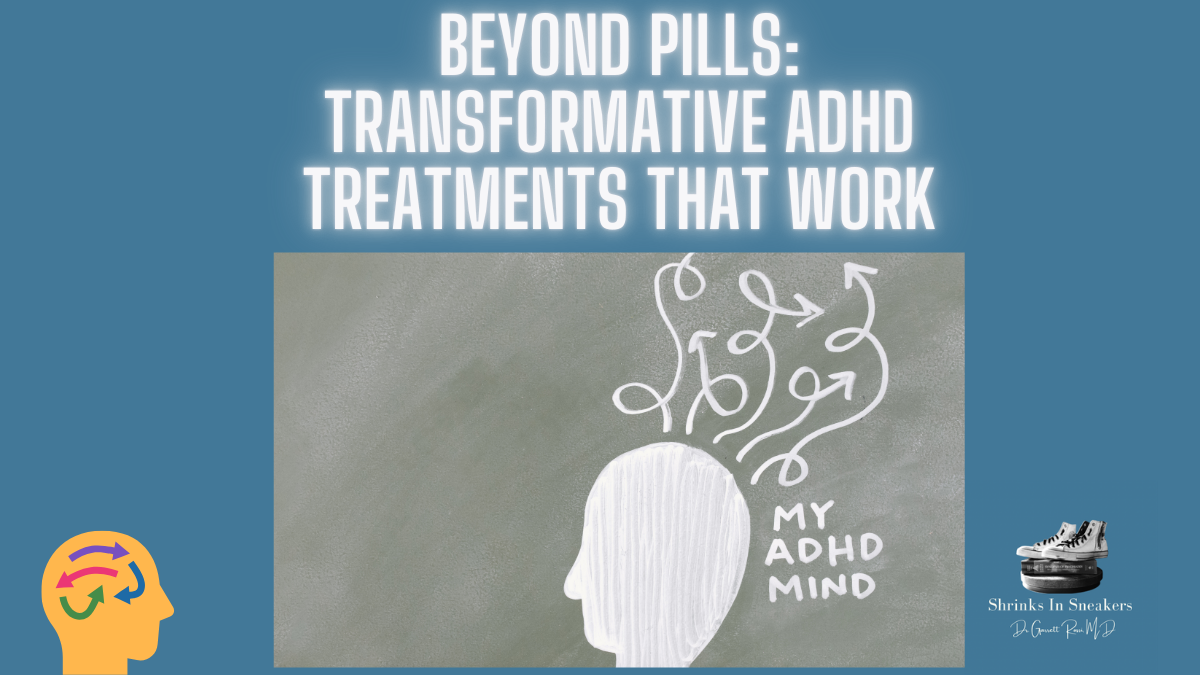
    Medication is a cornerstone of ADHD management, but combining it with complementary strategies can significantly enhance focus, organization, and overall functioning. This post offers a high-level overview of these approaches, setting the stage for a series of actionable, in-depth posts later this week.

    1. Establish a Routine

    Creating a structured daily routine provides predictability and reduces distractions. Use planners, calendars, or apps to break your day into manageable chunks with clear priorities.

    2. Practice Mindfulness and Meditation

    Mindfulness can improve attention regulation and emotional control. Apps like Headspace or Calm offer guided practices tailored to ADHD, helping you build focus over time.

    3. Exercise Regularly

    Aerobic exercise boosts dopamine and norepinephrine levels, enhancing focus and motivation. Aim for 30-60 minutes of activity daily, whether it’s running, swimming, or dancing.

    4. Improve Sleep Hygiene

    ADHD often disrupts sleep, which worsens symptoms. Establish a consistent bedtime, avoid screens before bed, and create a calming nighttime routine to promote better rest.

    5. Optimize Nutrition

    Balanced meals with protein, complex carbs, and omega-3 fatty acids can stabilize energy levels and improve concentration. Consider foods like salmon, eggs, nuts, and leafy greens.

    6. Break Tasks into Smaller Steps

    Large tasks can feel overwhelming. Break them down into smaller, manageable steps, and use tools like timers to focus on one step at a time (e.g., the Pomodoro Technique).

    7. Minimize Distractions

    Create an ADHD-friendly environment by limiting noise, clutter, and interruptions. Noise-canceling headphones and tidy workspaces can significantly enhance focus.

    8. Cognitive Behavioral Therapy (CBT)

    CBT can help you develop coping strategies for ADHD-related challenges, such as procrastination, impulsivity, and emotional regulation.

    9. Leverage ADHD-Friendly Technology

    Apps like Todoist, Notion, or Forest can assist with time management, task prioritization, and focus-building. Explore tools that align with your personal workflow.

    10. Foster Strong Social Connections

    Supportive relationships with family, friends, or ADHD communities can provide motivation, accountability, and understanding, reducing feelings of isolation.

    By implementing these strategies, individuals with ADHD can enhance their quality of life, productivity, and emotional well-being. Remember, each person’s ADHD experience is unique, so experiment with different approaches to find what works best for you!

    What has worked for you or someone you know? Share your experiences below!