Tag: Anxiety

  • Personalized Medicine for Anxiety and Depression: Advancing Science or Elusive Promise?

    Personalized Medicine for Anxiety and Depression: Advancing Science or Elusive Promise?

    For some time now, I’ve believed that the diagnostic categories of major depression and generalized anxiety disorder are too broad to effectively guide treatment. Our current approach often relies on a one-size-fits-all strategy, using psychotherapy or medication based on generalized diagnostic criteria. Unfortunately, the outcomes reflect this lack of precision: roughly one-third of patients improve, one-third see no change, and one-third worsen. These statistics are disheartening, especially given the profound impact these disorders have on patients’ lives.

    While this study offers valuable insights into the neurobiological underpinnings of depression and anxiety, it falls short in providing practical solutions for the average clinician. The specialized testing required to identify these differences remains cumbersome and is currently limited to research settings. What we urgently need are more accessible and efficient tools for implementing personalized medicine, enabling these advances to reach the patients who need them most.

    A recent study, Personalized brain circuit scores identify clinically distinct biotypes in depression and anxiety, sheds light on a groundbreaking approach to understanding mood and anxiety disorders. By leveraging advanced neuroimaging and machine learning techniques, researchers have developed “personalized brain circuit scores” to uncover clinically distinct biotypes among individuals with depression and anxiety.

    1. Biotypes: Moving Beyond Traditional Diagnosis

    Traditional psychiatric diagnoses often group diverse presentations under broad categories, leading to variability in treatment outcomes. This study challenges the status quo by identifying neurobiologically distinct subtypes—or biotypes—based on brain circuit activity. These biotypes provide a more precise framework for understanding individual experiences and may pave the way for tailored treatments.

    2. Methodology: Leveraging Neuroimaging and Machine Learning

    Using functional MRI (fMRI), researchers analyzed patterns of connectivity within and between key brain regions implicated in mood regulation, such as the prefrontal cortex, amygdala, and striatum. Machine learning models assigned scores that quantified circuit-specific abnormalities for each participant. These scores were used to cluster individuals into biotypes.

    3. Clinical Implications

    The identified biotypes corresponded to clinically relevant distinctions, such as:

    • Symptom profiles (e.g., anhedonia vs. hyperarousal).
    • Differential response to treatments like SSRIs, CBT, or neuromodulation.
    • Prognostic outcomes, suggesting some biotypes may be more treatment-resistant or prone to relapse.

    4. Toward Precision Psychiatry

    This study exemplifies the shift toward precision psychiatry, where treatment decisions are informed by individual brain signatures rather than symptom checklists alone. For example, a patient with a biotype characterized by hyperactive amygdala-prefrontal connectivity might benefit more from interventions targeting emotional regulation, such as mindfulness-based therapies or targeted neuromodulation.

    5. Limitations and Future Directions

    While promising, this research is in its early stages. The generalizability of biotypes across diverse populations and clinical settings requires further validation. Additionally, the integration of personalized circuit scores into routine clinical practice faces logistical and ethical challenges, including access to advanced neuroimaging.

    Takeaway for Clinicians and Researchers

    The study emphasizes the heterogeneity within depression and anxiety disorders and highlights the importance of moving toward biologically informed frameworks. For clinicians, this underscores the need to consider individual variability in treatment planning. For researchers, it opens avenues for studying neurobiologically grounded interventions and refining diagnostic systems.

    As personalized medicine gains traction in psychiatry, tools like brain circuit scores may revolutionize how we diagnose and treat mental health disorders, ensuring that each patient receives the most effective care tailored to their unique neurobiology.
  • Breaking the Anxiety Barrier: LSD a Game-Changer for GAD?

    Breaking the Anxiety Barrier: LSD a Game-Changer for GAD?

    Should LSD be considered a treatment for generalized anxiety disorder (GAD)? The results from MindMed’s Phase 2b study suggest it just might be. While this is only one study, and the FDA’s cautious stance on psychedelic-based treatments like MDMA raises questions about future approval, the findings are worth exploring. So, let’s dive in.

    GAD is a fascinating and somewhat controversial diagnosis. Notably, the study excluded participants with major depressive disorder, a condition frequently comorbid with GAD, which raises interesting questions about the choice to isolate GAD. Some in the psychiatric field even challenge the validity of GAD as a distinct psychiatric disease, arguing it reflects broader distress rather than a discrete disorder.

    Psychedelics like LSD are surging to the forefront of psychiatric research, largely because the field is starved for innovation. Decades of research and sophisticated drug development have yielded limited breakthroughs in understanding or treating psychiatric conditions. Meanwhile, society often clings to the hope that complex human behavior and mental health challenges can be reduced to something as simple as a pill you take every 12 weeks. The appeal of psychedelics lies in their potential to disrupt this paradigm—but can they deliver?

    Key Findings:

    1. Dose-Dependent Response:
      • Patients receiving a higher dose (200 µg) of MM-120 showed rapid and sustained improvements in anxiety symptoms.
      • The reduction in anxiety symptoms was statistically significant compared to the placebo group.
    2. Speed of Onset:
      • Improvements were observed as early as two weeks post-dosing, suggesting a rapid therapeutic effect.
    3. Duration of Effect:
      • The anxiety-reducing effects lasted up to 12 weeks following a single administration, indicating long-lasting benefits.
    4. Safety Profile:
      • The treatment was generally well-tolerated, with mild to moderate adverse effects such as headache, nausea, and transient emotional changes. There were no reports of severe adverse events related to the study drug.
    5. Mechanistic Insights:
      • MM-120 appears to modulate serotonin 5-HT2A receptors, leading to enhanced neuroplasticity and emotional processing, which may underlie the observed clinical improvements.

    I’m always interested in the study population and if the researchers selected a group of patients with prior psychedelic use. Here is what I found 

    Participant Screening and Inclusion:

    1. Prior Psychedelic Use:
      • Some participants may have had previous experiences with psychedelics (e.g., LSD, psilocybin, MDMA), as long as such use did not interfere with the integrity of the study (e.g., recent or habitual use, which might influence tolerance or expectations).
      • Individuals with significant past psychedelic use might be excluded to minimize potential biases in response to the trial drug.
    2. Psychedelic-Naïve Participants:
      • The trial likely included a substantial proportion of participants who were psychedelic-naïve, meaning they had never used substances like LSD or psilocybin before.
      • This approach helps ensure that the observed therapeutic effects can be attributed to MM-120 rather than prior familiarity or psychological preparation for psychedelic experiences.

    Why Prior Use Matters:

    • Expectation Bias:
      • Participants with past psychedelic experiences may anticipate certain effects, influencing subjective outcomes like anxiety reduction.
    • Safety and Tolerability:
      • Previous exposure to psychedelics might affect how participants tolerate or respond to the treatment.
    • Generalizability:
      • Including both psychedelic-naïve and experienced individuals helps make the findings applicable to a broader population.

    Implications:

    This study suggests that psychedelic-assisted therapy, especially with compounds like MM-120, has significant potential as a novel treatment for GAD, offering rapid and durable relief after just one dose. These findings pave the way for further research and larger-scale trials.

  • Gepirone: A New Player in the Antidepressant Arena—Should We Care?

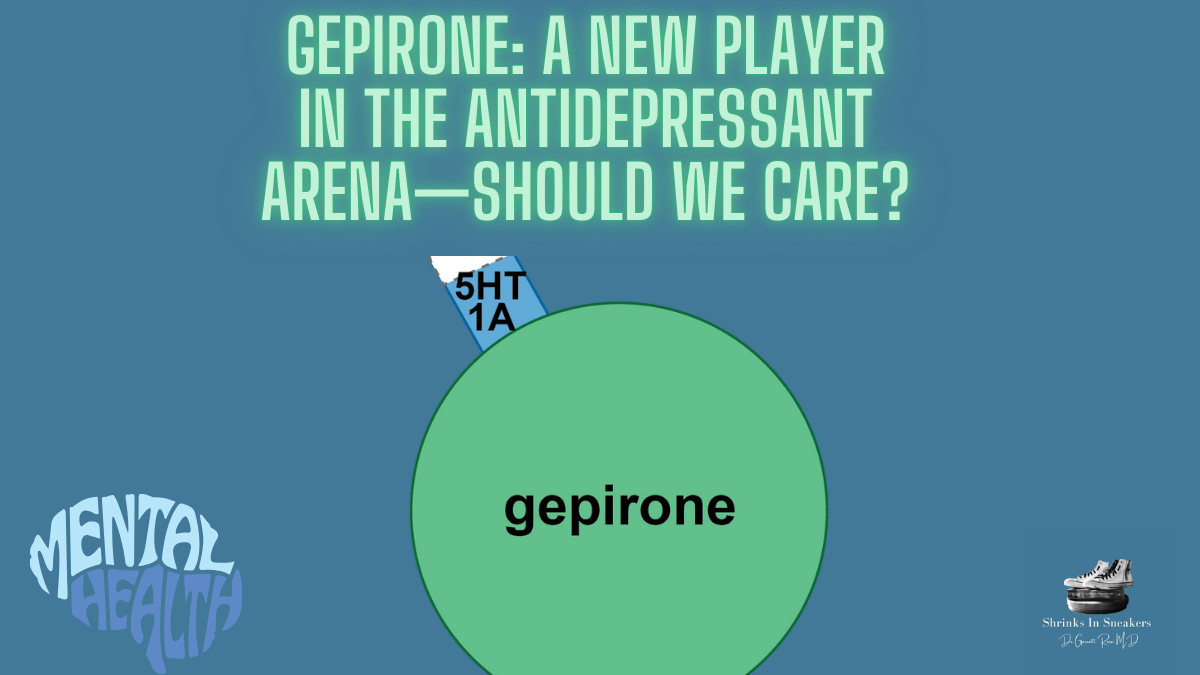
    Gepirone: A New Player in the Antidepressant Arena—Should We Care?

    Gepirone may have flown under the radar for many of us. I’ll admit, it didn’t generate much excitement on my end. However, it recently crossed a significant milestone: FDA approval as an antidepressant. But let’s not overlook its rocky path to getting there—a journey marked by hurdles and setbacks.

    The road to FDA approval for gepirone was anything but smooth. Its initial development began decades ago, but the approval process faced repeated delays and rejections. Questions about efficacy and study designs kept it in limbo for years. What ultimately got it across the finish line was a re-analysis of data demonstrating robust effects in specific populations, particularly those with significant depressive symptoms. This serves as a reminder that persistence and rigorous data reassessment can change the trajectory for medications once thought to have limited potential.

    Now that gepirone is finally available, the big question is: should we care? If so, where does it fit into our treatment algorithms for adult depression?

    With a mechanism targeting the serotonin 1A receptor as a partial agonist, gepirone offers a unique profile compared to SSRIs, SNRIs, and other standard antidepressants. Its anxiolytic effects may make it particularly appealing for patients with co-occurring anxiety. However, like any medication, it isn’t without its downsides.

    Potential side effects include nausea, dizziness, fatigue, and headache. These are generally mild, but it’s important to monitor for tolerability in sensitive patients. Gepirone also carries warnings about potential interactions with other serotonergic agents, raising the risk of serotonin syndrome. While this risk isn’t unique to gepirone, it’s a critical point to keep in mind when integrating it into a treatment plan.

    So, where does gepirone fit? Will it serve as a first-line option for certain patients, or will it find a niche role for those with specific tolerability issues or suboptimal responses to other antidepressants?

    I’d love to hear your thoughts. Is gepirone a tool worth adding to our arsenal, or just another option that might not shift the needle much in clinical practice?

  • Authenticity & Purpose: The Keys to a Fulfilling Life

    Authenticity & Purpose: The Keys to a Fulfilling Life

    In 2024, I experienced an ego death. Everything I thought I was—and everything I believed I was destined to become—came crashing down. It forced me to confront some deeply uncomfortable questions: Was I doing things for the right reasons, or was I driven by ego and a perfectionist need for validation? Like so many of us, I was chasing that elusive prize at the end of the rainbow, convinced it would finally make me feel whole.

    What I know now, without a doubt, is that much of what I was pursuing wasn’t rooted in authenticity. It wasn’t going to make me happy or satisfy my hunger for “the next big thing.” I also realized how misguided I had been in thinking I had it all figured out.

    As I approach the holiday season and the new year, I’m making two promises to myself:

    1. I will do things only for the right reasons and say no to anything that doesn’t align with my values or bring genuine fulfillment.
    2. I will love myself the way I’ve always deserved to be loved.

    No house, car, or professional accomplishment can replace true self-love. Those things might be nice, but they aren’t what makes life beautiful. The real beauty comes from within.

    Happy Holidays

    Dr. G

  • APA Updates Guidance on Borderline Personality Disorder: What Clinicians Need to Know

    APA Updates Guidance on Borderline Personality Disorder: What Clinicians Need to Know

    Borderline Personality Disorder (BPD) is one of the most misunderstood and challenging conditions in psychiatric practice. It’s a topic I’m particularly passionate about, as patients with BPD are frequently misdiagnosed, and many clinicians hesitate to assign the diagnosis due to stigma or uncertainty. This reluctance often leads to suboptimal care, including the overuse of multiple medication classes without clear benefit. In response to these challenges, the American Psychiatric Association (APA) has recently updated its guidelines on BPD, providing a more comprehensive framework to enhance diagnosis and treatment. This update represents a significant step forward in improving care for a condition that has long been underserved.

    1. Diagnosis and Early Detection

    The updated guidance emphasizes the importance of early identification of BPD symptoms, particularly in adolescence and early adulthood. It encourages clinicians to use structured diagnostic tools alongside clinical interviews to reduce misdiagnosis and stigma.

    2. Therapeutic Approaches

    Evidence-based psychotherapies remain the cornerstone of BPD treatment. Dialectical Behavior Therapy (DBT) continues to hold strong empirical support, but the APA has expanded its recommendations to include:

    • Mentalization-Based Therapy (MBT)
    • Transference-Focused Psychotherapy (TFP)
    • Good Psychiatric Management (GPM)

    The guidance highlights the importance of tailoring therapy to individual patient needs, with a focus on building trust and managing emotional dysregulation.

    3. Medications

    While no medications are FDA-approved specifically for BPD, the APA guidance underscores the role of pharmacotherapy in managing co-occurring conditions such as mood disorders, anxiety, and impulsivity. Clinicians are advised to take a cautious and evidence-based approach to prescribing, avoiding polypharmacy whenever possible.

    4. Stigma Reduction and Patient Advocacy

    The guidance calls for a shift in how clinicians, patients, and society perceive BPD. Educating patients and their families about the condition, normalizing treatment, and advocating for systemic support are crucial components.

    5. Integrative and Community-Based Care

    The APA emphasizes the need for multidisciplinary care teams and integrating care across settings. This includes collaboration with primary care providers, social services, and crisis intervention programs to ensure continuity of care.

    6. Focus on Outcomes and Recovery

    The updated guidance reflects a recovery-oriented approach, focusing on helping patients achieve long-term functional improvement and quality of life. Measuring treatment outcomes and adapting care plans accordingly are encouraged practices.

    Conclusion

    These updates highlight the APA’s commitment to improving outcomes for individuals living with BPD. By promoting evidence-based practices, reducing stigma, and advocating for patient-centered care, clinicians are better equipped to address the challenges associated with this condition.

    What do you think about these changes? How do you see them impacting your practice or care delivery?

  • Breaking the Benzodiazepine Cycle: Why Long-Term Use Isn’t the Answer to Anxiety

    Breaking the Benzodiazepine Cycle: Why Long-Term Use Isn’t the Answer to Anxiety

    It never ceases to astonish me when I encounter a young patient who has been prescribed 2 mg of alprazolam daily for years under the guise of treating an “anxiety disorder.” The situation becomes even more concerning when they’re simultaneously taking 30 mg of Adderall. Discussing the risks of long-term benzodiazepine use or proposing an evidence-based tapering plan over 6–12 months often elicits a defensive or negative reaction. However, I make it a point to emphasize that my approach is rooted in evidence and science, which do not support the long-term use of benzodiazepines for anxiety disorders. As clinicians, we have a responsibility to address this widespread prescribing practice, educate patients about the associated risks, and prioritize safer, evidence-based treatments.

    RCT Evidence

    1. Duration of Trials:
      • Most RCTs investigating BZDs in anxiety disorders are short-term, typically lasting 4–12 weeks. Very few extend beyond 6 months, leading to a scarcity of long-term controlled data.
    2. Efficacy:
      • BZDs, such as diazepam, alprazolam, and clonazepam, are effective in the short term for managing anxiety symptoms in generalized anxiety disorder (GAD), panic disorder (PD), and social anxiety disorder (SAD).
      • Studies often show comparable short-term efficacy between BZDs and SSRIs or SNRIs, though BZDs act faster.
    3. Tapering and Relapse:
      • Long-term RCTs involving tapering strategies suggest that discontinuation often leads to relapse of anxiety symptoms, which can complicate the interpretation of their role in maintaining anxiety control versus masking symptoms.
      • Some studies (e.g., long-term diazepam use in GAD) found sustained symptom relief in individuals maintained on the medication compared to those tapered off, but these are limited and subject to biases such as withdrawal effects.
    4. Combination with Other Treatments:
      • Some RCTs have explored BZDs as adjunctive therapy, particularly during the initiation of antidepressants, to mitigate early anxiety exacerbation. Long-term data, however, are sparse, and most combination studies focus on the acute phase.

    Concerns with Long-Term Use:

    1. Tolerance and Dependence:
      • Long-term BZD use is associated with tolerance (requiring higher doses for the same effect) and dependence, with withdrawal symptoms often mimicking anxiety.
      • This complicates distinguishing between anxiety relapse and withdrawal during tapering in long-term trials.
    2. Cognitive Effects:
      • Chronic BZD use is linked to potential cognitive impairment, particularly in attention and memory, which may persist even after discontinuation.
    3. Risk of Misuse:
      • Prolonged use carries a risk of misuse, particularly in populations with comorbid substance use disorders.
    4. Lack of Evidence-Based Guidelines:
      • While short-term efficacy is well-documented, there is insufficient RCT evidence to strongly support long-term BZD use as a monotherapy for anxiety disorders.

    Clinical Implications:

    • Indications for Long-Term Use:
      • Long-term use may be justified in select patients, such as those who fail other treatments, have contraindications to antidepressants, or require intermittent use for episodic anxiety (e.g., situational SAD).
    • Guidelines and Best Practices:
      • Professional guidelines typically recommend using BZDs as a short-term bridge or for situational anxietywhile prioritizing SSRIs, SNRIs, or CBT for long-term management.
      • If BZDs are used long-term, clinicians should aim for the lowest effective dose, regularly reassess the risk-benefit ratio, and educate patients about dependence.
  • Clozapine: Unlocking Relief for Negative Symptoms in Schizophrenia

    Clozapine: Unlocking Relief for Negative Symptoms in Schizophrenia

    Clozapine has been studied extensively in schizophrenia, particularly for treatment-resistant cases. Its role in managing negative symptoms (e.g., apathy, alogia, anhedonia, social withdrawal) has been investigated in various randomized controlled trials (RCTs).

    RCT Evidence for Clozapine in Negative Symptoms

    1. Clozapine vs. Typical Antipsychotics
      • Several studies have shown clozapine’s superiority over first-generation antipsychotics (FGAs) like haloperidol in reducing negative symptoms.
      • Example: A landmark RCT (Kane et al., 1988) demonstrated that clozapine not only reduced positive symptoms but also had beneficial effects on negative symptoms, potentially due to its unique pharmacology (e.g., serotonin-dopamine antagonism, NMDA receptor modulation).
    2. Clozapine vs. Other Atypical Antipsychotics
      • Mixed Results: Some RCTs suggest that clozapine is more effective than other atypical antipsychotics (e.g., risperidone or olanzapine) in improving negative symptoms, while others show no significant difference.
      • A meta-analysis of head-to-head RCTs found that while clozapine had modest effects on negative symptoms, differences between it and other atypicals were small.
    3. Clozapine in Primary Negative Symptoms
      • Challenges: True primary negative symptoms (not secondary to positive symptoms, sedation, or depression) are challenging to isolate in trials.
      • Some RCTs highlight that clozapine’s effects on negative symptoms might be indirect, mediated by improvements in positive symptoms, cognitive function, or overall social functioning.
    4. Adjunctive Therapies
      • RCTs combining clozapine with adjuncts like antidepressants (e.g., fluvoxamine) or cognitive enhancers (e.g., aripiprazole, NMDA modulators) have been conducted. While adjunctive strategies show promise, the evidence remains preliminary and inconsistent.

    Potential Mechanism

    Clozapine’s effects on negative symptoms may be attributed to:

    • Serotonin-Dopamine Antagonism: Improved dopamine transmission in the mesocortical pathway.
    • Glutamatergic Modulation: Effects on NMDA and AMPA receptors.
    • Anti-inflammatory Properties: Reduced neuroinflammation may play a role in symptom improvement.
    • Sedation Reduction: Lower propensity for extrapyramidal side effects compared to FGAs.

    Limitations of Evidence

    • Heterogeneity: Most RCTs mix patients with primary and secondary negative symptoms, confounding results.
    • Measurement Challenges: The assessment of negative symptoms in trials is often subjective and prone to bias.
    • Indirect Effects: Improvements may stem from reductions in positive symptoms or cognitive enhancements rather than direct action on negative symptoms.

    Key Takeaway

    Clozapine shows some benefit for negative symptoms, particularly when compared to FGAs and in cases with secondary negative symptoms. However, its effects on primary negative symptoms are modest, and it is generally not considered the first-line choice for this domain of schizophrenia. Adjunctive approaches or newer agents might offer additional promise.

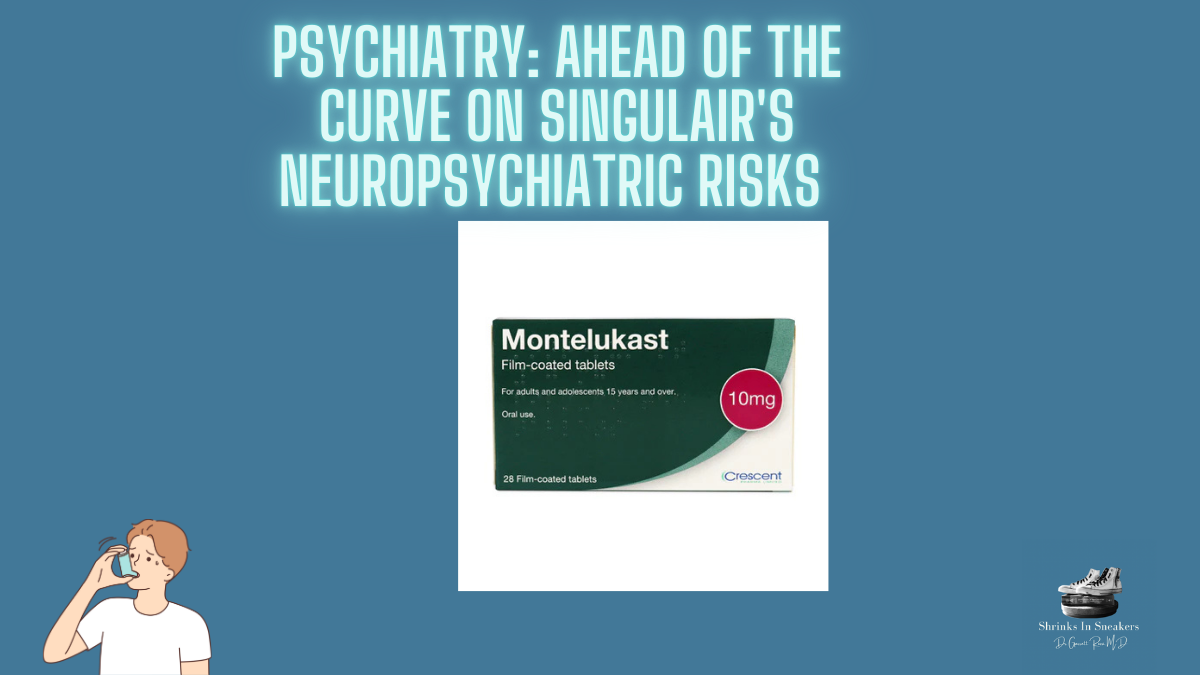
  • Psychiatry: Ahead of the Curve on Singulair’s Neuropsychiatric Risks

    Psychiatry: Ahead of the Curve on Singulair’s Neuropsychiatric Risks

    Psychiatry is often criticized for being “late to the table” when it comes to recognizing the broader impacts of medical treatments. However, in the case of Singulair (montelukast), psychiatry has been aware of its potential neuropsychiatric effects for quite some time.

    Singulair, widely used for asthma and allergic rhinitis, has long been associated with side effects such as mood changes, anxiety, depression, and even suicidality. This connection has been documented for years, yet the broader medical community and regulatory bodies have taken time to fully address these risks.

    Recently, the FDA issued a new warning aimed at heightening awareness of montelukast’s neuropsychiatric side effects. This update emphasizes the importance of assessing the risk-benefit ratio, particularly for patients with mild conditions where alternative treatments may suffice.

    Psychiatry’s Role

    Psychiatrists have long recognized and documented cases where montelukast seemed to exacerbate or trigger psychiatric symptoms. Many of us have seen patients whose mood instability or new-onset anxiety correlated with starting the medication, leading to its discontinuation and subsequent symptom improvement.

    Why This Matters

    This development underscores the value of psychiatry’s vigilance in identifying patterns that might initially go unnoticed in other fields. It’s also a reminder of the importance of collaboration between specialties to ensure patient safety.

    Key Takeaways:

    • Patients and families: Be aware of the potential neuropsychiatric side effects of montelukast. Monitor mood, sleep, and behavior changes closely, especially in children.
    • Clinicians: Always evaluate the necessity of montelukast in mild cases and consider alternatives when possible. Open conversations with patients about these risks can be life-saving.
    • Psychiatrists: Continue advocating for the recognition of neuropsychiatric risks in non-psychiatric medications. Our input is crucial in ensuring patient safety.

    Psychiatry wasn’t late to this table. In fact, we may have set it.

  • Antidepressants and School Shootings: Debunking Ungrounded Claims in a Complex Crisis

    Antidepressants and School Shootings: Debunking Ungrounded Claims in a Complex Crisis

    In times of societal turmoil, it’s natural for people to search for reasons behind tragedies. However, as scientists and clinicians, it’s our duty to address myths with evidence and guide public discourse toward meaningful solutions. Linking antidepressants to school shootings oversimplifies a multifaceted problem, diverts attention from real issues, and perpetuates harmful misconceptions.

    Understanding the Evidence

    1. FDA Warnings and Black Box Labeling

    • In 2004, the FDA introduced black-box warnings on antidepressants, citing an increased risk of suicidal thoughts and behaviors in individuals under 25 during the early stages of treatment.
    • While well-intentioned, this warning has inadvertently reduced antidepressant use in some cases, leading to untreated depression and potentially worse outcomes.

    2. Aggression and Behavioral Changes

    • Rare case reports describe paradoxical effects like increased irritability or aggression, but these reports are anecdotal and often involve patients who may have undiagnosed conditions, such as bipolar disorder.
    • Case reports represent the lowest level of scientific evidence. They highlight rare phenomena but cannot establish causation.

    3. Lack of Causal Evidence

    • Comprehensive studies and meta-analyses have consistently failed to find a causal link between antidepressants and violent behavior.
    • On a broader scale, antidepressant use is associated with reduced rates of violent crime and suicide, underscoring their therapeutic benefits in managing mental health conditions.

    4. School Shootings: A Multifactorial Crisis

    • These tragic events are exceedingly rare and result from a confluence of factors, including access to firearms, social isolation, trauma, and untreated psychiatric illnesses.
    • Simplistic narratives blaming antidepressants ignore the broader societal and systemic issues at play.

    5. Public Concern and Media Narratives

    • High-profile cases have sometimes involved individuals prescribed antidepressants. However, media narratives often amplify anecdotal links without rigorous scientific backing, fueling public fears unnecessarily.

    Current Recommendations

    • Clinicians continue to weigh the risks and benefits of antidepressants, particularly in younger populations, while emphasizing close monitoring during treatment initiation.
    • Effective treatment typically combines medication with psychotherapy, a holistic approach proven to reduce risks and improve outcomes.

    Call to Action

    Rather than succumbing to fear-driven narratives, we must focus on evidence-based solutions for mental health care, responsible gun ownership, and addressing social determinants of violence. Antidepressants save lives when used appropriately and should not be scapegoated for society’s broader challenges.

    By addressing myths with facts, we can foster more informed and productive discussions on preventing violence and supporting mental health.

  • Hallucinogens: A Trip Not Everyone Should Take

    Hallucinogens: A Trip Not Everyone Should Take

    The recent JAMA Psychiatry study, Emergency Department Visits Involving Hallucinogen Use and Risk of Schizophrenia Spectrum Disorder, explored a notable increase in emergency department (ED) visits related to hallucinogen use, with a focus on potential links to the onset of schizophrenia spectrum disorders.

    Key Findings:

    1. Rise in Hallucinogen-Related ED Visits:
      • The number of ED visits due to hallucinogens, including LSD, psilocybin, and MDMA, has significantly risen, particularly among younger populations. This aligns with changing perceptions of these substances in some parts of society.
    2. Connection to Schizophrenia Spectrum Disorders:
      • Individuals who presented at EDs for hallucinogen-related issues were found to have a higher risk of later developing schizophrenia spectrum disorders. The study suggests a potential association between hallucinogen use and triggering or exacerbating underlying psychiatric vulnerabilities.
    3. Demographic Insights:
      • The rise in hallucinogen use and related health complications appears to disproportionately affect young adults and men. These groups may face greater risks due to higher consumption rates and potential genetic predispositions to mental health disorders.
    4. Clinical Implications:
      • Emergency physicians and mental health professionals are encouraged to screen for hallucinogen use during ED visits, particularly in individuals showing early signs of psychosis. Early identification and intervention may help mitigate long-term mental health outcomes.

    This study emphasizes the importance of public health strategies addressing hallucinogen use, including education on potential risks and the establishment of protocols to identify and treat associated psychiatric conditions.

    Link to the article: https://jamanetwork.com/journals/jamapsychiatry/article-abstract/2825649