Tag: depression treatment

  • When Expectations Matter: Antidepressant Efficacy vs. Psilocybin’s Unique Impact

    When Expectations Matter: Antidepressant Efficacy vs. Psilocybin’s Unique Impact

    It’s always valuable to challenge our own assumptions, especially in areas as complex as mental health treatment. A secondary analysis of a randomized controlled trial, recently published in JAMA Psychiatry, explored the role of treatment expectancies in the efficacy of psilocybin versus escitalopram for depression.

    I’ve often argued that blinding these studies is challenging, and participants are likely to have higher expectations for psychedelics like psilocybin. However, this analysis provides a nuanced perspective.

    While participants did report higher expectations for psilocybin’s effectiveness compared to escitalopram, expectancy only seemed to impact outcomes in the escitalopram group. A stronger belief in escitalopram’s efficacy correlated with better results for those receiving it. In contrast, expectancy didn’t significantly influence psilocybin’s effectiveness.

    Another intriguing finding: individuals with higher pre-treatment suggestibility showed more significant therapeutic responses to psilocybin—a pattern not observed in the escitalopram group.

    Although this is a secondary analysis and not the final word on the topic, it raises fascinating questions. Could psilocybin’s therapeutic mechanisms be less reliant on patient expectations than traditional antidepressants?

    For now, this remains an open question, but I’ll be closely following future research as it unfolds.

    Link to article: https://pubmed.ncbi.nlm.nih.gov/39653344/

  • Personalized Medicine for Anxiety and Depression: Advancing Science or Elusive Promise?

    Personalized Medicine for Anxiety and Depression: Advancing Science or Elusive Promise?

    For some time now, I’ve believed that the diagnostic categories of major depression and generalized anxiety disorder are too broad to effectively guide treatment. Our current approach often relies on a one-size-fits-all strategy, using psychotherapy or medication based on generalized diagnostic criteria. Unfortunately, the outcomes reflect this lack of precision: roughly one-third of patients improve, one-third see no change, and one-third worsen. These statistics are disheartening, especially given the profound impact these disorders have on patients’ lives.

    While this study offers valuable insights into the neurobiological underpinnings of depression and anxiety, it falls short in providing practical solutions for the average clinician. The specialized testing required to identify these differences remains cumbersome and is currently limited to research settings. What we urgently need are more accessible and efficient tools for implementing personalized medicine, enabling these advances to reach the patients who need them most.

    A recent study, Personalized brain circuit scores identify clinically distinct biotypes in depression and anxiety, sheds light on a groundbreaking approach to understanding mood and anxiety disorders. By leveraging advanced neuroimaging and machine learning techniques, researchers have developed “personalized brain circuit scores” to uncover clinically distinct biotypes among individuals with depression and anxiety.

    1. Biotypes: Moving Beyond Traditional Diagnosis

    Traditional psychiatric diagnoses often group diverse presentations under broad categories, leading to variability in treatment outcomes. This study challenges the status quo by identifying neurobiologically distinct subtypes—or biotypes—based on brain circuit activity. These biotypes provide a more precise framework for understanding individual experiences and may pave the way for tailored treatments.

    2. Methodology: Leveraging Neuroimaging and Machine Learning

    Using functional MRI (fMRI), researchers analyzed patterns of connectivity within and between key brain regions implicated in mood regulation, such as the prefrontal cortex, amygdala, and striatum. Machine learning models assigned scores that quantified circuit-specific abnormalities for each participant. These scores were used to cluster individuals into biotypes.

    3. Clinical Implications

    The identified biotypes corresponded to clinically relevant distinctions, such as:

    • Symptom profiles (e.g., anhedonia vs. hyperarousal).
    • Differential response to treatments like SSRIs, CBT, or neuromodulation.
    • Prognostic outcomes, suggesting some biotypes may be more treatment-resistant or prone to relapse.

    4. Toward Precision Psychiatry

    This study exemplifies the shift toward precision psychiatry, where treatment decisions are informed by individual brain signatures rather than symptom checklists alone. For example, a patient with a biotype characterized by hyperactive amygdala-prefrontal connectivity might benefit more from interventions targeting emotional regulation, such as mindfulness-based therapies or targeted neuromodulation.

    5. Limitations and Future Directions

    While promising, this research is in its early stages. The generalizability of biotypes across diverse populations and clinical settings requires further validation. Additionally, the integration of personalized circuit scores into routine clinical practice faces logistical and ethical challenges, including access to advanced neuroimaging.

    Takeaway for Clinicians and Researchers

    The study emphasizes the heterogeneity within depression and anxiety disorders and highlights the importance of moving toward biologically informed frameworks. For clinicians, this underscores the need to consider individual variability in treatment planning. For researchers, it opens avenues for studying neurobiologically grounded interventions and refining diagnostic systems.

    As personalized medicine gains traction in psychiatry, tools like brain circuit scores may revolutionize how we diagnose and treat mental health disorders, ensuring that each patient receives the most effective care tailored to their unique neurobiology.

  • Gepirone: A New Player in the Antidepressant Arena—Should We Care?

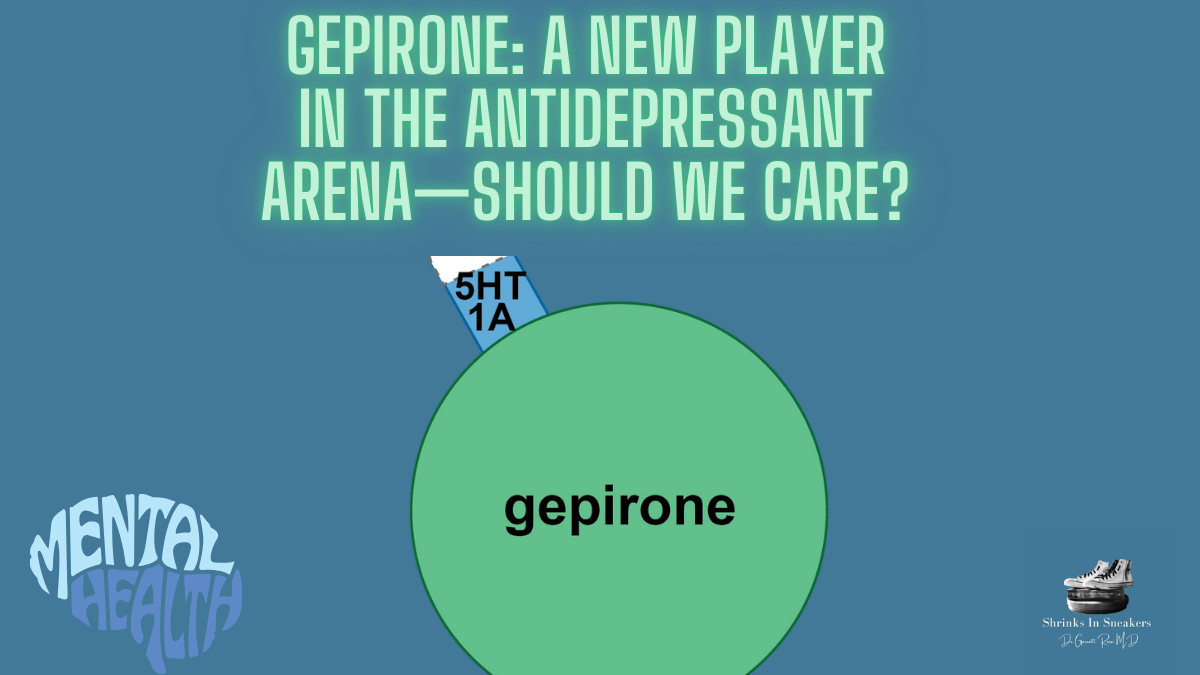
    Gepirone: A New Player in the Antidepressant Arena—Should We Care?

    Gepirone may have flown under the radar for many of us. I’ll admit, it didn’t generate much excitement on my end. However, it recently crossed a significant milestone: FDA approval as an antidepressant. But let’s not overlook its rocky path to getting there—a journey marked by hurdles and setbacks.

    The road to FDA approval for gepirone was anything but smooth. Its initial development began decades ago, but the approval process faced repeated delays and rejections. Questions about efficacy and study designs kept it in limbo for years. What ultimately got it across the finish line was a re-analysis of data demonstrating robust effects in specific populations, particularly those with significant depressive symptoms. This serves as a reminder that persistence and rigorous data reassessment can change the trajectory for medications once thought to have limited potential.

    Now that gepirone is finally available, the big question is: should we care? If so, where does it fit into our treatment algorithms for adult depression?

    With a mechanism targeting the serotonin 1A receptor as a partial agonist, gepirone offers a unique profile compared to SSRIs, SNRIs, and other standard antidepressants. Its anxiolytic effects may make it particularly appealing for patients with co-occurring anxiety. However, like any medication, it isn’t without its downsides.

    Potential side effects include nausea, dizziness, fatigue, and headache. These are generally mild, but it’s important to monitor for tolerability in sensitive patients. Gepirone also carries warnings about potential interactions with other serotonergic agents, raising the risk of serotonin syndrome. While this risk isn’t unique to gepirone, it’s a critical point to keep in mind when integrating it into a treatment plan.

    So, where does gepirone fit? Will it serve as a first-line option for certain patients, or will it find a niche role for those with specific tolerability issues or suboptimal responses to other antidepressants?

    I’d love to hear your thoughts. Is gepirone a tool worth adding to our arsenal, or just another option that might not shift the needle much in clinical practice?

  • New Strategies to Slow Cognitive Loss in Major Depression

    New Strategies to Slow Cognitive Loss in Major Depression

    📢 New Publication Alert in JAMA Psychiatry 🧠📄

    Today’s issue of JAMA Psychiatry highlights an important breakthrough study titled: “Slowing cognitive decline in major depressive disorder and mild cognitive impairment: A randomized controlled trial.”

    This publication reveals the primary findings from the PACt-MD study (Prevention of Alzheimer’s dementia with Cognitive remediation plus transcranial direct current stimulation in Mild cognitive impairment and Depression). This large-scale RCT examined whether combining cognitive remediation therapy (CRT) with transcranial direct current stimulation (tDCS) could effectively slow cognitive decline in individuals with both mild cognitive impairment (MCI) and major depressive disorder (MDD).

    Key Findings:

    • The combination of CRT and tDCS showed promising effects in decelerating cognitive decline in patients with MCI and MDD.
    • Improved cognitive outcomes were observed in specific areas such as memory, executive function, and attention compared to control groups.

    Why This Matters: Cognitive impairment is a critical concern in both MCI and MDD, often leading to functional decline and increased dementia risk. This study provides valuable insights into non-pharmacological approaches to mitigate cognitive deterioration in high-risk populations.

    🔍 Stay tuned for more on the methodology and detailed results. This could open doors to novel, accessible interventions for those at risk of Alzheimer’s and cognitive impairment.

    Artile lonk: https://pubmed.ncbi.nlm.nih.gov/32568198/

  • Lurasidone vs. Quetiapine: Which Will Emerge as the Top Choice for Bipolar Depression?

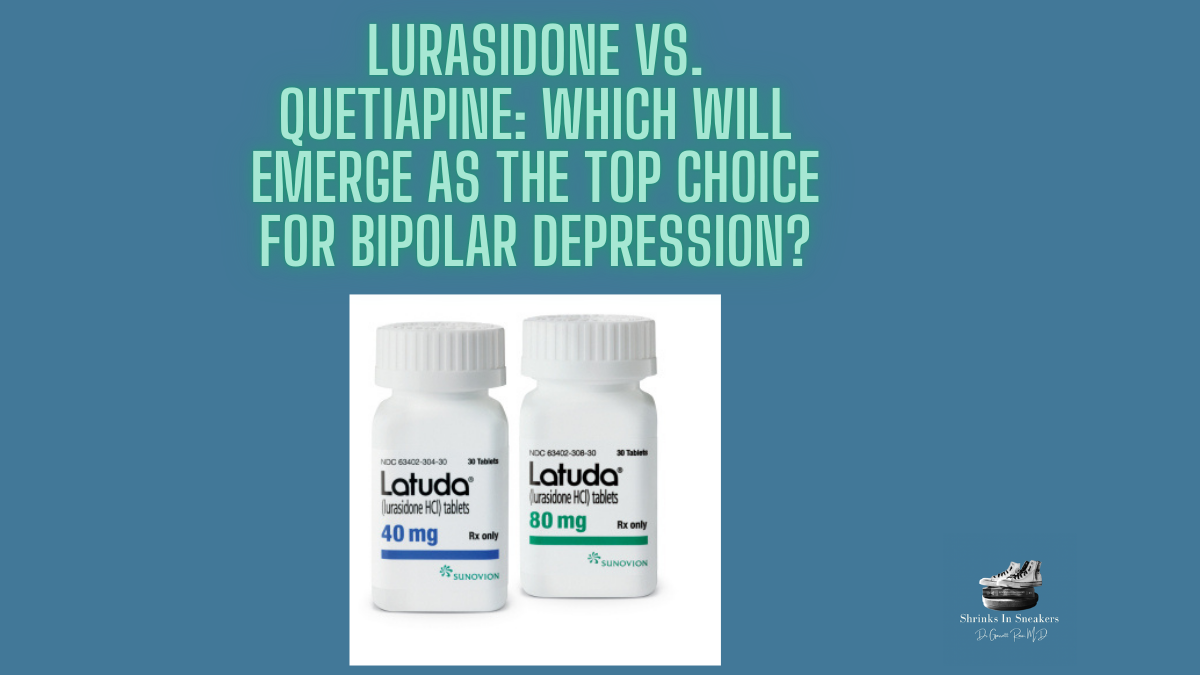
    Lurasidone vs. Quetiapine: Which Will Emerge as the Top Choice for Bipolar Depression?

    Bipolar depression is a challenging and common condition, with limited options for effective medication management. Finding the best treatment can be tough, especially given the lack of high-quality head-to-head comparisons in the literature. Two frequently prescribed medications for bipolar depression, quetiapine and lurasidone, are both solid options—but is one truly superior to the other?

    Head-to-head randomized controlled trials comparing lurasidone and quetiapine specifically for bipolar depression are relatively limited. However, both medications have established evidence in treating bipolar depression, with some distinctions in efficacy, safety, and tolerability that can be informative for comparison.

    1. Efficacy: Studies suggest that both lurasidone and quetiapine are effective in treating depressive symptoms in bipolar disorder. Quetiapine, particularly at doses of 300 mg or 600 mg, has shown significant efficacy in reducing depressive symptoms, whereas lurasidone also demonstrates effectiveness at doses typically ranging from 20 mg to 120 mg. Head-to-head trials generally find comparable efficacy between the two, though quetiapine may be preferred in certain cases for its sedative effects, which can help with associated insomnia in bipolar depression.
    2. Tolerability and Side Effects: Lurasidone tends to have a more favorable side effect profile, with a lower risk of weight gain, metabolic issues, and sedation compared to quetiapine. Quetiapine is often associated with more sedation and metabolic side effects, such as weight gain and increased cholesterol and triglycerides, which may be more pronounced at higher doses. Lurasidone’s side effect profile may make it a better option for patients where weight gain or sedation is a concern.
    3. Functioning and Quality of Life: Some studies highlight that patients on lurasidone report better functioning and fewer sedative effects, which may positively impact quality of life, particularly for those sensitive to the sedative properties of quetiapine.
    4. Dropout Rates: Due to quetiapine’s sedative side effects, some patients discontinue it more often than lurasidone. Lurasidone’s lower risk for sedation and weight gain tends to improve adherence for those struggling with quetiapine’s tolerability.

    Both medications are effective for bipolar depression, but lurasidone may be better tolerated overall, especially concerning weight gain and sedation. We should not forget that lurasidone carriers an equally concerning side effect of akathisia which can also increase dropout rates especially at higher doses. Additional direct head-to-head trials would be valuable to further elucidate these findings.

  • MAOIs: Mechanism of Action, Common Medications, and Side Effects

    MAOIs: Mechanism of Action, Common Medications, and Side Effects

    Mechanism of Action

    Monoamine oxidase inhibitors (MAOIs) are a class of medications primarily used to treat depression. They work by inhibiting the activity of monoamine oxidase enzymes (MAO-A and MAO-B). These enzymes are responsible for breaking down neurotransmitters such as serotonin, norepinephrine, and dopamine in the brain. By inhibiting these enzymes, MAOIs increase the levels of these neurotransmitters, which can help improve mood and alleviate depressive symptoms.

    Common Medications

    1. Phenelzine (Nardil)
    2. Tranylcypromine (Parnate)
    3. Isocarboxazid (Marplan)
    4. Selegiline (Emsam) – Available as a transdermal patch

    Side Effects

    MAOIs can have significant side effects and interactions, which is why they are often not the first choice for treating depression. Some common side effects include:

    1. Hypertensive Crisis: Consuming foods high in tyramine (such as aged cheeses, cured meats, and fermented products) can cause dangerously high blood pressure.
    2. Orthostatic Hypotension: A sudden drop in blood pressure when standing up, leading to dizziness or fainting.
    3. Insomnia: Difficulty falling or staying asleep.
    4. Weight Gain: An increase in body weight over time.
    5. Sexual Dysfunction: Decreased libido, erectile dysfunction, or difficulty achieving orgasm.
    6. Headaches: Frequent or severe headaches.
    7. Edema: Swelling, particularly in the lower limbs.
    8. Fatigue: General feeling of tiredness or lack of energy.
    9. Dry Mouth: Reduced saliva production, leading to a dry sensation in the mouth.

    Precautions

    • Dietary Restrictions: Due to the risk of hypertensive crisis, patients on MAOIs must follow strict dietary restrictions to avoid tyramine-rich foods.
    • Drug Interactions: MAOIs can interact with numerous medications, including over-the-counter drugs, other antidepressants, and certain pain medications, potentially leading to severe or life-threatening conditions.
    • Medical Monitoring: Regular monitoring by a healthcare professional is essential to manage and mitigate potential side effects and interactions.

    MAOIs can be effective for certain patients, particularly those who have not responded to other antidepressant treatments. However, their use requires careful management due to their side effect profile and interaction potential.

  • Facing Treatment-Resistant Depression? Your Risk of Death Could Skyrocket

    Facing Treatment-Resistant Depression? Your Risk of Death Could Skyrocket

    A recent population-based cohort study examining cause-specific mortality in treatment-resistant major depression (TRD) revealed significant findings about the increased risks faced by those with TRD. The study, which analyzed data from over 176,000 Finnish patients diagnosed with major depressive disorder (MDD), found that approximately 11% of these patients developed TRD, meaning they did not respond to at least two adequate treatment trials.

    Key findings include that patient’s with TRD had a 17% higher overall mortality rate compared to non-TRD patients. The study highlights that much of this elevated mortality stems from external causes, with TRD patients facing nearly double the risk of suicide and a 27% higher chance of accidental death. Factors like male gender, psychotic depression, and rapid failure of initial treatments were linked to higher mortality risks.

    These findings highlight the importance of early intervention and aggressive treatment strategies for those diagnosed with TRD. The study suggests that clinicians should monitor patients closely and consider alternative therapeutic interventions, such as electroconvulsive therapy (ECT) or transcranial magnetic stimulation (TMS), when conventional treatments fail​

    Link to the article: https://www.sciencedirect.com/science/article/pii/S0165032724015490?via%3Dihub

  • The Dirty Little Secret They Won’t Tell You About Psychedelics

    The Dirty Little Secret They Won’t Tell You About Psychedelics

    It’s obvious to me, but I think the public, including many of our patients, remains unaware of a crucial truth: Psychedelics will not cure your depression, your PTSD, or your difficult life circumstances.

    There’s a growing wave of enthusiasm around psychedelics as miracle cures for mental health conditions, but the hard reality is that the evidence just doesn’t back it up—at least not yet. Even if you find yourself on the hopeful side, believing we desperately need alternatives to alleviate people’s suffering, the reported benefits of these substances have not been validated by large, rigorous, randomized controlled trials. The buzz around psychedelics often overshadows the fact that they lack the necessary scientific backing to support their mainstream use in treating complex mental health issues like depression or PTSD.

    Let’s not ignore the financial stakes here either: The people promoting these drugs stand to make billions of dollars. There’s a lot of money on the table, and many in the academic community are rallying behind these companies. But we should ask ourselves—are they doing so because of solid science or because of the potential financial windfall?

    These drugs have been around for decades, yet one consistent truth I’ve observed in every person I’ve known who’s used them is this: You must use them repeatedly, and they almost always experience a relapse of symptoms over time. There’s no permanent fix here, just a temporary reprieve, if even that.

    We can draw parallels with other treatments like ECT (electroconvulsive therapy) and ketamine. Both have shown promise in certain cases, but I’ve yet to see anyone cured by these treatments. We often perform maintenance ECT and maintenance ketamine therapy for this very reason. Just like psychedelics, they might offer temporary relief, but they don’t provide long-term solutions without ongoing interventions.

    I understand this may come off as cynical, but I’ve seen too many people fall for the hype, only to be disappointed later. People far more charismatic than me will try to convince you that psychedelics will cure everything that ails you—for a hefty price tag. Don’t buy into it without questioning the science and the motives behind the push.

  • Suicide Pods: A Grim Symptom of Our Global Mental Health Crisis

    Suicide Pods: A Grim Symptom of Our Global Mental Health Crisis

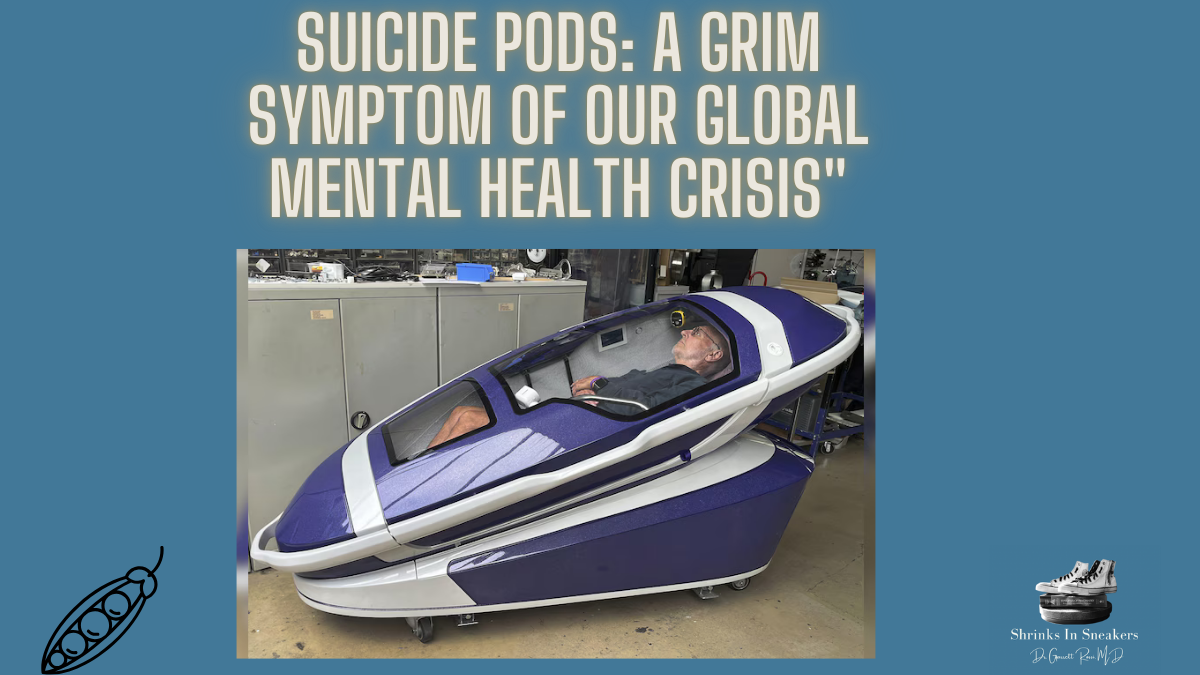
    Several individuals were arrested following the death of a 64-year-old American woman who used a controversial “suicide pod” in Switzerland. The device, known as Sarco, enables individuals to end their lives by releasing nitrogen gas, causing a painless death through oxygen deprivation. The incident occurred in the Schaffhausen canton near the Swiss-German border, supervised by a Swiss assisted suicide organization, The Last Resort

    Authorities detained several people involved, including Florian Willet, the co-president of The Last Resort, a journalist, and others, on charges of inducing and aiding suicide. Although assisted suicide is legal in Switzerland, the use of the Sarco pod has raised questions about its compliance with safety regulations and the legality of nitrogen use in this contex

    If you or a loved one is suffering there is hope:

    Help is available 

    Speak with someone today 

    988 Suicide and Crisis Lifeline

    Languages: English, Spanish

    Hours: Available 24 hours

  • Ketamine: A Temporary Fix, Not a Cure for Depression

    Ketamine: A Temporary Fix, Not a Cure for Depression

    It’s crucial to understand that ketamine is not a cure for depression. Many individuals experience a relapse, often within 2 to 4 weeks after finishing the initial treatment. If you’re expecting ketamine to fully resolve your depression, this could lead to disappointment and potentially harmful consequences.