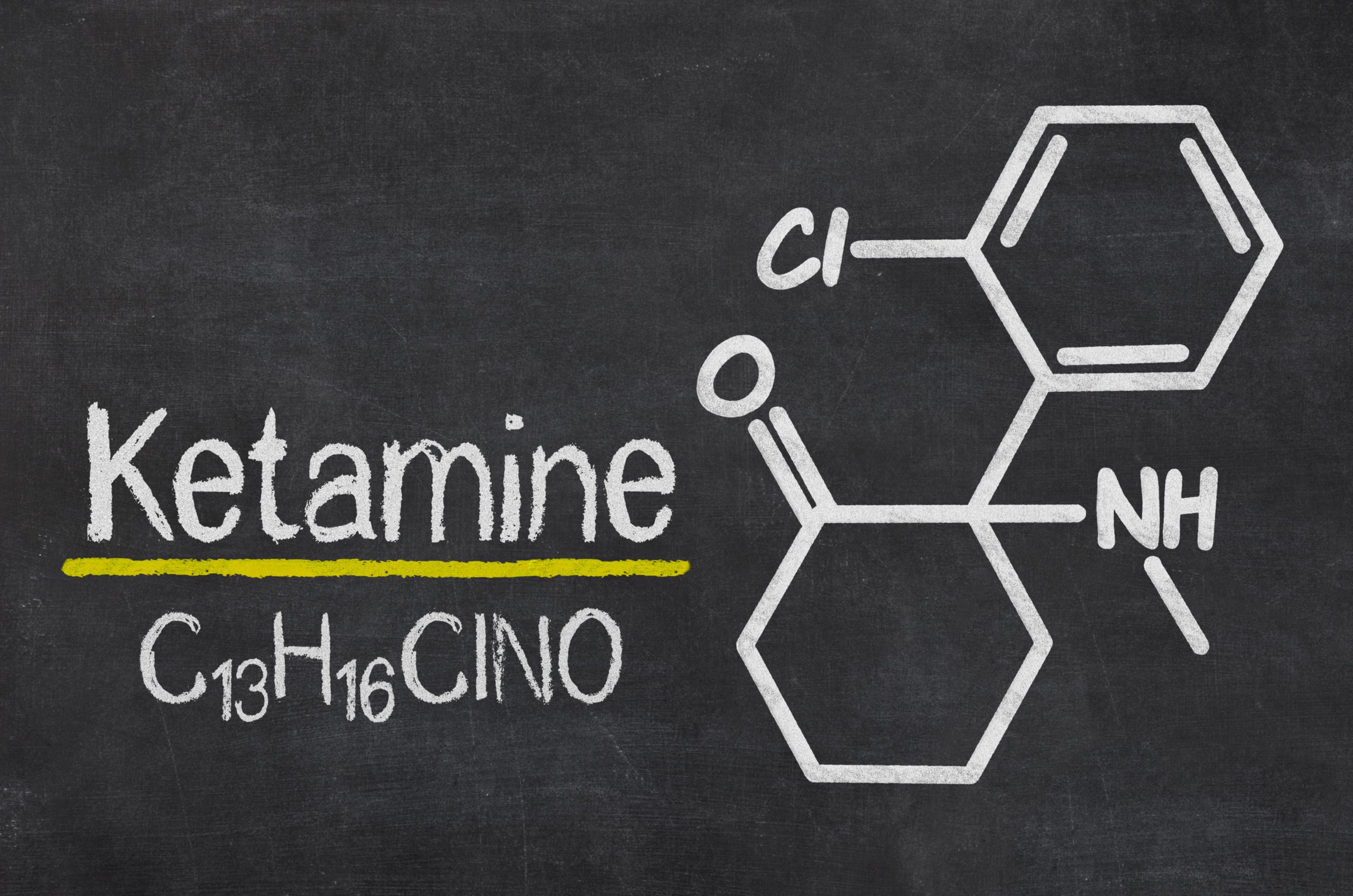
It’s crucial to understand that ketamine is not a cure for depression. Many individuals experience a relapse, often within 2 to 4 weeks after finishing the initial treatment. If you’re expecting ketamine to fully resolve your depression, this could lead to disappointment and potentially harmful consequences.
Tag: depression treatment
-

Surge in Antidepressant Overdoses Alarms Health Experts Across the U.S
Rising Antidepressant Overdoses: A Growing Concern in the U.S.
Recent data reveals that antidepressant overdoses in the U.S. have been steadily increasing from 1999 through 2022. According to a CDC report released last month, there were 5,863 overdose deaths attributed to antidepressants in 2022—numbers comparable to heroin-related fatalities, which claimed 5,871 lives. While these figures represent a small fraction of the over 100,000 overdose deaths that year—most of which involved fentanyl—they signal a troubling trend that demands attention.
Potential Causes for the Rise in Antidepressant Overdoses
Understanding the root causes of this increase is challenging, given the complexity of overdose data and the lack of detail on the exact substances involved. However, there are several factors worth considering.
First, many individuals with opioid use disorder (OUD) also suffer from co-occurring mental health conditions like depression and bipolar disorder. These patients are often prescribed antidepressants, sometimes too liberally, in my experience working in community mental health. When opioids are mixed with antidepressants, opioids are often the primary cause of death in overdoses. Yet, I’ve also encountered numerous patients who have attempted suicide using antidepressants alone.
Newer antidepressants are generally safer in overdose compared to older drugs, such as monoamine oxidase inhibitors (MAOIs) and tricyclic antidepressants (TCAs). While these older medications tend to be more effective, they come with significantly higher risks in overdose situations. This is something I frequently emphasize to residents: older drugs are more dangerous, but the newer ones, though safer, can still have serious consequences.
Chronic pain patients, who are often prescribed opioids, are another vulnerable group. Their risk of suicide is heightened by the constant pain they endure, and many of these individuals are also prescribed antidepressants like duloxetine, which is indicated for pain management, or more dangerous TCAs such as amitriptyline and nortriptyline. Additionally, gabapentin—another drug commonly prescribed to these patients—has been known to increase the risk of death when taken with opioids.
Overprescription of Antidepressants: A Contributing Factor?
There has also been a sharp rise in antidepressant prescriptions across the U.S., which I believe warrants scrutiny. Antidepressants are, at best, symptom management tools, with a modest effect size of 0.33 in many studies. Given these limited benefits, we should be more judicious about who we prescribe these medications to and for how long.
Withdrawal symptoms from long-term—and sometimes even short-term—use of antidepressants can be severe, increasing the risk of suicide. I’ve personally seen this with a family member who experienced debilitating headaches and vertigo after stopping sertraline. She was unable to work or function for nearly two weeks, highlighting how challenging withdrawal can be for some patients.
Balancing Risks and Benefits in Mental Health Treatment
Any population for whom antidepressants are considered a treatment option is inherently at high risk for suicide. That said, there are many confounding factors in the overdose data, and mainstream mental health reporting often glosses over the nuances of psychiatric research and treatment. When prescribing medications, it’s crucial to weigh not only the pros and cons of the drugs themselves but also to tailor treatment to each individual’s unique needs.
I continue to prescribe antidepressants to patients whom I’ve carefully evaluated and believe will benefit, even if only in the short term. However, I am transparent with them: antidepressants are unlikely to resolve deeper psychological conflicts or “problems of living.” Mental health is rarely black and white, and much of this uncertainty stems from our incomplete understanding of the brain.
In short, we need to acknowledge the complexity behind the rise in antidepressant overdoses and respond with a more nuanced, patient-centered approach to prescribing these medications.
Link to the article:
https://www.theguardian.com/science/article/2024/sep/03/antidepressants-overdose-deaths-increasing
-
Enlarged Brain Networks: A Hidden Signature of Depression from Childhood Onward
The article “Frontostriatal salience network expansion in individuals in depression” highlights new research findings showing that individuals with depression have enlarged brain networks associated with emotional processing. The study, conducted on both children and adults, reveals that specific brain regions linked to depression display structural differences, with these regions being larger than those in non-depressed individuals.
The researchers particularly focused on the amygdala and hippocampus, which are key to emotions and memory. This enlargement appears to start in childhood, suggesting early neurodevelopmental factors might contribute to the onset of depression later in life. The findings could lead to better understanding of depression’s biological roots and improve early detection and treatment strategies.
Link to the article: https://www.nature.com/articles/s41586-024-07805-2
-
Hidden Dangers: Unveiling the Link Between Medical Conditions and Suicide Risk
The article “Risk of Suicide Across Medical Conditions and the Role of Prior Mental Disorder” published in JAMA examines the association between various medical conditions and suicide risk, highlighting the influence of pre-existing mental disorders. Key findings include:
- Increased Suicide Risk in Certain Medical Conditions: The study identifies a significant rise in suicide risk among patients with specific conditions, such as cancer, chronic pain, neurological disorders, and respiratory diseases. Chronic illness often contributes to emotional distress, exacerbating the risk of suicide.
- Impact of Mental Health History: Individuals with a prior mental disorder are at an even higher risk of suicide when diagnosed with a medical condition. The presence of a mental disorder can amplify feelings of hopelessness, increasing vulnerability.
- Interconnected Nature of Physical and Mental Health: The research emphasizes the need for integrated care that addresses both the physical and psychological aspects of health, particularly for individuals with complex medical histories.
The article advocates for more robust screening for suicidal ideation in patients with both medical and mental health conditions and suggests collaborative treatment approaches to reduce suicide risk.
Link to article: https://jamanetwork.com/journals/jamapsychiatry/article-abstract/2822967
-
Suicide Prevention: A Personal Commitment to Hope and Healing
I thought I would share one of my favorite songs (Eminem Beautiful) as I reflect on what suicide prevention means to me.
link to song if you haven’t heard it: https://www.youtube.com/watch?v=SBb11rmHLIY
This past year has been one of the most challenging times of my life. I watched my 20-year relationship fall apart, missed crucial professional opportunities, and questioned nearly every decision I’ve ever made. To say I was struggling would be an understatement. What stung even more was the silence from people I thought were my friends—they never reached out, never asked how I was doing. It left me feeling hollow and alone.
But instead of letting that break me, I took this as a chance to reflect on who my real friends are, and I focused on building myself—mind and body—stronger than ever. I refused to let this hardship define or defeat me.
When patients tell me they’re at their breaking point, I understand that feeling. But I also know they’ve only tapped into a fraction of their strength. There’s so much more to give, more life to live. During dark times, it’s easy to feel unheard and invisible, but I promise you—I’m here, I’m listening, and we can get through anything.
If you or someone you love is in a dark place, please reach out for help. You are not alone, and your story is far from over. Don’t ever let anyone tell you that you’re not beautiful—because you are.
-
Unraveling Mixed Depression: Navigating the Overlap of Mood and Energy
In mixed depression the individual is often irritable, and elevated. They have depressed mood with at least 3 manic symptoms but do not meet the full criteria for bipolar disorder. Here I avoid the antidepressant medications and chose to focus on two medications with evidence for their efficacy. I like lurasidone and aripiprazole here, and sometimes I consider ziprasidone as well.
-
Mastering the Mind: Strategies for Tackling Anxious Depression
When treating anxious depression, SSRIs and SNRIs may not always provide sufficient relief. In such cases, I consider adding medications like quetiapine, which has a significant effect size for generalized anxiety disorder (GAD) and is FDA-approved as an augmentation strategy for depression at doses of 150–300 mg. However, due to its side effect profile, it’s advisable to limit the duration of quetiapine use when possible.
-
20 Seconds or 60 Seconds: One Doubles Your Chances of Remission
In ECT, there’s a common saying that “nothing good happens after 1 minute.” However, recent data suggests that nothing good happens if a seizure lasts less than 20 seconds either. Patients whose seizures lasted 30 seconds or longer during their first ECT session were more than twice as likely to achieve remission by the end of treatment compared to those with seizures under 20 seconds. Seizure durations around one minute appeared to provide the best chances for remission.
-
This Changes What We Know About How ECT Works
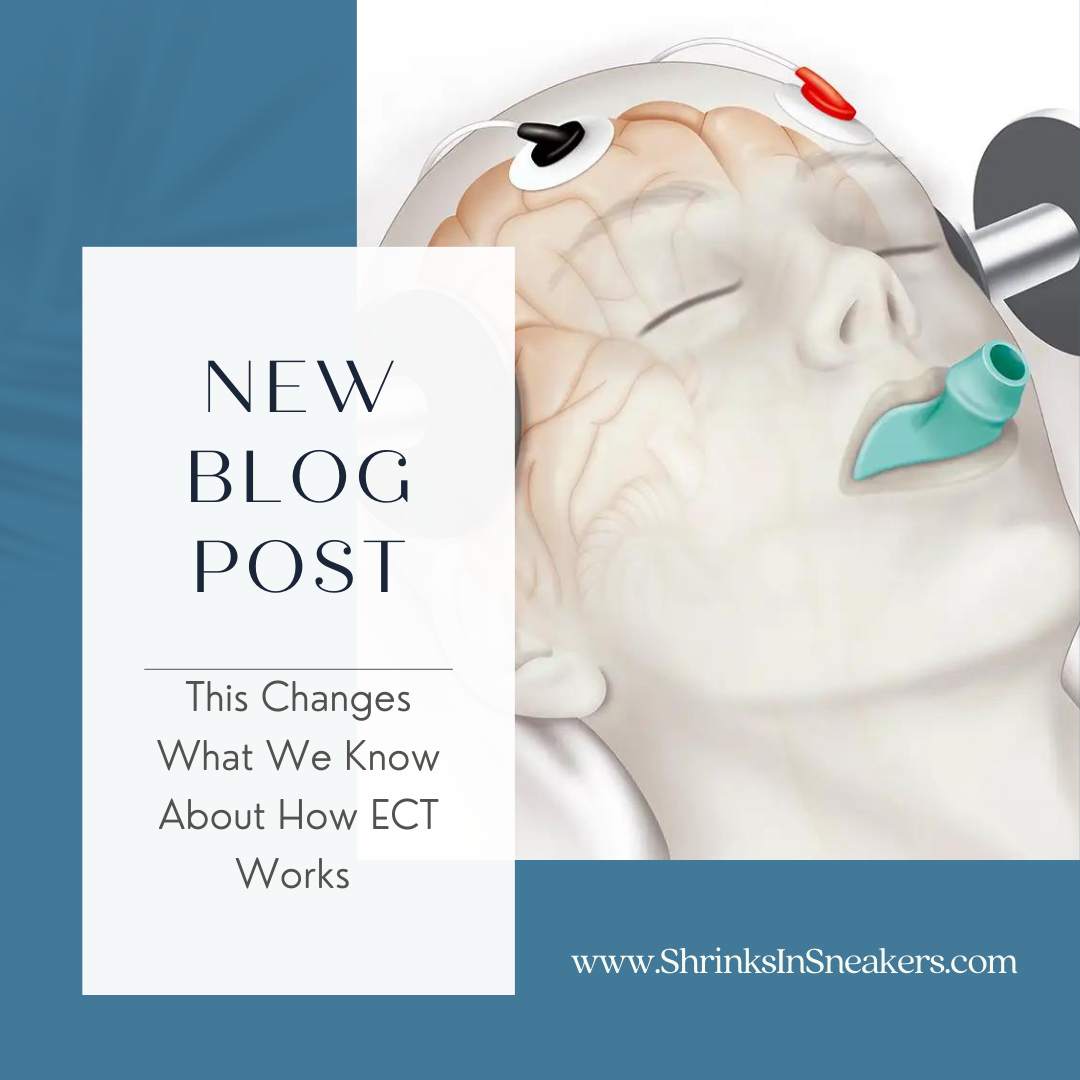
I’ve had tremendous success with Electroconvulsive Therapy (ECT) in treating resistant depression (TRD). I’ve witnessed remarkable turnarounds, where individuals on the brink of despair have found new joy in life. Such rapid improvements are often not seen with medication alone.
Until now, there have been various theories about how ECT works in treating depression. I’ve always viewed it as a combination of increased neuroplasticity, which allows new, more adaptive connections to form quickly, and a boost in all major monoamine neurotransmitters.
However, new research published in Translational Psychiatry suggests that aperiodic brain activity might be key to the improvements we see with ECT. There’s a significant increase in this type of brain activity after patients undergo ECT, which enhances inhibitory activity in the brain, effectively “pumping the brakes” and alleviating depressive symptoms.
Unfortunately, ECT remains one of the most stigmatized and underutilized treatments in psychiatry. It’s estimated that less than 1% of those with treatment-resistant depression (TRD) receive ECT—a disheartening statistic that contributes to depression’s status as a leading cause of disability.
For patients where medications have repeatedly failed, ECT can be a life-saving treatment. There are many compelling stories of lives transformed by ECT, but the public rarely hears them. We need to create more opportunities to share these powerful success stories.
-
How to Approach Poor Response to Antidepressants
What defines Treatment Resistant Depression (TRD)
Stage 1: more than one adequate trial of 1 major class of antidepressants
Stage 2: Failure of more than 2 adequate trials of two different classes of antidepressants
Stage 3: stage 2 + TCA
Stage 4: Stage 3 + MAOI
Stage 5: Stage 4 + bilateral ECT
With every medication or neuromodulation procedure used that doesn’t work, the more treatment resistant the depression becomes.
Antidepressant Response Rates
Frist Medication Trial: 50% respond and 37% have remission
Second Medication Trial: Another 29% respond and 31% have remission
Third Medication Trial: 17% respond and 14% have remission
Fourth Medication Trial: 16% respond and 13% have remission
The overall cumulative remission rates are 67%, keeping in mind that people who progressed through more treatment stages had higher relapse rates and more residual symptoms including anhedonia, emotional blunting, and lack of motivation.
If someone is having a poor response to medication, what do you do?
We know that bipolar disorder is missed in a significant number of patients who present with depression about one in five will be misdiagnosed. We also know that antidepressants can be mood destabilizing in bipolar illness resulting in mixed features and rapid cycling. Other things that can interfere with response include substance use disorder, personality traits, and PTSD.
Medical Comorbidities that can interfere with antidepressant response include hypothyroidism, Cushing disease, Parkinson’s disease, cancer, vitamin/nutritional deficiencies, and viral infections
Psychosocial factors that contribute to treatment resistance
-Female sex
-Older Age
-Single Unmarried (happiness studies indicate that good relationships are very important)
-Unemployment
Symptoms that make TRD more Likely
-Recurrent episodes usually 3 or more
-Severe depression and inpatient admission
-Anxiety, Insomnia, or Migraine
When Your First Choice Fails
There are several approaches
-Switch antidepressant classes
-Combine antidepressants
-Add a dopamine blocking medication
-Add L-methylfolate
-Add Psychotherapy
-Start Neuromodulation
What’s the most effective strategy
Hands down the most effective thing to do if a patient has a poor response to the initial antidepressant treatment is to add a dopamine blocking medication. Response and remission rates are much higher, but it comes at the price of increased side effect potential.
What are the most used Dopamine Blockers in Antidepressant Augmentation
-Quetiapine
-Olanzapine
-Risperidone
-Aripiprazole
-Ziprasidone
Older patients 65 years and older respond better to aripiprazole augmentation than switch to bupropion, or combination with bupropion.
Brexpiprazole: 1-3 mg/day Adjunctive for Depression
Most Common Concerns patients have about being on dopamine Blocking Medication
-Weight gain 60% of people report this concern
-Metabolic side effects
-EPS
-Sedation
-Akathisia
-Prolactin-related Effects
Anti-Inflammatory Medications
For those with elevated inflammatory biomarkers specifically c-reactive protein there is some emerging evidence that these treatments work.
-Medications like Celecoxib, Omega-3 fatty acids, statin drugs and minocycline
-Weight loss
-Effect Size: 0.55
-Higher response and remission rates
-May only work in those with high inflammatory biomarkers
Glutamate Modulators
-Ketamine Infusions and Esketamine: both work and a reasonable option if TRD
-There are several medications in development
Psychotherapy in TRD
Unfortunately, what we find with TRD is psychotherapy does not prevent TRD, it doesn’t mean there is no benefit it just means future episodes will not be prevented by psychotherapy. On its own, psychotherapy may not be as helpful as we would like in TRD but when combined with medication it does help. That tells us about the importance of evaluating severity of depressive episode.