Tag: medical education

  • Understanding Anxiety: My Personal Experience as a Medical Student

    Understanding Anxiety: My Personal Experience as a Medical Student

    This reminds me a lot of the depression question. Patients often tell me, “Dr. Rossi, you don’t know what it’s like to be anxious.”

    I usually have a quiet chuckle to myself because anxiety is something everyone experiences. It’s a natural part of life. We all have areas where we feel competent, and others where we feel out of our depth. It’s in those areas, the places where we feel uncertain or inadequate, that anxiety can really interfere with our ability to function.

    My most challenging personal experience with anxiety happened during the infamous 4th term of medical school at St. George’s University. By this point, you’ve survived the first year and are well into the second. However, this term is notorious, and it often feels like the school uses it to weed out students—which, in my opinion, is a bit unethical. The structure of my routine completely changed. More requirements, longer lab hours, and less time to study. The familiar rhythm I had relied on to keep up was suddenly turned on its head.

    Throughout that term, I was constantly on edge, overwhelmed by the pressure that all my hard work could slip away at any moment. I still vividly remember the first time I experienced a panic attack. It was early morning; I woke up drenched in sweat, my heart racing, and I couldn’t catch my breath. I was scared enough to go to the university clinic, and that’s when I found out it was a panic attack.

    That experience taught me firsthand what anxiety truly feels like. It’s not just a fleeting worry—it can become physical, paralyzing, and all-consuming. When I talk to patients about anxiety, it’s from a place of understanding. Anxiety doesn’t discriminate, and it certainly doesn’t mean we’re incapable—just human.

  • Doctor’s Near-Death Experience: The Truth Behind Antidepressant Withdrawal – Fact or Fiction

    Doctor’s Near-Death Experience: The Truth Behind Antidepressant Withdrawal – Fact or Fiction

    These sensational headlines about near-death experiences coming off antidepressants are becoming far too common. While we must be cautious with prescribing, it’s equally important not to dissuade people from trying medications that could help them.

    Yes, some patients experience withdrawal symptoms if medications are stopped abruptly without proper tapering. But many patients do not, and I’ve seen countless cases where people discontinue their antidepressants without any issues. Some may require prolonged tapers, while others can taper off much faster than alarmist articles would suggest.

    It’s crucial to remember that while discontinuation can be uncomfortable, it’s rarely life-threatening. We do need to be mindful of how long we prescribe these medications, given they manage symptoms but don’t modify the underlying disease, and the long-term benefits are still debated.

    Guidelines for deprescribing are helpful, but dramatic headlines about “nearly dying” when coming off these medications are not only inaccurate but harmful to those who could benefit from treatment. Let’s promote balanced, evidence-based discussion on this topic, focusing on proper discontinuation without sensationalizing the risks.

    Link to article: https://www.theguardian.com/australia-news/article/2024/jul/31/australian-doctor-mark-horowitz-who-almost-died-writes-landmark-guidance-on-how-to-safely-stop-using-antidepressants

  • Surge in Antidepressant Overdoses Alarms Health Experts Across the U.S

    Surge in Antidepressant Overdoses Alarms Health Experts Across the U.S

    Rising Antidepressant Overdoses: A Growing Concern in the U.S.

    Recent data reveals that antidepressant overdoses in the U.S. have been steadily increasing from 1999 through 2022. According to a CDC report released last month, there were 5,863 overdose deaths attributed to antidepressants in 2022—numbers comparable to heroin-related fatalities, which claimed 5,871 lives. While these figures represent a small fraction of the over 100,000 overdose deaths that year—most of which involved fentanyl—they signal a troubling trend that demands attention.

    Potential Causes for the Rise in Antidepressant Overdoses

    Understanding the root causes of this increase is challenging, given the complexity of overdose data and the lack of detail on the exact substances involved. However, there are several factors worth considering.

    First, many individuals with opioid use disorder (OUD) also suffer from co-occurring mental health conditions like depression and bipolar disorder. These patients are often prescribed antidepressants, sometimes too liberally, in my experience working in community mental health. When opioids are mixed with antidepressants, opioids are often the primary cause of death in overdoses. Yet, I’ve also encountered numerous patients who have attempted suicide using antidepressants alone.

    Newer antidepressants are generally safer in overdose compared to older drugs, such as monoamine oxidase inhibitors (MAOIs) and tricyclic antidepressants (TCAs). While these older medications tend to be more effective, they come with significantly higher risks in overdose situations. This is something I frequently emphasize to residents: older drugs are more dangerous, but the newer ones, though safer, can still have serious consequences.

    Chronic pain patients, who are often prescribed opioids, are another vulnerable group. Their risk of suicide is heightened by the constant pain they endure, and many of these individuals are also prescribed antidepressants like duloxetine, which is indicated for pain management, or more dangerous TCAs such as amitriptyline and nortriptyline. Additionally, gabapentin—another drug commonly prescribed to these patients—has been known to increase the risk of death when taken with opioids.

    Overprescription of Antidepressants: A Contributing Factor?

    There has also been a sharp rise in antidepressant prescriptions across the U.S., which I believe warrants scrutiny. Antidepressants are, at best, symptom management tools, with a modest effect size of 0.33 in many studies. Given these limited benefits, we should be more judicious about who we prescribe these medications to and for how long.

    Withdrawal symptoms from long-term—and sometimes even short-term—use of antidepressants can be severe, increasing the risk of suicide. I’ve personally seen this with a family member who experienced debilitating headaches and vertigo after stopping sertraline. She was unable to work or function for nearly two weeks, highlighting how challenging withdrawal can be for some patients.

    Balancing Risks and Benefits in Mental Health Treatment

    Any population for whom antidepressants are considered a treatment option is inherently at high risk for suicide. That said, there are many confounding factors in the overdose data, and mainstream mental health reporting often glosses over the nuances of psychiatric research and treatment. When prescribing medications, it’s crucial to weigh not only the pros and cons of the drugs themselves but also to tailor treatment to each individual’s unique needs.

    I continue to prescribe antidepressants to patients whom I’ve carefully evaluated and believe will benefit, even if only in the short term. However, I am transparent with them: antidepressants are unlikely to resolve deeper psychological conflicts or “problems of living.” Mental health is rarely black and white, and much of this uncertainty stems from our incomplete understanding of the brain.

    In short, we need to acknowledge the complexity behind the rise in antidepressant overdoses and respond with a more nuanced, patient-centered approach to prescribing these medications.

    Link to the article:

    https://www.theguardian.com/science/article/2024/sep/03/antidepressants-overdose-deaths-increasing

  • Mastering the Mind: Strategies for Tackling Anxious Depression

    When treating anxious depression, SSRIs and SNRIs may not always provide sufficient relief. In such cases, I consider adding medications like quetiapine, which has a significant effect size for generalized anxiety disorder (GAD) and is FDA-approved as an augmentation strategy for depression at doses of 150–300 mg. However, due to its side effect profile, it’s advisable to limit the duration of quetiapine use when possible.

  • Are all Delusions the Same Across Episodes of Psychosis?

    Are all Delusions the Same Across Episodes of Psychosis?

    As an inpatient psychiatrist, you encounter a wide array of stories and experiences. Many of my trainees find this to be the most fascinating and engaging part of the job. We have the unique opportunity to delve into the inner workings of the mind and understand the thought processes of patients with serious mental illnesses (SMI). One of the things that often emerges during our evaluations is the presence of various types of delusions. Some are more common than others, with persecutory and grandiose delusions being frequent examples. I often hear patients claim that unknown groups are conspiring to ruin their lives, or a manic patient might declare, “I’m Jesus Christ.”

    Over the years, I’ve noticed that these delusions tend to remain consistent, with similar themes recurring during subsequent admissions. In case you’re wondering, I often see the same individuals with the same issues multiple times a year, giving me a wealth of data points to support this observation. This insight is supported by a recent article from JAMA Psychiatry, which found that delusional content remains consistent across episodes of psychosis. This consistency can help us recognize the early stages of decompensation and potentially intervene before hospitalization becomes necessary. For instance, if a patient claims, “I’m Jesus Christ” during one episode, it’s likely they will express the same delusion during future episodes.

    Another significant finding from this study is the importance of maintaining the intensity of interventions throughout the follow-up period. Unfortunately, there are many reasons why this doesn’t always happen, but when it doesn’t, poor outcomes are often the result.

    Link to the article: https://jamanetwork.com/journals/jamapsychiatry/article-abstract/2821873?utm_source=twitter&utm_medium=social_jamapsyc&utm_term=14389007483&utm_campaign=top_viewed&linkId=549496680#:~:text=Meaning%20In%20this%20longitudinal%20observational,of%20interventions%20across%20the%20entire

  • Major Barriers to psychotherapy treatment

    Major Barriers to psychotherapy treatment

    Have you ever had one of those weeks where every patient you see could greatly benefit from psychotherapy, but finding them a therapist seems impossible? There are many barriers to accessing mental health care, including inadequate or nonexistent insurance coverage and a shortage of therapists trained in specific types of therapy. For instance, I’m always on the lookout for specialists in dialectical behavior therapy (DBT), but finding even one has been a struggle. Recently, I’ve seen many patients who would benefit far more from psychotherapy than from medication, yet I haven’t been able to connect them with the quality therapy they need. We talk a lot about helping people, but I’m not seeing the commitment to providing effective treatment for our most vulnerable patients.

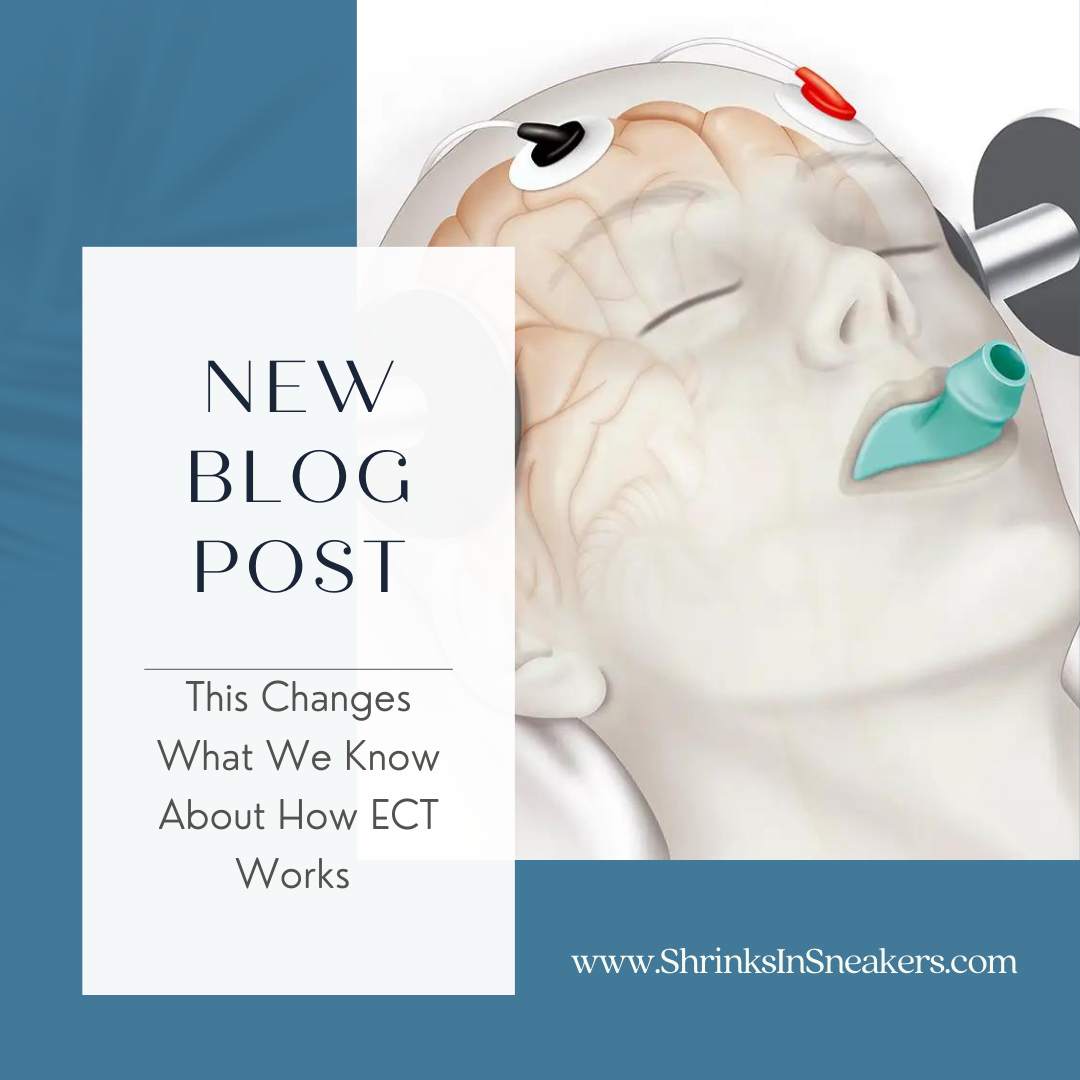
  • This Changes What We Know About How ECT Works 

    This Changes What We Know About How ECT Works 

    I’ve had tremendous success with Electroconvulsive Therapy (ECT) in treating resistant depression (TRD). I’ve witnessed remarkable turnarounds, where individuals on the brink of despair have found new joy in life. Such rapid improvements are often not seen with medication alone.

    Until now, there have been various theories about how ECT works in treating depression. I’ve always viewed it as a combination of increased neuroplasticity, which allows new, more adaptive connections to form quickly, and a boost in all major monoamine neurotransmitters.

    However, new research published in Translational Psychiatry suggests that aperiodic brain activity might be key to the improvements we see with ECT. There’s a significant increase in this type of brain activity after patients undergo ECT, which enhances inhibitory activity in the brain, effectively “pumping the brakes” and alleviating depressive symptoms.

    Unfortunately, ECT remains one of the most stigmatized and underutilized treatments in psychiatry. It’s estimated that less than 1% of those with treatment-resistant depression (TRD) receive ECT—a disheartening statistic that contributes to depression’s status as a leading cause of disability.

    For patients where medications have repeatedly failed, ECT can be a life-saving treatment. There are many compelling stories of lives transformed by ECT, but the public rarely hears them. We need to create more opportunities to share these powerful success stories.

    https://www.nature.com/articles/s41398-023-02634-9

  • The Vital Role of Education in Shaping the Future of Psychiatry

    The Vital Role of Education in Shaping the Future of Psychiatry

    The future of mental health care hinges on the education and training of the next generation of psychiatrists. As we face an ever-growing array of mental health challenges, it is imperative that we equip upcoming professionals with the knowledge, skills, and empathy necessary to make a profound impact on the lives of their patients.

    The Evolving Landscape of Psychiatry

    Psychiatry is a dynamic field, continually evolving as new research, treatments, and technologies emerge. From advancements in psychopharmacology to the integration of telepsychiatry, the landscape of mental health care is rapidly changing. To stay at the forefront of these developments, future psychiatrists must receive comprehensive and up-to-date education.

    Comprehensive Training Programs

    Effective training programs are essential to prepare future psychiatrists for the complexities of the field. These programs should encompass a wide range of topics, including neurobiology, psychopharmacology, psychotherapy, and cultural competence. By providing a well-rounded education, we can ensure that new psychiatrists are equipped to address diverse patient needs and offer holistic care.

    Emphasis on Empathy and Communication

    While technical knowledge is crucial, the human element of psychiatry cannot be overstated. Empathy, active listening, and effective communication are foundational skills that every psychiatrist must possess. Training programs must emphasize the importance of building strong therapeutic relationships, fostering trust, and understanding the unique experiences of each patient.

    Encouraging Research and Innovation

    The field of psychiatry thrives on innovation and research. Encouraging young psychiatrists to engage in research not only advances our understanding of mental health but also fosters a culture of curiosity and continuous learning. By supporting research initiatives and providing opportunities for scholarly exploration, we can inspire the next generation to push the boundaries of what is possible in mental health care.

    Addressing Stigma and Promoting Mental Health Awareness

    Education plays a critical role in combating the stigma associated with mental illness. By instilling a deep understanding of the social, cultural, and psychological factors that contribute to stigma, we can empower future psychiatrists to advocate for their patients and promote mental health awareness. This advocacy extends beyond the clinical setting, influencing public policy, community outreach, and broader societal attitudes.

    Integrating Technology and Telepsychiatry

    The COVID-19 pandemic has underscored the importance of telepsychiatry and digital health solutions. Training the next generation of psychiatrists to effectively utilize technology can expand access to care, especially in underserved areas. Familiarity with telepsychiatry platforms, digital diagnostic tools, and electronic health records will be essential for future practitioners.

    Lifelong Learning and Professional Development

    The journey of a psychiatrist does not end with formal education. Lifelong learning and professional development are essential to staying current with advancements in the field. Encouraging a culture of continuous education, through conferences, workshops, and peer collaboration, ensures that future psychiatrists remain well-informed and adaptable.

    Conclusion

    Educating the next generation of psychiatrists is not just about imparting knowledge; it is about shaping compassionate, innovative, and resilient professionals who will lead the charge in improving mental health care. By investing in their education, we are investing in the future well-being of individuals and communities worldwide. Let us commit to providing the highest quality training and support to those who will one day carry the torch of psychiatry forward.

  • Guide To Viewing My Content

    Guide To Viewing My Content

    If you are new to the blog and my social media content, we should start with a brief introduction. 

    My name is Dr. Garrett Rossi, I’m a medical doctor who specializes in adult psychiatry. I’m board certified by the American Board of Psychiatry and Neurology. I’ve practiced in multiple settings including inpatient, outpatient, partial care, assertive community treatment teams, and I provide ECT services.

    I make mental health content on multiple social media platforms and each one has a specific style and type of content. 

    Shrinks In Sneakers YouTube Click Here

    This is where you can find the deep dives on mental health topics including medication reviews, psychiatric diagnosis, and various other topics. Videos can range anywhere from 5-20 minutes and time stamps are available in the descriptions for longer content. 

    Shrinks In Sneakers Instagram Click Here:

    This is where you can find shorter videos and posts on mental health topics. The focus on Instagram is more on mental health advocacy, and myths about psychiatry and mental illness. The content here is shorter but still has a lot of educational value. 

    Shrinks In Sneakers LinkedIn:

    This is where you can find more information about my professional activities. I have information about my advocacy work, professional memberships, publications, and is another good place to follow my work. I make frequent posts here as well. 

    Shrinks In Sneakers Twitter

    Here I’m not very active and haven’t spent much time but I do update blog posts and other relevant information here as well. 

    If you have a question or want to get in touch with me, I am most active on YouTube, LinkedIn, and Instagram. 

    We are building a community where empathy is a central part of the content. The goal is to make psychiatry more accessible, provide education, and reduce stigma associated with mental health treatment.