📉 In a randomized trial with 48 patients diagnosed with #AlcoholUseDisorder, semaglutide significantly lowered alcohol intake in a controlled lab setting.
🚬 Interestingly, nicotine consumption also decreased.
💉 Low doses (0.25-1 mg/week) were used over 9 weeks—much lower than standard obesity or diabetes dosing.
🔬 More research is needed, but this adds to growing evidence that GLP-1 agonists may impact addictive behaviors.
If you live long enough, you’ll see some crazy stuff 🤯. I believe in the art of psychopharmacology 🎨💊, and I’m a gunslinger who enjoys pushing the limits 🔫—but some things are just plain nuts. Buckle up for this one… 🚀⚡
There is limited high-quality randomized controlled trial (RCT) evidence supporting the combined use of benzodiazepines and Z-drugs (zolpidem, eszopiclone, zaleplon). Most studies on these drug classes focus on their use individually for insomnia or anxiety, and guidelines generally discourage their concurrent use due to concerns about additive sedative effects, increased risk of dependence, cognitive impairment, falls, and respiratory depression.
RCT Evidence on Combination Use
Eszopiclone + Clonazepam for PTSD-related Insomnia (Open-Label + RCT Data)
A small open-label study followed by an RCT (n = 45) examined whether adding eszopiclone to clonazepam for PTSD-related insomnia provided additional benefits.
Results showed that while sleep latency and duration improved slightly with combination therapy, adverse effects (e.g., sedation, next-day drowsiness) were more pronounced.
Conclusion: Modest benefits in sleep but significant risks.
Zolpidem + Diazepam for Insomnia in Anxiety Disorders (Crossover RCT, n = 30)
A crossover RCT investigated whether combining zolpidem (10 mg) with diazepam (5 mg) improved sleep quality in patients with generalized anxiety disorder.
The combination improved sleep efficiency compared to diazepam alone but led to increased daytime drowsiness and mild cognitive impairment.
Conclusion: Minimal additional sleep benefit with worsened side effects.
Eszopiclone + Lorazepam for Acute Mania (Adjunctive RCT, n = 60)
In a study of patients with acute mania receiving standard treatment, those given eszopiclone in addition to lorazepam had better subjective sleep outcomes.
However, no significant differences were found in mania symptom reduction, and the combination increased next-day sedation.
Conclusion: Sleep improvement but with notable sedation risks.
Meta-Analyses & Guidelines
No major meta-analyses support combination use.
Clinical guidelines (e.g., APA, ASAM) strongly discourage combining these drugs due to risks of dependence, respiratory depression, and falls, particularly in older adults.
Summary
RCT evidence on combining benzodiazepines and Z-drugs is sparse and suggests only marginal sleep benefits with increased risks of sedation, cognitive impairment, and dependence. Guidelines advise against their concurrent use outside of specific, short-term clinical scenarios.
A 2011 study published in Health Affairs found that only 38.4% of patients prescribed antidepressants met criteria for major depressive disorder (MDD), based on the National Ambulatory Medical Care Survey. Many prescriptions were given for milder depressive symptoms or anxiety disorders, suggesting potential overprescription.
Subclinical Depression: Some prescriptions were issued for symptoms that did not meet the diagnostic threshold for any psychiatric disorder.
Primary Care Prescribing Patterns
Antidepressants are frequently prescribed in primary care settings, where diagnostic accuracy may be lower than in psychiatric settings.
A 2020 review in JAMA Internal Medicine highlighted that primary care physicians write 79% of antidepressant prescriptions in the U.S., and these are often issued without consultation with a mental health professional.
Off-Label Use
A 2016 study in JAMA Psychiatry found that 30% of antidepressant prescriptions are for off-label indications like insomnia, chronic pain, or fatigue, despite limited evidence supporting their efficacy for many of these uses.
Prolonged Use
Many individuals take antidepressants for extended periods without regular reassessment. A 2019 study in The British Journal of Psychiatry noted that long-term antidepressant use often continues without clear ongoing benefit, raising questions about whether prescriptions are monitored effectively.
Evidence Suggesting Appropriate or Underprescription
Untreated Mental Illness
The World Health Organization (WHO) estimates that nearly 50% of individuals with depression in high-income countries, including the U.S., do not receive treatment.
A 2017 study in JAMA Psychiatry found that many individuals with severe depressive symptoms go untreated, particularly in low-income or minority populations.
Misperceptions of Overprescription
A 2020 meta-analysis in The Lancet Psychiatry showed that antidepressants are highly effective for moderate-to-severe depression, and their increased use could reflect improved treatment of these conditions rather than overprescription.
Increased public awareness of mental health has led to more people seeking care, which may explain higher prescription rates.
Use in Non-Psychiatric Disorders
Antidepressants, particularly SSRIs and SNRIs, are evidence-based treatments for anxiety disorders, PTSD, OCD, and some chronic pain conditions. Their prescription for these conditions might be misinterpreted as “overprescription.”
Balancing Perspectives
The evidence suggests a mixed picture:
On one hand, antidepressants are sometimes prescribed without meeting diagnostic criteria or for off-label uses with weak supporting evidence.
On the other hand, a significant proportion of individuals with moderate-to-severe depression or anxiety remain untreated, indicating possible under prescription in certain populations.
Scientific Consensus
The issue may stem less from overprescription overall and more from suboptimal prescribing practices, including:
Prescribing antidepressants where psychotherapy or other treatments might be more appropriate.
Inadequate follow-up or reassessment of long-term users.
Limited mental health training for primary care providers, who are often the frontline prescribers.
The U.S. is officially withdrawing from the World Health Organization (WHO)—a move with far-reaching consequences for global health, research, and disease prevention. Here’s why this matters:
🔹 Pandemic Preparedness 🦠: The WHO coordinates global responses to pandemics. Without U.S. support, funding gaps could slow future outbreak responses.
🔹 Vaccine & Drug Research 💉: The U.S. plays a key role in funding and collaborating on medical breakthroughs. Withdrawing could disrupt research efforts in areas like HIV, TB, and malaria.
🔹 Health Security Risks 🚨: Global health threats don’t respect borders. A weaker WHO means less surveillance and slower containment of emerging diseases.
🔹 Loss of Influence 🇺🇸: The U.S. has historically shaped global health policies. Leaving the WHO could reduce its ability to set standards and priorities.
The long-term impact of this decision remains uncertain, but one thing is clear: global health is interconnected, and a fractured response benefits no one.
What do you think about this move? Drop your thoughts below. ⬇️ #GlobalHealth #WHO #PublicHealth
📢 Update on Schizophrenia Research #MentalHealth #Schizophrenia
🧠 Iclepertin (BI 425809), initially showing promise in Phase II trials, unfortunately did not meet the primary and key secondary endpoints in the Phase III CONNEX program. Despite this, it was well tolerated, and the safety profile remained consistent.
🔬 Phase III Results:
No statistically significant improvements in cognition or functioning were observed compared to placebo over six months.
Context: Iclepertin is a glycine transporter 1 (GlyT1) inhibitor, a class of drugs aimed at enhancing the function of the NMDA receptor by increasing glycine levels. This receptor plays a crucial role in cognitive processes, and improving its function was hypothesized to alleviate cognitive impairments in schizophrenia.
📊 Visual Insights: Below are graphs illustrating the trial data, showing the comparison between Iclepertin and placebo groups across various cognitive assessments.
🔍 Implications and Next Steps: Although these results are disappointing, they provide valuable insights for future research. The findings highlight the complexity of treating cognitive impairment in schizophrenia and underscore the need for continued exploration of new therapeutic targets and strategies.
What’s next? Researchers will analyze the data further to identify any subgroups that may have benefited and explore other potential mechanisms to address this unmet medical need.
💬 Join the Discussion: Have you or someone you know experienced cognitive challenges related to schizophrenia? What are your thoughts on current treatment options? Share your experiences or questions below—let’s foster a supportive community!
🔔 Stay Updated: Follow us for more updates on ongoing research and join our forums for in-depth discussions on mental health innovations. Together, we can stay informed and connected. #ClinicalTrials #Neuroscience #Breakthrough
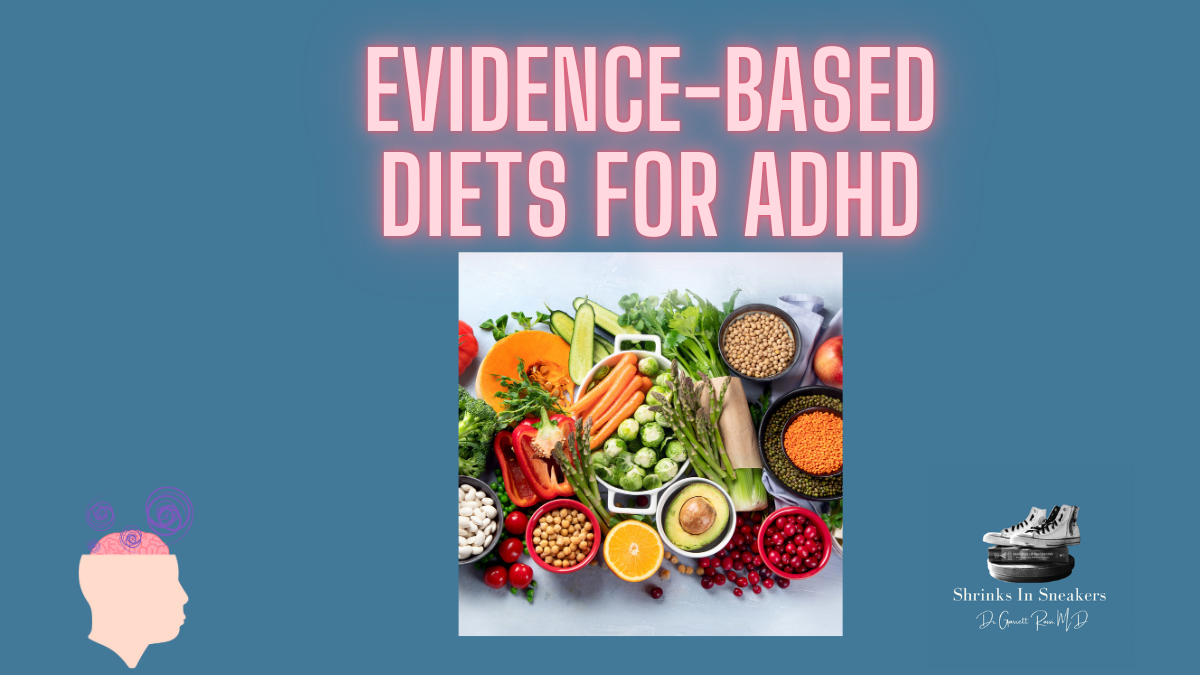
Diet plays a significant role in brain health and behavior, making it a promising area for ADHD symptom management. While dietary changes are not a substitute for standard treatments, several dietary interventions have shown evidence-based benefits in improving ADHD symptoms.
1. Omega-3 Fatty Acid Supplementation
Why: Omega-3 fatty acids, particularly EPA (eicosapentaenoic acid) and DHA (docosahexaenoic acid), are crucial for brain development and function.
Evidence:
A 2018 meta-analysis of RCTs found that omega-3 supplementation improved attention and reduced hyperactivity in children with ADHD.
Higher EPA-to-DHA ratios (e.g., 3:1) were more effective.
How to Implement:
Include fatty fish (e.g., salmon, mackerel, sardines) 2–3 times per week.
Consider omega-3 supplements (1–2 grams daily with a high EPA content).
2. Elimination Diets
Why: Some children with ADHD may react adversely to specific foods or additives, exacerbating symptoms.
Evidence:
The Restricted Elimination Diet (RED), such as the oligoantigenic diet, has been tested in RCTs. A 2011 RCT published in The Lancet found significant symptom reductions in 64% of children who followed a restricted diet for 5 weeks.
Foods commonly eliminated include dairy, wheat, soy, eggs, and food additives.
How to Implement:
Work with a healthcare provider or dietitian to guide the process.
Reintroduce foods one at a time to identify triggers.
3. Additive-Free and Preservative-Free Diets
Why: Artificial food colorings, preservatives, and sweeteners may worsen hyperactivity in some children.
Evidence:
A meta-analysis published in Pediatrics (2012) found that artificial food coloring elimination reduced ADHD symptoms in a subset of children.
How to Implement:
Avoid processed foods with artificial dyes (e.g., Red 40, Yellow 5).
Read ingredient labels and choose whole, minimally processed foods.
4. Mediterranean Diet
Why: The Mediterranean diet is rich in nutrients critical for brain health, such as omega-3s, antioxidants, and vitamins.
Evidence:
A 2017 study in Pediatrics suggested that children who adhered to a Mediterranean diet had fewer ADHD symptoms compared to those with poor adherence.
How to Implement:
Focus on fruits, vegetables, whole grains, nuts, seeds, fish, and olive oil.
Limit red meat, processed foods, and added sugars.
5. Low-Glycemic Index (GI) Diet
Why: High-GI foods (e.g., sugary snacks) cause rapid blood sugar spikes and crashes, which may worsen hyperactivity and inattention.
Evidence:
A small RCT found that a low-GI diet improved behavior in children with ADHD by stabilizing energy levels and focus.
How to Implement:
Choose whole grains, legumes, and non-starchy vegetables.
Avoid sugary drinks, white bread, and refined snacks
6. High-Protein Diets
Why: Protein supports the production of neurotransmitters like dopamine, which is often dysregulated in ADHD.
Evidence:
Some studies suggest that protein-rich breakfasts improve attention and reduce impulsivity during the day.
How to Implement:
Include protein-rich foods (e.g., eggs, yogurt, lean meats, nuts) in each meal.
Avoid skipping breakfast to maintain consistent energy levels.
Micronutrient Supplementation
Why: Nutrient deficiencies (e.g., zinc, magnesium, iron) are linked to ADHD symptoms.
Evidence:
RCTs show that zinc and magnesium supplementation improves hyperactivity and impulsivity, particularly in children with low baseline levels.
Iron supplementation benefits those with low ferritin levels.
How to Implement:
Have nutrient levels tested by a healthcare provider.
Include nutrient-rich foods like spinach (iron), nuts (magnesium), and seafood (zinc).
Recommendations
Prioritize Whole Foods: Focus on unprocessed, nutrient-dense foods.
Limit Sugars and Additives: Avoid foods with high sugar content, artificial sweeteners, or additives.
Monitor Responses: Keep a food and symptom journal to identify potential triggers or improvements.
Consult Professionals: Work with a dietitian or healthcare provider to ensure nutritional adequacy and tailor dietary changes to individual needs.
Obsessive-Compulsive Disorder (OCD) is often treated with selective serotonin reuptake inhibitors (SSRIs) and cognitive-behavioral therapy (CBT). Despite these interventions, many patients experience only partial relief. This has led researchers to explore augmentation strategies, including the addition of ondansetron, a serotonin 5-HT3 receptor antagonist.
Mechanism of Action
5-HT3 antagonism: Ondansetron modulates serotonin in a different way compared to SSRIs. Preclinical studies suggest it may reduce compulsive behaviors by altering serotoninergic and dopaminergic activity in brain regions implicated in OCD, such as the orbitofrontal cortex and basal ganglia.
Results: Significant improvement in Yale-Brown Obsessive-Compulsive Scale (Y-BOCS) scores with ondansetron by week 8.
Conclusion: Ondansetron was well-tolerated and effective as an adjunctive treatment.
Haghighi et al. (2013):
Design: Similar double-blind RCT with 60 patients on fluvoxamine (100–200 mg/day).
Results: Patients receiving ondansetron (4 mg/day) showed greater reductions in Y-BOCS scores than those on placebo.
Conclusion: Ondansetron enhanced the anti-obsessional effects of SSRIs.
Meta-Analysis (Emerging Data):
While limited RCTs exist, early analyses highlight ondansetron’s promise, particularly in SSRI partial responders.
Practical Considerations
Dosage: Typically 4 mg/day in studies.
Tolerability: Generally well-tolerated, with mild side effects like headache and dizziness reported in trials.
Population: Evidence supports its use in patients with partial response to SSRIs.
Current Limitations
Sample Sizes: Studies to date have small cohorts, limiting generalizability.
Duration: Most trials span 8–12 weeks, leaving long-term efficacy unclear.
Mechanistic Data: While promising, the precise mechanisms remain speculative.
Clinical Takeaway
Ondansetron appears to be a safe and potentially effective augmentation strategy for patients with OCD who have not achieved full remission on SSRIs alone. While more robust data are needed, its unique mechanism and tolerability make it an intriguing option in treatment-resistant cases.
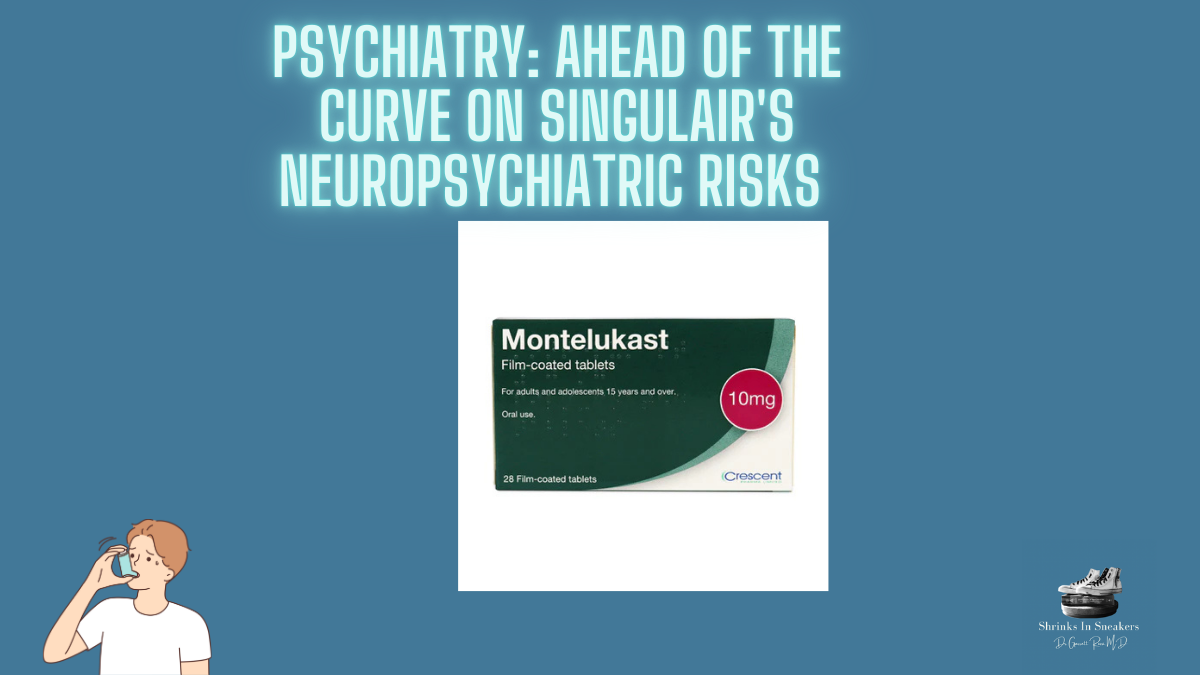
Psychiatry is often criticized for being “late to the table” when it comes to recognizing the broader impacts of medical treatments. However, in the case of Singulair (montelukast), psychiatry has been aware of its potential neuropsychiatric effects for quite some time.
Singulair, widely used for asthma and allergic rhinitis, has long been associated with side effects such as mood changes, anxiety, depression, and even suicidality. This connection has been documented for years, yet the broader medical community and regulatory bodies have taken time to fully address these risks.
Recently, the FDA issued a new warning aimed at heightening awareness of montelukast’s neuropsychiatric side effects. This update emphasizes the importance of assessing the risk-benefit ratio, particularly for patients with mild conditions where alternative treatments may suffice.
Psychiatry’s Role
Psychiatrists have long recognized and documented cases where montelukast seemed to exacerbate or trigger psychiatric symptoms. Many of us have seen patients whose mood instability or new-onset anxiety correlated with starting the medication, leading to its discontinuation and subsequent symptom improvement.
Why This Matters
This development underscores the value of psychiatry’s vigilance in identifying patterns that might initially go unnoticed in other fields. It’s also a reminder of the importance of collaboration between specialties to ensure patient safety.
Key Takeaways:
Patients and families: Be aware of the potential neuropsychiatric side effects of montelukast. Monitor mood, sleep, and behavior changes closely, especially in children.
Clinicians: Always evaluate the necessity of montelukast in mild cases and consider alternatives when possible. Open conversations with patients about these risks can be life-saving.
Psychiatrists: Continue advocating for the recognition of neuropsychiatric risks in non-psychiatric medications. Our input is crucial in ensuring patient safety.
Psychiatry wasn’t late to this table. In fact, we may have set it.
The use of hydrocortisone and propranolol in the prevention of post-traumatic stress disorder (PTSD) has been explored in several randomized controlled trials (RCTs). We always want to know does it work or is it just another interesting idea with little evidence to support its use
Hydrocortisone:
Hydrocortisone, a corticosteroid, has been investigated for its potential to modulate the stress response and prevent the consolidation of traumatic memories, which is thought to contribute to the development of PTSD.
Mechanism: Hydrocortisone works by increasing cortisol levels, which can suppress the stress-induced overactivation of the hypothalamic-pituitary-adrenal (HPA) axis. Cortisol may reduce memory consolidation of trauma, thus decreasing PTSD risk.
RCT Evidence:
Schelling et al. (2004) conducted a study on patients in the ICU, where hydrocortisone was used to treat septic shock. They found that patients who received hydrocortisone had a significantly lower risk of developing PTSD symptoms at follow-up compared to the placebo group. This suggested that hydrocortisone might have a protective effect in stress-related conditions.
Survivors of trauma: In a study by Zohar et al. (2011), trauma patients who received hydrocortisone in the immediate aftermath of the traumatic event had lower rates of PTSD symptoms compared to those who received placebo. The results suggested that hydrocortisone may reduce PTSD incidence when administered shortly after trauma exposure.
Critically ill patients:Schelling et al. (2001) showed that administering hydrocortisone to critically ill patients in the ICU reduced PTSD symptoms at follow-up, supporting the idea that early cortisol intervention can modulate the long-term psychological impact of traumatic experiences.
Summary: Hydrocortisone has shown promise in reducing PTSD symptoms when administered during or soon after traumatic experiences, particularly in ICU patients or survivors of trauma. Its role appears to be in modulating the stress response and memory consolidation processes.
Propranolol:
Propranolol, a beta-blocker, is primarily used to treat cardiovascular conditions but has been studied for its effects on memory reconsolidation and emotional arousal, both of which are implicated in the development of PTSD.
Mechanism: Propranolol reduces adrenergic activity by blocking beta-adrenergic receptors, potentially interfering with the emotional enhancement of traumatic memories, thus reducing their consolidation.
RCT Evidence:
Pitman et al. (2002) conducted a double-blind, placebo-controlled trial in which trauma victims (e.g., car accident survivors) were given propranolol or placebo within a few hours of the event. At follow-up, patients who received propranolol had reduced PTSD symptoms compared to those given placebo, though the results were not statistically significant.
Brunet et al. (2008) performed a study on individuals with PTSD, where propranolol was administered before memory reactivation (i.e., recalling the traumatic event). The group that received propranolol showed reduced physiological responses to trauma reminders and decreased emotional impact, suggesting that propranolol may weaken the reconsolidation of traumatic memories.
Stein et al. (2007) did not find a significant reduction in PTSD incidence when propranolol was administered following trauma. This led to mixed conclusions regarding its preventive efficacy.
Summary: The evidence for propranolol is more mixed. While some studies suggest it may reduce PTSD symptoms by weakening emotional memory consolidation, other trials have not demonstrated a significant reduction in PTSD development.
Conclusion:
Hydrocortisone has more consistent evidence supporting its role in preventing PTSD, particularly when administered soon after trauma.
Propranolol shows mixed results, with some evidence suggesting it may reduce emotional memory consolidation and PTSD symptoms, though its effectiveness in preventing PTSD development is less conclusive.
Both treatments hold potential, but more research is needed to establish their routine use in PTSD prevention.
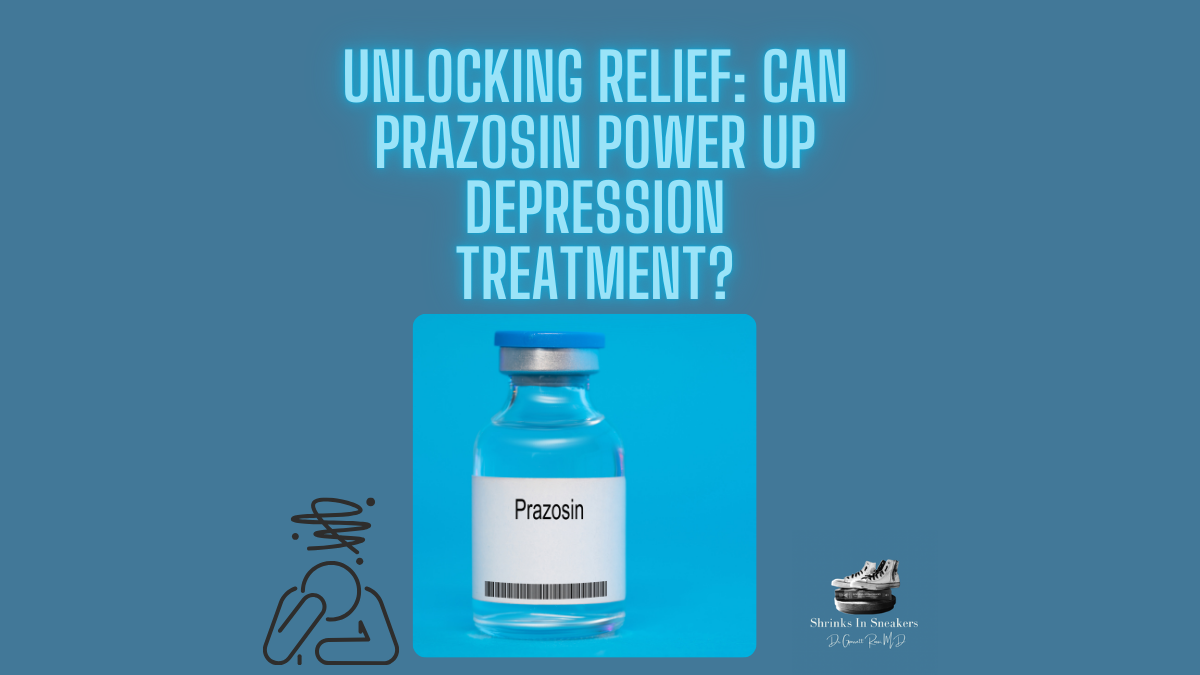
The evidence for the use of prazosin in major depressive disorder (MDD) comes mainly from smaller studies or trials focusing on its off-label use, as prazosin is primarily an alpha-1 adrenergic antagonist used to treat hypertension and PTSD-related nightmares.
Clinical Rationale
The theoretical rationale for prazosin in MDD is based on its ability to block alpha-1 adrenergic receptors, which may help reduce the hyperactivity of the norepinephrine system—a pathway implicated in stress and depression.
Randomized Controlled Trials (RCTs)
RCT evidence for prazosin in treating MDD is limited compared to other antidepressants, but a few studies have explored its potential benefits:
Prazosin as Adjunctive Treatment for MDD (2009): A small pilot RCT assessed prazosin as an add-on therapy for MDD in patients who were already on standard antidepressants. The results showed modest improvements in depressive symptoms when prazosin was combined with SSRIs or SNRIs, particularly in patients with high anxiety or sleep disturbances.
Prazosin for PTSD and MDD Comorbidity: Some RCTs conducted in patients with PTSD (a condition often comorbid with MDD) showed improvements in both PTSD and depressive symptoms. For example, a trial published in 2015 demonstrated that prazosin led to a significant reduction in depressive symptoms in veterans with PTSD and depression. While the trial primarily focused on PTSD, the secondary outcomes regarding depression were positive.
Prazosin and Treatment-Resistant Depression (TRD): Some trials have explored prazosin’s efficacy in treatment-resistant forms of depression, hypothesizing that its ability to reduce stress-related symptoms could augment antidepressant efficacy. However, these trials have generally been small, and results have been inconsistent or not statistically significant in terms of primary depressive outcomes.
Limitations
Sample Sizes: Most studies are small and underpowered.
Population: Most studies have focused on patients with PTSD, rather than pure MDD.
Adjunctive Use: Prazosin has mostly been tested as an adjunctive treatment, not as monotherapy for depression.
While prazosin has shown some promise in improving depressive symptoms, particularly related to sleep disturbances and anxiety, larger RCTs specifically targeting MDD are needed to establish its efficacy.