Tag: medication

  • Can Creatine Boost Therapy for Depression? New Study Says Maybe!

    Can Creatine Boost Therapy for Depression? New Study Says Maybe!

    A recent 8-week double-blind, randomized, placebo-controlled trial investigated whether oral creatine monohydrate (5g/day) could enhance the effects of cognitive-behavioral therapy (CBT) in treating major depressive disorder (MDD)—especially in under-resourced areas where access to treatment is limited.

    🔬 Why Does This Matter?
    While CBT is a gold-standard therapy for depression, many patients do not achieve full remission. This study explored whether creatine—widely used for muscle and brain energy metabolism—could provide an extra boost to treatment.

    🧠 Key Findings:
    ✅ Participants receiving creatine + CBT had greater reductions in depression symptoms (measured by the Hamilton Depression Rating Scale) compared to those receiving placebo + CBT
    ✅ Reported improvements in mood, energy levels, and cognitive function
    ✅ Creatine was well-tolerated, with no significant safety concerns
    ✅ CBT was delivered once weekly by trained therapists

    ⚠️ Study Limitations:
    🔹 Small sample size—larger studies are needed to confirm these findings
    🔹 Short trial duration—long-term effects are still unknown
    🔹 Study population—results may not generalize to all individuals with MDD

    💡 What’s Next?
    If larger studies confirm these results, creatine could become an accessible, affordable adjunct to therapy, particularly in communities with limited mental health resources.

    What do you think? Could a common fitness supplement help improve mental health? Let’s discuss! ⬇️

    link to study: https://www.sciencedirect.com/science/article/pii/S0924977X24007405

  • Managing Mild to Severe Depression: A Guide to Treatment Approaches

    Managing Mild to Severe Depression: A Guide to Treatment Approaches

    It is crucial to recognize that none of the available medications or neuromodulation procedures, including electroconvulsive therapy (ECT) and psychedelics, are disease-modifying. This means that while these treatments can alleviate symptoms, they do not address the underlying causes of depression. Think of them like acetaminophen for a fever—it may temporarily reduce the fever, but without treating the underlying infection, the fever will return.

    Neuromodulation refers to techniques that alter brain activity through electrical or magnetic stimulation. Examples include ECT, transcranial magnetic stimulation (TMS), and vagus nerve stimulation (VNS), all of which have been explored as treatments for severe depression.

    Optimizing Depression Treatment for Different Severity Levels

    Given this understanding, how can we best utilize these treatments to support patients during difficult times? The key is to acknowledge that medications and neuromodulation primarily serve as symptom management tools, most effectively used in the short term for severe cases.

    Mild to Moderate Depression: Prioritizing Non-Medication Approaches

    For individuals experiencing mild to moderate depression, medication should not be the first line of treFor individuals experiencing mild to moderate depression, medication should not be the first line of treatment. Many people can directly link their depressive symptoms to stressful life events. In such cases, the best initial approach includes:

    • Cognitive Behavioral Therapy (CBT) – Evidence-based therapy that helps reframe negative thinking patterns. Research has shown that CBT is as effective as antidepressants for mild to moderate depression, with relapse rates significantly reduced in those who complete therapy.
    • Lifestyle Modifications – Regular exercise and a healthy diet have strong evidence supporting their role in reducing depressive symptoms. A study published in JAMA Psychiatry found that individuals engaging in at least 150 minutes of moderate exercise per week had a 25% lower risk of developing depression.

    For some, these interventions alone may be sufficient to overcome depression and maintain long-term well-being. If additional support is needed, natural supplements with reasonable evidence, such as St. John’s Wort and S-Adenosylmethionine (SAMe), may be considered for mild to moderate depression. However, these supplements are not without risks—St. John’s Wort can interact with many medications, including antidepressants and birth control pills, potentially reducing their effectiveness. SAMe may cause gastrointestinal discomfort or manic symptoms in individuals with bipolar disorder.

    Severe Depression: When Medication and Neuromodulation Play a Role

    For individuals with severe depression, particularly those at risk for self-harm or suicide, the risks and benefits of medication should be carefully weighed. Antidepressants and neuromodulation therapies have demonstrated the most significant impact in these cases. When selecting a medication, I prioritize those with a lower risk of concerning side effects, particularly sexual dysfunction. My initial choices often include:

    • Bupropion – A dopamine-norepinephrine reuptake inhibitor with a favorable side effect profile.
    • Vortioxetine – Known for its cognitive benefits and relatively low sexual side effects.
    • Mirtazapine – Can be beneficial for those with sleep disturbances or appetite loss.
    • Vilazodone – A serotonin modulator with a lower incidence of sexual dysfunction compared to SSRIs.

    It is essential for patients starting antidepressants to be closely monitored, especially in the early weeks of treatment, to assess for side effects and response. Regular follow-ups with a healthcare provider can help adjust dosages or explore alternative treatments if needed.

    Treatment Duration and Discontinuation Considerations

    For those starting medication, I generally recommend continuing treatment for 6 to 12 months, followed by an assessment to determine whether tapering off is feasible. This process involves shared decision-making, considering:

    • Symptom severity and stability
    • Level of daily functioning
    • Patient’s goals and preferences

    The goal is to ensure that the patient has developed effective coping strategies, engaged in therapy, and adopted a healthy lifestyle before considering medication discontinuation. If stopping medication is not advisable, we work to identify the lowest effective dose for long-term maintenance.

    Final Thoughts

    Depression treatment should be personalized and dynamic, evolving with the patient’s needs. By recognizing that medications and neuromodulation are tools for symptom management rather than cures, we can ensure they are used effectively—providing relief during crises while prioritizing long-term strategies for resilience and recovery.

  • The Hidden Risks of Sports Betting: Alcohol and Gambling

    The Hidden Risks of Sports Betting: Alcohol and Gambling

    In recent years, sports gambling has exploded in popularity, with mobile apps and online platforms making it easier than ever to place bets on everything from football to tennis. While sports betting can be an exciting pastime, research is beginning to reveal a concerning link: frequent sports gambling is positively correlated with alcohol-related problems over time.

    The Research Behind the Connection

    A recent survey study found that individuals who frequently engage in sports gambling are at a higher risk of developing alcohol-related problems. The study tracked gambling habits and alcohol consumption over time, revealing a strong correlation between increased betting frequency and worsening alcohol-related consequences.

    But why does this connection exist? Several factors could be at play:

    1. The Social Environment – Many sports gambling settings, such as bars, casinos, or watch parties, encourage alcohol consumption. Betting while drinking can lead to impaired decision-making and increased risk-taking.
    2. Impulse Control and Addiction – Both gambling and alcohol can activate the brain’s reward system, leading to compulsive behaviors. Someone prone to impulsive gambling may also struggle with moderating alcohol intake, and vice versa.
    3. Coping Mechanisms – For some, gambling and alcohol serve as escape mechanisms from stress, anxiety, or financial difficulties. Unfortunately, these behaviors can reinforce each other, creating a cycle that’s hard to break.

    Why This Matters

    With the rise of legalized sports betting, it’s crucial to understand the potential risks. Problem gambling and alcohol misuse can lead to financial hardship, strained relationships, mental health struggles, and long-term health consequences. Awareness is key to preventing these issues before they spiral out of control.

    Responsible Gambling and Drinking: What Can You Do?

    If you enjoy sports betting and drinking, consider these tips to keep things in check:

    ✅ Set Limits – Establish a gambling budget and a drinking limit before you start. Stick to them.

    ✅ Avoid Drinking While Betting – Alcohol impairs judgment, which can lead to reckless betting decisions.

    ✅ Recognize Warning Signs – If you find yourself gambling or drinking more than you intended, or if these habits are negatively affecting your life, it may be time to take a step back.

    ✅ Seek Support – If you or someone you know is struggling, reach out for help. Resources like gambling helplines and alcohol support groups can provide guidance and support.

    Final Thoughts

    Sports gambling and alcohol can both be enjoyed responsibly, but it’s important to be aware of their potential risks. As research continues to uncover the connection between these two behaviors, taking a mindful approach can help ensure they remain entertainment rather than a problem.

    What are your thoughts on this issue? Have you noticed a link between gambling and alcohol in your own experiences? Share your insights in the comments! ⬇️

  • Can Low-Dose LSD Treat ADHD? A New Study Weighs In

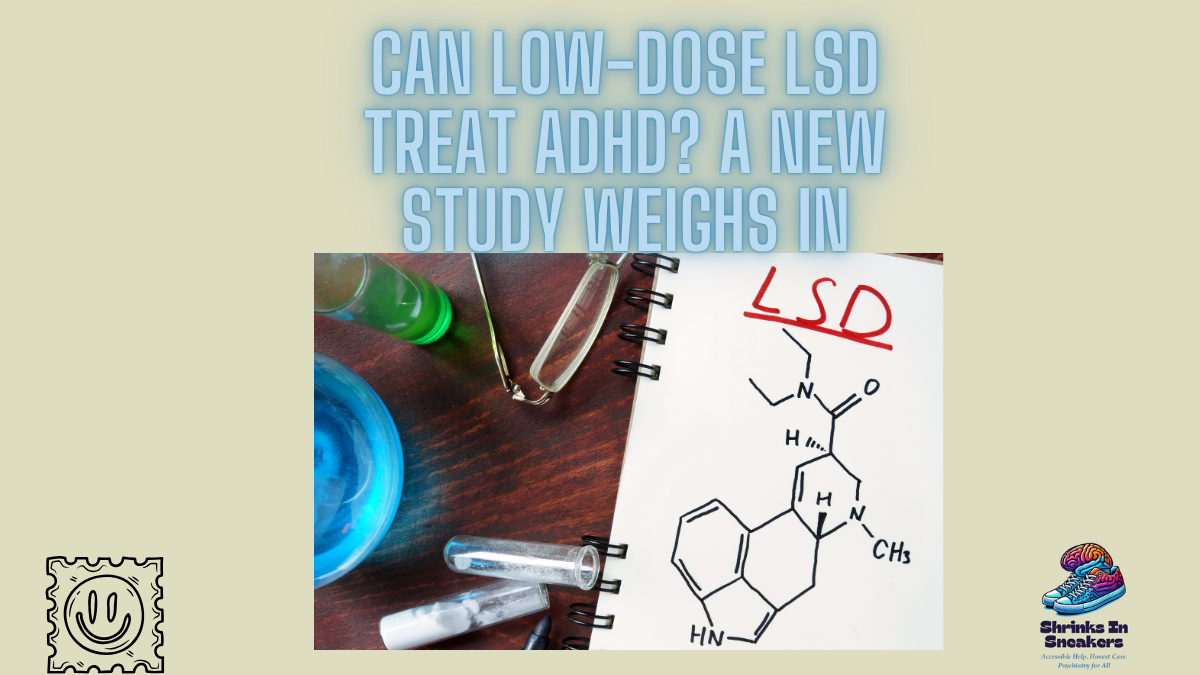
    Can Low-Dose LSD Treat ADHD? A New Study Weighs In

    ADHD (Attention-Deficit/Hyperactivity Disorder) affects millions of adults worldwide, with stimulants like methylphenidate and amphetamine being the most effective treatments. But could psychedelics like LSD offer an alternative? A new randomized clinical trial aimed to find out.

    👉 Study Overview:

    • Design: Multicenter, double-blind, placebo-controlled trial (N = 53)
    • Participants: Mean age 37 years, 42% female
    • Intervention: Low-dose LSD (20 μg) or placebo twice weekly for 6 weeks (12 doses total)
    • Primary Outcome: Change in ADHD symptoms using the Adult ADHD Investigator Symptom Rating Scale (AISRS)

    💡 Key Findings:

    • Both groups showed significant improvement in ADHD symptoms:
      • LSD group: −7.1 points (95% CI, −10.1 to −4.0)
      • Placebo group: −8.9 points (95% CI, −12.0 to −5.8)
    • ✅ LSD was safe and well tolerated
    • ❌ No significant difference between LSD and placebo in symptom reduction

    🧠 What This Means:
    While low-dose LSD was safe, it didn’t outperform placebo in treating ADHD symptoms. This challenges anecdotal claims about psychedelics for ADHD and reinforces the need for rigorous placebo-controlled trials in psychedelic research.

    📈 Future research may explore higher doses or alternative mechanisms—but for now, stimulants remain the gold standard for ADHD treatment.

    🔗 https://jamanetwork.com/journals/jamapsychiatry/fullarticle/2831639

  • Female Physicians at Higher Risk for Suicide: Key Findings

    Female Physicians at Higher Risk for Suicide: Key Findings

    February 26, 2025 study in JAMA Psychiatry reveals alarming trends in physician suicide rates:

    📊 Key Findings

    🔹 Female physicians face a significantly higher suicide risk compared to the general U.S. population.
    🔹 Male physicians have a lower suicide risk than their nonphysician counterparts.

    💡 Why This Matters

    These statistics underscore a deeper systemic issue within healthcare
    ➡️ “Physicians face immense pressure, long hours, and high-stakes decisions, which contribute to burnout and mental health struggles.”

    Failure to address these issues can lead to increased physician turnover, lower quality of care, and worsening healthcare outcomes for patients.

    ✅ What Can Be Done

    ✔️ Reduce stigma around mental health in medical culture.
    ✔️ Implement confidential mental health resources specifically for physicians.
    ✔️ Encourage work-life balance through adjusted schedules and peer support programs.
    ✔️ Offer routine mental health check-ins as part of employee wellness programs.

    📞 Where to Get Help

    🆘 If you or someone you know is struggling, help is available:
    ➡️ Call or text 988 for free, confidential support 24/7.
    ➡️ Visit the Physician Support Line at www.physiciansupportline.com — available 7 days a week with support from licensed psychiatrists.

    💙 It’s time to support those who care for us.

  • Challenges of Antidepressant Management in Primary Care

    Challenges of Antidepressant Management in Primary Care

    Discussions about the potential overprescribing of antidepressants must begin with an understanding of who is doing most of the prescribing. In the U.S., primary care physicians (PCPs) write the majority of antidepressant prescriptions, with estimates suggesting that 60–80% originate from primary care rather than psychiatry (Mojtabai & Olfson, 2011; Mark et al., 2014). This prescribing pattern reflects broader trends in mental health treatment, where primary care has become the frontline for managing depression and other mood disorders.

    Several factors contribute to this dynamic:

    • Limited access to psychiatrists: Many patients, especially in rural or underserved areas, face long wait times or geographic barriers to seeing a psychiatrist.
    • Overlap with medical conditions: PCPs frequently manage conditions like chronic pain, insomnia, and fatigue, for which antidepressants may be considered as part of the treatment plan.
    • Continuity of care: Patients often have longstanding relationships with their primary care providers, making them more comfortable discussing mood symptoms in this setting.
    • Psychiatric referral limitations: Many psychiatrists focus on complex or treatment-resistant cases, meaning initial treatment often falls under primary care.

    Challenges and Considerations

    While primary care plays a crucial role in mental health treatment, concerns exist regarding the effectiveness of antidepressant management in this setting:

    • Suboptimal dosing and medication selection: Studies suggest that antidepressants prescribed in primary care settings may be dosed too low or not adequately adjusted, potentially leading to partial response or treatment failure (Carrasco & Sandner, 2005). Additionally, there is a higher likelihood of using older antidepressants, which may have a less favorable side effect profile.
    • Lack of therapy integration: Guidelines recommend a combination of medication and psychotherapy for moderate-to-severe depression (APA, 2010), yet PCPs may have limited time, training, or referral resources to ensure therapy is included.
    • Potential misdiagnosis: Depressive symptoms can overlap with other psychiatric and medical conditions, leading to misdiagnosis or inappropriate treatment. For example, bipolar disorder is often misdiagnosed as major depressive disorder in primary care, which can result in inadequate treatment and risk of mood destabilization (Hirschfeld et al., 2003).

    Addressing These Challenges

    Several strategies can improve antidepressant management within primary care settings:

    • Collaborative care models: Studies show that integrating mental health professionals within primary care teams leads to improved outcomes, including higher remission rates and better adherence (Archer et al., 2012).
    • Standardized screening and follow-up: Implementing tools like the PHQ-9 for monitoring depression severity can help guide treatment decisions and ensure timely adjustments.
    • Education and decision support: Providing PCPs with continuing education on psychiatric prescribing and decision-support tools can enhance treatment precision.
    • Improved access to therapy: Expanding tele-therapy options and embedding behavioral health providers in primary care clinics can help bridge the gap between medication and psychotherapy.

    Conclusion

    Given the high volume of antidepressant prescriptions originating from primary care, ensuring optimal management is critical to improving patient outcomes. Strengthening collaboration between PCPs and mental health specialists, enhancing diagnostic accuracy, and integrating therapy referrals can help address current limitations.

    Call to Action: If you are a healthcare professional involved in prescribing antidepressants, what strategies have you found effective in improving patient outcomes? Share your insights and experiences below.

  • What Happens When We Ignore Scientific Evidence?

    What Happens When We Ignore Scientific Evidence?

    When we reject the overwhelming scientific consensus that vaccines do not cause autism, we enter a dangerous world—one where facts are disregarded, misinformation thrives, and preventable diseases make a deadly comeback.

    The Real Consequences of Vaccine Hesitancy

    Vaccine hesitancy isn’t just a debate—it has real, measurable consequences

    Measles Outbreaks: In early 2025, Texas experienced its most severe measles outbreak in nearly 30 years, with 198 confirmed cases as of March 7. The outbreak has resulted in 23 hospitalizations and one measles-related death—the first in the nation in a decade. The outbreak is primarily concentrated in rural Gaines County, where vaccination rates are notably low.

    Whooping Cough Resurgence: Cases of pertussis (whooping cough) have increased in areas with lower vaccination rates, endangering infants who are too young to be fully vaccinated.

    Polio’s Return: In 2022, a case of paralytic polio emerged in New York, decades after the disease had been eliminated in the U.S., traced back to vaccine hesitancy and low immunization coverage.

    Ignoring evidence doesn’t just impact individuals—it threatens public health as a whole

    Addressing Concerns: Why the Autism Myth Persists

    Some parents worry about vaccine safety due to outdated or misleading claims, most notably a fraudulent 1998 study linking vaccines to autism. This study was retracted, and extensive research—including studies on hundreds of thousands of children—has confirmed no link between vaccines and autism. Yet, fear and misinformation persist, fueled by social media echo chambers and distrust in institutions.

    While vaccine side effects do exist, they are typically mild (e.g., temporary soreness, fever) and far outweighed by the risks of the diseases they prevent. Scientific inquiry should always continue, but dismissing decades of rigorous research in favor of debunked myths endangers lives.

    What Can We Do?

    Combatting vaccine misinformation requires action. Here’s how you can help

    ✔ Speak Up: Correct misinformation when you see it, whether online or in conversations with friends and family.

    ✔ Rely on Experts: Trust reputable sources like the CDC, WHO, and medical professionals rather than social media influencers or unverified websites.

    ✔ Advocate for Science Education: Supporting critical thinking and scientific literacy helps build a society that values evidence over fear.

    ✔ Get Vaccinated: Lead by example—being up to date on vaccines protects you and those around you, especially vulnerable populations.

    Science Is Not an Opinion

    Truth is not subjective. If we abandon scientific evidence in favor of belief alone, we risk more than just vaccine-preventable diseases—we risk an era where facts no longer matter. The stakes are too high to let misinformation win.

  • The Dangers of Overpathologizing Behavioral Issues

    The Dangers of Overpathologizing Behavioral Issues

    Psychiatrists could do the profession—and their patients—a great service by resisting the urge to medicalize every behavioral problem, impulsive act, or mood fluctuation as a direct manifestation of psychiatric illness. While genuine psychiatric disorders exist and require careful diagnosis and treatment, many of the struggles patients face are deeply rooted in the complexities of life itself—financial stress, relationship conflicts, loss, trauma, and systemic issues that no DSM diagnosis can fully capture.

    When Life Struggles Are Mistaken for Mental Illness

    Certain behaviors and emotional responses are frequently overpathologized. For example:

    • A teenager acting out in school following their parents’ divorce may be labeled with oppositional defiant disorder, when their reaction is a predictable response to emotional distress.
    • A grieving spouse who experiences sadness, tearfulness, and withdrawal beyond a few weeks might be diagnosed with major depressive disorder, despite bereavement being a normal and deeply personal process.
    • A person engaging in impulsive spending or risky behaviors after a significant life change might be quickly categorized as having bipolar disorder, when in reality, they are struggling to cope with a sudden transition.

    While these behaviors may be distressing, they do not always indicate the presence of a psychiatric disease requiring medication. Instead, they may reflect normal reactions to adversity that should be addressed through support, coping strategies, and time.

    The Risks of Overpathologizing Human Experience

    The trend of pathologizing problems of living carries significant consequences. Studies have shown that psychiatric overdiagnosis leads to unnecessary medication use, stigma, and a shift in focus away from addressing social determinants of health. For instance, research suggests that antidepressants are prescribed to 1 in 4 U.S. adults, often for mild or situational distress rather than true clinical depression. Moreover, children—particularly boys—are diagnosed with ADHD at disproportionately high rates, sometimes as a response to difficulties in structured classroom settings rather than a true neurodevelopmental disorder.

    Overpathologizing also impacts the credibility of psychiatry. If every struggle is framed as a disorder, the public may begin to view psychiatric diagnoses with skepticism, undermining trust in the profession and the legitimacy of serious mental illnesses.

    A Case That Stuck With Me

    I once treated a young man who had been brought to the hospital by his family after he quit his job, broke up with his girlfriend, and started making impulsive purchases. His parents were convinced he had bipolar disorder, having read online that sudden life changes and spending sprees were signs of mania. However, after spending time with him, it became clear that his actions were rooted in profound dissatisfaction with his life, not a mood disorder. He was struggling with feelings of stagnation, a lack of purpose, and a desire to redefine himself—not symptoms of an illness, but a human experience.

    Despite my clinical assessment, his family was frustrated. They wanted a diagnosis, a label, a treatment plan—something concrete. It was difficult for them to accept that not every distressing experience fits neatly into a medical framework.

    How Can Psychiatry Do Better?

    Psychiatrists and mental health professionals must be intentional in distinguishing true mental illness from the expected emotional and behavioral responses to life’s challenges. Some ways to do this include:

    • A thorough biopsychosocial assessment that considers the role of environmental, cultural, and situational factors in a patient’s presentation.
    • The judicious use of psychiatric diagnoses, ensuring that labels are assigned only when they accurately reflect a disorder rather than a reaction to stress.
    • Education for patients and families about the natural spectrum of human emotions, helping them understand that distress does not always equate to disease.
    • Advocating for systemic solutions, such as better social support networks, financial resources, and access to therapy, so that emotional struggles are not automatically funneled into the medical system.

    Addressing the Counterarguments

    Some might argue that withholding a diagnosis could prevent patients from accessing the care they need. While it’s true that a psychiatric label can sometimes be a gateway to services and support, misdiagnosis can be just as harmful. Providing the wrong diagnosis can lead to unnecessary medication, reinforce a sense of pathology where none exists, and obscure the real sources of distress. The challenge for psychiatrists is to walk this fine line carefully—validating suffering without automatically medicalizing it.

    Conclusion: A Call for Thoughtful Psychiatry

    As psychiatrists, our role is not simply to diagnose and medicate, but to thoughtfully assess and guide. True psychiatric illness must be identified and treated appropriately, but we must also be cautious not to medicalize the normal, albeit painful, struggles of life. The goal should always be to help patients find real, meaningful solutions—whether that means therapy, life changes, or, in some cases, just the reassurance that what they are feeling is part of the human experience.

  • The Twin Epidemic: Rising Co-Prescriptions of Opioids and Stimulants in the U.S.

    The Twin Epidemic: Rising Co-Prescriptions of Opioids and Stimulants in the U.S.

    A recent 10-year longitudinal cohort study has unveiled concerning trends in the co-prescription of opioids and stimulants, shedding light on the escalating “twin epidemic” in the United States.

    Key Findings:

    • Prevalence of Co-Prescription: Approximately 5.5% of patients received both opioid and stimulant prescriptions during the study period. 
    • Increased Opioid Dosage: Patients co-prescribed stimulants were more likely to escalate their opioid doses over time, with the highest doses observed in the South and West regions.
    • Associated Conditions: Common diagnoses among these patients included depression, anxiety, attention-deficit/hyperactivity disorder (ADHD), and chronic pain

    Implications:

    The concurrent use of opioids and stimulants poses significant risks, including increased chances of overdose, cardiovascular events, and mental health complications. This study emphasizes the need for healthcare providers to carefully consider the implications of co-prescribing these medications and to monitor patients closely.

    Call to Action:

    It’s crucial to raise awareness about this emerging twin epidemic. Healthcare professionals, policymakers, and patients must collaborate to develop strategies that mitigate risks associated with co-prescriptions and ensure safer prescribing practices.

  • 🧪 Exciting Breakthrough in Cannabis Use Disorder Treatment!

    🧪 Exciting Breakthrough in Cannabis Use Disorder Treatment!

    A recent Phase 2b clinical trial has shown that PP-01, an investigational therapy by PleoPharma, significantly reduces cannabis withdrawal symptoms in individuals with Cannabis Use Disorder (CUD). The study demonstrated a clear dose-response relationship, with the highest dose yielding clinically meaningful results (p=0.02). Importantly, PP-01 was well-tolerated with no safety concerns.

    Recognizing the urgent need for effective treatments, the FDA has granted Fast Track designation to PP-01, expediting its development and review process. This brings hope to the approximately 19.2 million Americans affected by CUD, as there are currently no FDA-approved medications for cannabis withdrawal.

    PP-01 works by targeting suppressed CB1 receptors and neurotransmitter dysregulation in the brain’s reward pathway, offering a novel approach to mitigating withdrawal symptoms. As it enters Phase 3 trials, PP-01 holds promise as a first-in-class treatment for those seeking to overcome cannabis dependence.