Tag: mental health equity

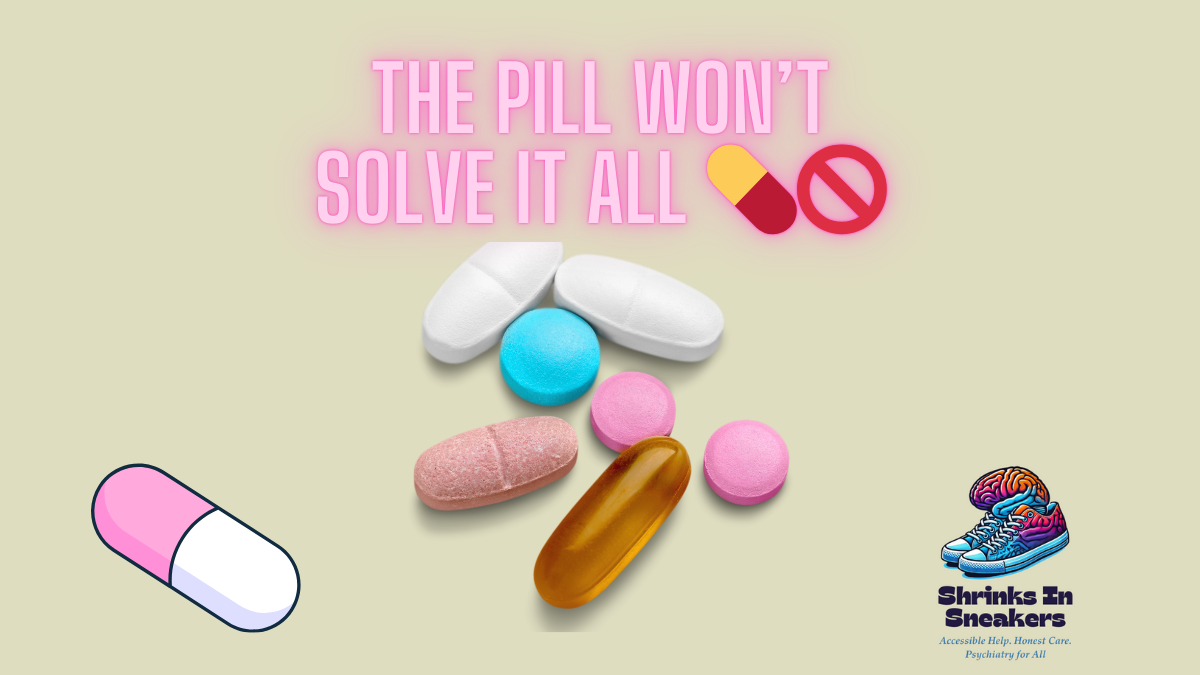
  • The Pill Won’t Solve It All 💊🚫

    The Pill Won’t Solve It All 💊🚫

    When every problem you face has been treated exclusively by a pill, you start to believe that the answer to all your struggles lies in finding the right one. 🤔💡

    With this mindset, you will never be well. 🧠❌

    It’s no different than someone searching for the perfect car 🚗 or the dream home 🏡 to fix their life. Sure, it might bring temporary relief, but in the end, it steals your power, leaving your happiness dependent on external factors you can’t control. 🎭🔗

    True healing starts when you reclaim your own agency. 💪🔥

  • 📌 CANMAT Guidelines for Depression: 2023 Update

    📌 CANMAT Guidelines for Depression: 2023 Update

    The Canadian Network for Mood and Anxiety Treatments (CANMAT) released updated guidelines in 2023 for the management of Major Depressive Disorder (MDD), reflecting recent advancements in the field.

    Key Updates in the 2023 CANMAT Guidelines:

    1. Personalized Care Approach:
      • Emphasis on shared decision-making, considering patient values, preferences, and treatment history to tailor individualized treatment plans.
    2. Updated Treatment Recommendations:
      • Psychological Therapies: Continued endorsement of therapies like Cognitive Behavioral Therapy (CBT) and Interpersonal Therapy (IPT) for mild to moderate depression.
      • Pharmacological Treatments: Introduction of newer antidepressants and updated recommendations based on recent evidence.
      • Neuromodulation: Expanded guidance on treatments such as Transcranial Magnetic Stimulation (TMS)and Electroconvulsive Therapy (ECT), especially for treatment-resistant cases.
    3. Lifestyle and Complementary Interventions:
      • Recognition of the role of exercisenutrition, and sleep in managing depression.
      • Evaluation of complementary and alternative medicine approaches, providing guidance on their efficacy and safety.
    4. Digital Health:
      • Assessment of digital interventions, including online therapy platforms and mobile applications, as supplementary tools in treatment plans.
    5. Management of Inadequate Response:
      • Strategies for addressing partial or non-response to initial treatments, including augmentation and combination therapies.

    These updates underscore the importance of a collaborative and individualized approach in managing MDD, integrating the latest evidence to optimize patient outcomes.

    For a comprehensive overview, refer to the full publication: 

    pubmed.ncbi.nlm.nih.gov

  • 💊 Are Antidepressants Overprescribed in the U.S.? 🤔

    💊 Are Antidepressants Overprescribed in the U.S.? 🤔

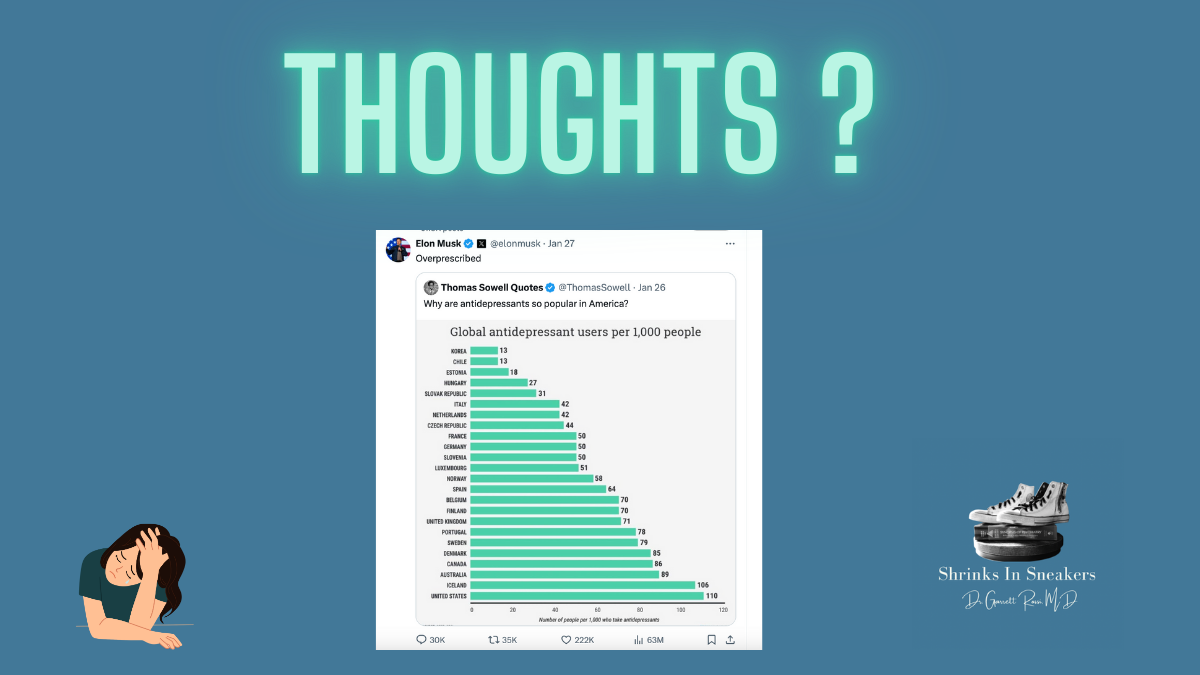
    The question of whether antidepressants are overprescribed in the United States is complex and depends on how “overprescription” is defined.

    Arguments Suggesting Overprescription

    1. Broad Diagnostic Criteria:
      • The criteria for diagnosing conditions like major depressive disorder (MDD) can be broad, potentially leading to overdiagnosis and, consequently, overprescription.
    2. Prescribing Practices:
      • Primary care physicians write most antidepressant prescriptions, often without thorough psychiatric evaluation.
      • Some prescriptions are written for mild cases of depression or subclinical symptoms where psychotherapy or lifestyle changes might suffice.
    3. Off-Label Use:
      • Antidepressants are frequently prescribed off-label for conditions like insomnia, chronic pain, or anxiety, contributing to their high utilization.
    4. Pharmaceutical Influence:
      • Aggressive marketing by pharmaceutical companies has historically played a role in increasing antidepressant use.

    Arguments Against Overprescription

    1. Underdiagnosis and Undertreatment:
      • Despite high prescription rates, many individuals with diagnosable depression or anxiety disorders go untreated, particularly in underserved populations.
      • Stigma and access barriers often prevent people from seeking care.
    2. Increasing Mental Health Awareness:
      • Growing awareness of mental health issues may explain rising prescription rates, as more people seek help for legitimate conditions.
    3. Non-Psychiatric Indications:
      • Antidepressants are also effective for non-depressive disorders, like obsessive-compulsive disorder (OCD), post-traumatic stress disorder (PTSD), and chronic pain, which justifies some of their broader use.

    Data on Antidepressant Use

    According to surveys, about 1 in 8 Americans aged 18 and older take antidepressants, and usage is particularly high among women, especially those aged 40–59. While this might seem like a high prevalence, it may also reflect greater recognition and treatment of mental health issues.

    Key Considerations

    • Patient-Centered Care: The decision to prescribe antidepressants should be tailored to the individual, based on a comprehensive assessment of their symptoms and needs.
    • Access to Alternatives: Many individuals lack access to evidence-based non-pharmacological treatments like psychotherapy due to cost, availability, or stigma, making antidepressants a more feasible option.
    • Role of Education: Educating both prescribers and patients on appropriate use can reduce potential overprescription.
  • 🚨 New Research Alert! 🚨

    🚨 New Research Alert! 🚨

    We’re diving deep into the latest JAMA Psychiatry article on Social Determinants of Health & Suicide-Related Outcomes 🧠💔. This groundbreaking study sheds light on how factors like income, education, and community support play a crucial role in mental health and suicide prevention. 📊🏡💬

    Key Takeaways: 🔍 Social & economic inequalities significantly impact mental well-being. 🛠️ Addressing these factors can save lives and improve outcomes.

    🤝 Community support is more vital than ever.

    💡 With regard to suicide attempt, experience of childhood abuse and maltreatment and sexual assault, gender and sexual minority status, and parental suicide mortality were the strongest risk factors. 

    💡 For suicide mortality, justice system–involved individuals in the community, exposure to others’ and parental suicide, firearm accessibility, divorce, experience in foster care, release from incarceration, and midlife (age 35-65 years) unemployment were the SDOH with consistently strong effects. 

    Join the conversation and let’s work towards a more equitable and supportive world! 🌍✨

    #MentalHealthMatters #JAMAPsychiatry #SocialDeterminants #community #psychiatry #psychiatrist #doctor#mentalhealth #mentalhealthmatters #mentalhealthishealth #SuicidePrevention #HealthEquity #Psychiatry#Research #Wellness 🌈❤️🧠

    🔗 https://jamanetwork.com/journals/jamapsychiatry/article-abstract/2828935

  • Tragic Loss of United Healthcare CEO Shines Spotlight on Insurance Denials

    Tragic Loss of United Healthcare CEO Shines Spotlight on Insurance Denials

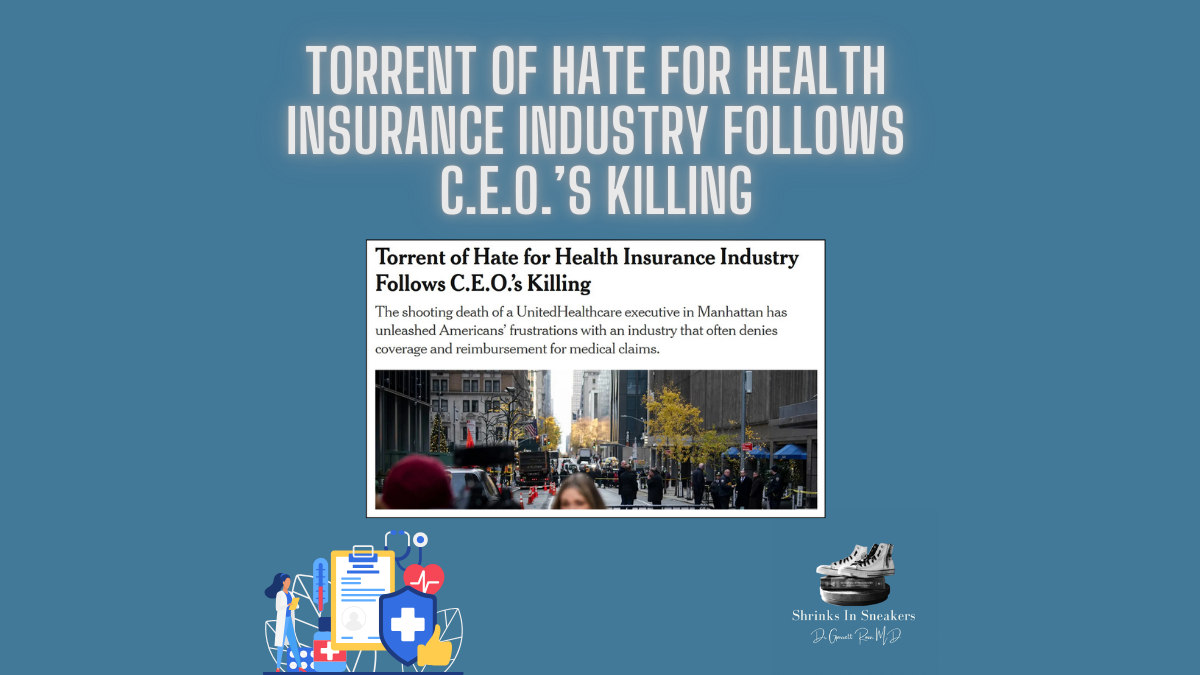
    I would never condone violence against anyone, and the loss of any life in such a manner is a profound tragedy. That said, this event has sparked a critical and necessary conversation about the devastating impact of insurance companies denying claims for essential healthcare.

    Far too often, people feel abandoned by these companies during their most vulnerable moments, when their lives are quite literally on the line. As a healthcare provider, I’ve had countless experiences fighting with insurance companies for additional days of coverage for acutely suicidal patients who were clearly not ready for discharge. Each time, I was left with the unshakable impression that the priority was not patient care but finding any justification to deny coverage, regardless of the circumstances.

    This systemic disregard for the value of human life in favor of profit leaves a lasting impression—one that is deeply unsettling. It’s a stark reminder of how broken the system is when patients’ lives, and the quality of care they receive, are treated as secondary to financial interests.

  • Psychiatry: Ahead of the Curve on Singulair’s Neuropsychiatric Risks

    Psychiatry: Ahead of the Curve on Singulair’s Neuropsychiatric Risks

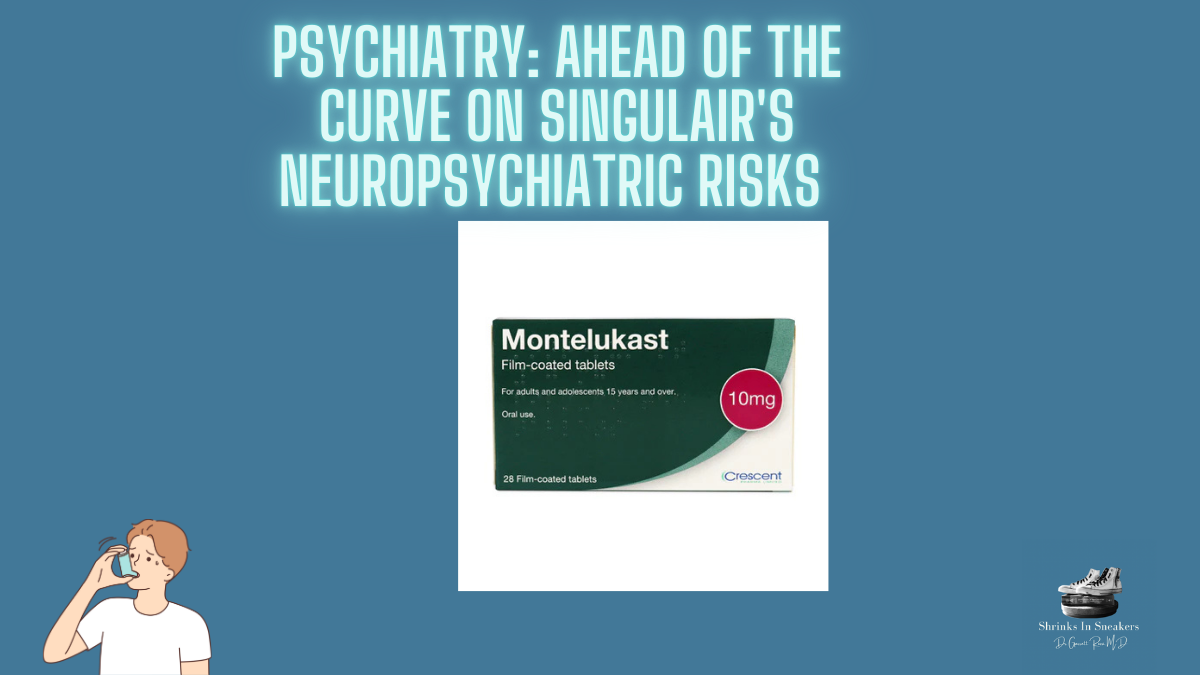
    Psychiatry is often criticized for being “late to the table” when it comes to recognizing the broader impacts of medical treatments. However, in the case of Singulair (montelukast), psychiatry has been aware of its potential neuropsychiatric effects for quite some time.

    Singulair, widely used for asthma and allergic rhinitis, has long been associated with side effects such as mood changes, anxiety, depression, and even suicidality. This connection has been documented for years, yet the broader medical community and regulatory bodies have taken time to fully address these risks.

    Recently, the FDA issued a new warning aimed at heightening awareness of montelukast’s neuropsychiatric side effects. This update emphasizes the importance of assessing the risk-benefit ratio, particularly for patients with mild conditions where alternative treatments may suffice.

    Psychiatry’s Role

    Psychiatrists have long recognized and documented cases where montelukast seemed to exacerbate or trigger psychiatric symptoms. Many of us have seen patients whose mood instability or new-onset anxiety correlated with starting the medication, leading to its discontinuation and subsequent symptom improvement.

    Why This Matters

    This development underscores the value of psychiatry’s vigilance in identifying patterns that might initially go unnoticed in other fields. It’s also a reminder of the importance of collaboration between specialties to ensure patient safety.

    Key Takeaways:

    • Patients and families: Be aware of the potential neuropsychiatric side effects of montelukast. Monitor mood, sleep, and behavior changes closely, especially in children.
    • Clinicians: Always evaluate the necessity of montelukast in mild cases and consider alternatives when possible. Open conversations with patients about these risks can be life-saving.
    • Psychiatrists: Continue advocating for the recognition of neuropsychiatric risks in non-psychiatric medications. Our input is crucial in ensuring patient safety.

    Psychiatry wasn’t late to this table. In fact, we may have set it.

  • The more I learn the less certain I am About Things

    The more I learn the less certain I am About Things

    Did you ever feel like the more you learn the less certain you are about things?

    It’s completely natural to feel this way, especially in a field as complex and evolving as psychiatry. Uncertainty and skepticism can be strengths, driving you to seek deeper understanding and remain open to new perspectives and evidence. Here are a few thoughts that might resonate

    Complexity of Human Mind: The human brain and psyche are incredibly complex, and our understanding is still in its infancy. This complexity can make definitive answers elusive.

    Evolving Science: Psychiatry, like all medical fields, is constantly evolving. New research can change our understanding of mental health conditions and treatments, making certainty difficult.

    Individual Differences: What works for one person might not work for another. This variability can make it hard to be sure about diagnoses and treatments.

    Holistic Approach: Embracing uncertainty can lead to a more holistic approach, considering biological, psychological, and social factors in diagnosis and treatment.

    Continuous Learning: Your skepticism can fuel a commitment to continuous learning and improvement, which is essential in providing the best care.

    Collaboration and Discussion: Engaging in discussions with colleagues who have different perspectives can be enriching and help balance your skepticism with practical insights.

    Patient-Centered Care: Uncertainty can remind you to listen to your patients’ experiences and perspectives, which can be as important as clinical knowledge in guiding treatment.

    It’s good to question and explore; it means you’re thoughtful and committed to truly understanding and helping your patients.
  • Unintended Outcomes After FDA Pediatric Antidepressant Warnings

    Unintended Outcomes After FDA Pediatric Antidepressant Warnings

    The article “Intended and Unintended Outcomes After FDA Pediatric Antidepressant Warnings: A Systematic Review” examines the effects of the FDA’s 2003-2004 black box warning on antidepressants regarding the risk of increased suicidal thoughts and behaviors in children and adolescents.

    Intended Outcome:

    • The FDA issued the warning to ensure greater awareness of potential risks, encouraging careful monitoring of pediatric patients taking antidepressants.
    • The goal was to reduce suicidal behaviors potentially linked to antidepressant use in younger populations.

    Unintended Outcomes:

    • The warning led to a significant drop in antidepressant prescriptions for children and adolescents.
    • There was a corresponding increase in untreated depression, which may have led to higher rates of suicide attempts and worsening mental health outcomes in some cases.
    • Reduced prescriptions were associated with a decrease in diagnosis and treatment of mood disorders in pediatric populations.
    • The warning inadvertently caused confusion among healthcare providers and parents, often resulting in delays in seeking treatment for depression or anxiety.

    Post-Warning Trends:

    • Follow-up research found no consistent evidence that the use of antidepressants in pediatric patients increases the risk of completed suicides.
    • The decline in antidepressant use and increase in suicidal behaviors during the period following the warning suggest unintended negative consequences of the FDA’s decision.

    Conclusions:

    • While the warning achieved its goal of raising awareness about the risks of antidepressants in children, it also resulted in under-treatment of depression, potentially exacerbating mental health challenges.
    • The article calls for balanced decision-making in pediatric antidepressant use, emphasizing the need for risk-benefit assessments and careful monitoring rather than outright avoidance of antidepressants.

      The FDA’s black box warning led to a reduction in antidepressant use but also to increased untreated mental illness, highlighting the complexities of addressing medication risks in vulnerable populations.

    1. Let’s Invest In Mental Health

      Let’s Invest In Mental Health

      World Mental Health Day:

      World Mental Health Day is a reminder that mental health is not just important—it’s essential. There’s a saying, “There is no health without mental health,” and I couldn’t agree more. One of the leading causes of disability in the United States is untreated mental health conditions. Yet, we face a mental health crisis, largely because we continue to avoid investing in proper treatment.

      It doesn’t make sense to ignore mental health, only to pay heavily later on. By focusing on early intervention and accessible care, we could improve countless lives and reduce the long-term costs that come from untreated conditions. It’s not glamorous, it won’t make anyone rich overnight, but it will undeniably make the world a better place—and that, in itself, pays dividends for everyone.

      This World Mental Health Day, let’s commit to giving mental health the attention and investment it truly deserves.

    2. Antidepressants and the Black Box Warning: Has Treatment Declined?

      Antidepressants and the Black Box Warning: Has Treatment Declined?

      The FDA’s black box warning on antidepressants highlights an increased risk of suicidal thoughts and behaviors, particularly in children, adolescents, and young adults during the early stages of treatment. However, while this warning raised concerns, it’s essential to understand its context:

      • The Risk: Antidepressants, especially SSRIs, can cause agitation or mood swings during the first few weeks of use, which may increase the risk of suicidal ideation. But studies have shown that untreated depression carries a far greater risk of suicide.
      • Impact on Treatment: Initially, the warning led to a reduction in prescriptions, especially for younger populations. However, there is now growing recognition that avoiding treatment for depression and anxiety can lead to worsened outcomes, including a higher risk of suicide.
      • Guidance: The black box warning does not mean antidepressants are dangerous for everyone. It is a reminder that careful monitoring during the first few weeks of treatment is essential. Psychotherapy combined with medication remains the most effective treatment for many.

      The takeaway: Antidepressants save lives, but starting treatment should always involve open communication between the patient and healthcare provider to manage risks and monitor progress closely.